How AI Will Change Parenting in the Next Few Years
7 July 2026
Parenting has always been a messy, beautiful, and unpredictable journey. You read the books, you ask your friends, you trust your gut. But in the next few years, artificial intelligence is going to quietly slip into that equation. Not as a replacement for parental instinct, but as a tool that can handle the logistics, the repetition, and the data overload that modern parenting throws at you. I have spent years working with AI systems in education and family technology, and I can tell you this: the shift is already happening, but most parents are not ready for what is coming. Let me walk you through what works, what does not, and where you should pay attention.
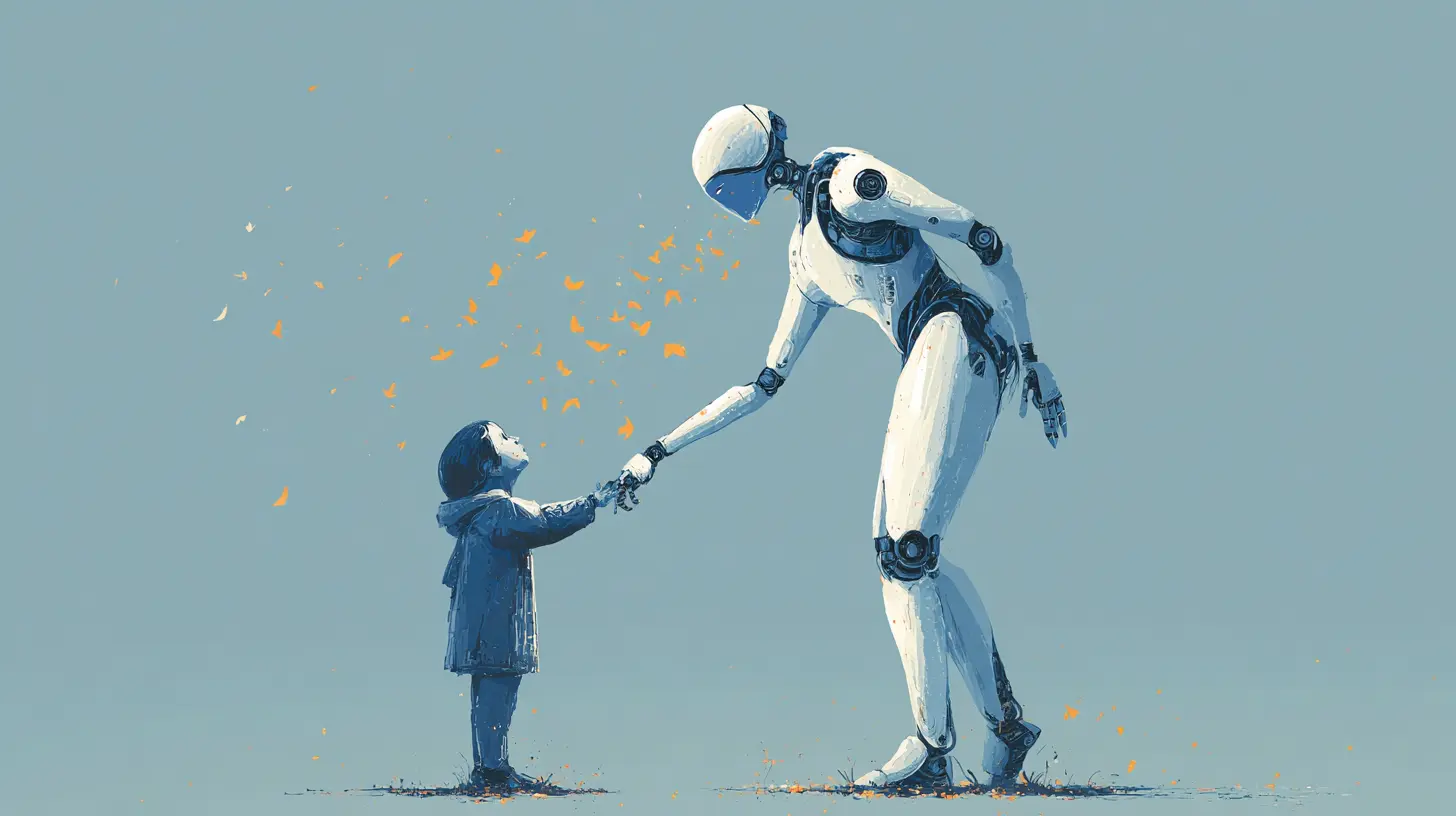
The Shift from Reactive to Proactive Parenting
Right now, most parenting is reactive. Your child gets a fever, you scramble for the thermometer. They struggle with math, you hire a tutor. They have a meltdown at the grocery store, you try to figure out what triggered it. AI is going to flip that script. Instead of waiting for problems to appear, systems will analyze patterns and give you a heads-up before things go wrong.Consider sleep tracking. Today, you might use a simple baby monitor or a wearable device that tells you how long your child slept. In two years, those devices will cross-reference sleep quality with eating habits, activity levels, and even the weather. The AI will say something like: "Your child's sleep efficiency dropped 12% this week. Their afternoon sugar intake increased by 30%. Cutting back on juice after 3 PM might help." That is not magic. That is pattern recognition applied to your specific family data.
The trade-off here is privacy. Every piece of data you feed into these systems makes them smarter, but it also creates a digital profile of your child. You need to ask yourself: how much information am I comfortable sharing? And who owns that data? The companies building these tools are not charities. They want your data to improve their models and sell services. Be skeptical of any system that promises perfect insights without explaining how your data is stored, encrypted, or monetized.
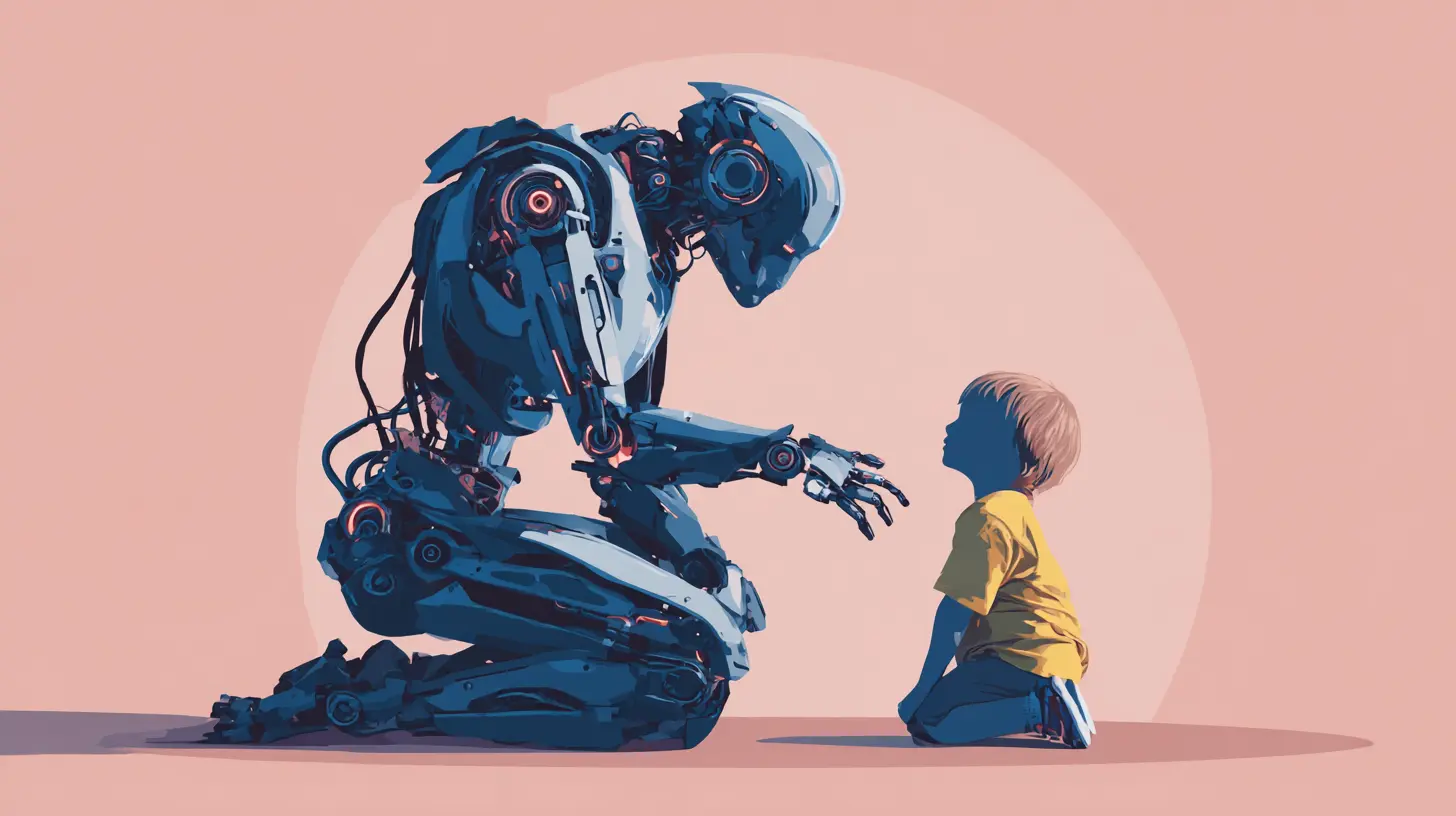
Personalized Learning Will Go Beyond the Classroom
The biggest myth about AI in parenting is that it will replace teachers. That is wrong. What AI will actually do is fill the gaps that teachers cannot cover because they have thirty kids in a room. Your child might be a visual learner who struggles with abstract concepts. A good AI tutor can adapt in real time. If your kid does not understand fractions, the system does not just repeat the same explanation. It tries a different approach: a visual model, a real-world example like slicing a pizza, or a gamified challenge.I have seen this work in practice with early reading tools. A child stumbles on the word "through." The old approach was to sound it out, which does not work because English is irregular. The AI notices the pattern of errors, recognizes that the child has trouble with silent letters, and switches to a memorization game that pairs the word with an image. Within a week, the struggle is gone. That is not a gimmick. That is adaptive learning that a busy parent cannot replicate at home because you have dinner to cook and laundry to fold.
But here is the catch: personalized learning only works if the AI has enough data and the right algorithms. Many so-called "smart" learning apps are just digital worksheets with a chatbot. They do not actually adapt. Before you invest in any AI learning tool, test it yourself. Ask it to handle a mistake your child makes. Does it offer a different explanation? Does it remember the error next session? If not, it is not AI. It is a glorified flashcard app.

The End of the "Perfect Parent" Pressure
Social media has made parenting anxiety worse. You see curated photos of organic meals, handmade toys, and children who never throw tantrums. AI is going to push back on that in an unexpected way. Instead of telling you what to do, it will tell you what is normal.Imagine a system that aggregates data from thousands of families. You are worried that your three-year-old is not speaking in full sentences. The AI can compare your child's language development against anonymized data from similar households, accounting for factors like screen time, number of siblings, and bilingual exposure. It might tell you: "Your child is in the 40th percentile for their age group. This is within the normal range. However, children who hear at least 2,000 words per day from a caregiver tend to accelerate. Here are three simple conversation starters to try this week."
That is useful. That is not judgmental. It gives you a benchmark without making you feel like a failure. The mistake parents make is treating these comparisons as a competition. Your child is not a data point. The AI is a mirror, not a report card. Use it to understand where you are, not to obsess over where you are not.

Health Monitoring That Actually Works
The most practical application of AI in parenting right now is health monitoring. Wearable devices for children are getting better, but they are also getting more invasive. A smart sock that tracks a baby's heart rate and oxygen levels can alert you to breathing issues during sleep. That is a genuine life-saver for parents of premature infants or children with respiratory conditions.In the next few years, these devices will become more granular. They will detect early signs of ear infections by analyzing crying patterns. They will spot dehydration before your child complains of thirst. They will notice changes in gait that could indicate growing pains or joint issues.
But you have to understand the limitations. No consumer device is a medical diagnostic tool. They are screening tools at best. I have seen parents panic because a smart monitor flagged an irregular heartbeat that turned out to be a sensor glitch. Always verify with a doctor before making decisions based on AI health alerts. The technology is getting better, but false positives are still common. Do not let an algorithm replace your pediatrician.
The Digital Nanny: Convenience vs. Connection
There is a growing category of AI assistants designed to entertain and occupy children. Smart speakers that tell stories, robots that teach coding, and virtual playmates that respond to voice commands. These are incredibly convenient when you need ten minutes to finish a work call or cook dinner.But there is a hidden cost. Children learn social cues from human interaction. They need eye contact, tone of voice, and physical presence to develop empathy and emotional regulation. If a child spends too much time interacting with an AI that is always patient, always cheerful, and never tired, they may struggle with real human relationships where people are grumpy or distracted.
The best practice here is balance. Use AI tools for specific tasks, not as a primary caregiver. An AI storybook is fine for winding down at night. An AI babysitter for hours every day is not. Your child needs to see you frustrated, happy, and bored. They need to learn that relationships are messy. AI can supplement, but it should never substitute.
Scheduling and Logistics: The Unseen Revolution
One of the most stressful parts of modern parenting is the logistics. School pickup, soccer practice, piano lessons, playdates, doctor appointments. AI is going to make this part of your life much smoother, but only if you set it up correctly.Calendar systems with AI can learn your family's patterns. They know that Tuesday is swim day and that you need to leave fifteen minutes early because traffic is bad. They can automatically reschedule a dentist appointment if your child gets sick, and they can coordinate with your partner's calendar without endless text messages.
The hidden problem here is over-optimization. When AI handles every detail, you lose the flexibility that makes family life work. Sometimes you need to skip a practice because your child is tired. Sometimes you need to stay home and do nothing. The AI will not understand that. It will optimize for efficiency, not for emotional well-being. You need to retain the authority to override the system. Do not let the calendar run your family. Use it as a tool, not a master.
Common Misconceptions About AI and Parenting
Let me clear up a few things that I see parents get wrong.First, AI does not understand your child emotionally. It can mimic empathy, but it does not feel it. When your child is sad, no algorithm can replace a hug. Do not expect AI to handle emotional crises.
Second, AI is not a quick fix. It takes time to set up, train, and refine. If you buy a smart device and plug it in without configuring it for your family, it will be useless. You have to invest the initial effort to get the long-term benefit.
Third, AI will not make you a perfect parent. It will make you a more informed one, but information without action is just noise. You still have to show up, be present, and make the hard decisions. The AI cannot do that for you.
The Ethical Questions You Need to Ask Now
As AI becomes more embedded in parenting, we need to have honest conversations about ethics. Who decides what "normal" development looks like? If an AI flags your child as behind, is that helpful or harmful? What happens if your child's data is used to train models that are then sold to insurance companies or schools?These are not hypothetical questions. They are happening right now. Some parenting apps already share data with third parties. Read the privacy policies. If a tool is free, you are the product. If a tool is expensive, ask what you are paying for. Is it the hardware, the software, or the ongoing data collection?
I recommend using open-source or locally-processed AI tools whenever possible. If the data never leaves your home network, the privacy risk is much lower. The trade-off is that these tools are less sophisticated because they do not have access to large cloud datasets. For most families, that is a fair trade. You lose some accuracy, but you keep control.
Practical Steps to Get Ready
You do not need to buy everything now. Start with one area that causes you the most stress. For many parents, that is sleep or education. Pick a single AI tool that addresses that specific pain point. Use it for a month. Evaluate honestly. Does it reduce your stress? Does it give you useful information? Does your child like it? If the answer to any of these is no, drop it and try something else.Do not chase trends. The parenting tech market is full of gimmicks. A robot that sings lullabies is cute, but it will not help your child sleep better than a consistent bedtime routine. Focus on tools that solve real problems, not ones that look impressive on Instagram.
Involve your child in the process. If they are old enough, explain what the AI does and why you are using it. Teach them that the AI is a tool, not a person. This builds digital literacy and prevents them from forming unhealthy attachments to devices.
The Bottom Line
AI will change parenting, but it will not replace it. The core of parenting remains the same: love, attention, patience, and presence. What AI can do is remove the friction that gets in the way of those things. It can handle the paperwork, the scheduling, the repetitive questions, and the data analysis. That frees you up to do what only a human parent can do: be there, listen, and care.The next few years will bring incredible tools. Some will work. Many will fail. The parents who benefit the most will be the ones who stay critical, stay curious, and never forget that the most important technology in a child's life is the parent who looks them in the eye and says, "I am here for you."
all images in this post were generated using AI tools
Category:
Ai In Daily LifeAuthor:

Marcus Gray