The Growth of Personalized Mobile App Experiences
30 June 2026
You know that feeling when you open an app and it just gets you? Like it read your mind before you even typed a single letter. Maybe it's a music app that plays the perfect song for your morning commute. Or a shopping app that shows you the exact pair of sneakers you were eyeing yesterday, but now they're on sale. That's not magic. That's personalization. And it's no longer a fancy bonus-it's the baseline expectation.
Let's be real for a second. We're all glued to our phones. The average person checks their phone over a hundred times a day. With millions of apps screaming for attention, the ones that win are the ones that make you feel like they were built just for you. The growth of personalized mobile app experiences isn't just a trend. It's a full-blown revolution in how we interact with technology. And if your app doesn't adapt, it gets buried.
So how did we get here? Why is personalization the new king? And what does it actually look like in the wild? Let's dive in.
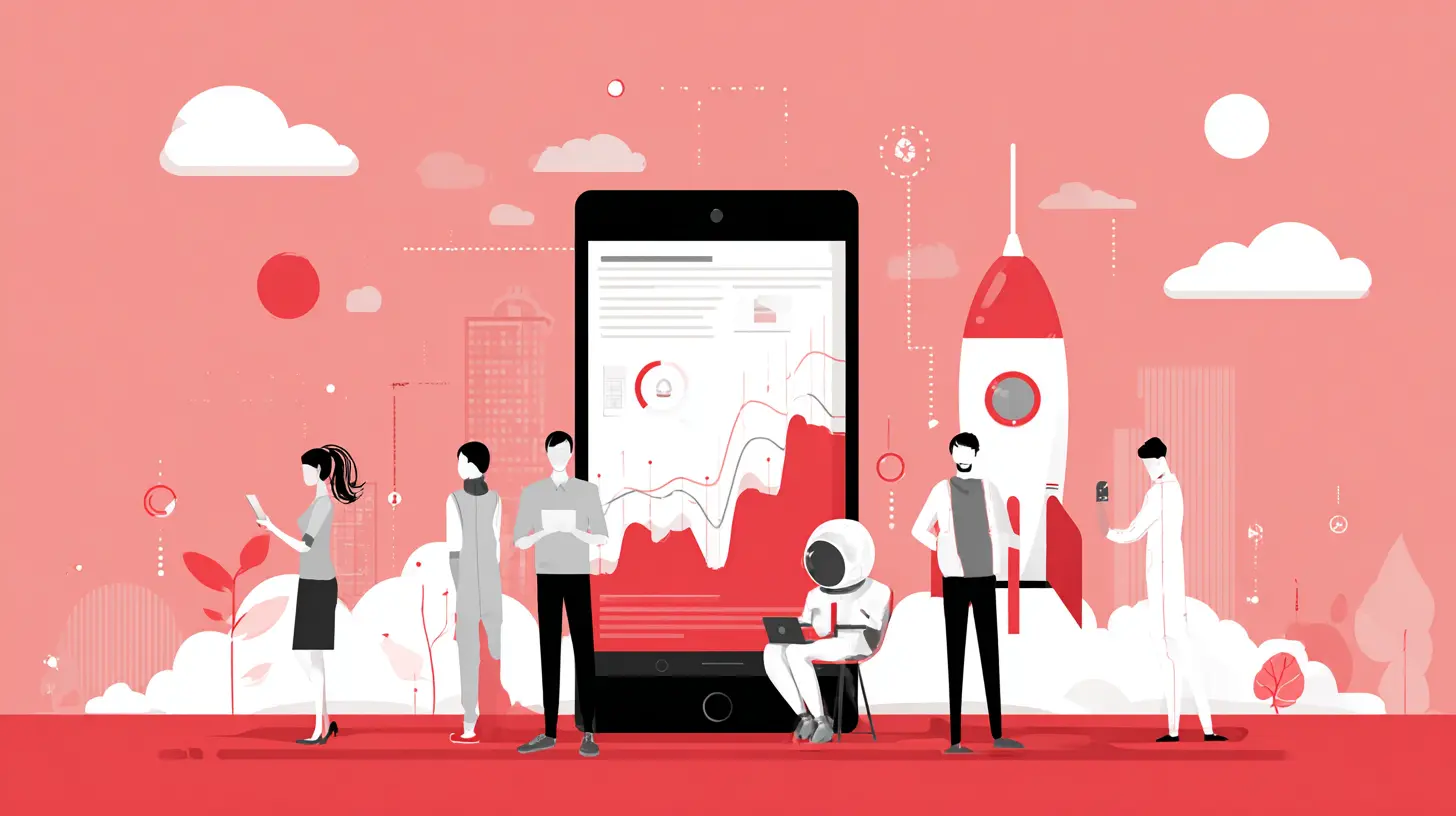
The Shift From One-Size-Fits-All to One-Size-Fits-One
Think back to the early days of smartphones. Apps were basically digital brochures. You opened them, saw the same generic screen as everyone else, and hoped for the best. It was like walking into a clothing store where every shirt is the same size. It works for a few people, but most of us walk out frustrated.The big shift happened when developers realized that data is the new gold. Every tap, swipe, and scroll tells a story. Where you are, what time it is, what you bought last week, how long you stared at that cat video. This isn't creepy if done right. It's helpful. The goal is to turn raw data into a tailored experience that feels natural, not invasive.
Personalization today means the app adapts to you, not the other way around. It's like having a personal assistant who knows your coffee order, your schedule, and your mood-without you having to explain it every time. That's the power of a well-crafted mobile experience.
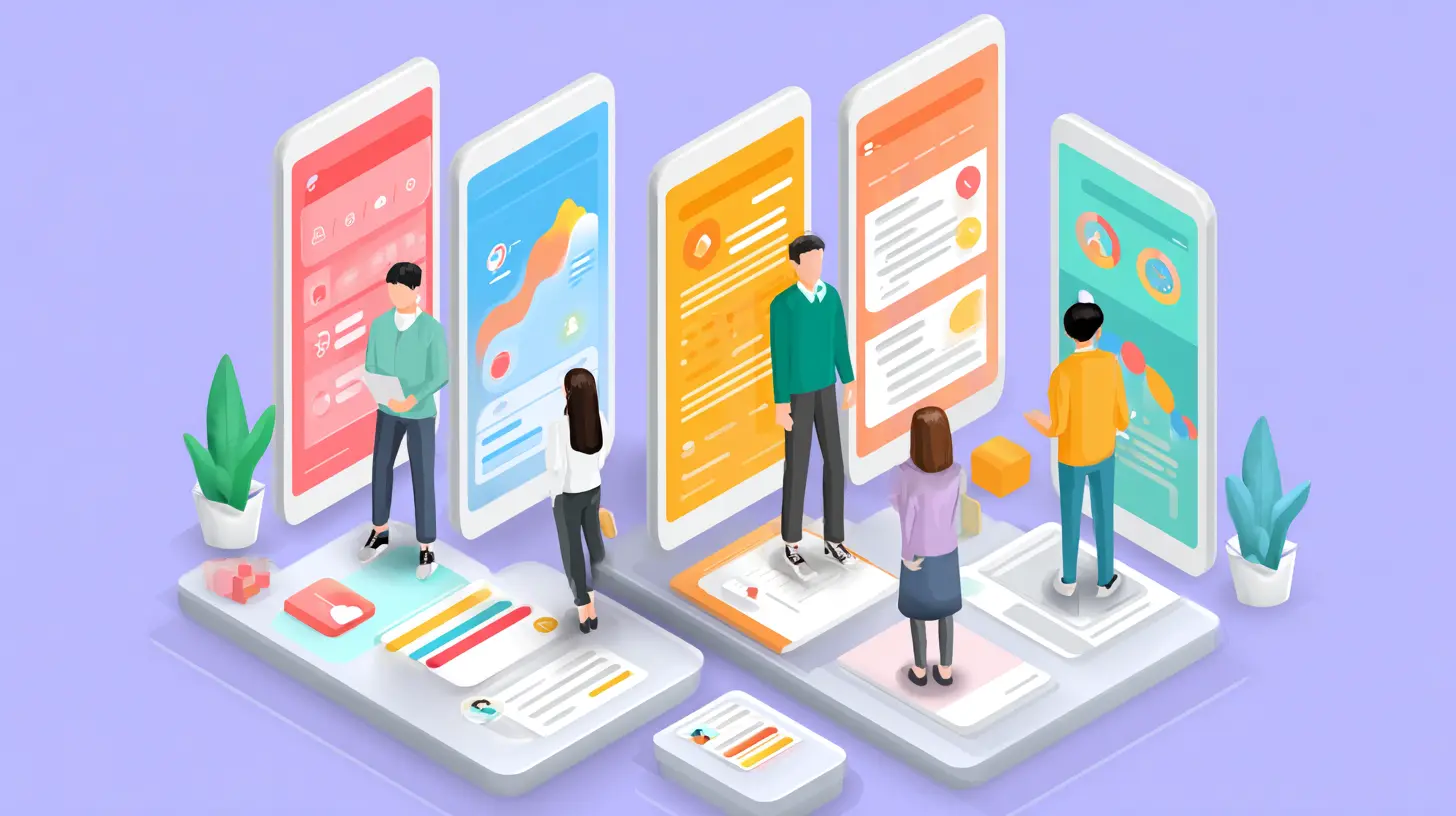
Why Personalization Matters More Than Ever
Let's face it: attention spans are shrinking. If an app doesn't hook you in the first few seconds, you're gone. Studies show that 80% of users delete an app if they don't see immediate value. That's brutal competition. Personalization is the hook.When an app remembers your preferences, it saves you time. Time is the most precious resource we have. If your app can cut down the number of clicks to get what you want, you'll keep coming back. But it's not just about convenience. It's about emotion. A personalized experience makes you feel seen. It builds trust. And trust leads to loyalty.
Think about Netflix. It doesn't show you the same homepage it shows your mom. It knows you love sci-fi and hate romantic comedies. It's not just suggesting movies; it's curating a mood. That's why you spend hours scrolling-because every thumbnail feels like it was picked for you. That's the magic of personalization.
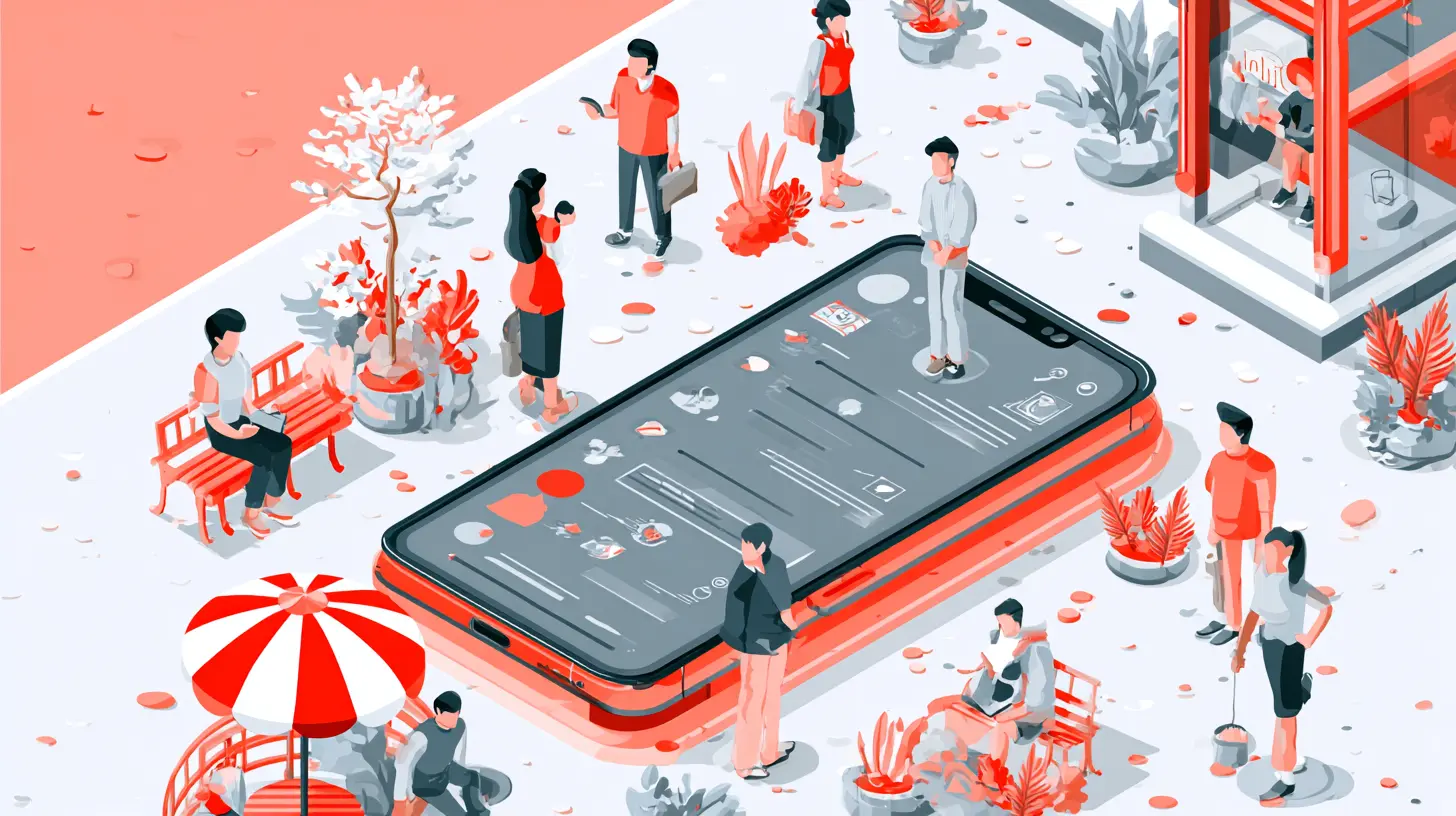
The Technology Driving Personalization
You might wonder, "How do apps get so smart?" It's not sorcery. It's a mix of machine learning, artificial intelligence, and real-time data processing.- Machine Learning Models: These are the brains. They analyze your behavior patterns and predict what you'll want next. For example, Spotify's Discover Weekly playlist isn't random. It learns from your listening history, skips, and saves to create a mix that feels handpicked.
- Location and Context Awareness: Your phone knows where you are and what you're doing. A fitness app might suggest a running route when you're at the park. A food delivery app might push a lunch special at noon. Context is everything.
- User Segmentation: Not every user gets the same treatment. Apps group people by behavior, demographics, or preferences. A new user might see a tutorial. A power user might see advanced features. It's like a restaurant that has a kids' menu and a chef's tasting menu at the same table.
- A/B Testing and Iteration: Personalization isn't a set-it-and-forget-it thing. Apps constantly test different versions to see what sticks. It's a living, breathing process.
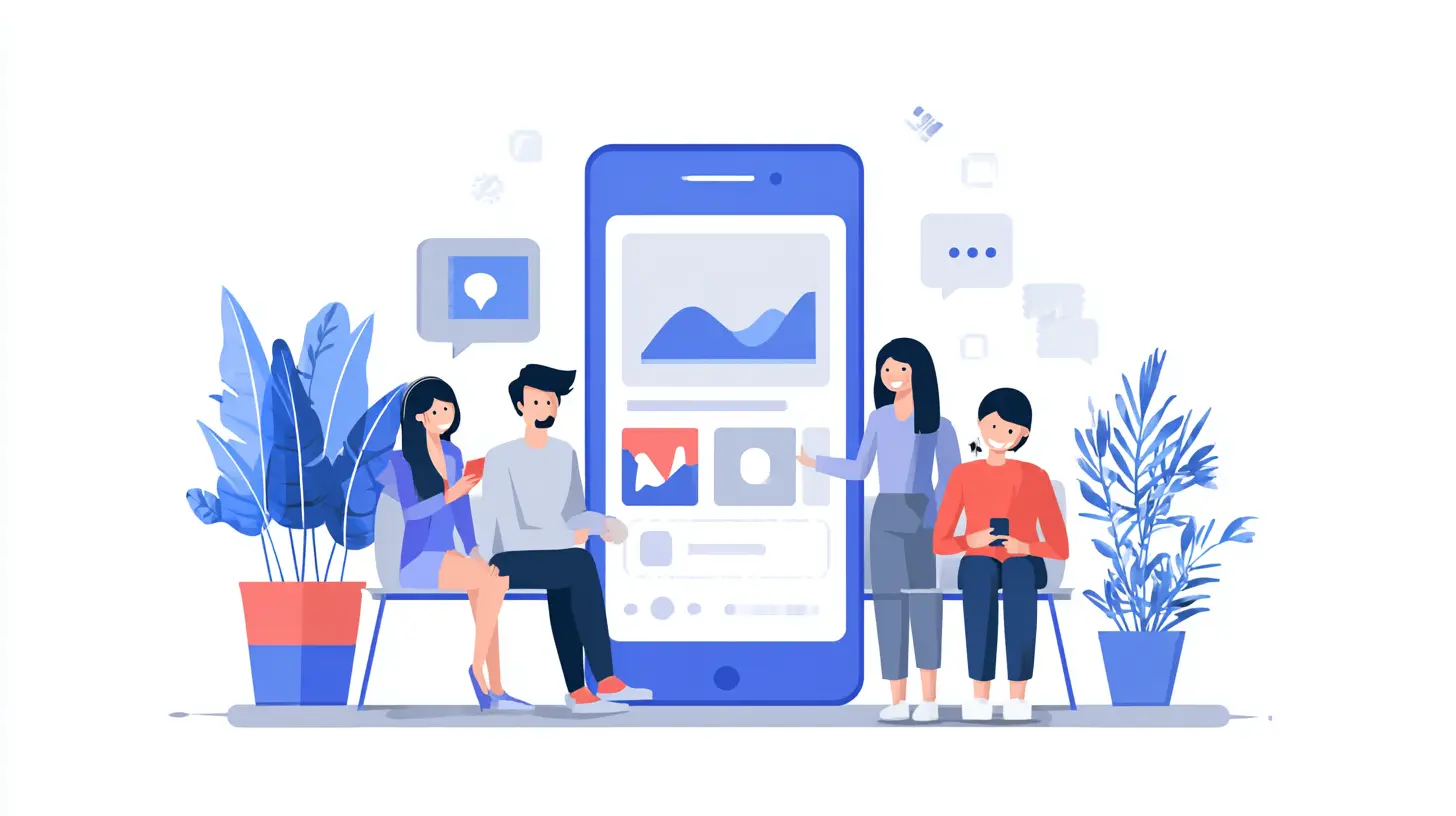
Real-World Examples That Hit Home
Let's talk about apps you probably use every day. Take Amazon. The homepage is a masterclass in personalization. It shows products based on your browsing history, past purchases, and even what you've put in your cart and abandoned. It's like a shopkeeper who knows your size and taste, and whispers, "Hey, this might be your style."Or consider Duolingo. The language learning app adapts to your pace. If you struggle with a certain verb, it drills you more. If you breeze through vocabulary, it speeds up. It's like having a tutor who never gets impatient. That's why people stick with it.
Then there's TikTok. Love it or hate it, the "For You" page is terrifyingly accurate. It learns your humor, your music taste, and your niche interests within minutes. It's so good that you can't stop scrolling. That's the dark side of personalization-it keeps you hooked.
The Balance Between Personalization and Privacy
Let's address the elephant in the room. Personalization needs data. But users are more privacy-conscious than ever. After the Cambridge Analytica scandal and Apple's App Tracking Transparency, the rules have changed. You can't just hoover up data without permission.The trick is to offer value in exchange for information. If an app asks for your location, it should tell you why. "Allow location to find nearby coffee shops" sounds a lot better than "Allow location to improve your experience." Transparency builds trust.
Smart apps use on-device processing to keep sensitive data local. Apple's Siri, for example, processes most requests on your phone rather than sending them to the cloud. This reduces the creep factor. The future of personalization is about being helpful without being a stalker.
How Personalization Boosts Business Metrics
If you're building an app, personalization isn't just nice to have. It directly impacts the bottom line.- Higher Engagement: Users spend more time on personalized apps. They explore more features and come back more often.
- Better Conversion Rates: A personalized recommendation can increase sales by up to 30%. Think of it as a salesperson who knows exactly what you want, without the pushy pitch.
- Lower Churn: When an app feels tailored, users are less likely to delete it. They feel invested. It's like a favorite coffee shop that remembers your name and order. You wouldn't switch to Starbucks just because it's a block closer.
- Increased Lifetime Value: Loyal users spend more over time. They also become brand advocates. They tell their friends, "This app is amazing-it knows exactly what I need."
The Challenges of Scaling Personalization
It's not all sunshine and rainbows. Scaling personalization is hard. Here's why:- Data Silos: Many companies have data scattered across different systems. Customer data from the app doesn't talk to the website data. You need integration.
- Cold Start Problem: When a new user downloads your app, you have zero data. How do you personalize for someone you know nothing about? The answer is smart onboarding. Ask a few questions or use basic demographics to start.
- Over-Personalization: Yes, it's a thing. If an app gets too specific, it can feel creepy or even claustrophobic. You don't want an app to assume your mood based on your typing speed. Keep it subtle.
- Resource Intensity: Building personalization algorithms takes time, money, and talent. Small startups might struggle to compete with giants like Google or Meta. But even simple personalization-like remembering a user's last search-can make a difference.
The Future: Hyper-Personalization and Predictive Experiences
Where are we headed? The next wave is hyper-personalization. It's not just about past behavior. It's about predicting future needs before the user even thinks of them.Imagine a fitness app that knows you had a bad night's sleep (from your smartwatch) and suggests a lighter workout. Or a banking app that notices you're spending more on dining out and offers a budgeting tip. That's predictive personalization.
We're also seeing the rise of generative AI in apps. Chatbots that remember your entire conversation history. AI that writes personalized emails or creates custom playlists. It's like having a co-pilot that anticipates your next move.
Another big trend is cross-device personalization. Your phone, tablet, and smartwatch should share context. If you start a movie on your phone, your TV should offer to continue it. It's seamless, but it requires robust backend infrastructure.
Practical Tips for Building Personalized Experiences
If you're a developer or a product manager, here's how to start:1. Start Small. Don't try to personalize everything at once. Pick one feature, like the home screen or push notifications, and nail it.
2. Use Explicit Data. Ask users directly. "What's your favorite genre?" or "How often do you exercise?" This gives you a solid foundation.
3. Combine with Implicit Data. Pair explicit answers with behavioral data. If someone says they love action movies but only watches comedies, trust the actions.
4. Respect Opt-Outs. Not everyone wants personalization. Offer a "basic mode" that doesn't track anything. Some users value privacy over convenience.
5. Test and Iterate. Use A/B testing to see what works. Personalization is not a one-time setup. It evolves with user behavior.
6. Be Transparent. Tell users what data you collect and why. Use clear language. No one reads those long privacy policies.
Wrapping It Up
The growth of personalized mobile app experiences is not slowing down. It's accelerating. As technology gets smarter and users get more demanding, the apps that survive will be the ones that treat each user as an individual. Not a number. Not a segment. A person with unique tastes, habits, and needs.Think about your own phone. Which apps do you open every day? Chances are, they're the ones that feel like they were made for you. That's the power of personalization. It turns a cold, digital screen into a warm, intuitive companion.
So next time your music app plays the perfect song, or your shopping app shows you the deal you were hoping for, take a second to appreciate the tech behind it. It's not magic. It's data, math, and a whole lot of empathy.
And if you're building an app, remember this: personalization isn't a feature. It's a promise. A promise that you see your user, you understand them, and you're here to make their life a little easier. That's a promise worth keeping.
all images in this post were generated using AI tools
Category:
Mobile ApplicationsAuthor:

Marcus Gray
Discussion
rate this article
1 comments
Blaine McIntosh
This article highlights a crucial trend in tech. As users, we crave experiences tailored to our preferences, and personalized mobile apps are bridging that gap beautifully. It's exciting to see how these innovations enhance our daily lives, making technology feel more intuitive and human-centered. Great insights!
June 30, 2026 at 10:25 AM