How AI Is Revolutionizing Team Collaboration Tools by 2027
6 May 2026
Let's be real for a second. If you've ever sat through a meeting that could have been an email, or watched your Slack notifications pile up like a digital avalanche, you know team collaboration has a dark side. It's noisy, fragmented, and often feels like herding cats with laser pointers. But here's the kicker: by 2027, the tools we use to work together are going to look nothing like they do today. And the reason? Artificial intelligence is about to drop the mic on how we communicate, coordinate, and actually get stuff done.
I'm not talking about some sci-fi fantasy where robots take your coffee order. I'm talking about practical, gritty, real-world AI that reads the room (literally), predicts your next move, and kills the busywork that makes you want to throw your laptop out the window. So grab your favorite caffeinated beverage, and let's dive into how AI is rewriting the rules of teamwork.
The Meeting That Knows You Better Than You Know Yourself
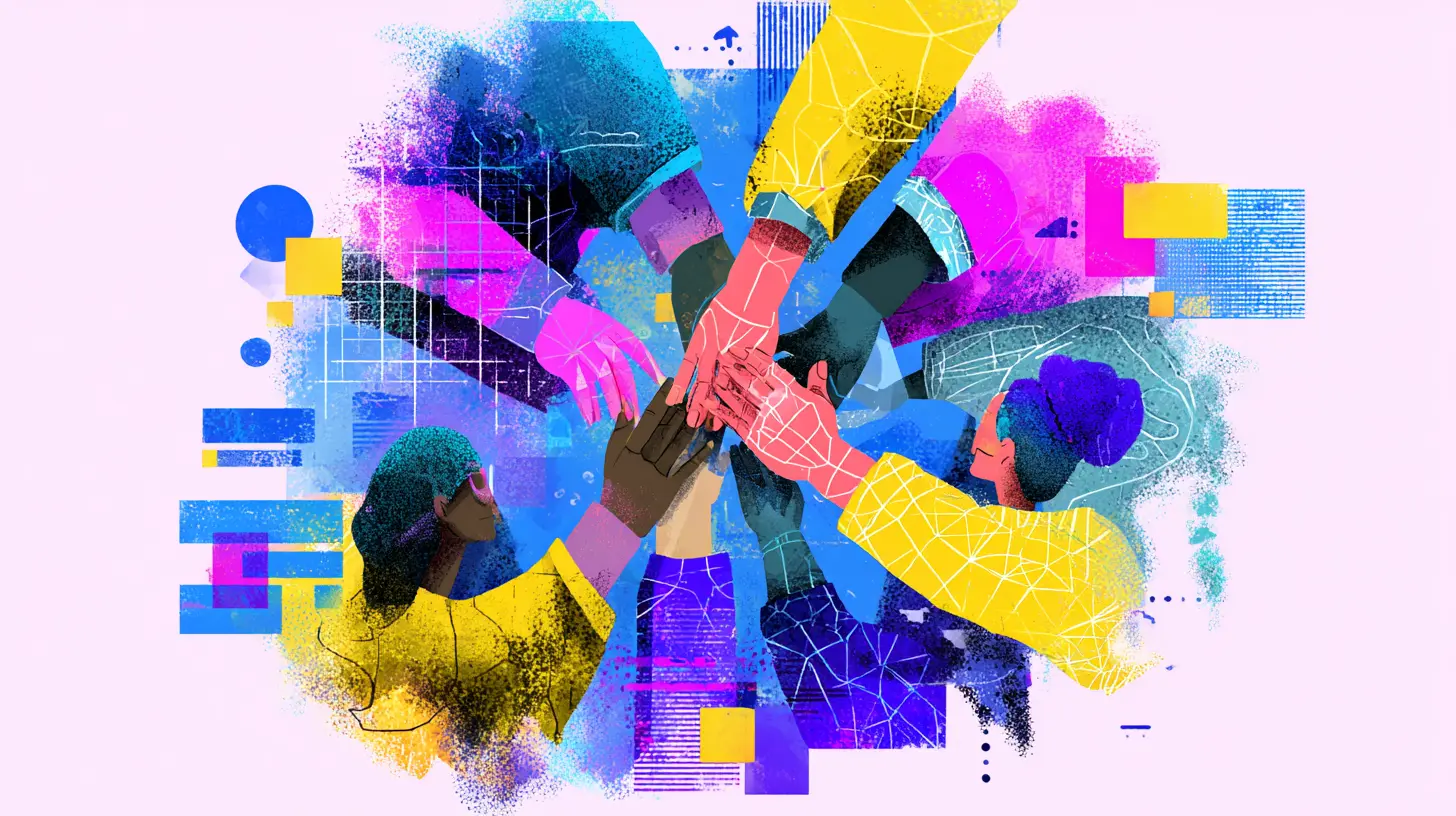
You know what I hate? Meetings where everyone talks over each other, someone's audio cuts out, and by the end, nobody remembers who said what. By 2027, AI-powered collaboration tools will make that nightmare obsolete. Think of it like having a hyper-intelligent assistant sitting in every meeting, not just taking notes, but actually understanding the subtext.Imagine this: You join a video call, and the AI has already scanned the agenda, pulled up relevant documents from last week, and flagged the key decisions that need to be made. It's not just transcribing words; it's analyzing tone, sentiment, and even hesitations. If someone says "I guess that could work," the AI picks up on the uncertainty and flags it for follow-up. It's like having a friend who knows when you're lying about being "fine."
And here's the bold part: the AI starts suggesting action items in real time. No more "I'll send the notes later." The tool assigns tasks, sets deadlines, and even checks your calendar to see if you actually have time to do the work. By 2027, the meeting itself becomes a live document, not a black hole of wasted hours. You'll wonder how you ever survived without it.
Killing the Notification Monster with Smart Filters
Let's talk about the elephant in the chat room: notification overload. Right now, your phone buzzes, your desktop pings, and your email inbox screams for attention like a toddler hopped up on sugar. It's chaos. But AI is about to become the bouncer at the club of your attention.By 2027, collaboration tools will use machine learning to understand your work patterns better than your nosy coworker. The AI learns that you focus best between 9 AM and 11 AM, so it holds all non-urgent messages until after lunch. It knows that when you're in a "Do Not Disturb" session, only messages from your boss (or the CEO) get through. And it gets smarter over time. It notices that you always ignore messages from the "funny cat memes" channel during deep work, so it starts deprioritizing those.
But here's the sassy twist: the AI also calls out your bad habits. If you keep ignoring a teammate's request for feedback, the tool might send a gentle nudge: "Hey, Sarah's been waiting on your input for three days. Want me to draft a quick reply?" It's like having a digital conscience that holds you accountable without being annoying. And by 2027, this kind of smart filtering will be the norm, not a luxury.

The Death of the "Reply All" Apocalypse
We've all been there. Someone hits "Reply All" on a company-wide email, and suddenly 500 people are arguing about whether to use Google Docs or Notion. It's a disaster. But AI is about to put a bullet in that behavior.Advanced collaboration tools by 2027 will use natural language processing to analyze the context of your message. If you're about to send a "Thanks!" to a thread with 50 people, the AI will pop up and say, "Are you sure you want to blast this to the entire department? Maybe just reply to the sender." It's like having a polite friend who whispers, "Don't do that, you'll look like a fool."
Even better, AI will auto-sort your inbox by urgency and relevance. It learns that emails from the finance team about expense reports are important, but the weekly "fun fact" newsletter from HR can wait. It even starts drafting responses for you based on your writing style. "Hey, got it. Will review by Friday." Boom. Done. No more typing the same thing a hundred times. By 2027, "Reply All" will be a relic, like fax machines and floppy disks.
Project Management That Actually Predicts the Future
If you've ever used a project management tool, you know the pain. You set a deadline, your team misses it, and you scramble to reschedule. It's like playing whack-a-mole with tasks. But AI is about to turn that into a crystal ball.By 2027, AI will analyze historical data from your team's past projects to predict bottlenecks before they happen. It sees that your developer always takes twice as long on front-end tasks, so it automatically adjusts the timeline. It notices that your designer is out sick on Fridays, so it schedules reviews for Tuesday. It's not just tracking progress; it's forecasting the future.
And here's the kicker: the AI starts suggesting the best person for each task based on skill, workload, and even mood (yes, mood). If someone's been grinding hard for two weeks, the AI might recommend giving them lighter tasks to prevent burnout. It's like having a project manager who actually cares about your well-being instead of just the deadline. The tool becomes a partner, not a nag.
The Rise of the AI "Colleague"
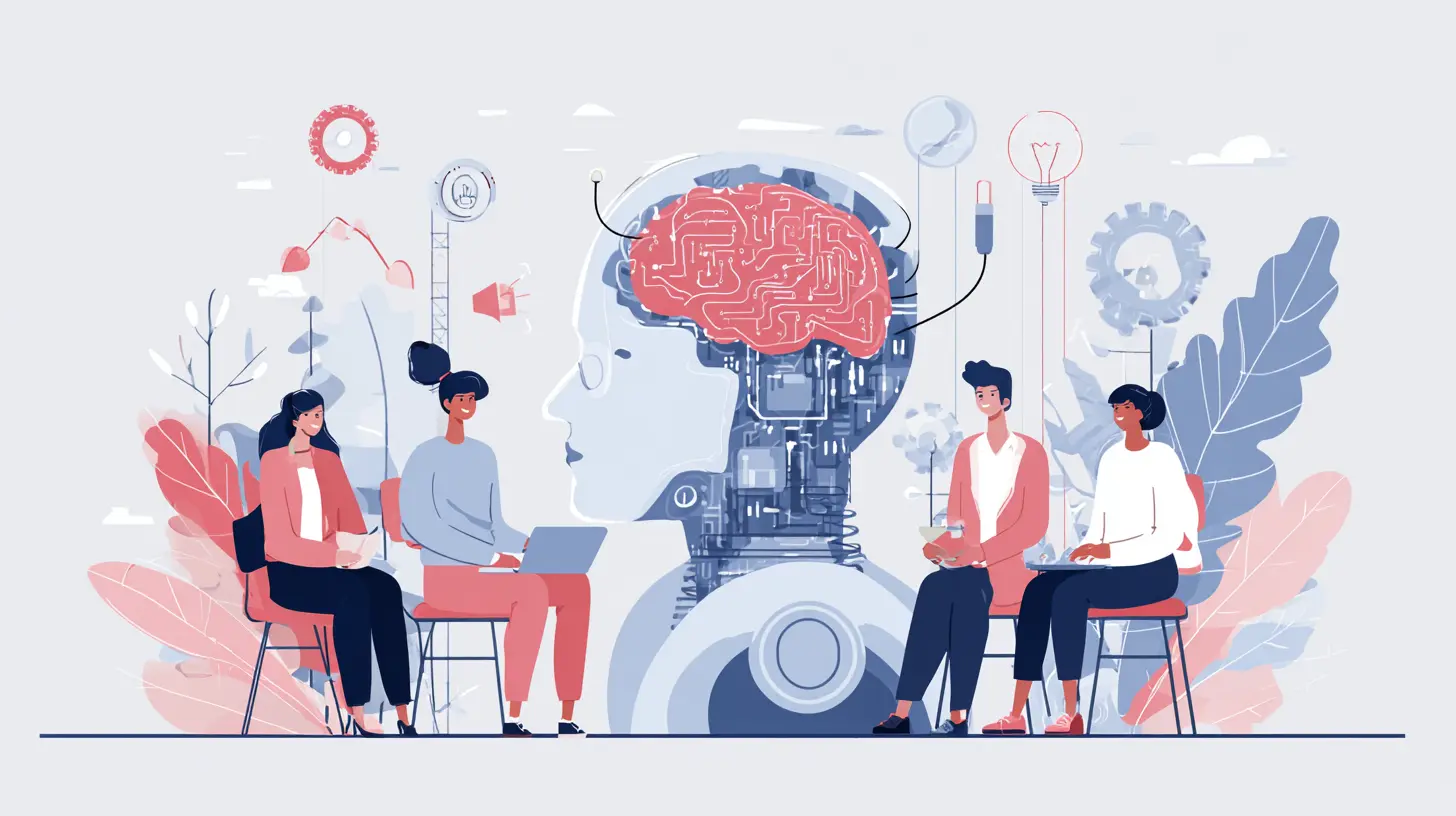
You know that coworker who always has the answer? The one who remembers where the file is, who to ask for approval, and what the company policy says? By 2027, that coworker might be an AI.Imagine a chatbot that lives inside your collaboration tool. You ask it, "Hey, what's the budget for Q3?" and it pulls up the spreadsheet, summarizes the key numbers, and even highlights where you're over budget. You ask, "Who worked on the Johnson account last year?" and it scans chat logs, emails, and documents to give you a name and contact info. It's like having a personal librarian who never sleeps.
But this AI colleague goes beyond just finding information. It starts connecting dots. It notices that your team keeps asking the same questions about onboarding, so it creates a FAQ document. It sees that you're struggling with a new software update, so it links you to a tutorial. It's proactive, not reactive. By 2027, you'll wonder how you ever worked without this digital sidekick. It's not replacing your human colleagues; it's making them look like rock stars because they don't have to answer the same questions a hundred times.
Language Barriers? What Language Barriers?
Let's face it: global teams are awesome, but language differences can be a pain. You're in a meeting with someone from Tokyo, someone from Berlin, and someone from São Paulo, and everyone's English is a little different. Misunderstandings happen. But by 2027, AI will make language a non-issue.Real-time translation is already getting good, but by 2027, it'll be seamless. You speak in English, your German colleague hears you in German, and the Brazilian teammate gets it in Portuguese. The AI even adjusts for cultural nuances. It knows that in Japan, direct "no" is rare, so it rephrases feedback to be polite. It understands that in Brazil, people talk over each other more, so it doesn't flag that as rude. It's like having a cultural ambassador in every conversation.
And the best part? The AI translates not just words, but tone. If you're being sarcastic, it warns the non-native speaker: "Note: this message was intended as humor." No more awkward moments where a joke lands like a lead balloon. By 2027, global collaboration will feel as easy as chatting with someone in the next cubicle.
The Privacy Tightrope
Okay, let's get real for a minute. All this AI power sounds amazing, but it also raises a big question: what about privacy? By 2027, we'll have to have some serious conversations about how much we let AI into our work lives.The good news is that collaboration tools are getting smarter about data security. AI will be able to run on your device instead of in the cloud, so your conversations stay private. It'll learn from your behavior without sending raw data to some corporate server. And it'll give you granular control over what it can see and do. Want it to analyze your emails but not your video calls? Done. Want it to forget everything after a week? No problem.
But here's the sassy truth: we'll have to trade some privacy for convenience. It's like having a personal assistant who knows your coffee order and your dentist appointment. You accept the trade-off because it makes your life easier. By 2027, we'll have clear rules and ethics around this, but the core idea is that AI can be powerful without being creepy. It's up to us to demand that.
The Bottom Line: Collaboration Will Feel Like Magic
Let's wrap this up. By 2027, AI won't just be a feature in your collaboration tools; it'll be the engine that powers everything. Meetings will be efficient, notifications will be smart, project management will be predictive, and language barriers will vanish. You'll have an AI colleague that knows your work habits better than you do, and it'll help you be your best self without the burnout.But here's the thing: the tools are only half the story. The other half is us. We have to be willing to let go of old habits. We have to stop glorifying "busy" and start valuing "effective." We have to trust the AI to handle the boring stuff so we can focus on the creative, strategic, human work that actually matters.
So, are you ready for 2027? Because the revolution is already starting. The tools are getting smarter, the features are getting bolder, and the way we work together is about to change forever. Don't be the person still using a whiteboard and sticky notes while everyone else is collaborating with an AI that reads minds. Get on board, or get left behind.
all images in this post were generated using AI tools
Category:
Collaborative SoftwareAuthor:

Marcus Gray
Discussion
rate this article
2 comments
Raven McAdoo
By 2027, AI will probably improve collaboration tools so much that we might just end up having virtual meetings in our pajamas... not that we don't already! Let's just hope AI doesn't start making awkward small talk for us too.
May 23, 2026 at 11:32 AM
Marcus Gray
Haha, the thought of AI making small talk is both funny and a bit scary! But you're right, comfort might be the new norm in virtual meetings. Let's see where this goes.
Brooke Jordan
As we approach 2027, the landscape of team collaboration is shifting in ways we can't yet fully grasp. What hidden potentials lie within AI's embrace? The future is uncertain, but one thing is clear: the tools we know today will evolve dramatically.
May 22, 2026 at 4:39 AM
Marcus Gray
You're right. The evolution of AI is set to redefine collaboration in ways we haven't imagined yet. Exciting changes are ahead!