Why Mobile Gaming Apps Will Lead Entertainment in 2026
19 April 2026
Let’s be honest for a second. When you think of the pinnacle of entertainment, what comes to mind? Is it the latest billion-dollar superhero movie? The prestige TV series everyone’s buzzing about? Or maybe it’s that new album you’ve got on repeat. For decades, these have been the heavyweights, the champions of our leisure time. But there’s a new contender in the ring, and it’s not playing by the old rules. It’s in your pocket, it’s constantly evolving, and it’s quietly assembling an audience so vast it makes blockbuster opening weekends look like a niche hobby.
I’m talking, of course, about mobile gaming. And I’m not just predicting a trend; I’m stating what’s becoming an inevitable reality: By 2026, mobile gaming apps will be the undisputed leader of the global entertainment industry. This isn’t a guess from a fervent gamer; it’s a forecast written in the data, driven by technological leaps, and, most importantly, demanded by us—by how we live now. Let’s unpack why.
The Unmatched Scale: A Audience of Billions
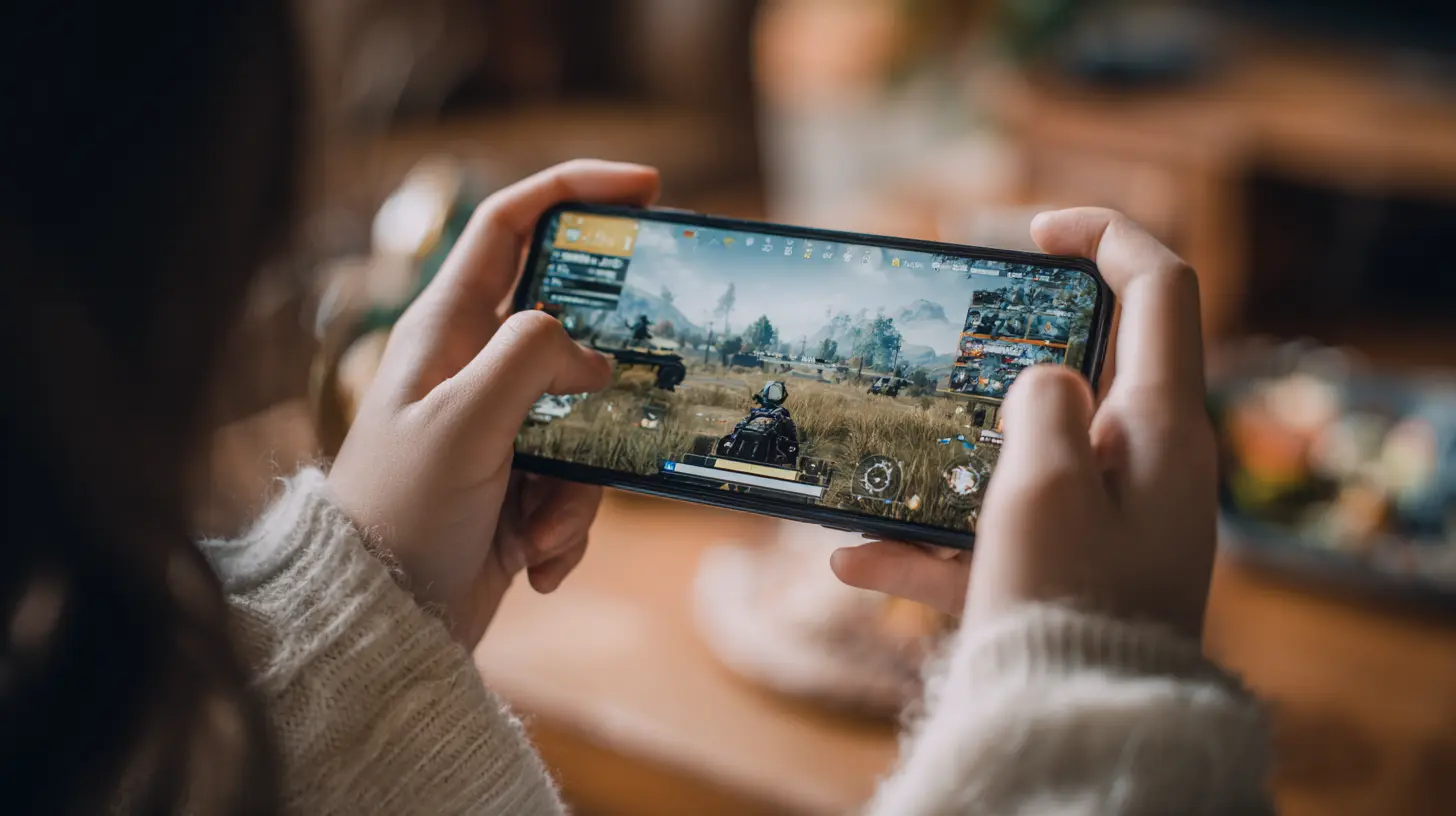
First, let’s talk numbers, because they’re staggering. Think of the most successful film of all time. Its audience is measured in hundreds of millions. A hit TV show? Perhaps tens of millions per episode. Now, consider Candy Crush Saga. It has been downloaded over 3 billion times. Not million. Billion. Titles like PUBG Mobile and Genshin Impact regularly see monthly active users in the hundreds of millions. This isn’t a subculture; it’s a mainstream global phenomenon.Why this scale? The barrier to entry is practically non-existent. You don’t need a $500 console, a $1000 gaming PC, or a $15 movie ticket. You need a smartphone—a device that over 6.9 billion people already own. The distribution platform (the App Store and Google Play) is already installed. The controller is your fingers. This universal accessibility creates a funnel that no other entertainment medium can match. It turns everyone—your colleague, your parent, your friend who’s never touched a console—into a potential player. By 2026, smartphone penetration will be even deeper, and 5G will be standard, making high-fidelity gaming accessible anywhere, anytime. The audience base isn’t just growing; it’s becoming the default.
Beyond "Casual": The Depth Revolution
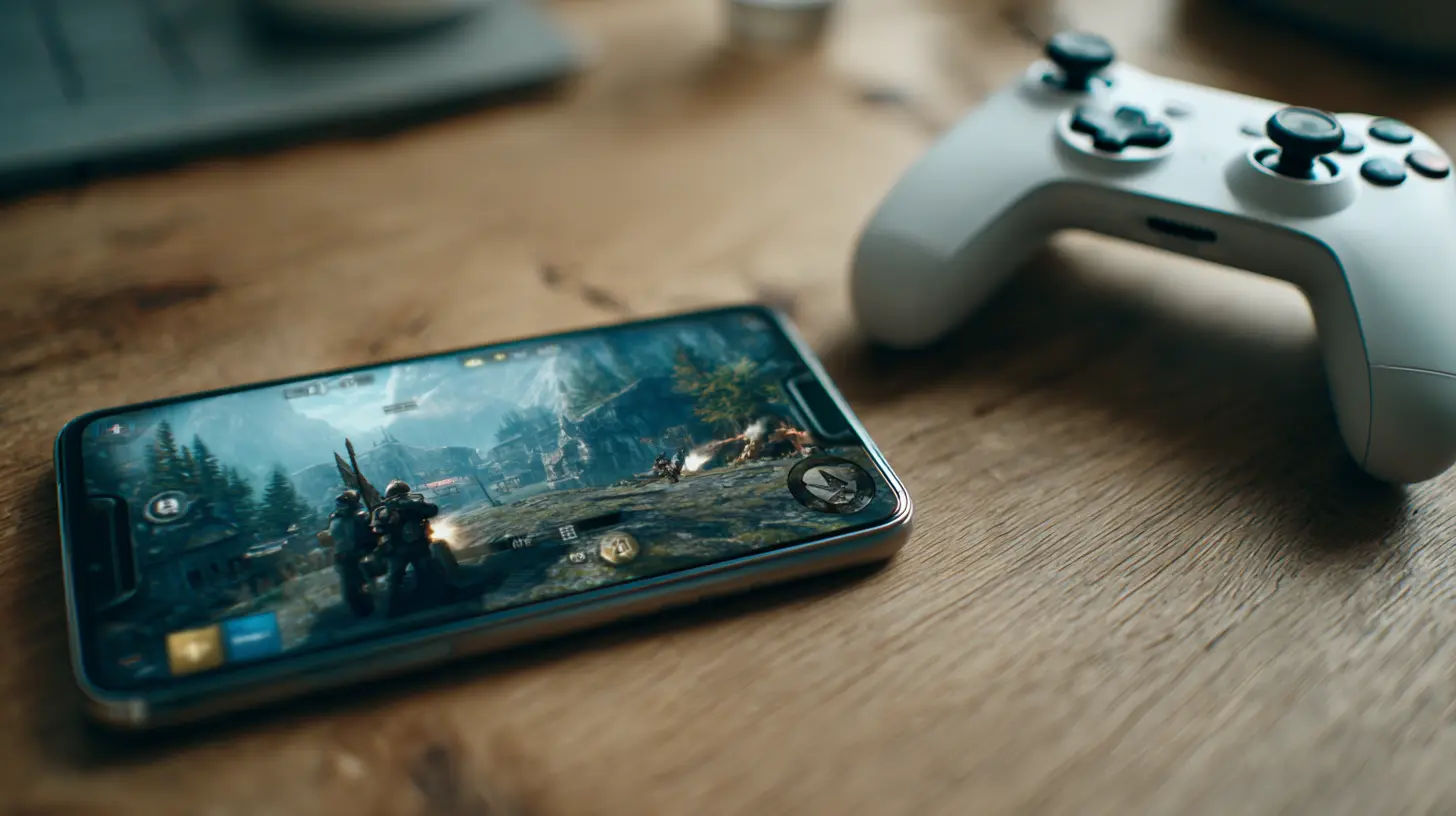
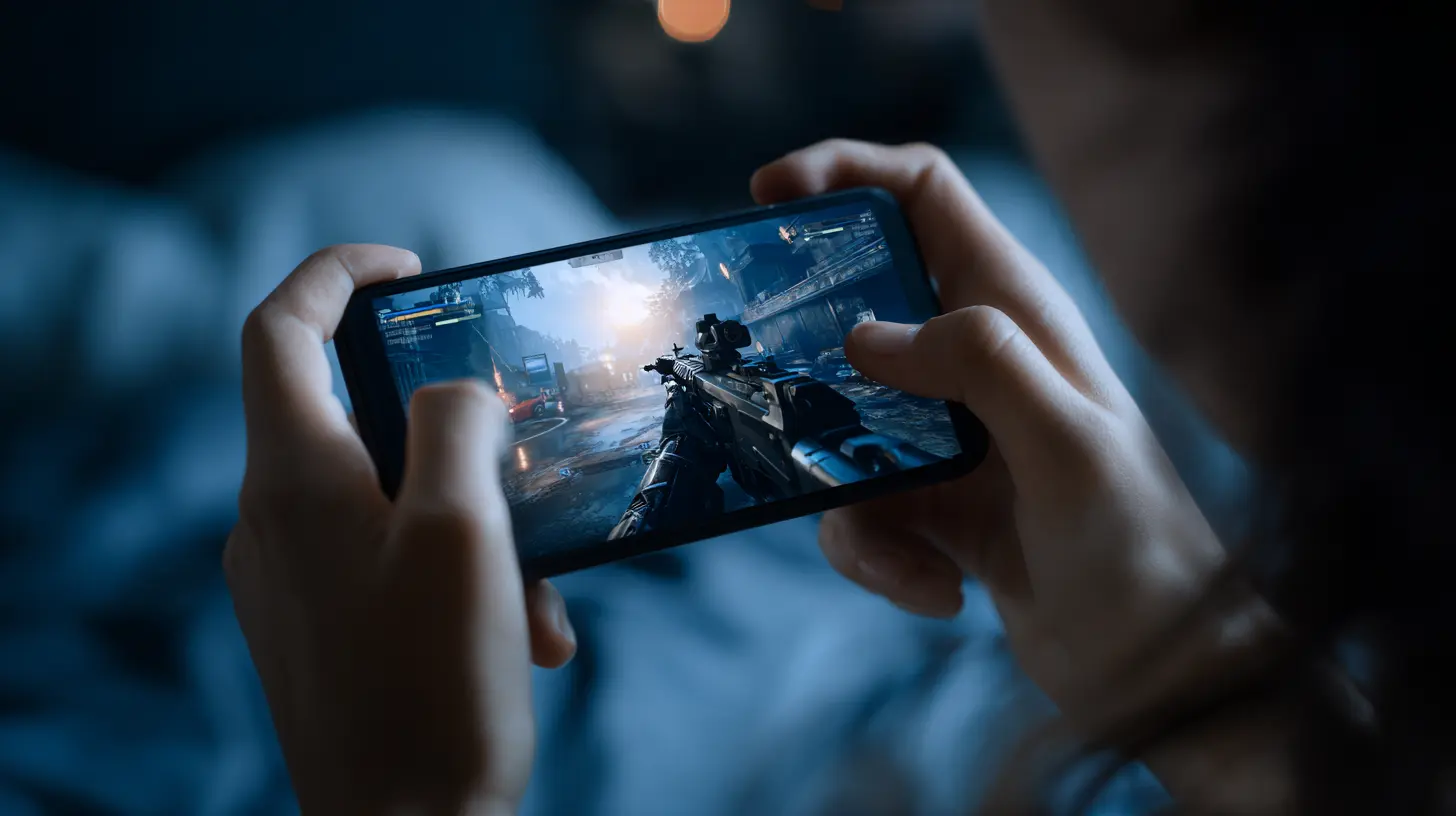
“Ah,” I hear the skeptics say, “but it’s all just casual time-wasters. Tap-tap-tap. Where’s the depth? Where’s the narrative?” This is the most outdated critique in the book, and 2026 will bury it completely. The line between "mobile game" and "premium entertainment experience" has already blurred to the point of invisibility.Look at Genshin Impact. It’s a vast, open-world action RPG with a deep elemental combat system, a sprawling storyline, and breathtaking visuals that rival console games. It’s updated with massive new regions and story chapters every few months—a live service narrative that puts most TV show schedules to shame. Call of Duty: Mobile delivers a full-fledged, competitive FPS experience. Honkai: Star Rail offers complex, turn-based strategy and cinematic storytelling.
By 2026, with the power of cloud gaming (like Xbox Cloud Gaming or NVIDIA GeForce NOW) fully integrated into mobile apps, your phone will be a portal to experiences identical to those on high-end hardware. You’ll be playing the next Cyberpunk or Elder Scrolls on your phone during your commute, with progress syncing to your TV at home. Mobile won’t be the "lesser" platform; it will be the most convenient portal to the entire spectrum of gaming, from hyper-casual puzzles to narrative epics.
The Social Fabric: Entertainment That Connects
Here’s where mobile gaming pulls far ahead of passive entertainment. A movie is a solo or small-group experience. You watch, you react, but you don’t interact with the story or with other viewers in a shared space. Mobile gaming, however, is fundamentally social and interactive. It’s entertainment you do with people, not just consume near them.Among Us defined a pandemic era by being a digital party game. Pokémon GO created a global phenomenon that got people exploring cities together. Games like Roblox and Fortnite (played extensively on mobile) are not just games; they are social platforms. Kids don’t just say, “Let’s play Fortnite.” They say, “Let’s hang out in Fortnite.” They attend virtual concerts (Travis Scott, Ariana Grande), watch movie trailers, and just chat in a shared, interactive space. This is the evolution of social media—from text and pictures to shared, interactive 3D experiences.
By 2026, this will be the norm. Mobile gaming apps will be the primary digital "third place" (not home, not work/school) for socialization. They will host more than just game sessions; they’ll be venues for live events, brand experiences, and casual hangouts. This layer of persistent, participatory social connection is something linear video and audio simply cannot replicate.
The Business Model Engine: Free-to-Play and Beyond
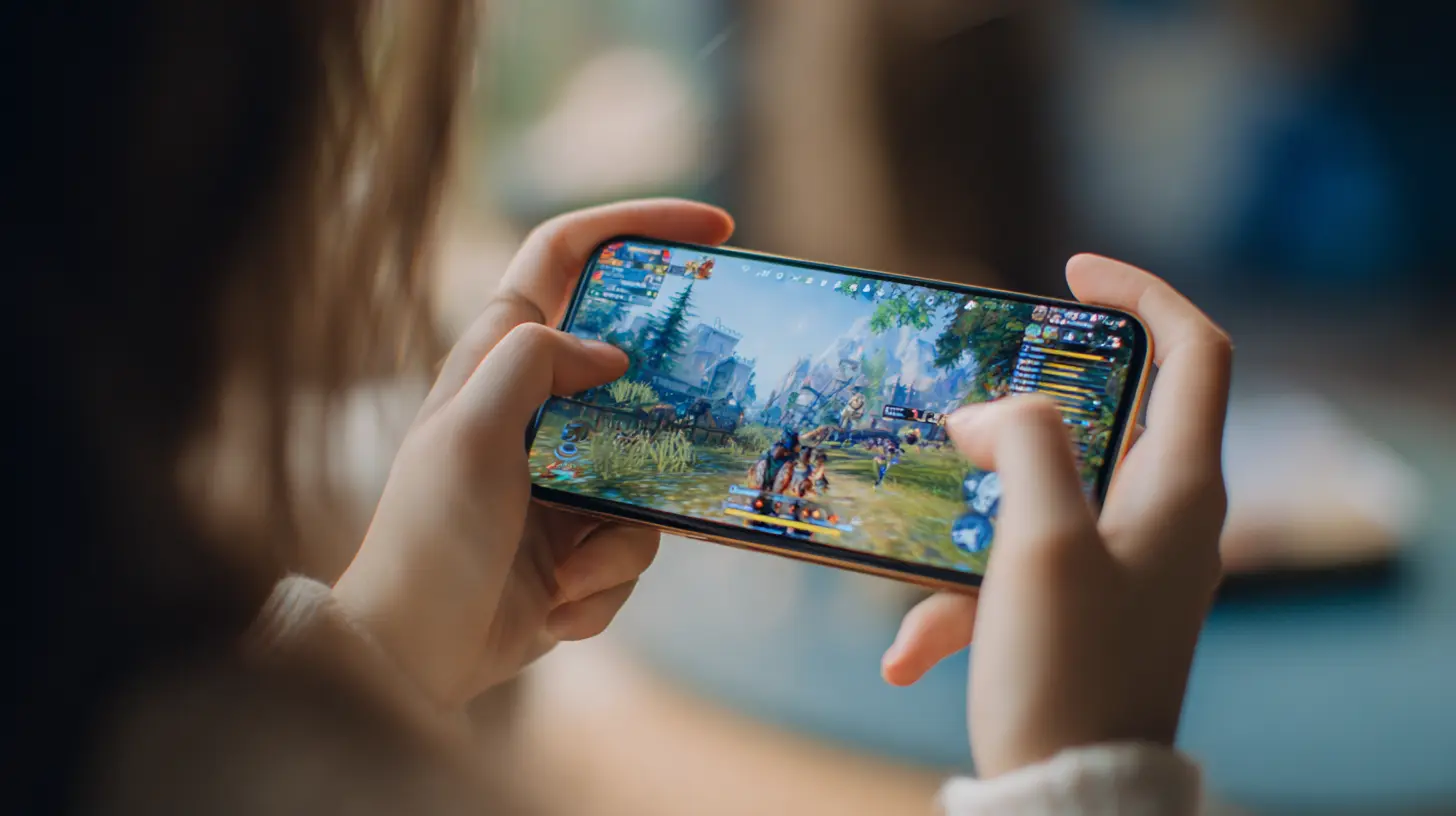
The economic engine behind mobile gaming is a masterclass in modern entertainment economics. The dominant model is free-to-play (F2P). You download the game for free. The barrier is zero. This is a marketer’s dream and a key reason for the scale mentioned earlier. Monetization comes from in-app purchases (IAPs)—cosmetics, battle passes, season passes, and sometimes convenience items.Why is this so powerful? It aligns developer success directly with player engagement and satisfaction. If a game isn’t fun, engaging, and regularly updated, people won’t spend. This creates a relentless drive for quality live service: new content, events, balance changes, and community management. Compare this to the traditional model: you buy a $70 game or a $15 movie ticket. The transaction is done. The creator’s incentive to keep you engaged beyond that is minimal.
By 2026, this F2P, live-service model will be even more refined, using AI to personalize experiences and offers. More importantly, the revenue will be staggering. The mobile gaming market already generates more revenue than the global film and North American sports industries combined. This river of money funds insane levels of production value, marketing, and innovation, pulling more talent and investment into the space and further widening the gap with traditional media.
Technology as the Catalyst: AR, Cloud, and Wearables
We can’t talk about 2026 without looking at the tech that will supercharge this dominance. Augmented Reality (AR): Pokémon GO* was just the opening act. As smartphone cameras and sensors improve, and as Apple’s Vision Pro and similar devices begin to seed the market, AR gaming will move from novelty to mainstream. Imagine turning your local park into a persistent fantasy battlefield or your coffee table into a cooperative strategy board game with friends remotely. Mobile AR will blend digital entertainment seamlessly with your physical world, creating uniquely personal experiences.
* Cloud Gaming: As mentioned, this is the great equalizer. It turns your phone into a universal gaming remote. The limitations of mobile chipsets become irrelevant. Subscription services like Netflix-for-games will thrive on mobile, offering vast libraries for a monthly fee. The convenience is unbeatable.
* Wearables Integration: Your smartwatch and fitness tracker won’t just be for health. They’ll provide haptic feedback, act as secondary displays, or tie game mechanics to real-world activity (imagine a RPG where your step count charges a special ability). The mobile gaming ecosystem will extend beyond the phone itself.
The Cultural Shift: Gaming as a Default Lifestyle
Ultimately, this is about a generational and cultural shift. For Gen Z and Alpha, interacting with screens is not a passive act; it’s an active, participatory, and social one. The default mode of digital leisure is interactive. Mobile gaming is the purest expression of this. It’s on-demand, social, interactive, and deeply integrated into daily life—in waiting rooms, on public transport, during lunch breaks, and on the couch at home.By 2026, the cohort for whom this is second nature will be the dominant consumer force. The stigma of “gaming” will have fully evaporated, seen as just another way to enjoy stories, compete, connect, and unwind—like watching TV or reading a book, but more engaging. Entertainment won’t be something you just watch; it will be something you do, and you’ll do it most often on the device that’s always with you.
Conclusion: The Pocket-Sized Colossus
So, why will mobile gaming apps lead entertainment in 2026? It’s the convergence of universal access, deepening content, powerful social connectivity, a virtuous economic model, and transformative technology. It’s entertainment that meets people where they already are—on their phones—and offers them more agency, more connection, and more variety than any other medium.The future of entertainment isn’t just on a bigger screen with better speakers. It’s in your hand, it’s connected, and it’s waiting for you to tap “play.” The throne is there for the taking, and mobile gaming isn’t just approaching it—it’s already sitting down. The rest of the entertainment world is just catching up to the fact that the king changed a long time ago.
all images in this post were generated using AI tools
Category:
Mobile ApplicationsAuthor:

Marcus Gray
Discussion
rate this article
2 comments
Zoey Scott
Mobile gaming apps will dominate entertainment by 2026 due to accessibility and innovation.
April 25, 2026 at 2:42 AM
Marcus Gray
I agree. Accessibility and continuous innovation are key factors driving growth in mobile gaming. It's exciting to see how this will reshape entertainment.
Indie Long
Fascinating perspective! It’s intriguing to ponder how mobile gaming will reshape entertainment by 2026. I’m eager to see how emerging technologies and user engagement will evolve this landscape!
April 23, 2026 at 4:54 AM
Marcus Gray
Thanks for your thoughts! It's exciting to imagine how mobile gaming will transform the entertainment scene. The next few years will surely bring some amazing changes.