Why Data Privacy Should Be a Major Concern for Gamers
8 May 2026
Let’s be real: gaming isn’t just a guilty pleasure anymore. It’s a lifestyle, a career path, even a social hub for millions of people. Whether you’re grinding to climb the leaderboard, streaming to thousands on Twitch, or just casually gaming after work, you’re part of a massive digital ecosystem. But here’s the kicker—when you're gaming, you're also sharing a lot of personal data. And that’s where things start to get a little dicey.
You might not think twice about logging into a new game, accepting the terms and conditions (without reading them, of course), or connecting your Google or Facebook account for quicker access. But every time you do, you’re handing over bits and pieces of yourself. And in today’s data-driven world, those bits and pieces are incredibly valuable.
So, yeah—data privacy should absolutely be a major concern for gamers. And in this article, I’ll break down exactly why that is, what risks are involved, and what you can do to protect yourself.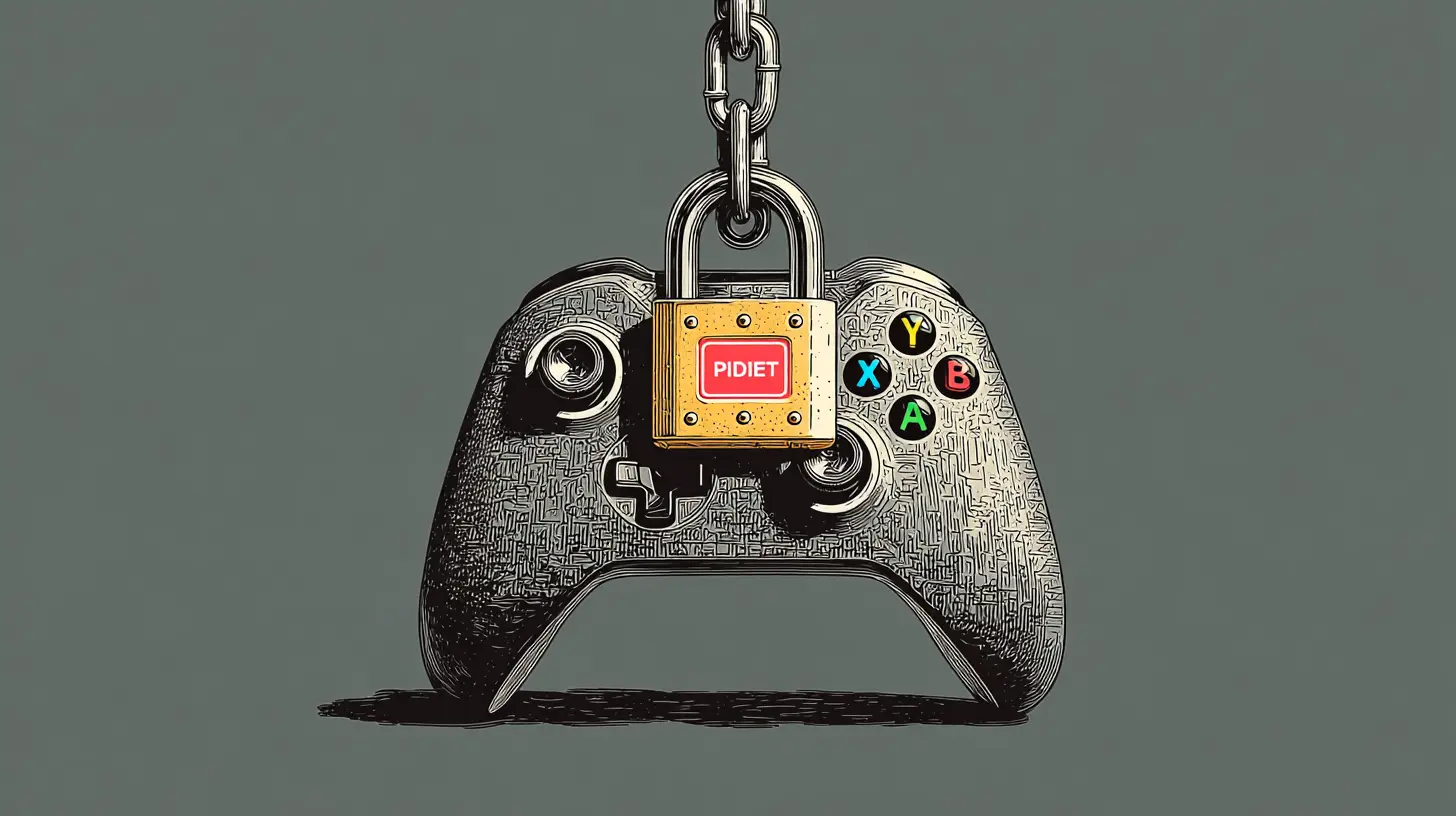
The Gaming World Is More Connected Than Ever
Try to remember the days when gaming was mostly offline—cartridges, memory cards, and maybe the occasional couch co-op. Fast forward to now, and it's a completely different universe. Online multiplayer, cloud saves, game launchers, voice chats, virtual marketplaces, and cross-platform accounts are the norm.Every one of these features relies on collecting, storing, and transferring user data.
Think about it:
- You create gaming accounts.
- You store payment info for in-game purchases.
- You share your location, age, and preferences.
- You sync your social media to find friends or save progress.
The modern gaming experience is deeply integrated with the internet—and that means gamers are living in a digital fishbowl.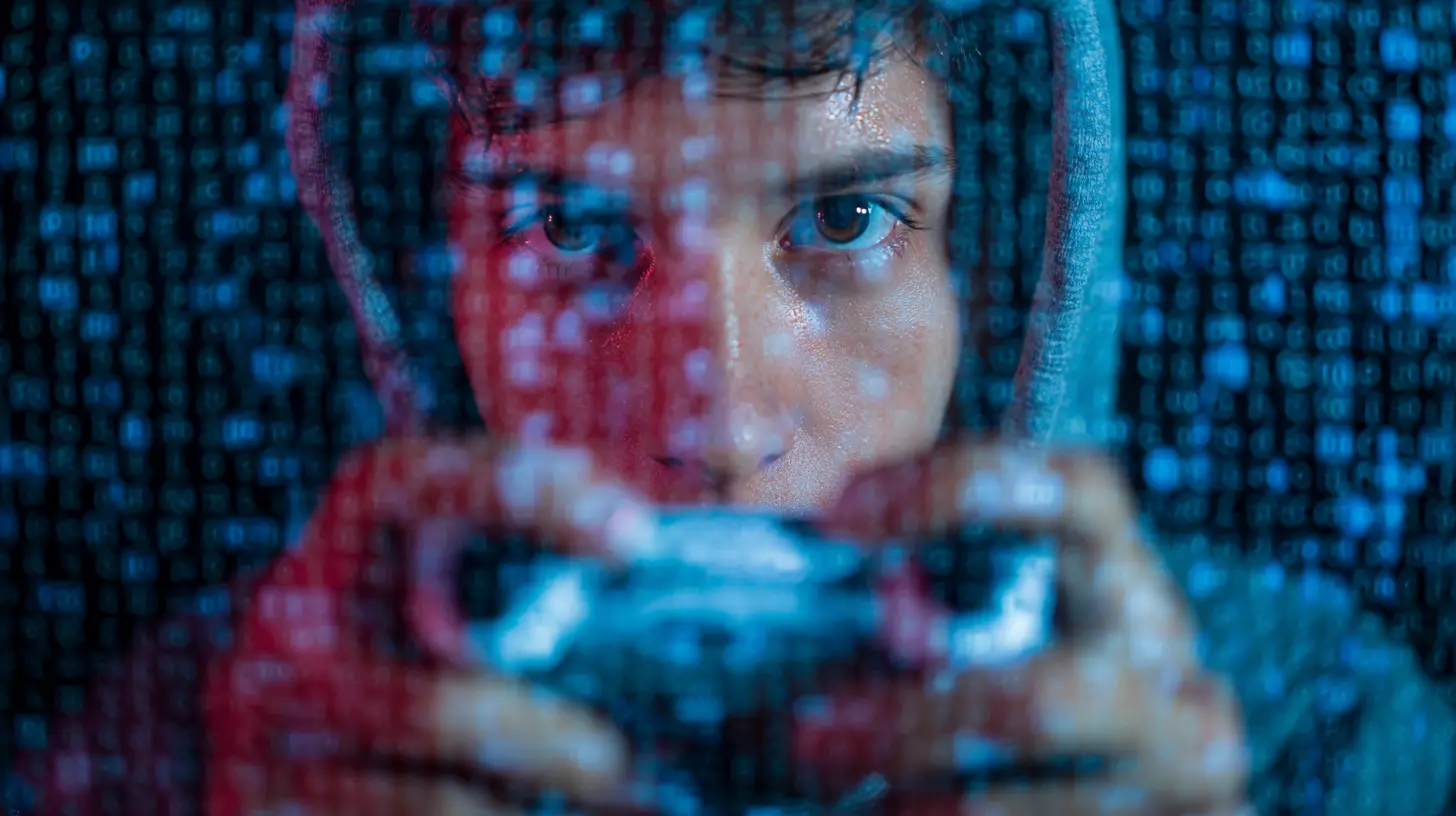
What Kind of Data Are Gamers Really Giving Away?
Let’s unpack what’s actually at stake here. Gamers often provide:- Personal Information: Name, email, gender, birth date, and sometimes even phone number or address.
- Payment Details: Credit card numbers, PayPal info, or bank details for purchasing games or in-game items.
- Behavioral Data: How long you play, what games you enjoy, your in-game actions, and even who you play with.
- Device Data: Your IP address, location, operating system, hardware specs, and sometimes voice or video data if you use in-game chat.
That’s not just data—that’s a digital DNA. And if it falls into the wrong hands, the consequences can be pretty ugly.
The Hidden Risks: Why You Should Care
“But I’m just a casual gamer—what’s the worst that could happen?”I hear that a lot. But here’s the thing: cybercriminals don’t care whether you’re a casual player or a pro streamer. Data is data, and it’s valuable no matter where it comes from.
1. Identity Theft
If someone gets access to enough of your personal information, they can impersonate you. Plain and simple. That could mean opening credit lines in your name, hacking your social media accounts, or even using your identity to scam others.2. Account Hijacking
Imagine grinding for months—or even years—only to lose your gaming account to a hacker. All your progress, purchases, skins, characters, and connections: gone in an instant. And let’s be honest, most game companies aren’t great at recovering lost accounts.3. Financial Loss
Stored credit cards and in-game wallets are juicy targets. Hackers and scammers can drain your funds faster than you can say, “Wait, what just happened?”4. Doxxing and Harassment
In multiplayer games, especially competitive ones, emotions run high. If someone gets hold of your real info—thanks to poor privacy protections—they can publicly expose your identity, address, and more. It’s not just a violation; it’s dangerous.5. Unwanted Tracking and Advertising
That “free” game you downloaded? It might be collecting your data to sell it to third-party advertisers. Ever wondered why you start seeing ads for strategy guides or gaming chairs right after playing a new game? That’s not a coincidence.
Kids and Teens Are Especially Vulnerable
Let’s talk about the younger crowd. Kids and teens love gaming—and honestly, who doesn’t at that age? But here’s the catch: they're way more likely to blindly accept terms, share personal info, and not recognize phishing attempts or shady behavior.Many kids use the same passwords across platforms or share access with friends. Others might click suspicious links sent in chats or fall victim to scammers promising free in-game currency.
If you’re a parent, guardian, or even just an older sibling, this should be a wake-up call. Teaching digital hygiene is just as important as teaching road safety these days.
The Privacy Policies You Never Read (But Should)
Be honest—when was the last time you actually read a game’s privacy policy?Yeah, I thought so.
They’re long. They’re boring. They’re filled with legal jargon. But they matter.
Those privacy policies outline:
- What data is collected
- How it's stored
- Who it's shared with (third parties, ad networks, etc.)
- How long it’s kept
Some games even admit to sharing data with dozens of partners. That means once your data is out, it's practically impossible to control.
Tip: Look for keywords like “sell,” “share,” “advertisers,” and “third-party analytics” when skimming these policies.
Real-World Examples of Gaming Privacy Fails
Just to make it real, here are a few examples where things went downhill fast:1. Fortnite Data Breach (2019)
A security flaw in Fortnite allowed hackers to take over player accounts without a password. Users reported unauthorized purchases and loss of access. Epic Games had to scramble to patch the issue.2. Facebook Gaming Apps Scandal
Facebook’s gaming platform collected massive amounts of data from users—and shared it with advertisers. Even third-party game developers had access to more data than they probably should have.3. Nintendo Account Breach (2020)
Over 160,000 Nintendo accounts were compromised. Hackers used the data to make unauthorized purchases and access personal details.If it can happen to major gaming corporations with top-level security teams, it can happen to anyone.
How to Protect Your Data While Gaming
Okay, I'm not here just to scare you. There’s good news: you can take steps to protect yourself.Let’s break down some effective, doable tips:
1. Use Strong, Unique Passwords
It sounds basic, but it’s your first line of defense. Use a password manager if you can’t keep track. Never reuse passwords across multiple platforms.2. Enable Two-Factor Authentication (2FA)
Most major gaming platforms now support 2FA. It adds an extra layer of security and makes it much harder for hackers to access your account.3. Be Mindful of Permissions
When a game asks for access to your microphone, camera, contacts, or location—ask yourself if it really needs it. If not, deny the request.4. Avoid Public Wi-Fi for Gaming
Public networks are a hacker’s playground. Use a VPN if you must connect on the go.5. Don’t Overshare in Chat
Whether it's voice chat or text, avoid revealing personal details. That friendly fellow guild member might not be so friendly after all.6. Regularly Check Your Account Activity
Look for any suspicious logins or transactions. The earlier you catch something, the better.The Role of Game Developers and Publishers
Gamers can’t shoulder the burden alone. The companies behind our favorite games need to step up. They must prioritize:- Transparent data collection practices
- Minimal data retention
- Strong encryption standards
- Regular third-party security audits
We need to start holding these companies accountable. And guess what? Voting with your wallet works. Support developers who take privacy seriously.
The Future of Gaming and Data Privacy
Gaming is only going to get more immersive. With the rise of VR, AR, and AI-driven NPCs, games are going to need even more data to offer hyper-realistic experiences.Imagine a VR game that tracks your eye movements and heart rate. That’s not sci-fi—it’s already happening.
So, the question becomes: how much are we willing to trade for convenience, immersion, and personalization? And where do we draw the line?
Final Thoughts: Be a Smart Gamer
Gaming is fun. It’s supposed to be an escape, a way to relax, compete, and connect. But in our hyper-connected world, it also comes with risks we can’t afford to ignore.So next time you log in, take a moment to think about your digital footprint. Be cautious. Be informed. And always guard your data like you would your high score.
Because at the end of the day, protecting your data isn’t just about security—it’s about keeping control of your digital identity in a world that’s constantly trying to trade it for convenience.
Stay safe out there, gamer.
all images in this post were generated using AI tools
Category:
Data PrivacyAuthor:

Marcus Gray
Discussion
rate this article
2 comments
Kenna McCarthy
Great article! Data privacy is super important for gamers. Protecting our personal info keeps the gaming experience fun and safe. Let's stay informed and safeguard our digital adventures!
May 21, 2026 at 10:54 AM
Marcus Gray
Thanks for the feedback! I'm glad you found the article insightful. Protecting our data is crucial for an enjoyable gaming experience. Let's keep the conversation going!
Kathleen Collins
Great points, essential topic!
May 19, 2026 at 4:41 AM
Marcus Gray
Thanks for your thoughts! I'm glad you found it essential.