The Rise of ARM-Based Processors: What You Need to Know
13 January 2026
If you’ve paid even a little attention to the tech world lately, you’ve probably heard about ARM-based processors making waves. From powering your smartphone to elbowing their way into laptops, desktops, and even servers, ARM chips are no longer just the brains behind mobile devices. They're rewriting the rulebook.
But what exactly is driving this seismic shift? Why are tech giants like Apple, Qualcomm, and even Amazon betting big on ARM? And most importantly—what does it all mean for you?
Let’s break it down, plain and simple.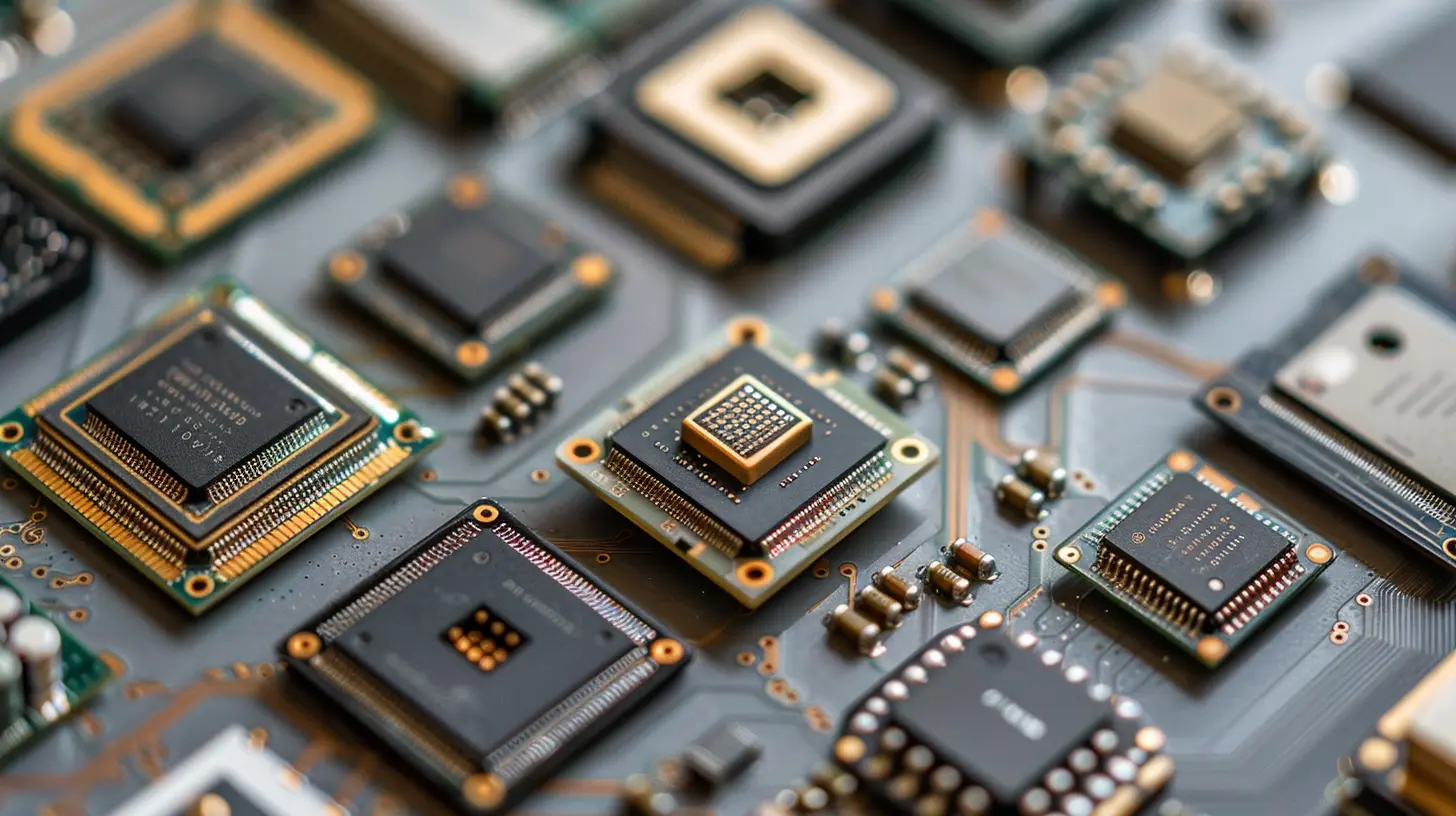
What Are ARM-Based Processors, Anyway?
Before we get carried away with all the buzz, let’s clarify what an ARM processor actually is.ARM stands for "Advanced RISC Machine", and it's a processor architecture rather than a specific chip. Unlike x86 (the architecture behind most Intel and AMD processors), ARM is built around a simpler instruction set. This simplicity makes ARM chips smaller, more efficient, and less power-hungry.
Think of ARM chips like fuel-efficient compact cars—they're not super flashy on their own, but they get the job done with much less energy. Perfect for mobile devices, right? Well, turns out, they’re getting turbocharged these days and stepping into some pretty surprising places.
Why ARM? What’s the Big Deal?
Let’s cut to the chase: ARM-based processors are growing fast because they’re fast, efficient, and scalable.Here’s why that matters:
- Power Efficiency
ARM chips sip power like it’s a fine wine. That’s gold in mobile devices where battery life is king, but it’s also becoming a big deal for laptops and even data centers where power = money.
- Customization
Companies can license ARM’s architecture and build their own custom chips on top of it. Apple’s M-series chips? ARM-based. Amazon’s Graviton server chips? Also ARM. This flexibility lets companies fine-tune their hardware to fit their needs like a glove.
- Thermal Advantage
Less power means less heat. Less heat means no need for big, noisy cooling systems. Slim, fanless laptops? Hello, ARM.
So yeah—ARM isn’t just about being small and cheap anymore. It’s evolved.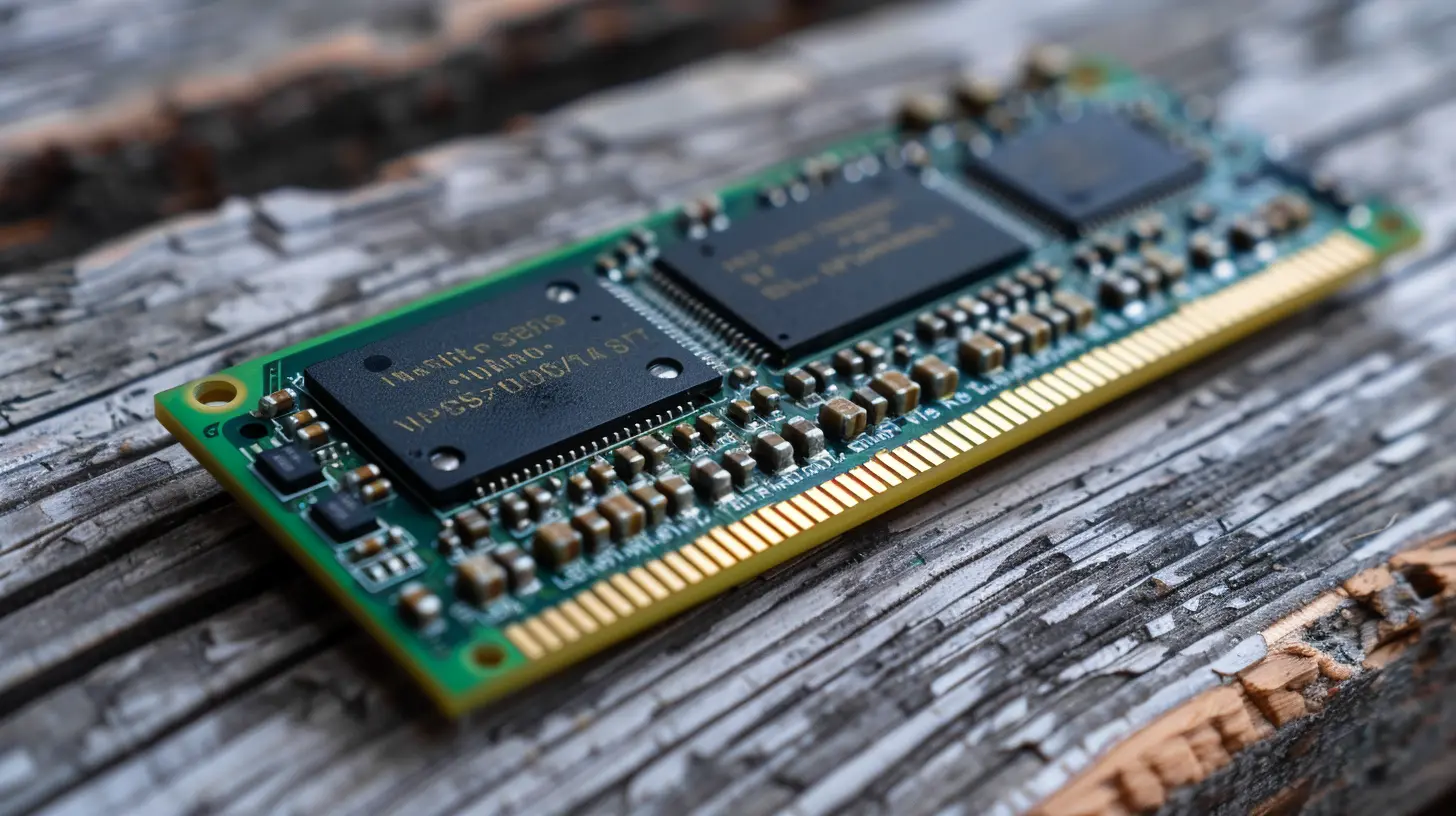
Apple and the M-Series: The Game-Changer
If there’s a moment that really put ARM on the map for general consumers, it’s when Apple ditched Intel and went all-in with their M1 chip in 2020.That move? Bold.
And it paid off. Big time.
The M1 (and its successors like the M2 and M3) brought massive performance gains and insane battery life to MacBooks and iMacs. These ARM-based chips weren’t just catching up to Intel—they were blowing past them in many benchmarks.
What’s wild is that Apple made the transition look almost effortless. Apps just worked. Performance went through the roof. And all of a sudden, those thin, quiet laptops were outperforming chunky gaming machines.
Apple’s ARM gamble redefined what we should expect from a computer. And other companies have taken notes.
Beyond Apple: ARM in the Wider World
It’s not just Apple riding the ARM wave.💡 Microsoft’s Surface and Windows on ARM
Microsoft has been experimenting with ARM for a while now. Windows on ARM was rough in the early days—think slow performance and compatibility issues. But it’s improving, especially with newer Qualcomm chips like the Snapdragon 8cx Gen 3.With Windows 11 and native app support expanding, ARM on Windows is slowly becoming a real option. Not quite mainstream yet, but gaining ground.
💡 Data Centers and the Cloud
You wouldn’t expect something that powers your phone to also power massive data centers, right? But ARM is making serious inroads here, too.Amazon’s custom Graviton processors are ARM-based and promise up to 40% better price-performance over traditional x86 chips for many workloads. That’s huge for companies looking to save on cloud computing costs.
ARM’s efficiency scales well, and in data centers, that means lower electricity bills and easier cooling. It adds up.
💡 Chromebooks, IoT, and More
From affordable Chromebooks to smart thermostats and even self-driving cars, ARM is everywhere. Its low power draw and small footprint make it perfect for embedded devices and the ever-growing Internet of Things (IoT).ARM isn't spreading—it’s practically flooding every corner of the tech ecosystem.
ARM vs x86: The Long-Running Rivalry
Okay, you might be thinking: so what’s the catch? Why is x86 still around? What’s the difference, really?Let’s break it down.
❌ x86 (Intel / AMD): The Old Guard
- Pros:- Incredible raw performance (especially in multi-core CPUs)
- Decades of software ecosystem support
- Dominant in gaming, heavy graphics, legacy apps
- Cons:
- Power-hungry
- Hot (literally needs fans the size of jet engines sometimes)
- Less flexible (you buy the chip as-is, no custom tweaks)
✅ ARM: The Agile Disruptor
- Pros:- Efficient power consumption
- Customizable for specific needs
- Scales from tiny microcontrollers to powerful laptop and server CPUs
- Cons:
- Still catching up in software support (especially in the PC gaming world)
- Requires developers to optimize apps for max performance
- Fragmentation can be a problem (so many versions, so many tweaks)
So neither is “better” across the board—it depends on your needs. But ARM is definitely punching up and landing blows.
The Challenges ARM Needs to Overcome
It’s not all smooth sailing for ARM, though.🤔 App Compatibility
You can’t just throw any x86 application onto an ARM chip and expect it to run perfectly. Emulation helps (think Rosetta 2 on Macs), but it’s still just a bridge. For full performance, apps need to be rebuilt for ARM.That’s happening more and more, but it’s still a work in progress.
🤔 Developer Fatigue
Because different companies customize ARM chips differently, it’s not always easy for developers to optimize a single app for “ARM.” They often have to tailor performance for Apple’s chips, Qualcomm’s chips, and other variants. That fragmentation slows things down.🤔 Gaming Support
PC gaming is still dominated by x86. Most games are optimized for Intel or AMD chips, and many don’t run natively on ARM (yet). Until that changes, serious gamers are sticking with traditional desktops.The Future Is ARM-Shaped
The writing’s on the wall: ARM isn’t just a mobile thing anymore. It’s gone mainstream.Apple has proven that ARM-based computers can be stunningly powerful and battery-friendly. Microsoft is working to close the gap in the Windows ecosystem. Data centers love the lower operating costs. And chip makers are in a full-out race to build the next big ARM breakthrough.
Here’s what we’re likely to see next:
- More hybrid ARM/x86 environments, with apps running across both
- Continued performance gains in ARM chips (think M3, M4, Snapdragon X-Elite)
- Better tooling and developer support to smooth out the platform divide
- A slow but real shift in enterprise computing toward ARM servers
ARM is still climbing, but it’s no longer just a niche player. It's the next big wave, and it’s building fast.
Should You Buy an ARM-Based Device?
If you’re in the market for a new laptop or desktop, should you go ARM or stick with x86?Honestly—it depends on your needs.
✅ Choose ARM (like Apple M-series or Snapdragon laptops) if:
- You want long battery life
- You use mostly modern apps or spend time in the cloud
- You care about sleek design, lower heat, and quiet performance
❌ Stick with x86 if:
- You’re a hardcore gamer
- You use specialized software that doesn’t yet support ARM
- You need maximum compatibility with old-school apps
That said, the gap is closing fast. And the day when most folks won't even think about “ARM vs x86” is probably closer than you think.
Final Thoughts
ARM-based processors are having a moment—and it’s turning into a full-on movement. From silent MacBooks that obliterate expectations to energy-saving data centers backing up your favorite cloud apps, ARM is rewriting what processors can (and should) do.Is x86 going extinct? Not yet. But its dominance is under serious pressure.
Whether you’re a developer, a business owner, or just someone who wants a better battery life on your laptop, ARM has something for you. And chances are, the next device you buy? It might just have an ARM beating at its heart.
all images in this post were generated using AI tools
Category:
Computer HardwareAuthor:

Marcus Gray
Discussion
rate this article
2 comments
Elin Gray
ARM-based processors are revolutionizing computing with efficiency and performance; a game-changer for diverse applications.
February 2, 2026 at 3:54 AM
Marcus Gray
Absolutely. ARM's blend of efficiency and performance is transforming how we approach computing across various fields. Exciting times ahead!
Dean McQuade
ARM-based processors are revolutionizing computing with efficiency and performance. As they gain traction in various devices, understanding their impact is crucial for tech enthusiasts and developers.
January 15, 2026 at 4:06 AM
Marcus Gray
Thank you for your insightful comment! Indeed, ARM-based processors are transforming the tech landscape, and their growing presence makes understanding their implications vital for both enthusiasts and developers.