The Moral Implications of AI in Human Enhancement
8 December 2025
Artificial intelligence (AI) is revolutionizing the way we live, work, and even think about ourselves. One of the most fascinating – and controversial – areas of AI development is human enhancement. From brain-computer interfaces to AI-powered prosthetics, we are entering an era where technology can not only repair deficiencies but also improve human capabilities beyond natural limits.
But with such incredible potential comes a weighty moral dilemma: Should we enhance ourselves with AI just because we can? What ethical boundaries must we consider? Let's dive into the moral implications of AI-driven human enhancement and what it means for the future of humanity. 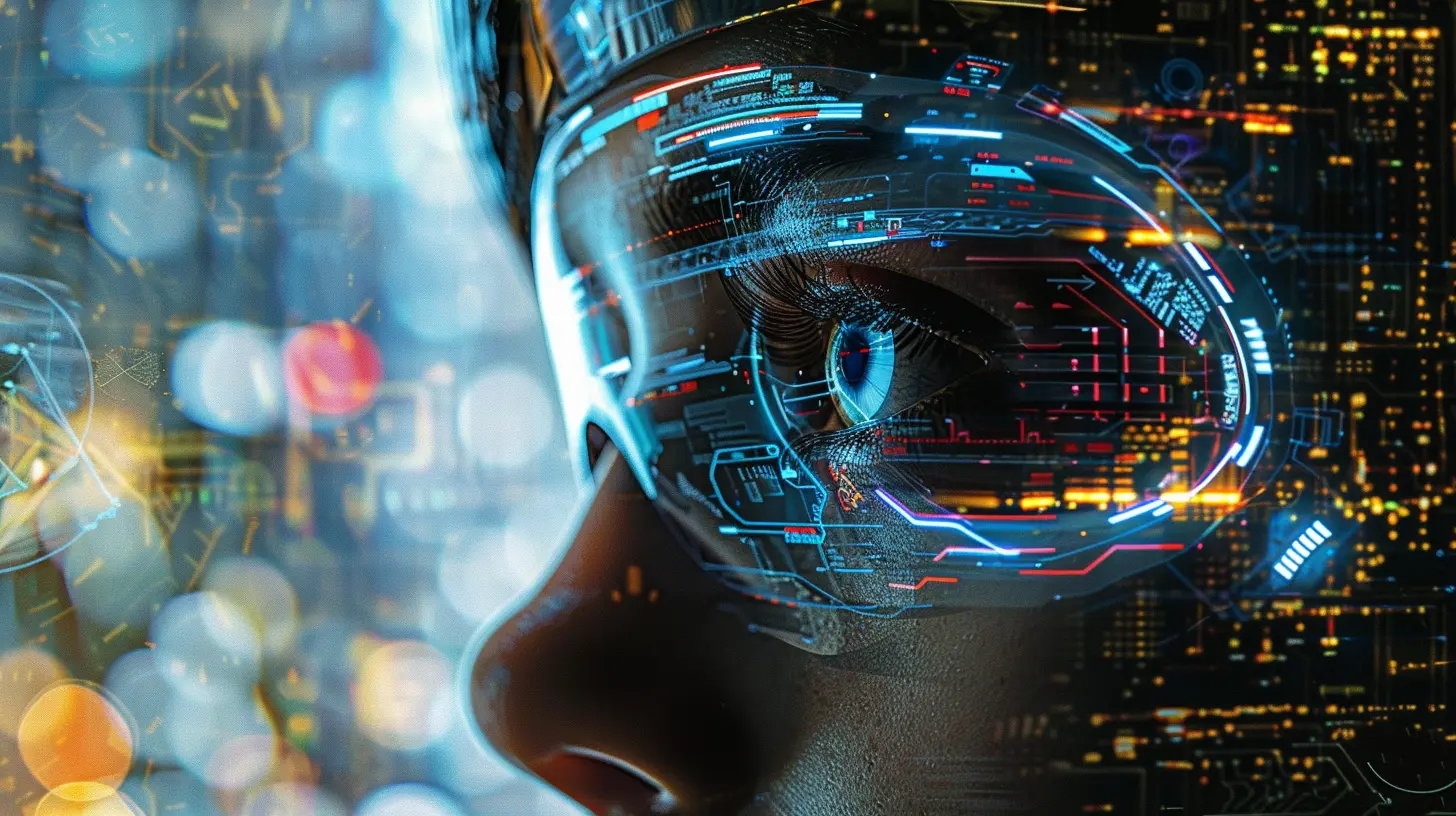
What Is AI in Human Enhancement?
Before we dive into the moral questions, let's get clear on what AI-driven human enhancement actually means. This field includes any technology that improves human abilities using artificial intelligence. Some common examples include:- Brain-computer interfaces (BCIs): Devices that connect your brain to a computer, allowing you to control technology with your thoughts.
- AI-powered prosthetics: Robotic limbs that use AI to move naturally and even provide sensory feedback to the user.
- Genetic enhancements: AI-assisted gene editing tools like CRISPR that could eliminate diseases—or enhance intelligence and physical traits.
- Neural implants: AI chips embedded in the brain to boost memory, cognition, or even emotional regulation.
At first glance, all of these sound like exciting advancements. But dig a little deeper, and you'll see why these technologies raise serious ethical concerns. 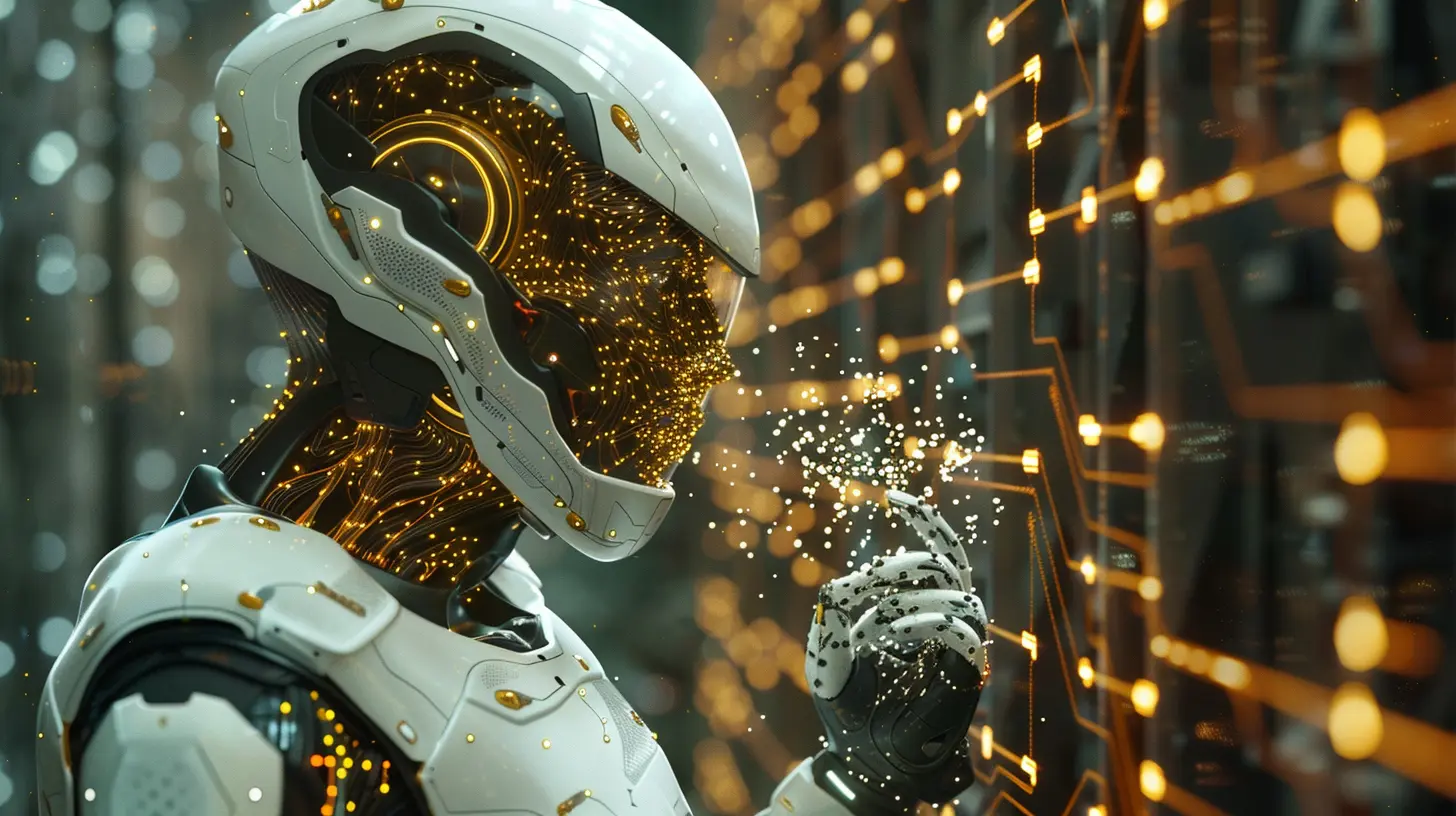
The Ethical Debate: Should We Be Enhancing Ourselves with AI?
The idea of AI improving humans isn't just about science and technology—it’s about morality, fairness, and what it means to be human. Here are some of the biggest ethical concerns at play:1. The Inequality Problem: Who Gets Enhanced?
Let's be real: cutting-edge technology isn't cheap. If AI-driven human enhancement becomes widely available, will it only be accessible to the wealthy? This raises a serious fairness issue.Imagine a world where those who can afford enhancements become significantly smarter, stronger, and healthier than the rest. Would this create a new class divide—"enhanced" versus "natural" humans? And if AI-enhanced individuals gain an overwhelming advantage in education, jobs, and even physical abilities, what happens to those left behind?
2. Loss of Human Identity: Where Do We Draw the Line?
When does human enhancement stop being an "enhancement" and start turning us into something entirely different? If AI chips can replace parts of our brain, are we still truly ourselves?Philosophers and ethicists have long debated what makes us human. Is it our biological nature, our consciousness, or something else? If AI can modify our thoughts, emotions, and memories, it forces us to ask: Are we playing with the essence of our humanity?
3. The Risk of AI Control: Who’s in Charge?
If an AI implant modifies how you think or feel, who controls it? What happens if corporations, governments, or hackers gain access to these implants?The idea of a company influencing your thoughts isn’t science fiction—it's a potential reality. If AI is altering human cognition, we need strict safeguards to ensure that people remain in control of their own minds. Otherwise, we could be walking straight into a dystopian nightmare where external forces manipulate our thoughts without us even realizing it.
4. The Slippery Slope of Genetic Enhancements
AI is already being used in gene editing, helping scientists identify and remove genetic diseases. But what if we start enhancing intelligence, athletic ability, or even personality traits?This raises an uncomfortable question: Would we be creating "designer humans"? If parents can choose their child’s intelligence level or physical abilities, does that undermine the value of natural diversity? And more importantly, who decides what is considered an "improvement"?
These ethical questions aren’t easy to answer, but they are essential before we go too far too fast. 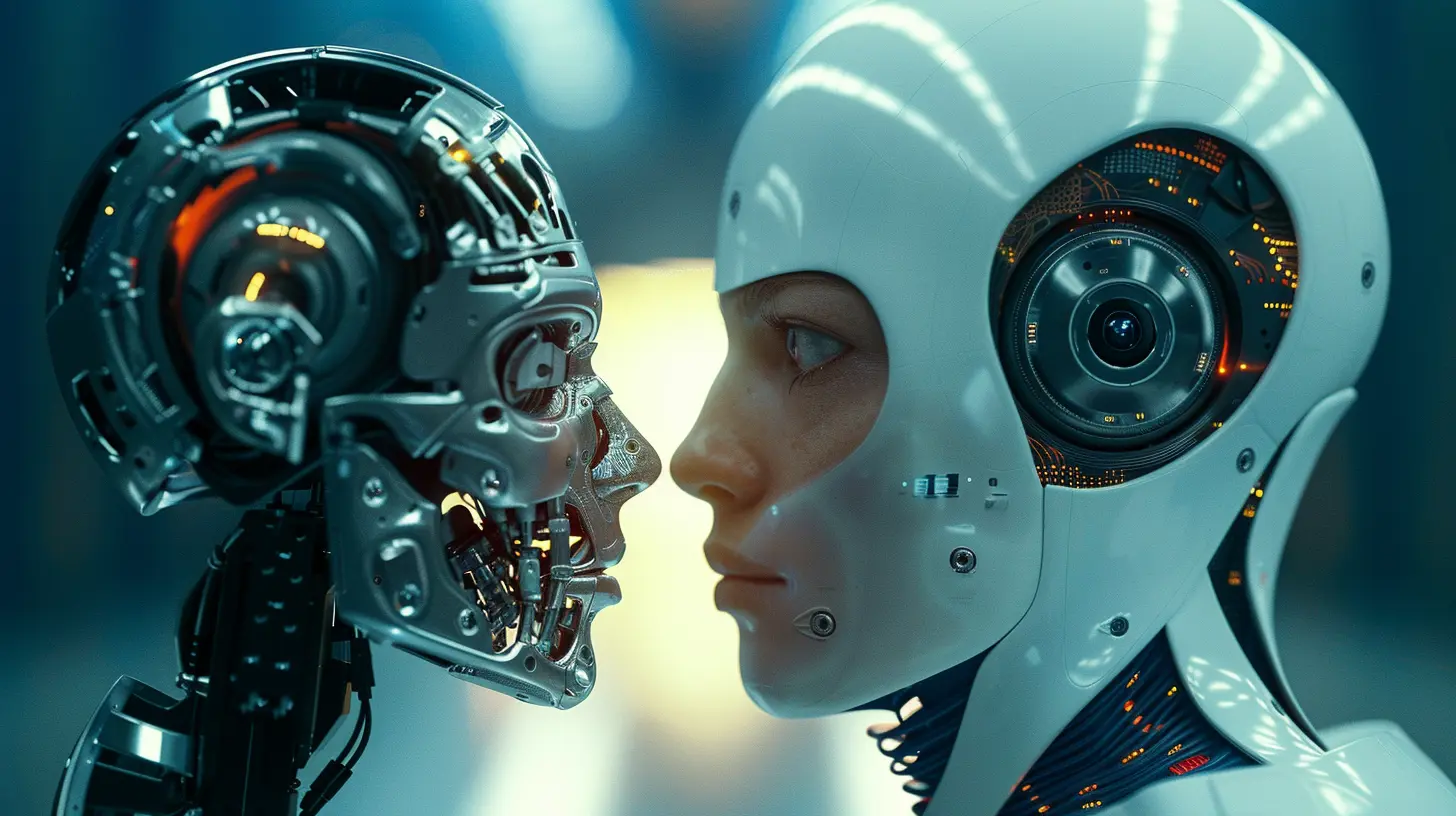
Potential Benefits: Can AI Enhance Humanity for the Better?
Despite the moral concerns, AI in human enhancement isn’t all bad. In fact, it has the potential to improve lives in extraordinary ways.1. Restoring Abilities to the Disabled
For people with disabilities, AI-driven prosthetics and brain-computer interfaces could offer life-changing independence. Imagine someone who is paralyzed being able to walk again using AI-assisted exoskeletons or a stroke victim regaining speech through neural implants.2. Eliminating Genetic Diseases
AI-assisted gene editing could help eliminate hereditary diseases like cystic fibrosis and sickle cell anemia. If used responsibly, this technology could relieve millions of unnecessary suffering.3. Enhancing Cognitive Abilities for Learning
What if AI could boost memory and learning capabilities for students and professionals? AI-driven brain enhancements could help us learn faster, retain more information, and even solve complex problems more efficiently.4. Tackling Mental Health Issues
AI-enhanced neural implants could potentially help people struggling with depression, anxiety, or PTSD by regulating brain activity. While still a developing field, this could revolutionize mental health treatment for those who have not responded to traditional therapies.The key to unlocking these benefits lies in responsible and ethical application. 
The Road Ahead: Finding the Balance Between Progress and Ethics
So, how do we embrace AI-driven human enhancement while respecting ethical boundaries? Here are some ways forward:1. Strong Ethical Regulations
Governments and regulatory bodies must work together to create clear guidelines for AI in human enhancement. This includes setting limits on how far enhancements can go and ensuring they are accessible to all, not just the elite.2. Ethical AI Development
Tech companies and researchers should prioritize ethical considerations when developing AI enhancements. Transparency, accountability, and the prevention of misuse must be at the core of innovation.3. Ensuring Human Autonomy
No matter how advanced AI enhancements become, humans must always remain in control. AI should never override free will or manipulate human thoughts and emotions without consent.4. Public Awareness and Discussion
We can't leave these decisions solely in the hands of scientists and governments. As a society, we need to engage in ongoing discussions about the moral implications of AI-driven human enhancement. The more informed we are, the better equipped we’ll be to decide what kind of future we want.Final Thoughts
AI-driven human enhancement is one of the most exciting—and controversial—frontiers of technology. It offers the potential to cure diseases, restore lost abilities, and even enhance human intelligence. But at what cost?If we rush into AI enhancements without thinking through the ethical consequences, we could end up in a world where inequality skyrockets, human identity is redefined, and powerful entities control our very thoughts.
The moral implications of AI in human enhancement are not black and white. Instead, they require careful thought, regulation, and, most importantly, a commitment to using technology to benefit all of humanity—not just a privileged few.
As we stand on the brink of this technological revolution, one thing is clear: Just because we can enhance ourselves with AI doesn't always mean we should. The challenge lies in finding the right balance between progress and ethics, ensuring that we enhance not just individuals but humanity as a whole.
all images in this post were generated using AI tools
Category:
Ai EthicsAuthor:
Marcus Gray
Discussion
rate this article
2 comments
Rosanna McCarron
AI in human enhancement? Sounds like a plot twist in a sci-fi movie! Just remember, if my brain implants start suggesting pineapple on pizza, we might need to pause for a moral intervention. Let’s keep our enhancements tasty, folks!
December 21, 2025 at 11:56 AM
Marcus Gray
While the prospect of AI in human enhancement raises fascinating possibilities, your point about maintaining our personal choices is crucial. Balancing innovation with ethics is essential to ensure enhancements enrich, rather than dictate, our lives.
Maisie Ellison
Is enhancing humans with AI like upgrading your phone? Just be careful not to download the 'dunce' update—no one wants that!
December 12, 2025 at 4:41 AM
Marcus Gray
That's an intriguing analogy! While enhancing humans with AI can offer benefits, it's crucial to navigate the ethical implications carefully to avoid unintended consequences, much like one would avoid a poor software update.