Educational Robots: Teaching the Next Generation of Innovators
14 December 2025
Walk into any modern classroom today and you might spot something new buzzing around—a small, colorful robot engaging students in a way chalkboards never could. Yep, educational robots are no longer just futuristic toys—they’re transforming the way kids learn, think, and solve real-world problems. 🚀
From teaching coding to developing critical thinking skills, educational robots are redefining what it means to prepare future innovators. But how did we get here? And why are these bots becoming a classroom favorite?
Let’s dive deep into the world of educational robots and unpack why they might just be the secret weapon for teaching the next generation of problem-solvers.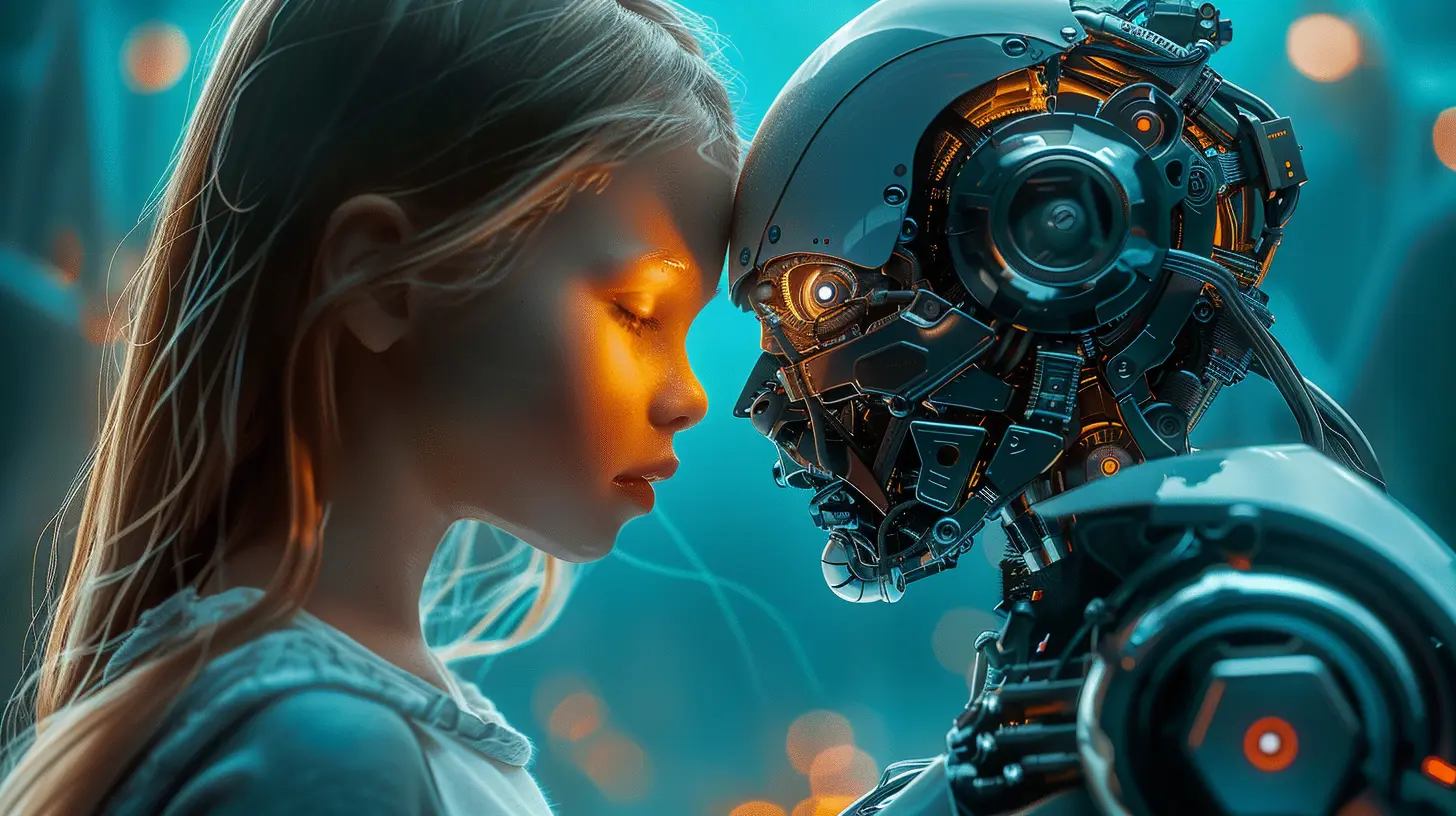
What Exactly Are Educational Robots?
Okay, first things first—what even is an educational robot?In the simplest terms, educational robots are tools or programmable machines designed to help students learn. They range from basic robot kits like Bee-Bots (ideal for pre-K learners) to advanced programmable robots like LEGO Mindstorms or VEX Robotics, which even high schoolers and college students geek out over.
But they’re not just about building and moving. They act as hands-on learning tools to develop logical reasoning, teamwork, computational thinking, and much more. Think of them like interactive textbooks that move, speak, and react.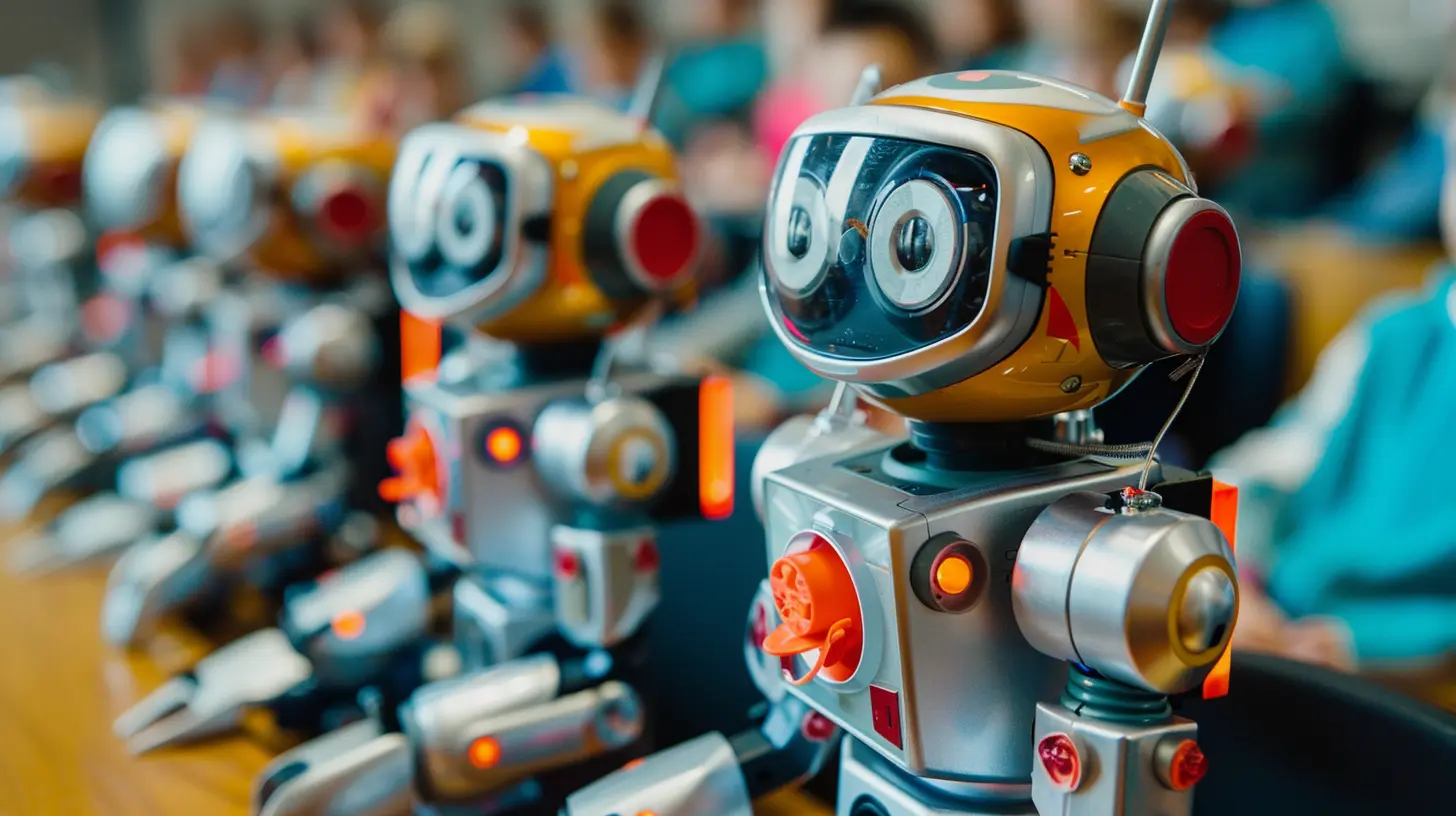
Why Robots in Education? Seriously, Why Not Just Books?
You're probably wondering: “Can't kids just learn all this from books or computers?” Sure, traditional learning isn’t going away anytime soon. But educational robots bring something else to the table—engagement.Let’s face it: kids have shorter attention spans today. But give them a robot they can control or build, and boom—they’re hooked! That sense of ownership and interaction creates a powerful learning loop. It’s like sneaking in veggies into a pizza. Kids think they’re just having fun, but they’re learning core STEM concepts with every command they write.
The Core Benefits of Educational Robots
1. 💡 Boosting STEM Learning
One of the biggest wins when it comes to educational robots is how they promote STEM (Science, Technology, Engineering, and Math). These bots make abstract concepts feel real. Instead of just reading about algorithms, students can actually see them in action. It’s the kind of “aha!” moment teachers live for.2. 🔁 Encouraging Trial and Error
Mistakes? Robots love 'em. They teach students that failure isn't the end—it's part of the process. If a robot doesn't move the right way, it’s a chance to debug and problem-solve. Every failed command becomes an opportunity to learn and iterate.3. 🌍 Preparing for the Real World
Here’s the thing—robots aren’t just classroom novelties. They prepare students for real-world careers. Whether it’s engineering, AI development, or automation, the skills kids pick up programming robots can translate straight into tech jobs of the future.4. 🤝 Teaching Teamwork and Collaboration
Most robot challenges are collaborative. That means students have to work together, share ideas, and sometimes even deal with differences in opinion. It mirrors the real world, where innovation almost always takes a team.5. 🕹️ Making Learning Fun Again
Let’s be honest—when learning is fun, it just sticks better. Educational robots turn complex subjects into approachable, gamified adventures. Kids don’t even realize they’re learning half the time.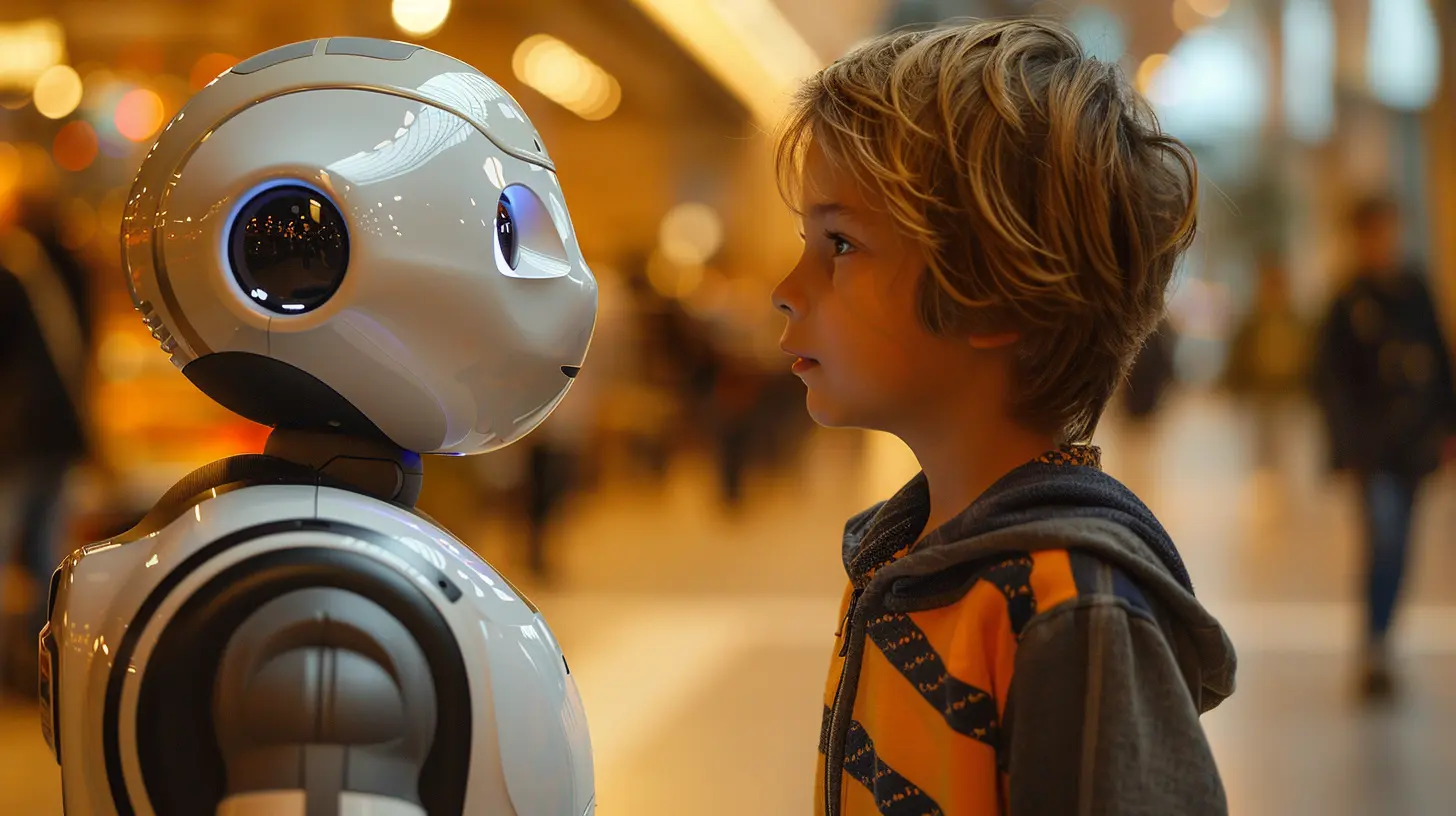
Types of Educational Robots in the Market
There’s a crazy variety of educational robots out there, each designed with a specific age group and learning objective in mind. Here are some of the popular ones:1. Bee-Bot (Ages 3-7)
Simple, friendly, and adorable. Kids press buttons on the back to control its movement. It’s perfect for teaching basic sequencing and spatial awareness.2. Dash and Dot (Ages 6-12)
These come with a suite of apps and sensors. Students can use block-based coding (via apps like Blockly) to control them. Great for introductory STEM lessons.3. LEGO Mindstorms / LEGO SPIKE Prime (Ages 10+)
These let students build robots using LEGO parts and program them using drag-and-drop or even Python. Excellent for transitioning from visual to text-based coding.4. Sphero BOLT / SPRK+ (Ages 8+)
Robotic balls that can be coded to move, light up, and display data. They’re waterproof and rugged—hello, outdoor STEM challenges!5. VEX Robotics (Middle School to College)
Geared for more advanced learners, VEX introduces sophisticated engineering and coding concepts. It's the go-to for robotics competitions.How Robots Are Changing the Classroom
Let’s zoom in on the teachers for a second. When educational robots step into the classroom, they don’t replace teachers—they empower them.Here’s how robots shake up traditional teaching:
- Interactive Lessons: Instead of passive lectures, students participate actively. Robots execute programs written by students—immediate feedback in action.
- Cross-Disciplinary Projects: Want to combine math, arts, and science? Build a robot-themed theater production or an autonomous music player.
- Data-Driven Learning: Robots can track how they’re used, offering insights into student progress over time.
- Inclusivity: With the right tools, even students with learning disabilities can interact and learn in ways books sometimes limit.
The Role of Coding in Educational Robotics
Let’s talk code. Because honestly, this is where the magic happens.With educational robots, coding isn’t just a theoretical skill—it’s tangible. Children issue commands and immediately see their code in action. And thanks to block-based platforms like Scratch and Blockly, kids don’t need to dive into complex syntax right away. They start with visual logic that builds a strong foundation before transitioning into real-world languages like Python, JavaScript, or C++.
Pretty awesome, right?
Are Robots Replacing Teachers? Nope. Not at All.
This is a common question: “Are educational robots replacing teachers?” The short answer? Absolutely not.Robots are tools, not teachers. They don't grade papers, inspire curiosity, or manage emotional needs. What they do is support the learning process—bringing concepts to life and giving teachers new ways to engage students.
Think of it like this: a robot is the paintbrush, and the teacher is the artist guiding its use.
How Parents Can Get Involved at Home
And let’s not forget about home learning. Thanks to kits and platforms now available at consumer-friendly prices, kids can continue learning about robotics outside the classroom. Parents don’t need to be tech experts either.Here’s how you can support your child’s adventure into robotics:
- Encourage tinkering and curiosity over perfection.
- Join in the learning—trust me, it’s fun!
- Set up a “maker space” at home with basic tools and robotics kits.
- Celebrate both wins and failures as learning milestones.
What’s the Future of Educational Robots?
We’re just scratching the surface.As AI and robotics continue to evolve, so will their role in education. Expect smarter robots that can adapt to individual learning styles. Augmented reality might be paired with robots to create immersive learning environments. There’s even the possibility of virtual tutors powered by robots with emotional intelligence.
But one thing’s clear—robots aren’t a passing trend. They’re here to stay, and they’re ushering in a new age of education that’s dynamic, inclusive, and future-ready.
Barriers We Still Need to Overcome
Of course, it’s not all smooth sailing. A few hurdles stand in the way:- Cost: High-tech robots can be expensive, making them inaccessible to underfunded schools.
- Teacher Training: Not all teachers are equipped to use robots effectively. Ongoing professional development is key.
- Curriculum Integration: Just tossing a robot into a class isn’t enough. Thoughtful planning is needed to align usage with learning outcomes.
Until these challenges are addressed, the tech divide could widen instead of shrink.
So, Are Educational Robots Worth It?
If you’ve made it this far, you probably know where we stand. 100% yes—educational robots are worth it. They're more than buzz-worthy gadgets. They’re tools that make learning stick, spark curiosity, and gear kids up for the challenges of tomorrow’s workforce.In a world where automation and AI are becoming the norm, we need to prepare kids to become not just users of technology, but creators and innovators.
So the next time you see a mini-robot whizzing past in a classroom, smile. Because it might just be building the next Elon Musk—or better yet, someone who wants to change the world in their own unique way.
Final Thoughts
Educational robots aren’t about teaching kids to program machines—they’re about teaching them to think, to question, to innovate, and to never stop exploring.And in a world that’s changing faster than we can keep up, that might be the most important lesson of all.
all images in this post were generated using AI tools
Category:
RoboticsAuthor:

Marcus Gray
Discussion
rate this article
2 comments
Raegan Lee
Who knew robots could be such great teachers? Future innovators, get ready to learn from your new metal mentors!" 🤖✨
December 24, 2025 at 7:32 PM
Marcus Gray
Absolutely! Robots are revolutionizing education, making learning more interactive and engaging for future innovators. Exciting times ahead! 🤖✨
Selene Thomas
This article beautifully highlights the transformative role of educational robots in fostering creativity and innovation among young learners. It's inspiring to see how technology can empower the next generation and ignite their passion for STEM fields. Great read!
December 14, 2025 at 4:17 AM
Marcus Gray
Thank you for your kind words! I'm glad you found the article inspiring and appreciate your support for educational robots in nurturing creativity and innovation in young learners.