The Impact of AI on Everyday Conversations
18 June 2026
You know that moment when you're talking to a friend, and they suddenly stop mid-sentence, staring at their phone? They're not ignoring you. They're probably asking an AI chatbot if pineapple belongs on pizza. Or worse, they're using it to craft a reply to your last text. That's the world we live in now. Artificial intelligence has slid into our everyday conversations like that one friend who always has a better comeback. It's here, it's helpful, and honestly, it's a little weird.
I'm not talking about robots taking over the world. I'm talking about the small, awkward, and sometimes hilarious ways AI has changed how we talk to each other. From autocorrect turning "I'll be there soon" into "I'll be a bear soon" to voice assistants mishearing your dinner plans, AI is rewriting the script of human interaction. And we're all just trying to keep up.
Let's be real: we've all had that moment where we type a message, pause, and then ask an AI tool to make it sound smarter. "Hey, can you rephrase this so I don't sound like a robot?" The irony is thick enough to spread on toast. But here's the thing: AI isn't just a tool for writing emails. It's reshaping the very fabric of how we connect, argue, flirt, and even apologize.
The Autocorrect Apocalypse
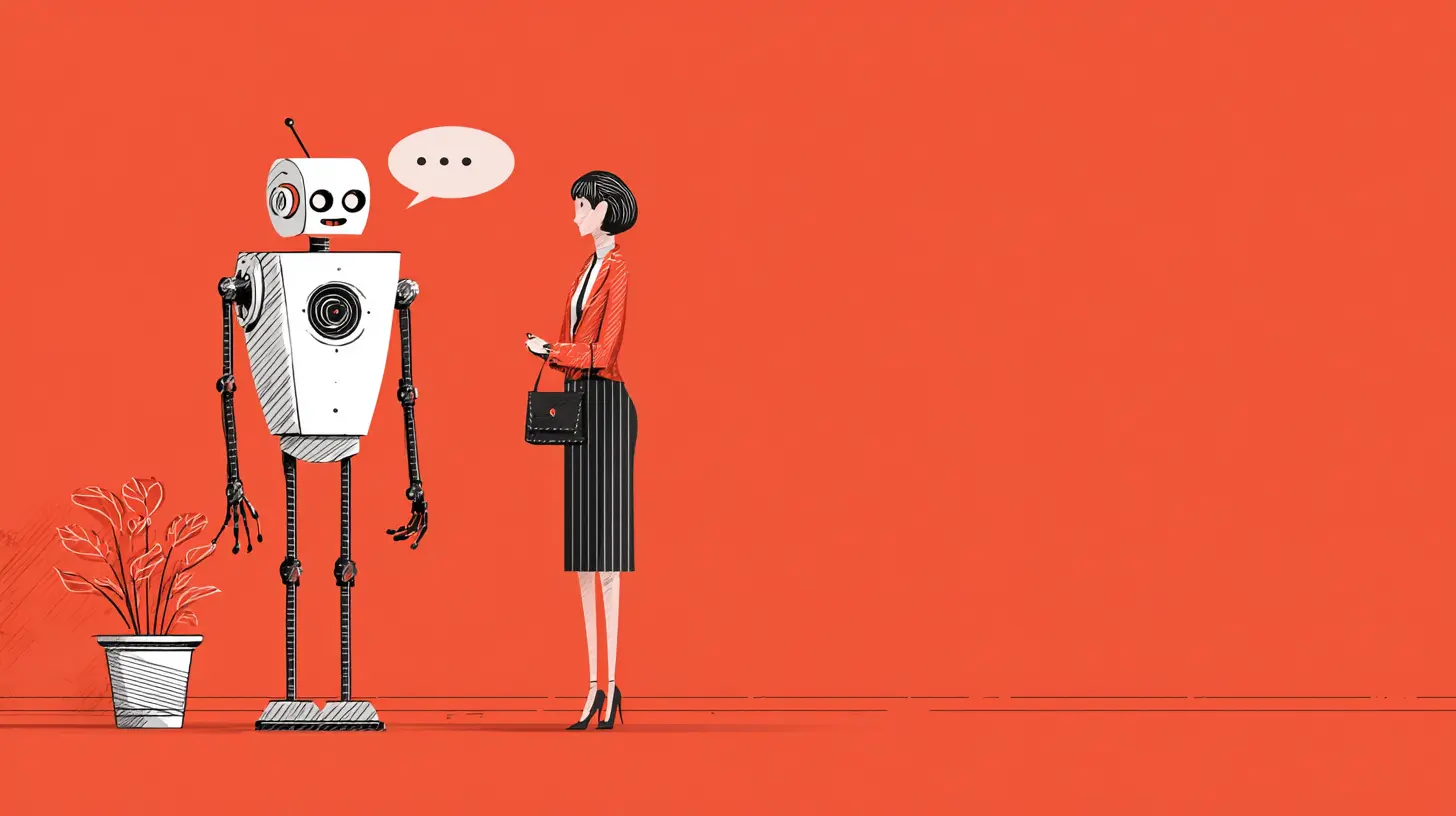
Remember when autocorrect was a simple thing? It fixed your typos. Now it's a full-on language police officer with a sense of humor. You type "I'm going to the store," and it changes it to "I'm going to the stove." Suddenly you're explaining to your partner that you're not planning to cook yourself. This isn't just annoying. It's a conversation killer.But here's the kicker: autocorrect learns from you. So if you type "ugh" a lot, it starts suggesting that. If you swear in texts, it picks up those words. It's like having a parrot in your pocket that repeats everything you say, but only the embarrassing parts. And when you're trying to have a serious conversation, like apologizing for forgetting an anniversary, autocorrect will turn "I'm sorry" into "I'm a sorcerer." Now you're not just in trouble. You're in a fantasy novel.
The real impact? We've become reliant on this little digital nanny. We trust it to fix our mistakes, but it often creates new ones. And those mistakes become the new normal. We laugh, we correct, and we move on. But the conversation has already been hijacked by a machine that thinks "duck" is a better word than "f*."

The Voice Assistant Interruption
Picture this: you're having a deep talk with a friend about life, the universe, and whether hot dogs are sandwiches. Suddenly, your smart speaker pipes up: "I found a recipe for hot dog casserole." You didn't ask for that. Nobody asked for that. But there it is, inserting itself into your personal moment like a nosy neighbor.Voice assistants like Siri, Alexa, and Google Assistant have become the third wheel in millions of conversations. They hear a trigger word-say, "Alexa" or "Hey Siri"-and they're all ears. And they usually misunderstand. You might say, "I need to pick up some milk, Alexis." Suddenly, the assistant thinks you're talking to it and starts reading the weather forecast for Iceland. Now you're stuck explaining to your friend that no, you don't need a parka, you just need dairy.
This isn't just annoying. It changes the rhythm of human interaction. You start self-censoring. You avoid saying certain words because you know the robot will jump in. You whisper around your phone. You become hyper-aware of your own speech. And that's a weird thing. A conversation that used to flow naturally now has a gatekeeper. It's like trying to have a heart-to-heart in a library while a librarian keeps shushing you.
The Text Message Ghostwriter
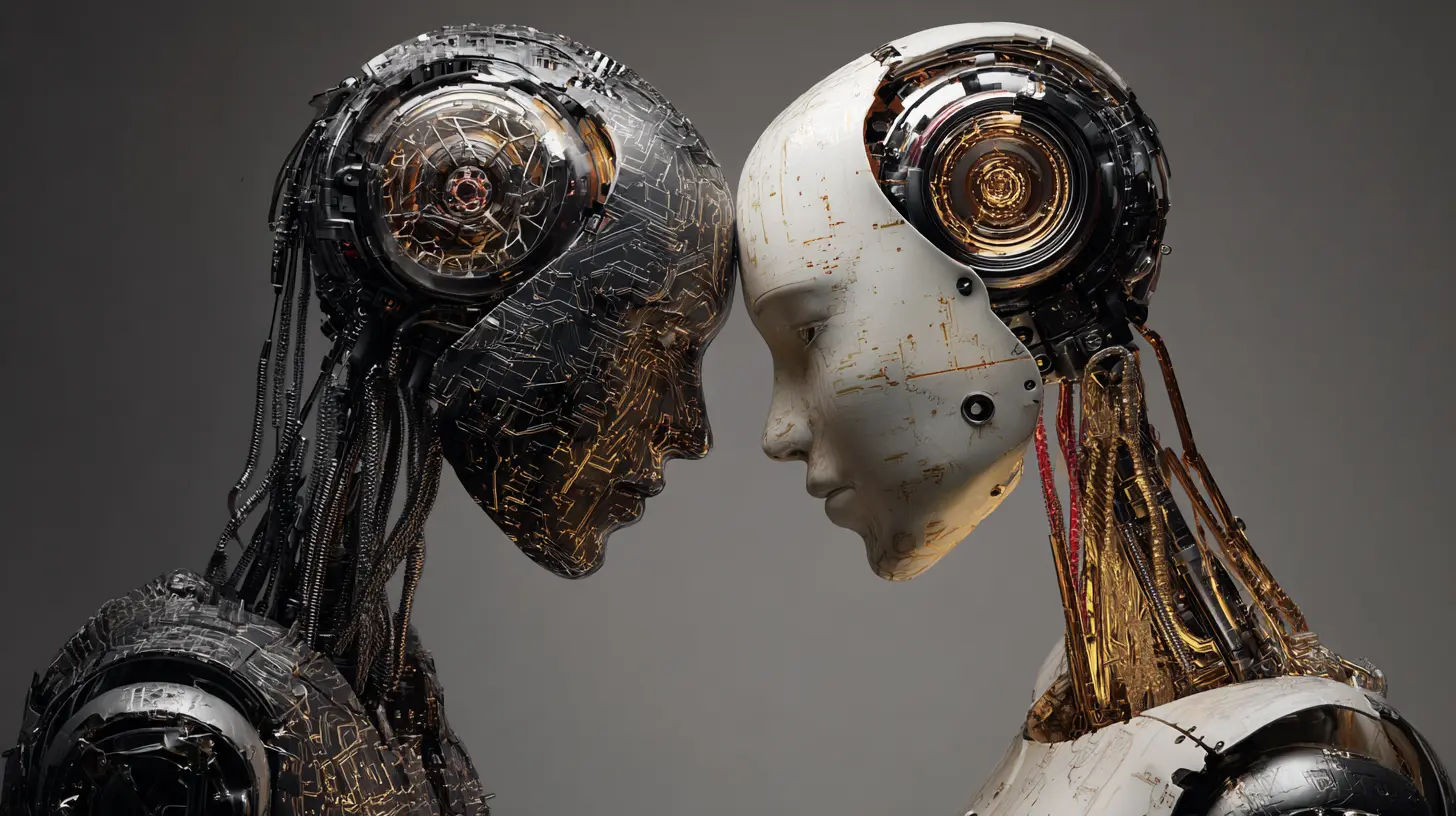
I'll admit it: I've used AI to write a text. Not a long one. Just a quick "Sorry I'm late, traffic was a nightmare." But I typed it into a chatbot first. Why? Because I wanted it to sound sincere without being whiny. That's the new normal. We're outsourcing our emotional labor to a machine.Think about that. You send a breakup text, and you used an AI to draft it. Or you write a thank-you note, and you asked for help with the tone. It's efficient, sure. But it also removes the human touch. The recipient might sense something's off. They might wonder why your message sounds like a press release. And you're left wondering if you even meant it.
On the flip side, AI can help people who struggle with social cues or language barriers. For someone with anxiety, using an AI to craft a message can be a lifeline. It's like having a coach in your pocket. But it also creates a weird feedback loop. You start trusting the machine more than your own instincts. You second-guess every word. And before you know it, you're not talking to people anymore. You're talking to a bot that talks to people for you.
The Art of the AI-Assisted Argument
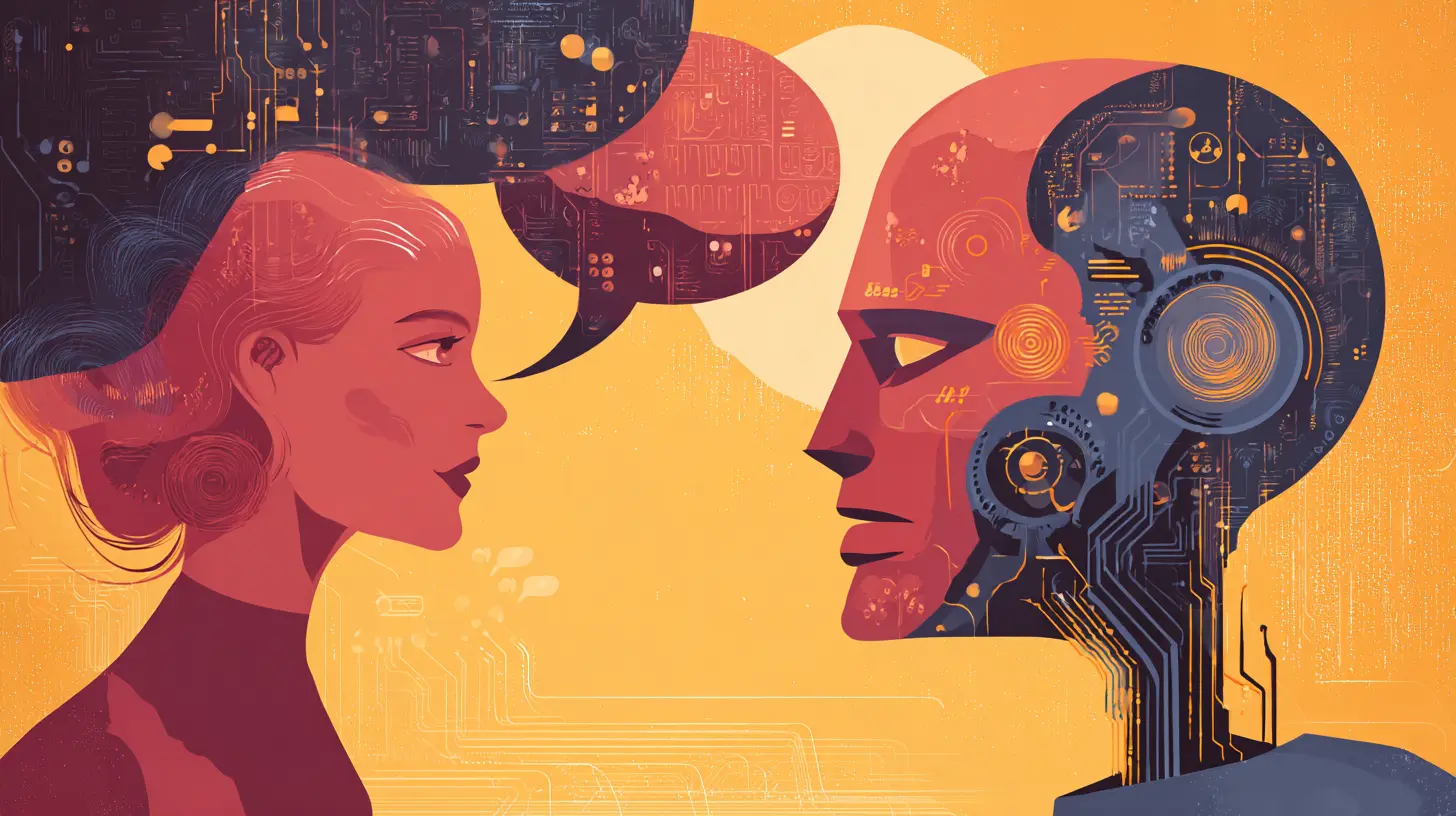
Arguments are messy. They're full of emotion, miscommunication, and the occasional "You know what I mean!" But now, we have AI tools that can analyze arguments. They can tell you if you're being too aggressive or too passive. They can suggest better phrasing. I've seen couples use AI to mediate a fight. They type their grievances into a bot, and it spits out a neutral version. "I feel hurt when you leave dishes in the sink" becomes "We might benefit from a shared cleaning schedule."That's useful. But it's also weird. You're not really talking to each other. You're talking through a translator. And the translator has no empathy. It just rearranges words. So you end up with a perfectly phrased apology that feels hollow. It's like getting a Hallmark card with a printed signature. The words are right, but the heart is missing.
And let's not forget the dark side. People use AI to gaslight. They generate fake texts that look real. They create evidence of conversations that never happened. It's a new kind of weapon in the arsenal of bad actors. So now, when you have an argument, you can't even trust the record. You have to wonder if that screenshot is real or AI-generated. That's a conversation killer.
The Flirtation Bot
Flirting is already awkward. Add AI to the mix, and it becomes a minefield. You're at a bar, and you want to text someone you like. You open an app that suggests pickup lines. "Are you a Wi-Fi signal? Because I'm feeling a connection." That's not you. That's a machine trying to be charming. And it rarely works.But people do it. They use AI to craft the perfect first message on dating apps. They ask for advice on how to keep a conversation going. They even use AI to analyze their crush's replies. "She said 'lol' twice. Is that good?" The bot says yes. So they keep going. It's like having a puppet master behind the curtain.
The problem is, authenticity takes a hit. You're not being yourself. You're being a curated version of yourself, optimized by an algorithm. And when you finally meet in person, you have to keep up the act. You have to remember all the clever things the bot suggested. It's exhausting. And it's a little sad. Because the whole point of flirting is to be vulnerable. AI removes that vulnerability. It replaces it with a script.
The Small Talk Revolution
Small talk used to be about the weather. Now it's about AI. "Did you see that new chatbot?" "I asked mine to write a poem about my cat." "Mine thinks I'm a fish." We've turned AI into a conversation topic. It's a shared experience. Everyone has a story about a weird AI interaction. It's the new "How about that local sports team?"But that's not all. AI also changes how we answer questions. You ask someone a simple thing, like "What's the capital of Mongolia?" They don't guess anymore. They pull out their phone and ask a voice assistant. The answer comes back in a second. No human error. No "I think it's Ulaanbaatar." Just a robotic voice confirming it.
This kills a certain kind of social glue. Remember when someone would confidently say the wrong answer, and you'd laugh about it later? That's gone. Now, accuracy is king. And the robot is always right. So we stop trusting each other. We stop relying on collective knowledge. We hand the conversation over to a machine that never hesitates.
The Empathy Gap
Here's the big one: AI doesn't feel. It can mimic empathy, but it's a trick. When you tell a chatbot you're sad, it says "I'm sorry you're feeling that way." But it doesn't mean it. It's just a pattern. And we're starting to treat AI like a therapist. We pour our hearts out to a machine because it doesn't judge. It doesn't get bored. It doesn't interrupt.But that's dangerous. Because real conversations require real empathy. They require a human who listens, nods, and maybe cries with you. AI can't do that. It can only simulate it. And the more we rely on that simulation, the more we lose the ability to connect on a deeper level. We start expecting perfect, non-judgmental responses from everyone. And when a human friend fumbles, we get annoyed. "Why can't you be more like my chatbot?" That's a toxic thought.
I've caught myself doing this. I'll text a friend about a bad day, and they reply with a typo or a short response. I feel slighted. But then I remember: they're human. They have their own stuff. They're not a machine optimized for my comfort. That realization is important. AI has raised our expectations for communication, and that's a double-edged sword.
The Future of Banter
So where does this leave us? Are we doomed to have conversations that are curated, analyzed, and optimized? Not necessarily. I think we're just in an awkward phase. Like when autocorrect first came out, and we all hated it. Now we laugh about it. Same with voice assistants. We'll learn to navigate this.The key is to stay aware. Use AI as a tool, not a crutch. Let it help you write a professional email, but don't let it write your love letters. Let it suggest a better word, but don't let it silence your voice. And for crying out loud, turn off the voice assistant when you're having a private talk. You don't need a robot eavesdropping on your love life.
At the end of the day, conversations are about connection. They're messy, unpredictable, and full of mistakes. That's what makes them human. AI can't replace that. It can only augment it. So next time you're about to ask a chatbot how to reply to a friend, stop. Take a breath. Type it yourself. Even if it's awkward. Even if it's wrong. Because that's you. And that's exactly what the conversation needs.
all images in this post were generated using AI tools
Category:
Ai In Daily LifeAuthor:

Marcus Gray
Discussion
rate this article
1 comments
Jemima McMillen
AI is revolutionizing how we communicate, enhancing interactions and personalizing conversations. Its ability to understand context and nuances allows for more meaningful exchanges. As AI continues to evolve, it's crucial to balance technology's influence with genuine human connection to ensure our conversations remain authentic and engaging.
June 25, 2026 at 5:02 AM