The Future of Fitness: AI Trainers and Personalized Routines
14 June 2026
Remember the days when getting fit meant either buying a dusty VHS tape from an infomercial or signing up for a gym membership you swore you would use? You'd walk into that gym, look at the rows of shiny machines, and have no idea where to start. Maybe you'd hop on the treadmill for twenty minutes, do a few half-hearted crunches, and call it a day. It was a guessing game. You were basically throwing spaghetti at the wall and hoping some of it stuck to your muscles.
Well, that guessing game is over. We are living in the age of artificial intelligence, and it is coming for your workout. Not in a scary, robot-takes-over-the-world way, but in a way that actually makes sense. Think of it like this: your old workout plan was a paper map. It gave you general directions, but it didn't know about the traffic jam on the highway or the pothole in the road. An AI trainer is like having GPS, Waze, and a personal chauffeur all rolled into one. It knows exactly where you are, where you need to go, and the best way to get there without you getting bored or hurt.
So, what does this future actually look like? Let's ditch the sci-fi imagery and talk about the real, sweaty, slightly awkward reality of working out with an AI.
The End of the One-Size-Fits-All Plan
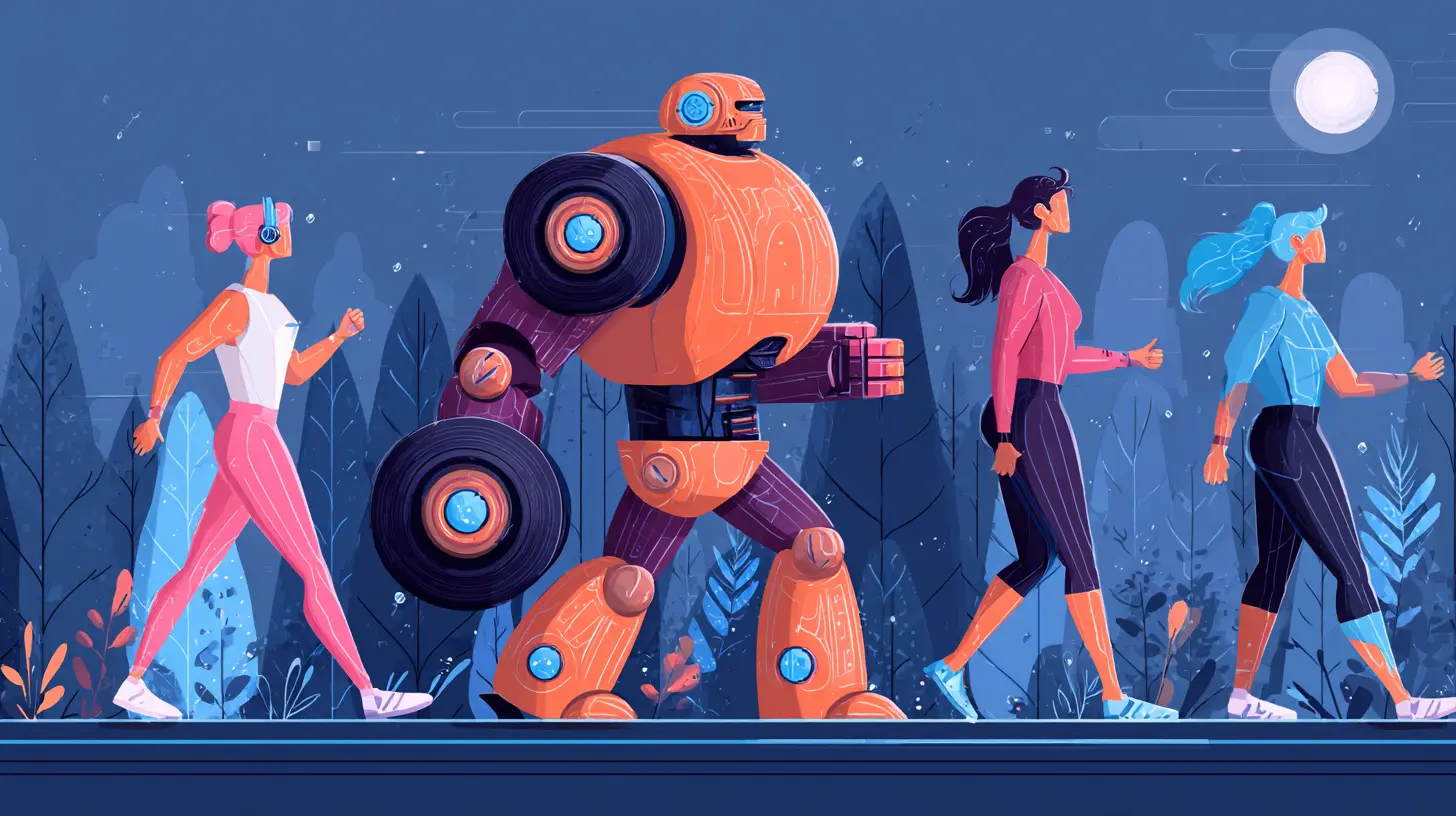
For years, the fitness industry has been selling us a lie. They show us a ripped model on a magazine cover and say, "Do this workout for thirty days and you will look like this." We all know that's nonsense. Your body is not my body. Your schedule is not my schedule. Your knee pain from that old basketball injury is not the same as my stiff shoulders from hunching over a laptop.AI trainers get this. They don't care about magazine covers. They care about data. When you start with a good AI fitness app, it asks you a bunch of questions. Not just "How old are you?" but stuff like "How did you sleep last night?" "What is your energy level right now?" "Do you have any sore spots?" "What equipment do you have at home?" It builds a profile that is more detailed than your dating app bio.
Then, it crafts a routine that is uniquely yours. If you hate burpees (and who doesn't?), the AI will notice that you skip them or do them poorly. It will swap them out for something else that hits the same muscle groups but doesn't make you want to cry. If you are a morning person, it will schedule your heavy lifting for 6 AM. If you are a zombie until noon, it will push your cardio to the evening. It adapts to your life, not the other way around.
Think of it like a personal chef versus a frozen dinner. The frozen dinner is convenient, but it's the same thing every time. The personal chef knows you are trying to cut back on salt, that you love spicy food, and that you have a weird allergy to almonds. That is what an AI trainer is. It is a personal chef for your muscles.
The Algorithm That Watches Your Form
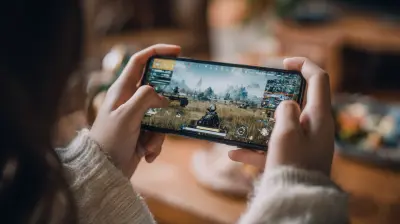
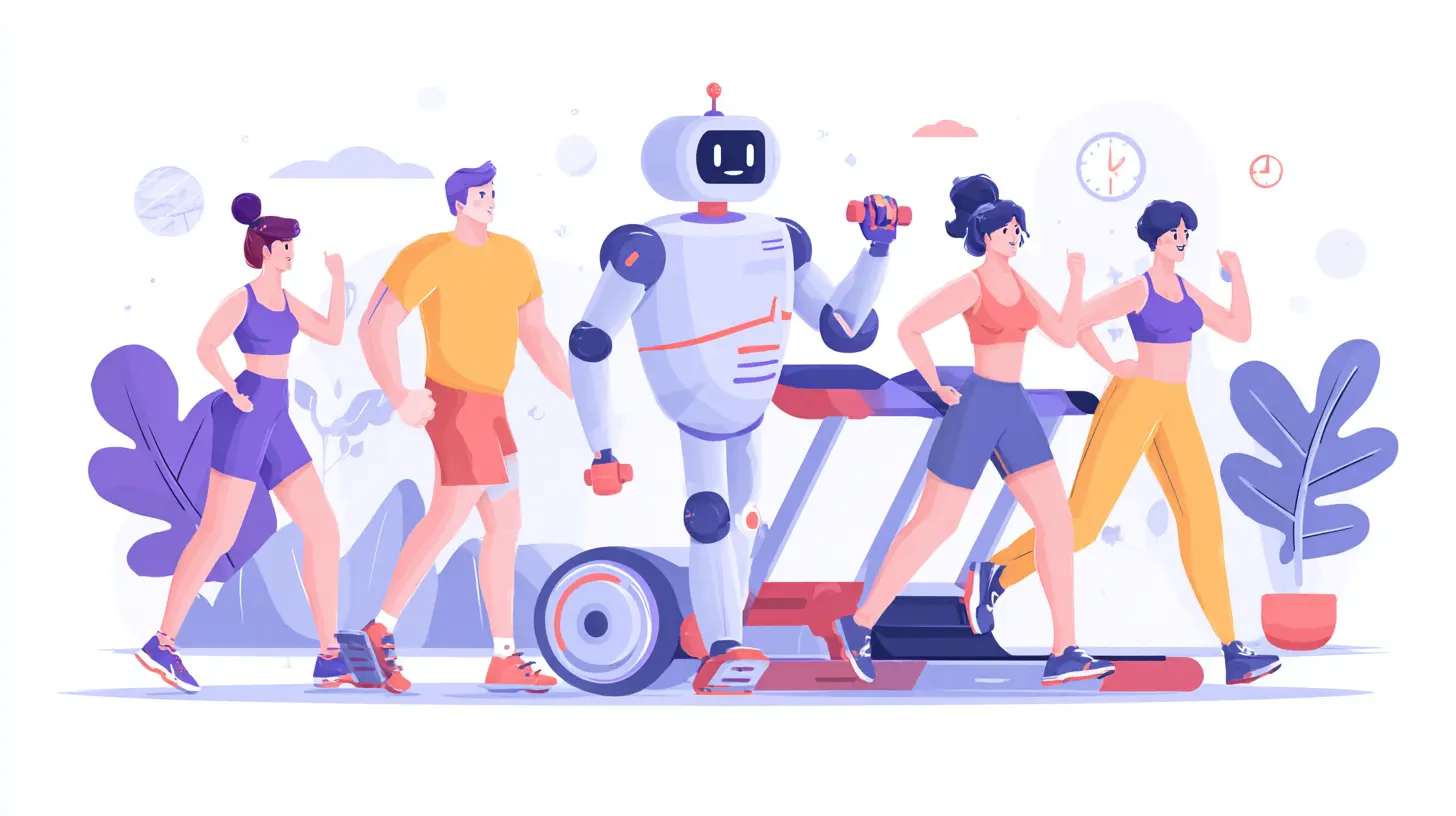
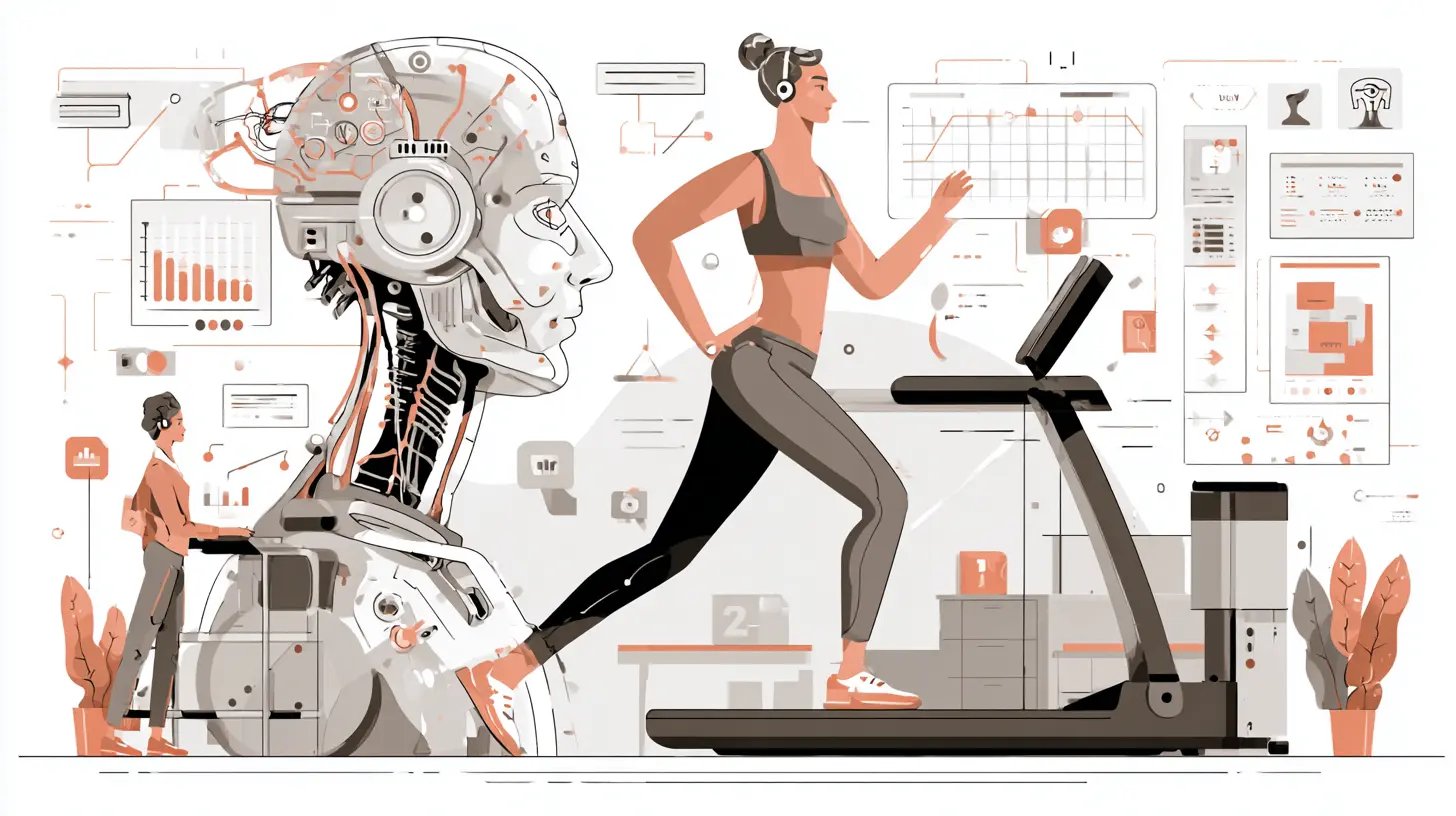
Here is the part that used to scare me. How can a screen watch my form? I've seen those videos of people doing squats at home, looking like a flamingo having a seizure. Without a real person yelling at you, how do you know you are not going to hurt yourself?The answer is computer vision. Most modern AI fitness apps use your phone's camera (or a connected smart mirror) to track your movements in real time. It's not recording a video to post on TikTok. It's looking at your skeleton. It creates a stick figure of your body and analyzes the angles of your joints.
Let's say you are doing a push-up. The AI sees that your elbows are flaring out to the sides like you are trying to fly away. A little warning pops up: "Tuck your elbows in closer to your body." Or maybe your back is sagging in a plank. It will say, "Tighten your core. Imagine you are holding a glass of water on your lower back."
This is huge. It's like having a coach who has eyes on the back of their head. They catch the small mistakes that lead to big injuries. And here's the best part: it's not judgmental. A human trainer might sigh or give you a look. The AI just says, "Try again," in a calm, robotic voice. No shame. No embarrassment. Just data.
I remember the first time I used one of these apps for a deadlift. I always thought I had perfect form. The AI showed me a side-by-side comparison of my lift versus a perfect one. My back was rounded like a cat stretching. I had been doing it wrong for years. That one correction probably saved me from a slipped disc.
The Motivation Problem (Solved by a Robot)
Let's be real. The hardest part of fitness is not the exercise itself. It's the motivation to start. It's that voice in your head that says, "You can skip today. You'll do double tomorrow." We all know that tomorrow never comes.AI trainers are great at hacking this part of your brain. They use a concept called "gamification." You get points for finishing a workout. You get a streak for working out three days in a row. You unlock new exercises or "achievements" like "Squat King" or "Cardio Queen." It feels silly at first, but it works. Your brain loves rewards, even digital ones.
But it goes deeper than that. The AI tracks your patterns. It knows that you tend to skip workouts on Wednesdays because you have a late meeting. So on Tuesday night, it sends you a nudge: "Hey, I know tomorrow is tough. How about a quick 15-minute stretch session instead of the full 45-minute workout?" It lowers the barrier. It makes it easy to say yes.
It also knows when you are slacking off. If you take too long a rest between sets, it will politely tell you to get moving. If you are breezing through a workout, it will up the weight or add an extra rep. It constantly adjusts the difficulty to keep you in that sweet spot called the "flow state." Not too easy that you get bored. Not too hard that you quit. Just right.
Think of it like a good friend who pushes you but also knows when to back off. A friend who doesn't get annoyed when you cancel. A friend who is always ready when you are. That is the AI trainer.
The Future Is Not Just an App on Your Phone
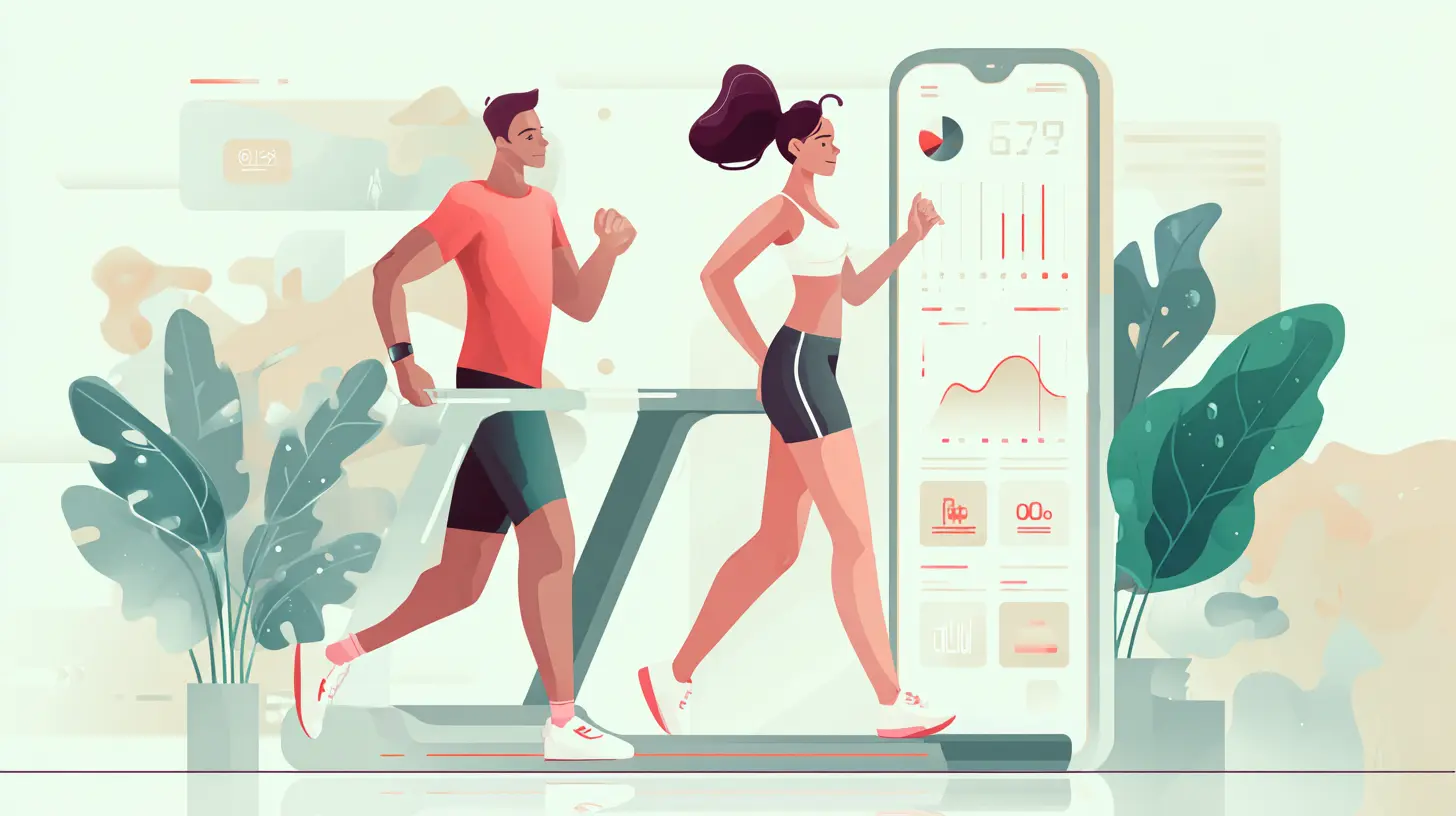
We are still in the early days. Right now, most AI fitness lives on your phone or maybe a smartwatch. But the future is much bigger. Imagine a whole gym that is intelligent. The barbell knows how much you lifted last week. The treadmill adjusts its incline automatically based on your heart rate. The mirror in the yoga studio corrects your warrior pose.We are already seeing this with products like the Tonal and Mirror (now Lululemon Studio). These are smart home gyms that use AI to guide you. But they are expensive. The real revolution will happen when this technology trickles down to the cheap stuff. Imagine a $50 set of dumbbells that have sensors in them. Or a yoga mat that knows where your hands and feet are.
Another huge area is recovery. We are obsessed with the workout, but the real gains happen when you rest. AI is getting better at predicting when you need a rest day. It looks at your heart rate variability, your sleep quality, and your workout history. It might tell you, "Hey, your body is showing signs of fatigue. Take a light walk today and do some foam rolling. No heavy lifting." That is wisdom that most of us ignore.
The Elephant in the Room: Can It Replace a Human?
This is the big question. Can a cold, hard algorithm replace the warmth of a human coach? The short answer is no. Not completely. And it shouldn't.A human trainer can see the fear in your eyes when you approach a heavy barbell. They can tell a joke to lighten the mood. They can high-five you when you hit a personal record. They can give you a pep talk when you are feeling down. An AI cannot do that. It can mimic empathy, but it doesn't feel it.
But here's the thing: most of us don't have access to a human trainer. They are expensive. They require scheduling. They can be intimidating. An AI trainer is available 24/7. It costs a fraction of the price. It never judges you for being out of shape. It is the perfect entry point.
Think of it like this: an AI is the best assistant coach you could ever have. It handles the boring stuff: the sets, the reps, the form checks, the scheduling. It frees up the human coach to focus on the emotional and motivational side. The best future is a hybrid. You use the AI for daily guidance, and you check in with a human once a week or once a month for a deep dive.
How to Start Your AI Fitness Journey
If you are reading this and thinking, "Okay, I'm sold. Where do I sign up?" here is the honest truth: not all AI trainers are created equal. Some are just glorified timers with a few pre-recorded videos. You want the real deal.Look for apps that use computer vision for form correction. Look for ones that adapt your workout based on your feedback. Look for ones that integrate with your smartwatch or heart rate monitor. Some popular names right now include Future, Freeletics, Aaptiv, and Fitbod. But the landscape changes fast. Do your homework.
Start small. Don't try to do a 60-minute workout on day one. Let the AI learn you. Give it feedback. If a move feels weird, tell the app. If you are too sore, tell it. The more data you give it, the smarter it gets. It's like training a puppy. You have to be patient.
And please, for the love of all things holy, give it permission to access your camera. I know it feels weird. I know you are worried about privacy. But the form correction is the killer feature. Without it, you are just doing random exercises. With it, you have a virtual spotter.
The Bottom Line
The future of fitness is not about running faster or lifting heavier. It is about being smarter. It is about using data to make your body work better for you. AI trainers are not a gimmick. They are a tool. A very powerful tool that puts a world-class coach in your pocket.Will it make you look like a superhero overnight? No. Nothing will. But it will make the journey less confusing, less lonely, and a whole lot safer. It will help you stop guessing and start growing.
So the next time you think about skipping a workout, remember that your AI trainer is waiting. It's not mad. It's not disappointed. It's just sitting there, analyzing your data, ready to help you be a tiny bit better than you were yesterday. And honestly, that's all any of us can ask for.
Now, go do a squat. Your robot coach is watching.
all images in this post were generated using AI tools
Category:
Ai In Daily LifeAuthor:

Marcus Gray
Discussion
rate this article
1 comments
Jaxon McMahon
Great insights on AI in fitness. Excited to see how personalized routines evolve and enhance workouts!
June 23, 2026 at 1:01 PM
Marcus Gray
Thanks for your feedback! I'm excited too. The evolution of AI in fitness has incredible potential.