The Evolution of Mobile App Privacy by 2026
20 April 2026
Ah, mobile apps! Our little digital companions that can do everything from ordering a pizza to tracking our health metrics. But as we dive deeper into this app-filled world, have you ever paused to think about what's happening to the data we share? As much as we love the convenience of these apps, the question of privacy looms larger than ever. In this article, we'll explore the evolution of mobile app privacy and what we might expect by 2026.
The Landscape of Mobile App Privacy Today
The Privacy Paradox
Let’s start with the basics: what do we mean by mobile app privacy? Essentially, it’s about how apps collect, store, and use our personal information. These days, most apps come with a long list of permissions. You know the deal: "This app wants to access your camera, location, and contact list." But here’s the kicker—how many of us actually read those terms and conditions? It’s a classic case of the privacy paradox. We want our apps to be useful, but we often ignore the fine print that details how our data is being used.Regulatory Changes
In recent years, governments across the globe have started stepping up their game regarding data protection. Regulations like the General Data Protection Regulation (GDPR) in Europe and the California Consumer Privacy Act (CCPA) have pushed companies to be more transparent about data usage. Not only do these regulations hold businesses accountable, but they also empower users to have more control over their data. Sounds like a win-win, right?
Current Trends in Mobile App Privacy
Data Minimization
One of the hottest buzzwords in mobile app privacy is "data minimization." This principle suggests that apps should only collect the data necessary for their core functionalities. For instance, why should a wallpaper app need access to your contacts or location? As we move toward 2026, we’ll likely see more apps adopting this principle, encouraging a culture where less is more when it comes to data collection.User Consent and Transparency
In an age where data breaches are making headlines, users are becoming increasingly aware of what they share. This trend has prompted app developers to prioritize user consent. Expect to see more upfront and clearer consent requests, allowing users to opt-in or out of specific data collections. It's about giving power back to the users, and honestly, it's about time!The Rise of Privacy-Focused Apps
If you’ve been paying attention, you might have noticed an influx of privacy-oriented apps hitting the market. These apps are designed with privacy in mind, often featuring end-to-end encryption, minimal data collection, and transparent policies. Think of apps like Signal for messaging or DuckDuckGo for web browsing. As awareness continues to grow, we can anticipate even more of these privacy-first solutions becoming mainstream by 2026.
Looking Ahead: What Changes Can We Expect by 2026?
Enhanced Privacy Features
By 2026, the technology behind mobile apps will likely evolve to include enhanced privacy features. Imagine apps that can self-regulate their data usage based on user preferences. Perhaps you could set your app to automatically delete data after a specific timeframe or even anonymize your information. Sounds futuristic, right? But as AI and machine learning continue to advance, these features may well become a reality.The Role of Artificial Intelligence
Artificial Intelligence (AI) is becoming increasingly integrated into mobile apps, and this trend isn’t slowing down anytime soon. By 2026, we might see AI tools that help monitor and protect your privacy. For instance, imagine an AI assistant that alerts you when an app is about to access data you’d rather keep private. This proactive approach could revolutionize how we think about app privacy.Decentralized Apps (DApps)
Decentralized apps, or DApps, are set to shake things up in the mobile app world. By utilizing blockchain technology, DApps aim to give users more control over their data. Instead of a central server holding all the information, data is distributed across a network. This means less vulnerability to data breaches and more autonomy for users. By 2026, DApps could become a significant part of the app ecosystem, especially for those who are privacy-conscious.The Importance of Trust
As we venture into this brave new world of mobile app privacy, trust will be paramount. Users will gravitate toward brands that are transparent, ethical, and prioritize user privacy. Companies that cut corners and fail to protect user data will likely face backlash, not just from consumers but also from regulatory bodies. By 2026, we can expect trust to be a key factor influencing app adoption.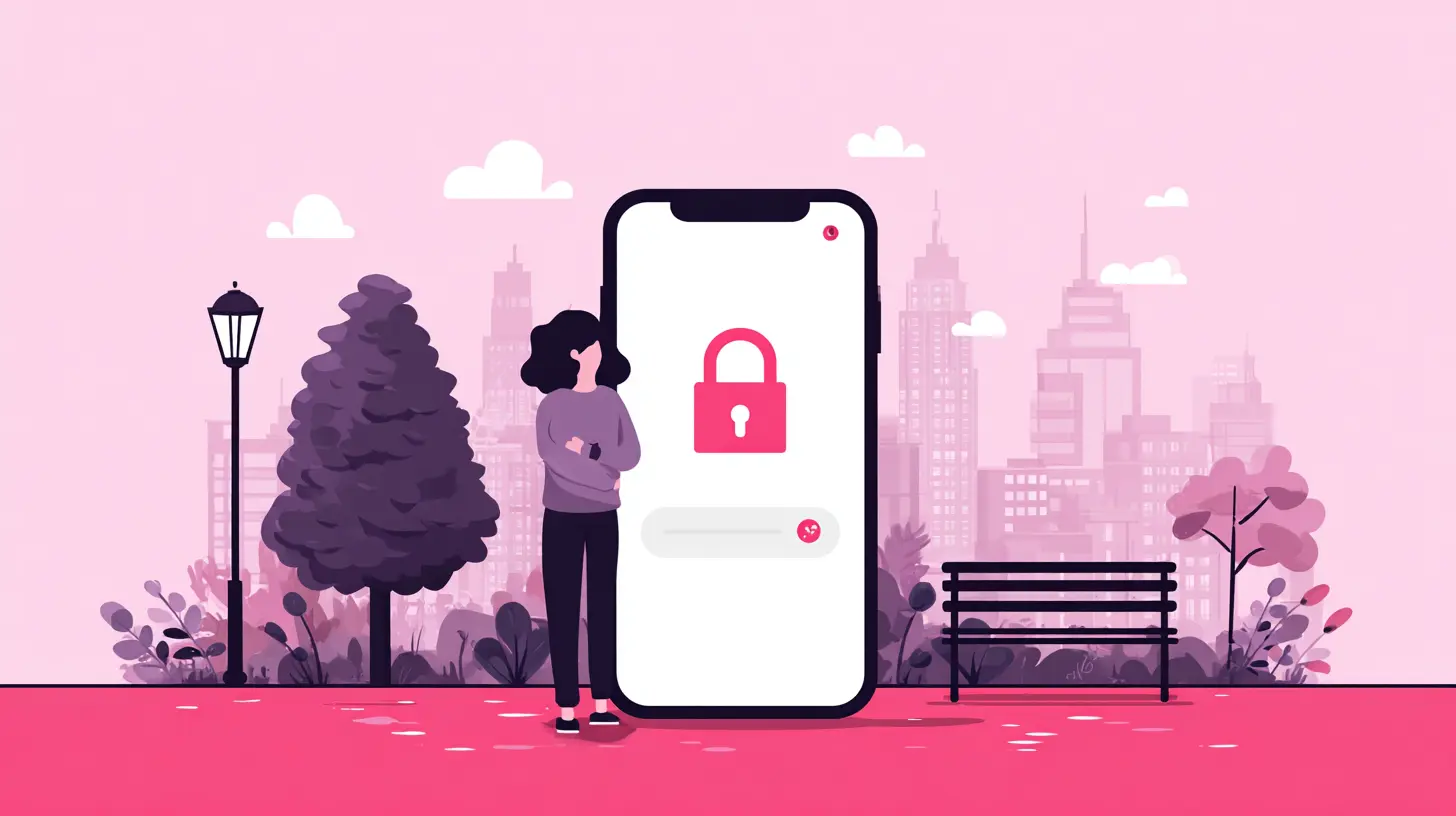
Challenges Ahead
The Balancing Act
While the future looks promising, it’s not without its challenges. One of the biggest hurdles will be balancing user privacy with the need for personalized experiences. Users love personalized recommendations and tailored content, but these often require data collection. The question remains: how can companies provide this personalization without compromising privacy? It’s a tricky balancing act, but one that will need to be addressed.Complexity of Regulations
As more countries implement their own privacy regulations, the landscape will become increasingly complex. Developers will have to navigate a myriad of laws, which could lead to inconsistencies in privacy practices across different regions. By 2026, we may see a push for global standards to streamline these regulations, but until then, it’s a challenging road ahead.The Challenge of User Education
Let’s face it: not everyone is a tech whiz. While regulations are changing and new technologies are emerging, there’s still a significant gap in user education. Many people don’t know how to protect their privacy online or even what their rights are. By 2026, we’ll need robust educational initiatives to empower users to make informed decisions about their app privacy.What You Can Do Now
Stay Informed
Don’t wait for 2026 to start caring about your privacy. Take proactive steps to educate yourself on mobile app privacy practices. Familiarize yourself with the privacy policies of the apps you use, and keep an eye out for updates.Review App Permissions
Make it a habit to review app permissions regularly. If an app is asking for access to data it doesn’t need, it might be time to reconsider its place on your device. It’s like decluttering your digital life—less is often more!Advocate for Privacy
As consumers, we have the power to influence change. If you’re passionate about privacy, let your voice be heard. Support companies that prioritize user privacy and hold those that don’t accountable. Every little bit helps in shaping the future of mobile app privacy.Embrace Privacy Tools
Consider using privacy-focused apps and tools that prioritize your data security. From VPNs to encrypted messaging apps, these tools can significantly enhance your online privacy. Think of them as your digital bodyguards, ready to shield you from prying eyes.
Conclusion
As we look ahead to 2026, the evolution of mobile app privacy is bound to be a thrilling ride. With regulatory advancements, technological innovations, and a growing emphasis on user empowerment, we’re on the cusp of a more privacy-conscious digital landscape. But it’s not just up to the developers and lawmakers. Each of us has a role to play in shaping the future of app privacy. So let’s stay informed, advocate for our rights, and make the most of our mobile experiences—without sacrificing our privacy.all images in this post were generated using AI tools
Category:
Mobile ApplicationsAuthor:

Marcus Gray
Discussion
rate this article
2 comments
Zephyrwind Navarro
This article insightfully traces the significant advancements in mobile app privacy, highlighting the importance of user trust in 2026.
April 23, 2026 at 4:54 AM
Marcus Gray
Thanks for your feedback! I'm glad you found the insights on user trust and privacy advancements valuable.
Willow McClary
By 2026, let’s hope our apps don’t ask for our firstborn’s social security number just to track our coffee consumption. Baby steps, tech world!
April 20, 2026 at 4:36 AM
Marcus Gray
Absolutely! Balancing convenience and privacy is key as we move forward. Let's hope for smarter solutions!