Smart Speakers in Education: How Students and Teachers Are Benefiting
18 January 2026
Technology is reshaping every corner of our lives, and education is no exception. From interactive whiteboards to virtual reality, the classroom is becoming more tech-savvy by the day. But let's zoom in on one piece of tech that's making a huge splash: smart speakers. You know, those voice-activated gadgets like Amazon Echo, Google Nest, and Apple HomePod? Well, they're not just for playing your favorite tunes or setting reminders anymore. They’re becoming an integral part of modern education.
Intrigued? Let’s explore how students and teachers are benefiting from smart speakers, and why they might just be the classroom tool you didn’t know you needed.

What Are Smart Speakers?
Before we dive into the nitty-gritty, let’s make sure we’re on the same page. Smart speakers are voice-activated devices equipped with virtual assistants like Amazon's Alexa, Google Assistant, or Apple's Siri. You just speak to them, and boom—they answer your questions, set timers, play music, or even control your smart home devices.But wait, there’s more! Beyond the household tasks, smart speakers are now finding their way into classrooms. And the impact? Well, let’s just say it's nothing short of revolutionary.
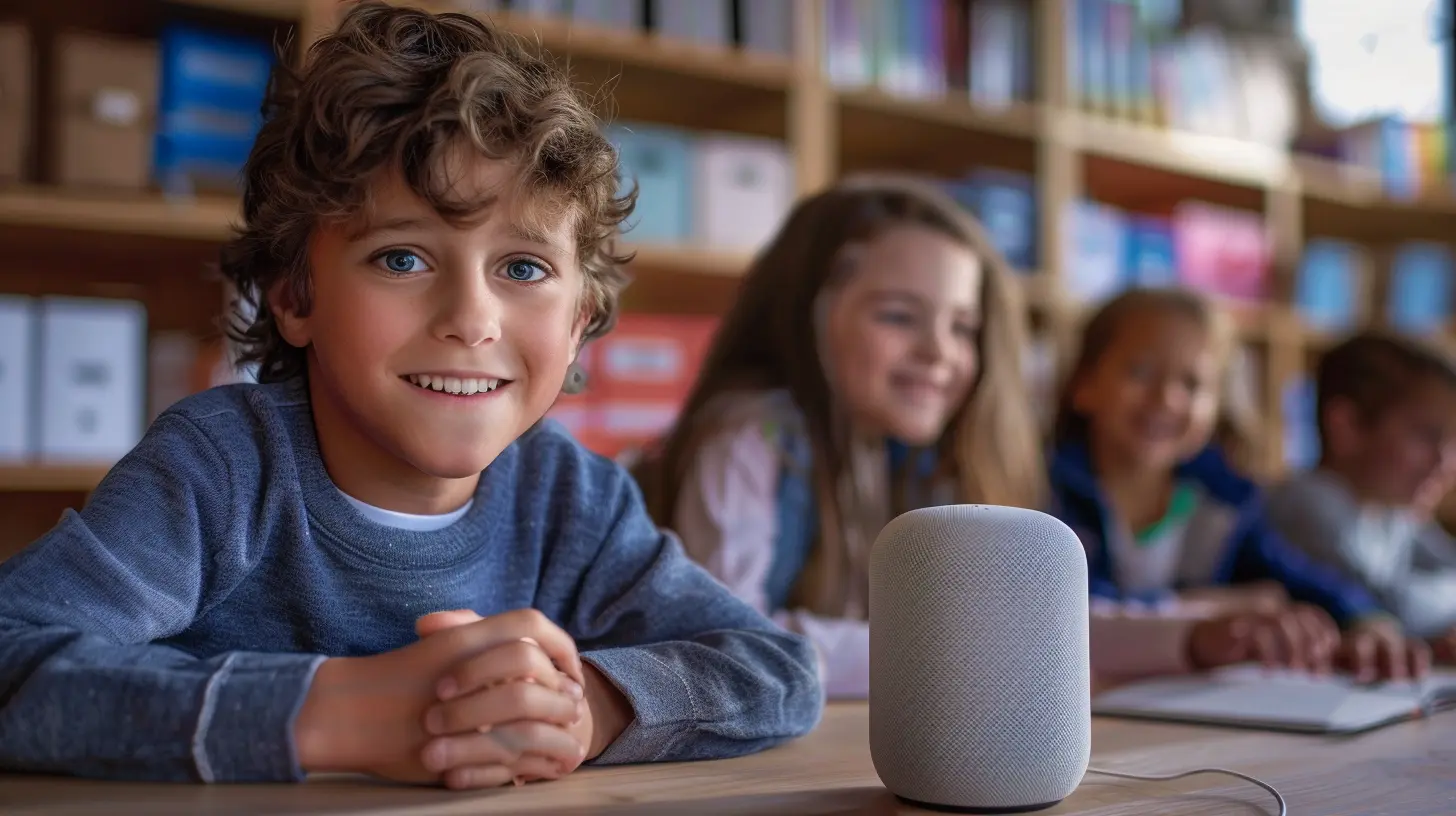
The Role of Smart Speakers in Education
You might be wondering, “How can a smart speaker help in education?” After all, it’s just a fancy speaker, right? Wrong. These devices are equipped with artificial intelligence (AI), and they can tap into a vast array of knowledge. Imagine having a virtual assistant by your side, 24/7, to answer questions, offer reminders, or even teach you new things. That’s exactly what students and teachers are getting with smart speakers.1. Enhanced Learning Experiences for Students
Remember the days when you had to flip through textbooks or search the web for hours just to answer a single question? Well, with smart speakers, students can get instant answers to their queries. Whether it's solving a math problem, defining a word, or even learning a new language, smart speakers make learning more interactive and engaging.Instant Access to Information
Gone are the days of raising your hand and waiting for the teacher to walk over and help. With a simple voice command, students can ask the smart speaker for help. Whether it's "Alexa, what's the capital of Canada?" or "Hey Google, how do you spell 'accommodate'?", the information is just a question away.Encouraging Independent Learning
Smart speakers promote independent learning. Imagine this: A student is working on a history project and needs quick facts about the Civil War. Instead of interrupting the teacher or waiting until after school to look it up, they can just ask, “Alexa, tell me about the Battle of Gettysburg.” It's like having a tutor on standby 24/7.2. Smart Speakers as Classroom Assistants
Teachers already have enough on their plates—lesson planning, grading, managing a room full of students. Smart speakers can be their virtual classroom assistant, helping with everything from taking attendance to answering basic questions. It’s like having a personal assistant, but without the salary!Time-Saving Tasks
Teachers can use smart speakers to set timers for activities, remind students about assignments, or even schedule class events. Need a five-minute break during a lesson? “Alexa, set a timer for five minutes.” Need to remember to send out that email to parents? “Hey Google, remind me at 3 PM to email the class parents.” It’s a small thing, but those saved seconds add up!Hands-Free Teaching Assistance
Smart speakers can also help in teaching. For example, during a lesson on world capitals, a teacher could say, “Alexa, what’s the capital of Brazil?” and get an instant answer without having to break the flow of the lesson to look it up. The teacher stays focused, and the class keeps moving.3. Interactive Learning Through Skills and Apps
Smart speakers come with thousands of "skills" or "actions"—essentially mini-programs that you can enable to do specific tasks. There are educational skills designed specifically for classrooms, offering everything from quizzes to interactive storytelling. These add a layer of engagement that traditional teaching methods might lack.Gamified Learning
Want to make learning fun? Smart speakers can gamify lessons. For instance, there are quiz-based games like "Jeopardy!" that can be used to reinforce learning in a fun way. Teachers can activate skills designed for vocabulary building, math practice, or even history trivia, making learning feel more like a game than a chore.Language Learning
Learning a new language? Smart speakers can be a great tool for practicing pronunciation and vocabulary. Students can ask for translations, practice speaking, and even engage in mini-conversations with their virtual assistant. It's like having a language tutor in your pocket.4. Personalized Learning
One of the coolest aspects of smart speakers is their ability to create personalized learning experiences. Each student learns at their own pace, and smart speakers can tailor lessons or practice sessions based on the individual's needs.Adaptive Learning
For example, if a student is struggling with multiplication, the teacher can set up a smart speaker to provide extra practice. “Alexa, help me practice multiplication tables.” The speaker will walk them through problems step by step, offering hints and positive reinforcement when needed. No more one-size-fits-all learning.Special Needs Support
Smart speakers can also assist students with special needs. Voice-activated technology can help students who struggle with fine motor skills or those who have difficulty reading. It provides an alternative way to engage with educational content, ensuring no student is left behind.5. Improved Classroom Management
Teachers often struggle with managing time and keeping students on task. Smart speakers can help with that, too. By setting reminders, alarms, or even playing background music during work sessions, teachers can keep the classroom environment organized and productive.Encouraging Focus and Time Management
For instance, a teacher could set a timer for group work or independent study. “Hey Google, set a 20-minute timer for quiet reading.” When the timer goes off, students know it's time to move on to the next activity. It’s a simple but effective way to manage classroom time without constant reminders or disruptions.Positive Reinforcement
Smart speakers can also be programmed to offer positive reinforcement. Did a student finish a task before the timer went off? The speaker can offer a congratulatory message or even play a quick celebratory sound effect. Little things like this can make a big difference in student motivation.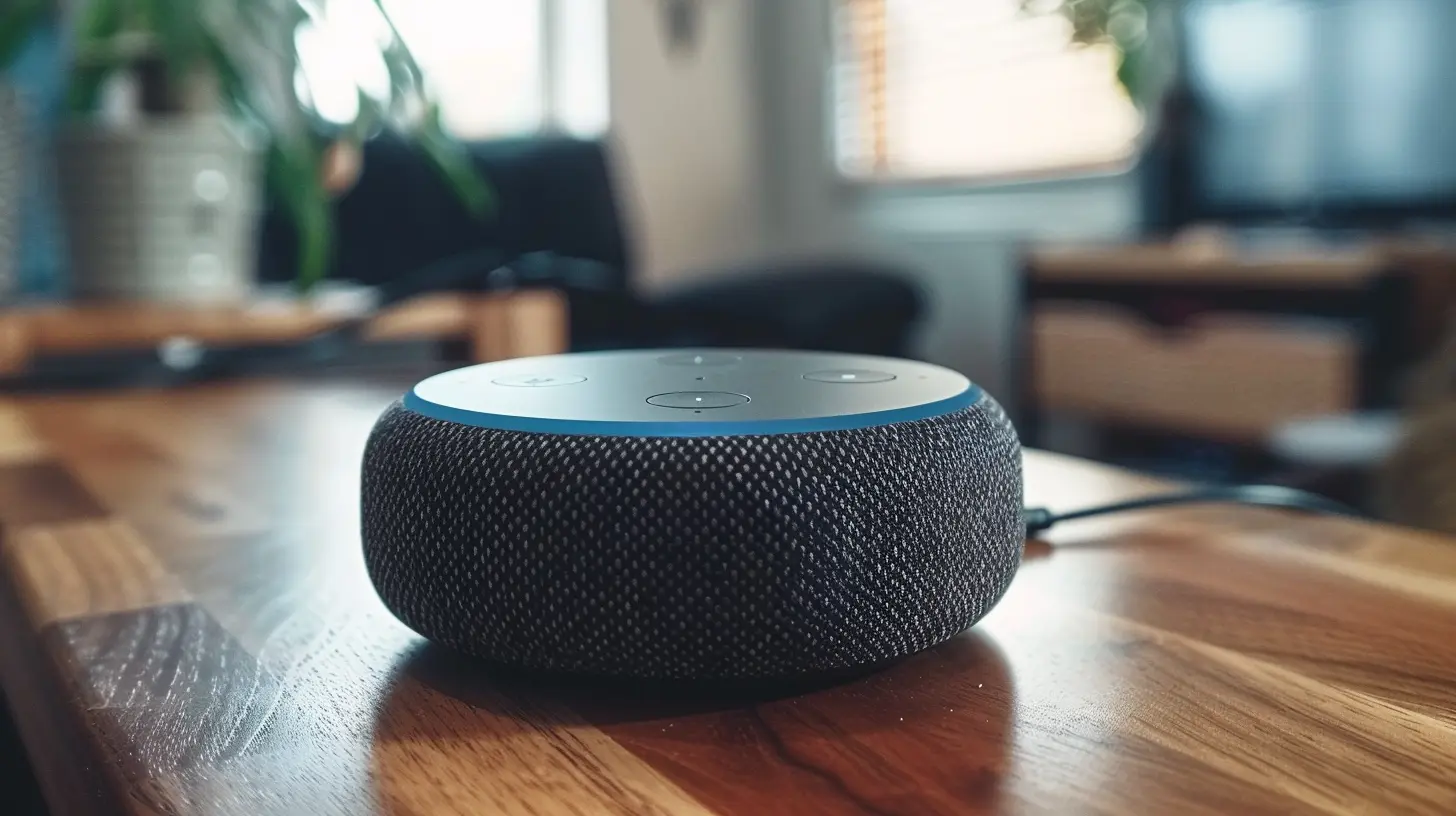
Challenges and Considerations
Of course, no technology is without its challenges. While smart speakers offer a lot of benefits, they also come with some concerns, particularly around privacy and data security. Schools must ensure that students’ data is protected and that the devices are used responsibly.Privacy Concerns
Given that smart speakers are always “listening” (waiting for you to say the wake word like "Alexa"), there are concerns about privacy. Schools must take care to configure these devices to only record and store information when necessary.Over-reliance on Technology
Another potential pitfall is the risk of students becoming too reliant on smart speakers for answers. While it’s great to have information at your fingertips, it’s equally important for students to learn how to research, think critically, and solve problems without always turning to a virtual assistant.
The Future of Smart Speakers in Education
The truth is, we’re only scratching the surface of what smart speakers can do in education. As AI and machine learning continue to evolve, these devices will only get smarter. Imagine a future where smart speakers can not only answer questions but also assess a student's progress and recommend personalized learning paths.We're heading towards a world where virtual assistants will be a staple in every classroom, helping teachers and students alike to focus more on learning and less on logistics. The possibilities are endless, and the future is bright.
Conclusion
Smart speakers in education are more than just a novelty—they’re quickly becoming essential tools for both students and teachers. From enhancing learning experiences to improving classroom management, these devices offer a wide range of benefits. While challenges like privacy and over-reliance on technology still need to be addressed, there’s no denying that smart speakers are here to stay. And as they continue to evolve, their role in education will only become more impactful.So, what do you think? Are smart speakers the future of education? It sure looks like it.
all images in this post were generated using AI tools
Category:
Smart SpeakersAuthor:

Marcus Gray
Discussion
rate this article
2 comments
Tempest Evans
Smart speakers in education offer innovative learning opportunities, enhancing classroom interaction and accessibility. However, it's essential to address privacy concerns to ensure a safe learning environment for all.
February 4, 2026 at 4:22 AM
Fable Young
Smart speakers truly enhance learning experiences, fostering engagement and accessibility for everyone involved.
January 18, 2026 at 4:57 AM
Marcus Gray
Thank you for your insightful comment! I'm glad you see the potential of smart speakers in enriching educational experiences for both students and teachers.