How Collaborative Platforms Will Empower Global Teams in 2026
7 May 2026
Let's be honest. If you've worked on a global team in the last five years, you've probably felt it. That subtle, grinding friction. The email that goes unanswered for 12 hours because your colleague in Singapore is asleep. The Slack thread that explodes at 2 AM because the Tokyo office just discovered a bug. The video call where three people talk over each other, and the quiet genius in Bangalore never gets a word in.
We have been trying to force a square peg into a round hole. We took industrial-era office structures and slapped them onto digital tools. We called it "remote work," but really, it was just "work, but from your kitchen table." The problem wasn't the location. The problem was the isolation. The problem was the silence.
But here is the good news. The shift we are seeing right now isn't just about adding a few new features to Zoom or Teams. By 2026, collaborative platforms are going to fundamentally rewrite the rulebook on how global teams function. We are moving from a model of communication to a model of co-creation. And that changes everything.
The Death of the "Reply All" Era
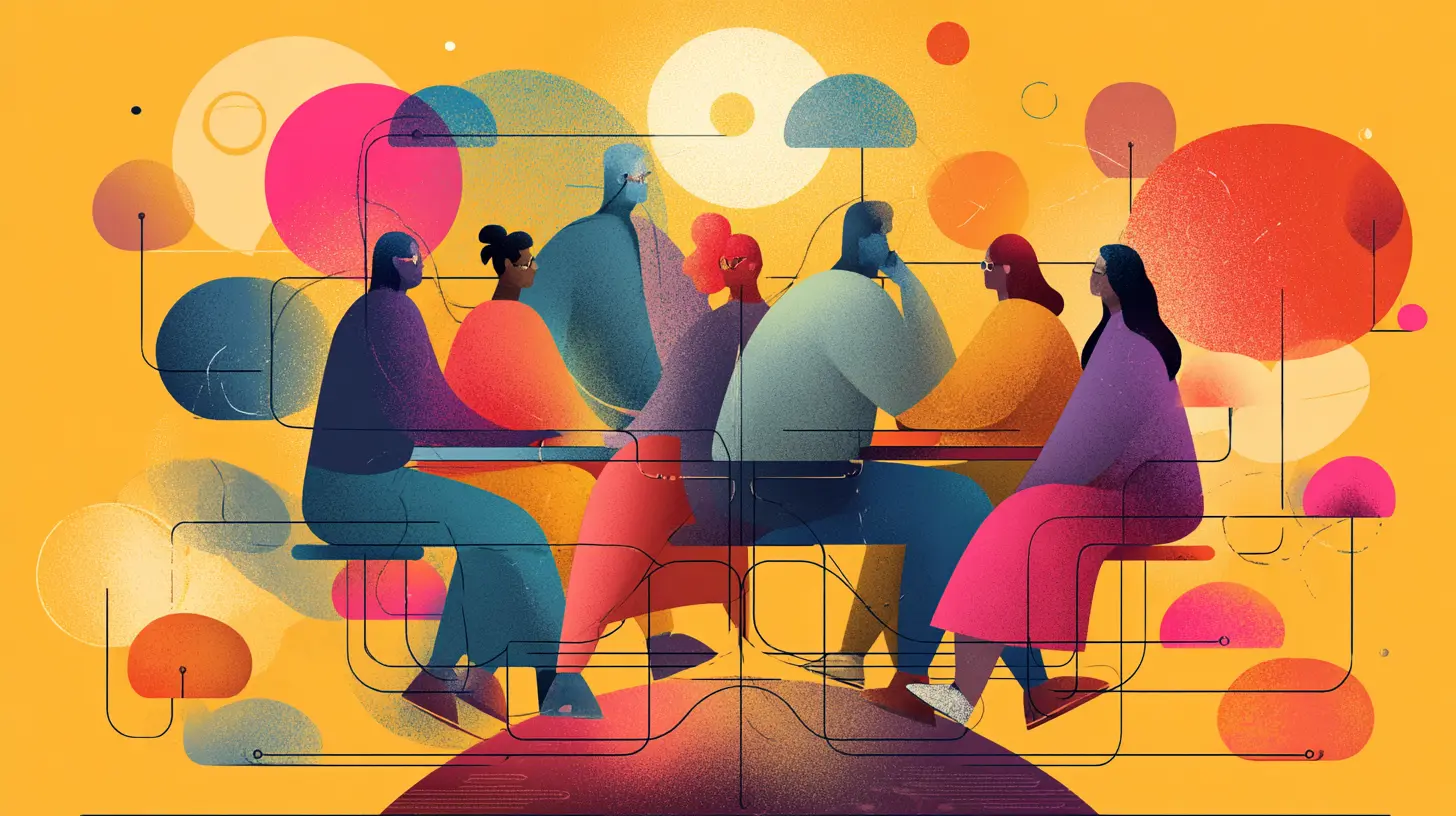
Think back to the early 2010s. Collaboration meant a shared drive, a clunky wiki, and a lot of "reply all" emails. It was asynchronous, sure, but it was also a mess. Information was siloed. The "knowledge" lived in the heads of a few people who had been at the company for five years. If they left, the knowledge left with them.By 2026, that model is dead. We aren't just sharing files anymore. We are sharing context.
The next generation of platforms will be "ambient." Imagine a workspace that doesn't wait for you to ask a question. It surfaces information proactively. You join a project, and the platform already knows your role, your time zone, and your expertise. It doesn't just show you the task; it shows you the conversation that led to the task. It shows you the rejected designs, the deleted comments, the "aha" moment from the client call that happened at 4 AM your time.
This is the difference between handing someone a map and handing them the memory of the explorer who drew it. In 2026, global teams won't waste time hunting for lost information. The platform will be the historian, the organizer, and the translator all in one.

The Rise of the "Digital Third Space"
One of the biggest killers of global team morale is the "formal" call. You know the one. The 30-minute stand-up where everyone gives a status update. It's efficient, but it's sterile. It doesn't build trust. It doesn't build relationships. In a physical office, the real work happened in the hallway, by the water cooler, or over a bad cup of coffee. That was the "third space."Remote work killed the third space. We only had the "first space" (home) and the "second space" (the formal meeting). By 2026, collaborative platforms will actively build a new digital third space.
We are talking about persistent, informal channels. Not a Slack channel for memes. I mean a virtual environment where you can "hang out." Think of it like a digital coffee shop that your team from Berlin, Austin, and Seoul can walk into whenever they want. It's always open. It has no agenda. You can drop in, see who's there, and just chat.
This sounds fluffy, but it's actually a hard business advantage. Trust is the currency of high-performing teams. You cannot build trust on a transactional call. You build it by talking about your weekend, by complaining about the weather, by sharing a dumb video. In 2026, platforms will make this frictionless. They will use AI to suggest "water cooler moments" based on common interests, or they will simply create a low-stakes space where people can be human, not just "resources."
The "AI Co-Pilot" Is Not a Hype
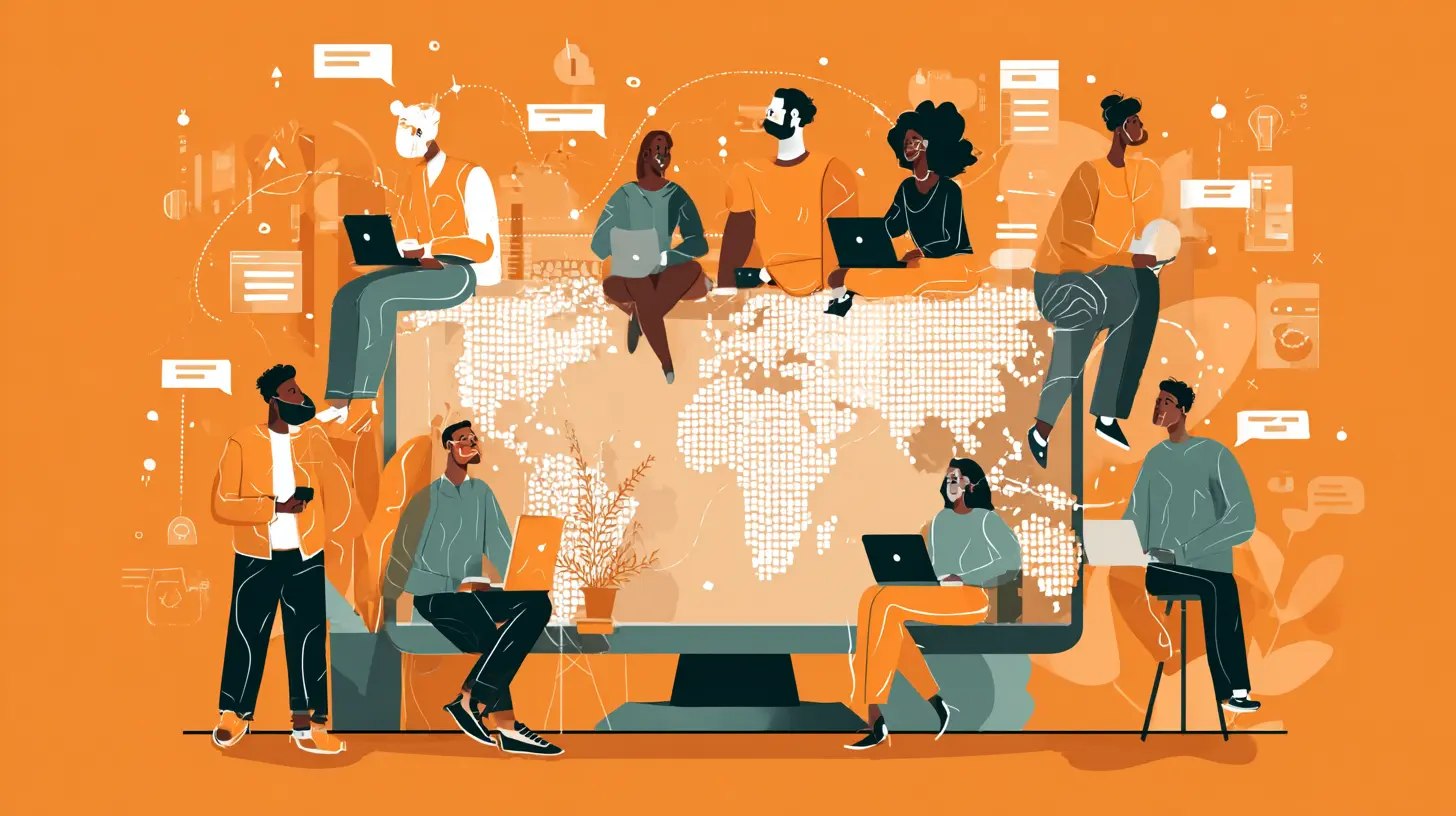
I know, I know. Everyone is talking about AI. But for global teams, this isn't about generating blog posts or writing code. It's about reducing the cognitive load of working across time zones.Right now, a huge chunk of your mental energy is spent on "translation." Not language translation, but cultural and contextual translation. You have to think: "How do I say this to the Japanese office without sounding too direct? How do I phrase this email to the Brazilian team so it doesn't sound rude?"
By 2026, your collaborative platform will do this for you. It won't just change the language. It will change the tone. It will adjust the formality. It will flag potential misunderstandings before they happen.
Imagine drafting a message to a colleague in Germany. The AI pings you and says, "Hey, your deadline request is very aggressive. In German business culture, this might come across as disrespectful. Would you like me to rewrite this as a collaborative request?" That is not sci-fi. That is real.
But the deeper power of the AI co-pilot is asynchronous handoffs. When you finish your workday in New York, the AI doesn't just log the file. It creates a "handoff summary." It records your reasoning, your open questions, and your pending decisions. When the team in Manila logs in, they don't have to sift through a messy Google Doc. They get a clean, structured briefing. The AI becomes the bridge. It closes the gap between time zones so effectively that the 12-hour lag feels like a 5-minute delay.

The End of the "Hero" Culture
Let's get real about another problem. Global teams often suffer from "hero" culture. The person who is available 24/7. The manager who answers emails at midnight. The developer who fixes the bug during their vacation. We celebrate these people, but we are actually burning them out.In 2026, collaborative platforms will actively fight this. They will use data to balance the workload. They will visualize who is working too much. They will suggest re-assigning tasks to people in a time zone where it is currently 10 AM, rather than piling it on the person who is about to go to bed.
This is about creating a "sustainable pace." A platform that is truly collaborative doesn't just help you work faster. It helps you work smarter by respecting the biological reality of your team. It will schedule meetings at the intersection of everyone's "peak hours." It will automatically decline meetings that fall outside a person's defined work window. It will protect the deep work time of the developer in Poland just as fiercely as it protects the executive in California.
When the platform starts protecting people's time, the team stops burning out. And a team that isn't burned out is a team that innovates.
The "Synthetic" Meeting
We hate meetings. But we need them. The problem is that most meetings are just status updates. They are a parade of talking heads.By 2026, the real meeting will be a rare, precious event. Why? Because the platform will handle the status updates. It will use asynchronous video snippets, AI-generated dashboards, and automatic transcriptions to keep everyone in the loop without requiring them to sit in a room.
When you do get together, the meeting will be different. It will be a "synthetic" experience. You won't just be talking. You will be inside a shared digital space.
Imagine a product design review. Instead of sharing your screen and pointing with a mouse, you and your colleagues in London, Sydney, and Sao Paulo will walk around a 3D model of the product together. You can point at a button. You can grab a corner and stretch it. You can leave a "sticky note" in the air. This isn't a game. It's a new way of thinking together.
This sensory richness is what global teams have been missing. We are social animals. We need to see body language. We need to feel presence. In 2026, the platform will provide a deeper sense of "being there" than a flat video grid ever could. It will make the distance disappear, not physically, but psychologically.
The "Glocal" Team Structure
A huge shift I see coming is the move away from the "hub and spoke" model. For a long time, global teams meant a headquarters in one country and "satellites" everywhere else. The satellites felt like second-class citizens. They were always waiting for the hub to make a decision.By 2026, collaborative platforms will enable a "glocal" structure. The platform itself becomes the headquarters. It doesn't matter where you sit. The decision-making power is distributed.
Think of a platform that uses "asynchronous decision-making" tools. You post a proposal. The platform automatically notifies the relevant stakeholders based on their expertise, not their job title. It gives them a deadline to comment. It uses a voting mechanism that is weighted by expertise. A decision is made in 24 hours, without a single meeting.
This flattens the hierarchy. It empowers the person in the "remote" office because their voice is just as loud as the person in the corner office. The platform doesn't care about your time zone. It cares about your input.
This is terrifying for managers who like control. But it is liberating for everyone else. In 2026, the best global teams will be those that trust the platform to facilitate autonomy, not surveillance.
The "Trust Battery" Recharge
Finally, let's talk about the elephant in the room. Trust.Many companies are terrified of remote work because they can't see their employees. So they install "bossware." They track mouse movements. They take screenshots. This is the opposite of empowerment. It destroys trust.
The collaborative platforms of 2026 will be built on a different philosophy. They will focus on "outcome over output." They won't track your hours. They will track your impact.
Imagine a "trust battery" visualizer. It doesn't show who is working. It shows who is contributing. It highlights who helped unblock a colleague. It recognizes who shared a key insight. It rewards collaboration, not busyness.
This changes the game. When the platform focuses on value, the team focuses on value. The paranoia disappears. The manager stops acting like a warden and starts acting like a coach.
The global team of 2026 will be a team of high-trust individuals who are aligned on purpose, not on hours. The platform will be the glue that holds them together, but the trust will be the engine that drives them forward.
The Final Thought
So, what does this all mean for you? It means that the tools you use today are just the training wheels. By 2026, we are going to see a Cambrian explosion of innovation in collaboration. We will see platforms that don't just connect us, but understand us. They will translate our culture, protect our time, and amplify our collective intelligence.The biggest challenge won't be technology. It will be our mindset. We have to stop treating global teams like a problem to be managed and start treating them like a superpower to be unleashed. The platform is the key. But the will to change is the door.
Are you ready to open it?
all images in this post were generated using AI tools
Category:
Collaborative SoftwareAuthor:

Marcus Gray
Discussion
rate this article
2 comments
Alessia McKinney
Exciting times ahead! Collaborative platforms will unlock incredible potential for global teams, fostering creativity and innovation like never before.
May 11, 2026 at 3:17 AM
Marcus Gray
I completely agree! The future of collaboration is bright, and these platforms will truly transform how teams interact and innovate.
Maisie McDermott
Great insights! Collaborative platforms are truly game changers for global teams. I can't wait to see how they evolve and enhance teamwork by 2026.
May 7, 2026 at 4:51 AM
Marcus Gray
Thanks for your thoughts! I agree, the evolution of these platforms will be exciting to watch.