Fiber vs Wireless: Choosing the Right Backbone for 2026
23 April 2026
In a world that’s increasingly interconnected, the debate between fiber and wireless internet is heating up. As we move toward 2026, this discussion becomes even more critical. We’re talking about the backbone of our digital lives—how we connect, communicate, and share information. So, how do you choose the right one for your needs? Let’s dive into the nitty-gritty of fiber vs wireless, breaking down the pros and cons of each to help you make an informed decision.
Understanding Fiber Internet
What is Fiber Internet?
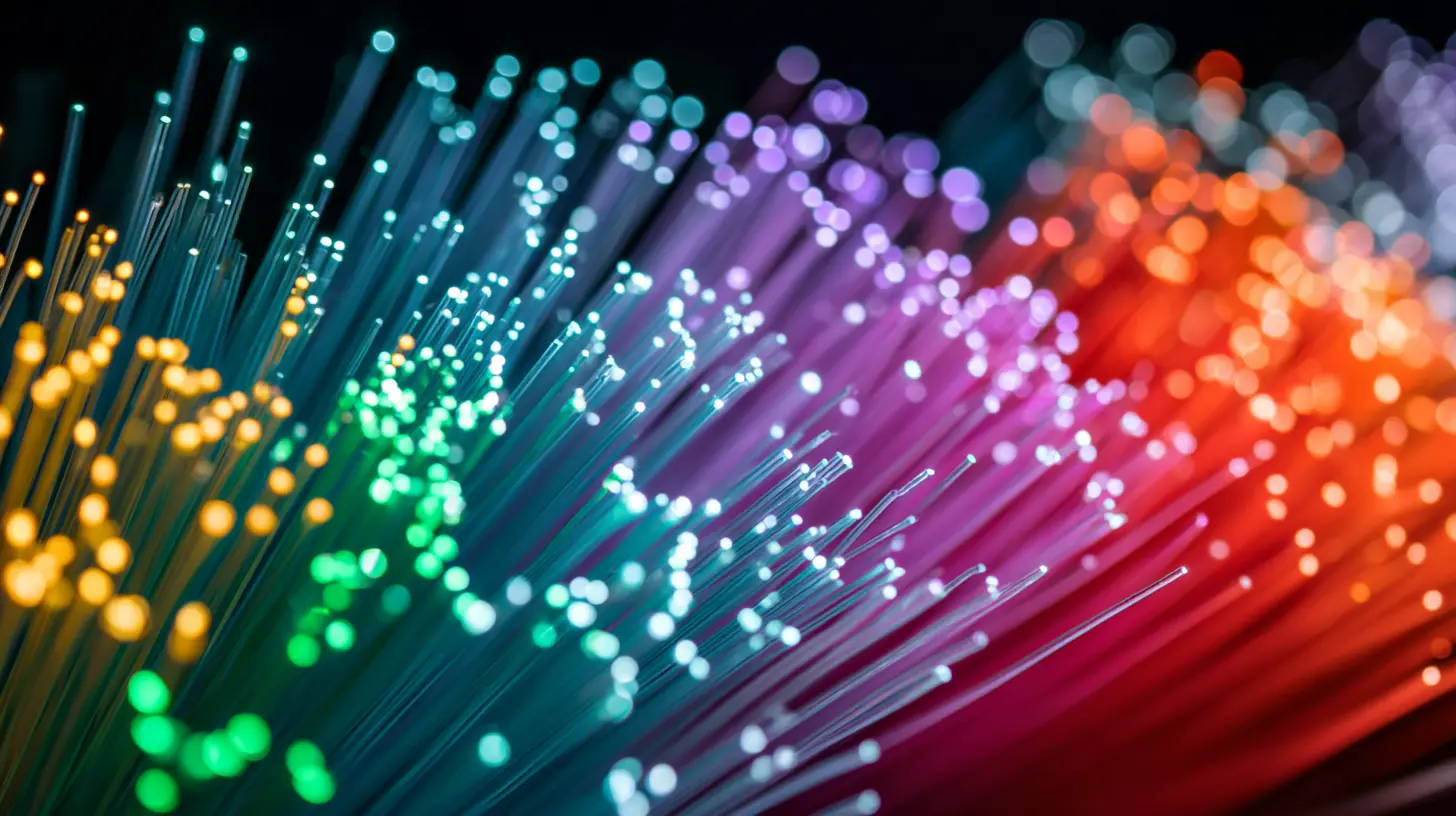
Fiber internet, short for fiber-optic internet, uses thin strands of glass or plastic to transmit data as pulses of light. This technology allows for incredibly fast speeds and high bandwidth, making it ideal for heavy internet users like gamers, streamers, and households with multiple devices.Advantages of Fiber
1. Speed: Fiber offers blistering speeds that can reach up to 1 Gbps (gigabit per second) and beyond. Imagine downloading a movie in seconds rather than minutes—sounds appealing, right?2. Reliability: Fiber is less susceptible to interference and outages caused by weather or physical obstacles. It’s like having a secure vault for your data; once it’s in, it stays in.
3. Bandwidth: With fiber, you can support multiple devices without a hitch. Whether it's streaming 4K videos, video conferencing, or online gaming, fiber can handle it all without breaking a sweat.
4. Future-Proofing: As technology advances, our internet needs will grow. Fiber is designed to handle increased demands, making it a solid long-term investment.
Disadvantages of Fiber
1. Availability: Not everyone has access to fiber. In many rural areas, fiber networks are still a work in progress. If you live in a remote location, you might be out of luck.2. Cost: Installation can be pricey, especially if you’re looking to get a fiber line laid down in your area. It’s like buying a high-performance sports car; the initial investment is significant, but the performance can be worth it.
3. Installation Time: Depending on where you live, getting fiber set up can take time. Sometimes, patience is a virtue!

Understanding Wireless Internet
What is Wireless Internet?
Wireless internet, often referred to as Wi-Fi, uses radio waves to transmit data. It allows you to connect to the internet without the need for physical cables, giving you the freedom to move around while staying connected.Advantages of Wireless
1. Convenience: One of the biggest perks of wireless internet is mobility. You can connect from anywhere within your coverage area—your couch, the backyard, or even the kitchen while cooking!2. Ease of Setup: Setting up a wireless network is usually a breeze. Plug in your router, and voilà! You’re online. It’s like setting up a picnic; you just need to lay out a blanket and enjoy.
3. Accessibility: Wireless networks are widely available, even in many rural areas. If you can’t get fiber, chances are you can find a wireless solution that fits your needs.
Disadvantages of Wireless
1. Speed Limitations: While wireless technology has improved, it still can’t match the speed of fiber. If you’re a heavy user, you might find yourself buffering during peak hours.2. Interference: Wireless signals can be disrupted by walls, furniture, and even other electronic devices. It’s like trying to have a conversation in a crowded room; sometimes, you just can’t hear each other.
3. Security Risks: Wireless networks can be more vulnerable to hacking if not properly secured. It’s essential to take precautions, like using strong passwords and enabling encryption.
Fiber vs Wireless: The Showdown
Now that we’ve laid out the basics, let’s compare fiber and wireless side by side.Speed and Performance
When it comes to speed, fiber reigns supreme. It’s like comparing a high-speed train to a city bus. Sure, the bus gets you from point A to point B, but the train does it much faster and more efficiently. If you’re into gaming, streaming, or working from home, fiber is the way to go.Reliability and Stability
Fiber wins again in this category. It’s less prone to outages and interference, providing a more stable connection. Wireless, while convenient, can be affected by physical barriers and network congestion. Imagine trying to have a clear phone conversation while driving through a tunnel—sometimes, it just doesn’t work out.Cost Considerations
Wireless tends to be more budget-friendly, especially for those in areas where fiber isn’t available. However, if you can access fiber, the long-term benefits may outweigh the initial costs. Think of it like investing in a quality kitchen appliance; it might be expensive upfront, but it pays off with years of reliable service.Installation and Maintenance
Setting up a wireless network is typically quicker and easier than installing fiber. However, if you’re willing to invest the time and money into fiber, the payoff can be substantial. It's akin to building a custom home; it takes longer, but the end result can be tailored to your exact needs.
The Future of Connectivity
As we look toward 2026, the landscape of internet connectivity is bound to evolve. With the rise of smart homes, IoT devices, and virtual reality, our demand for speed and reliability will only increase.The Role of 5G
5G technology is making waves in the wireless arena, promising faster speeds and lower latency. However, it’s essential to consider how it stacks up against fiber. While 5G can offer impressive speeds, it may still struggle with consistency, especially in crowded areas.Fiber Expansion
On the other hand, fiber networks are expanding. More providers are investing in infrastructure, making it available to more people every day. If you have the option, fiber is likely to be the best choice for the foreseeable future.Making the Right Choice for You
So, how do you decide between fiber and wireless? It ultimately depends on your needs.Assess Your Usage
1. Heavy Users: If you’re a gamer or a heavy streamer, fiber is likely your best bet. The speed and reliability will make a noticeable difference in your experience.2. Casual Users: If you primarily browse the web, check emails, and do light streaming, wireless might be sufficient for your needs.
Consider Your Location
Availability is a significant factor. If fiber isn’t an option in your area, wireless may be your only choice. Don’t forget to check for local providers and their offerings.Budget Matters
If you’re on a tight budget, wireless may be more accessible initially. However, keep in mind the long-term benefits of investing in fiber if it becomes available.Future Needs
Think about where you see your internet usage heading in the next few years. If you anticipate needing more speed and reliability, fiber is a smart investment.
Conclusion
Choosing between fiber and wireless is not a one-size-fits-all decision. Both have their strengths and weaknesses, and the right choice will depend on your specific needs and circumstances. As we approach 2026, consider how your internet usage may evolve and weigh the pros and cons of each option carefully.In the end, whether you choose fiber or wireless, the most important thing is that you stay connected in a way that suits your lifestyle. After all, in a world that’s more connected than ever, having a reliable internet connection is not just a luxury; it’s a necessity.
all images in this post were generated using AI tools
Category:
Network InfrastructureAuthor:

Marcus Gray
Discussion
rate this article
2 comments
Tiffany McGillivray
Fiber’s fast, but wireless wiggles!
April 27, 2026 at 3:10 AM
Marcus Gray
True, fiber offers speed and stability, while wireless can be more unpredictable. It's all about finding the right balance for your needs.
Raven McWilliams
Evaluating performance, cost, and scalability will determine the ideal backbone; each has distinct advantages for diverse needs.
April 24, 2026 at 3:44 AM
Marcus Gray
Absolutely! Each backbone option offers unique strengths that can align with specific requirements, making careful evaluation crucial for optimal selection.