From Wake-Up Alarms to Bedtime Stories: A Day with AI
27 July 2026
The first thing that touches your consciousness in the morning is not sunlight or a human voice. It is a soft pulse of light, a gentle chime, or the murmur of a synthetic voice reading the weather. This is the moment when artificial intelligence begins its quiet orchestration of your day. Most people never stop to consider how deeply these algorithms have woven themselves into the fabric of ordinary life. We do not wake up to a machine. We wake up inside a system that has already learned our rhythms, our preferences, and our weaknesses.

The Morning Algorithm: Why Your Alarm Clock Is Not Just a Clock
Consider the humble alarm. Twenty years ago, it was a mechanical bell or a simple beep. Today, your phone's alarm does not merely sound at 6:30 AM. It analyzes your sleep cycles using wrist-based sensors, detects when you are in light sleep, and adjusts the wake time within a window to avoid dragging you out of deep REM. This is not a convenience. It is a fundamental shift in how we interact with time.The real magic is not the sensor. It is the model. The AI in your wearable has been trained on thousands of hours of sleep data from diverse populations. It recognizes patterns of movement, heart rate variability, and breathing rate. It knows that a sudden spike in heart rate at 4 AM might indicate a nightmare or stress, and it quietly logs that data for later review. The trade-off here is accuracy versus privacy. The more data the model has, the better it predicts your ideal wake moment. But that data lives on servers, sometimes in jurisdictions with weak privacy laws. Before you trust an AI with your sleep, ask yourself: who owns the model that knows when you are most vulnerable?
The Coffee Machine That Knows You Better Than You Do
By the time you stumble into the kitchen, your smart coffee maker has already started brewing. It did not just remember that you like a dark roast. It cross-referenced your calendar to see that you have an early meeting, checked the weather to note it is raining, and adjusted the brew temperature slightly higher to compensate for the humidity. This is contextual intelligence, and it is where most consumer AI fails or succeeds.The common mistake people make is assuming these devices learn passively. They do not. They learn through explicit feedback loops. If you manually override the brew strength, that action is a data point. If you cancel the brew entirely, that is another. Over a week, the model builds a probabilistic map of your behavior. The problem is that human behavior is not always probabilistic. You might want a cold brew on a rainy Tuesday because you are nostalgic for summer. The AI cannot read nostalgia. This is the fundamental limitation of predictive AI: it optimizes for the average, not the exception.
The Commute: Navigating a Hidden War of Algorithms
Getting into your car or onto public transit reveals a different layer of AI. Your navigation app is not just finding the fastest route. It is participating in a real-time negotiation between millions of devices. Each phone running the app is a sensor broadcasting speed and location. The central model aggregates this data and reroutes traffic in a way that minimizes total system delay. This is a classic example of game theory implemented at scale.But here is the nuance most articles miss: the system does not optimize for you. It optimizes for the collective. If your route would save you five minutes but cause a thirty-minute delay for fifty other drivers, the algorithm will route you around the bottleneck. This is efficient for the city but frustrating for the individual. The trade-off is personal convenience versus social good. When you see a suggested detour that seems illogical, remember that the algorithm is not stupid. It is playing a different game than you are.
The False Promise of "Smart" Traffic Lights
Some cities have deployed AI-controlled traffic lights that adapt to real-time flow. These systems use reinforcement learning, a technique where the model tries thousands of timing configurations in simulation before deploying them in the real world. The result can be a 15-20% reduction in idle time at intersections. But there is a catch. These models are brittle. A single accident or a parade can confuse them because the training data rarely includes such outliers. The best practice is to combine AI traffic control with a human override system, but most municipalities skip this step to save money. If you live in a city that brags about smart traffic lights, ask your local transportation department how they handle edge cases. If they cannot answer, the system is probably not as smart as advertised.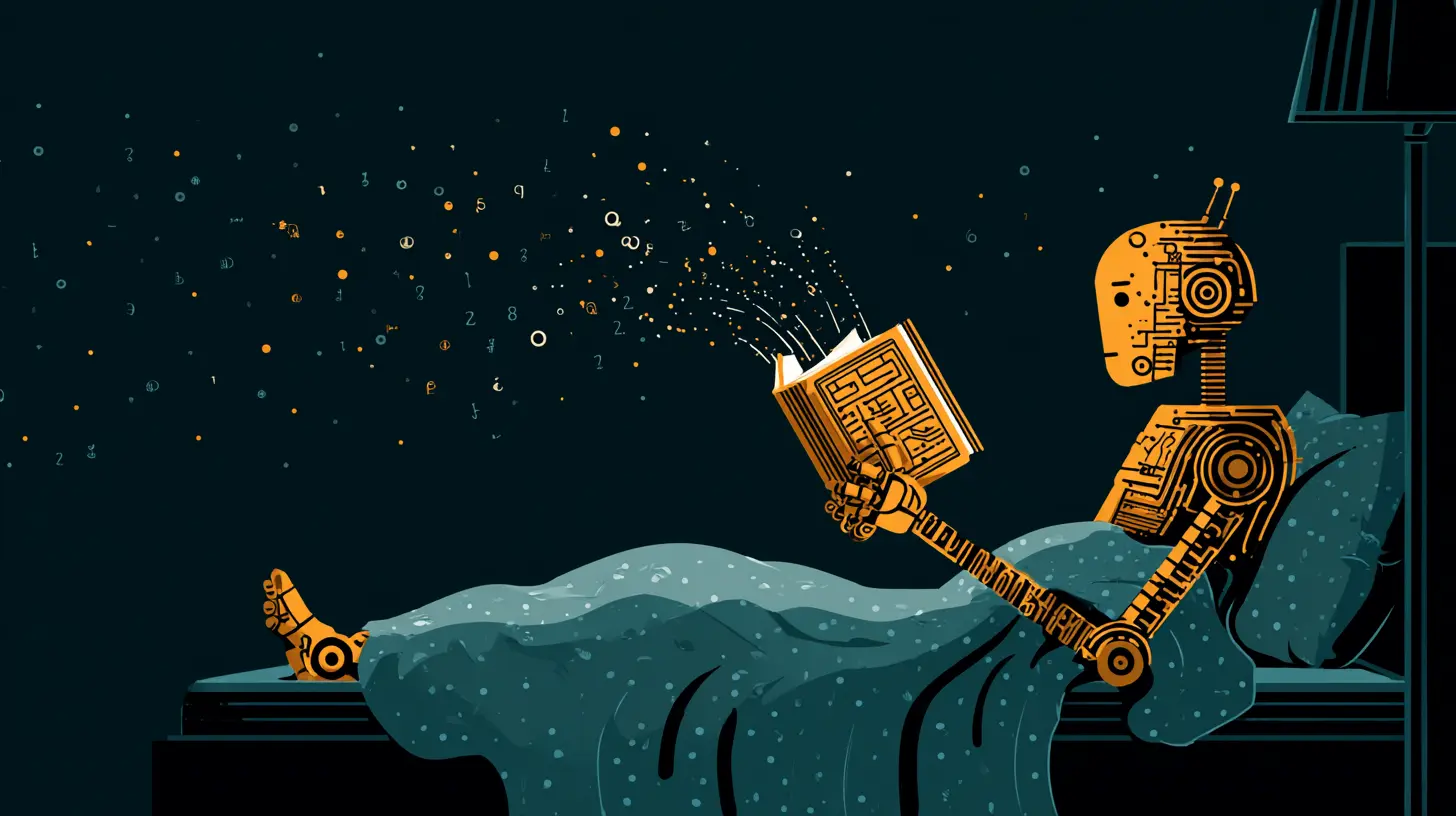
The Workday: AI as Colleague, Not Tool
By 9 AM, you are sitting at a desk. The email client has already sorted your inbox using a natural language model. It flagged an urgent message from your boss, categorized a newsletter as low priority, and moved a phishing attempt to spam. This is the most common form of AI most people interact with, and it is also the most misunderstood.The model that sorts your email does not understand the content. It understands statistical patterns. It has seen millions of emails labeled "urgent" and knows that those messages often contain phrases like "deadline," "ASAP," or "please review." It also knows that emails from your boss with attachments are more likely to be important than emails from a vendor with the same keywords. This is not intelligence. It is pattern matching at massive scale. The danger is that we begin to trust these patterns as truth. A truly novel request, written in an unusual tone, might get buried in spam. The AI is not being lazy. It is being conservative. It prefers to miss a legitimate email than to show you spam.
The Meeting Summarizer: A Case Study in Trade-Offs
AI meeting summarizers have become popular. They listen to a conversation, transcribe it, and generate bullet points. The technology is impressive, but it has a hidden flaw. The model is trained on clean, structured conversations. Real meetings are chaotic. People interrupt, speak over each other, mumble, and use sarcasm. The summarizer will faithfully capture the words but miss the intent. A sarcastic "Great idea, Dave" becomes a positive endorsement. The model does not have access to tone, body language, or shared history.The best practice is to use these tools for factual recaps only. Deadlines, assigned tasks, and numerical data are safe. Emotional nuance and strategic subtext should be handled by humans. If you rely on an AI summary for a sensitive negotiation, you are essentially reading a translation of a translation. Something will be lost.

The Afternoon: AI in Your Pocket and on Your Plate
Lunchtime brings another interaction, often invisible. Your food delivery app uses a recommendation engine that does not just suggest what you might like. It optimizes for restaurant wait times, driver availability, and profit margins. The model knows that if it shows you a Thai restaurant that is currently slow, it can balance the load across the kitchen while still getting your food to you quickly. This is a win-win in theory, but it means you are never seeing a neutral menu. You are seeing a menu curated by logistics.The misconception here is that recommendations are about you. They are about the system. The AI wants to keep you engaged, spending, and satisfied enough to return. It will sacrifice novelty for predictability. If you always order pad thai, it will stop showing you sushi because the risk of you trying something new and being disappointed is too high. This creates a filter bubble of taste. To break out of it, you must manually search for new cuisines. The AI will not do it for you.
The Smart Fridge That Does Not Understand Hunger
Smart kitchen appliances are a fascinating case of over-engineered solutions. A refrigerator that tracks expiration dates and suggests recipes based on what you have is technically impressive. But it fails to account for the most human variable: craving. You might have chicken, broccoli, and rice, but you want pizza. The AI will suggest a stir-fry because it minimizes waste. The conflict is between optimization and desire.These devices work best for people who treat food as fuel. If you are a meal-prepper who eats the same rotation of dishes, a smart fridge is a godsend. If you cook by instinct and mood, the constant suggestions will feel like nagging. The trade-off is efficiency versus autonomy. Before buying any AI kitchen gadget, ask yourself whether you want a sous-chef or a taskmaster.
The Evening: AI That Reads Your Mood
As the day winds down, your entertainment platforms take over. Streaming services, social media feeds, and news aggregators all use AI to predict what you want to see. But the mechanism is different from the morning's predictive models. These systems use reinforcement learning with a reward function tied to engagement. They are not trying to make you happy. They are trying to keep you watching.This is a critical distinction that most users miss. A happy user might close the app after one episode. An anxious, bored, or frustrated user keeps scrolling. The algorithm learns that slightly negative emotions drive longer sessions. It will subtly recommend content that triggers these states. Conspiracy theories, outrage bait, and sad music all perform well in engagement metrics. The AI does not have malice. It has a goal, and it pursues it ruthlessly.
The Bedtime Story: When AI Tries to Be Human
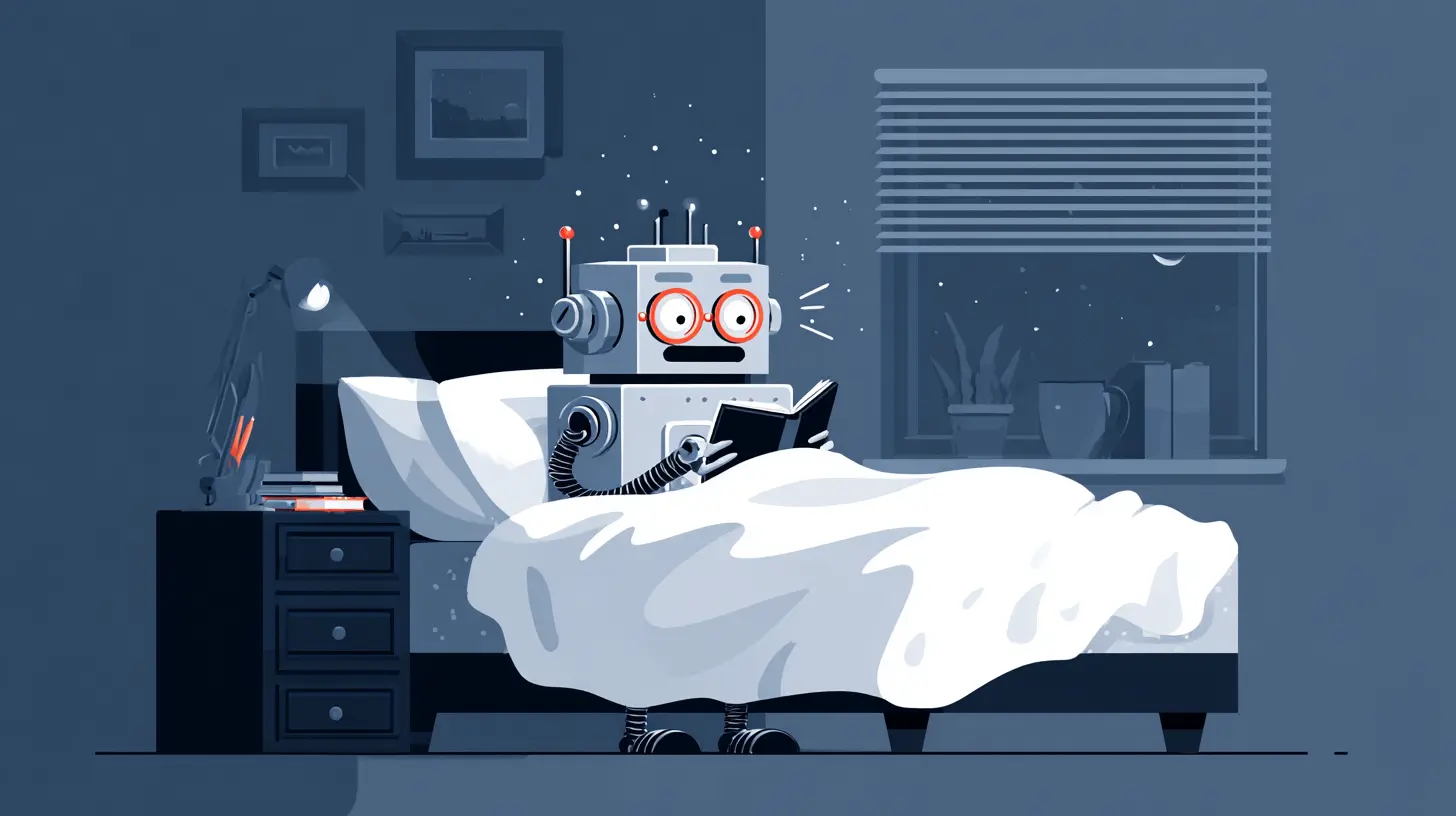
The final interaction of the day is often the most intimate. Parents use smart speakers to play bedtime stories. Single people use AI companions to talk through their thoughts before sleep. These systems use large language models trained on millions of narratives and conversations. They can generate a unique story about a dragon and a princess in seconds. They can listen to your worries and respond with soothing platitudes.But here is the uncomfortable truth. The AI does not care about you. It cannot care. It simulates empathy by matching patterns in your speech to patterns in its training data. When you say "I feel lonely," the model knows that humans typically respond with "I am sorry you feel that way. Tell me more." It generates that response because it is statistically likely, not because it feels anything. For many people, this simulation is enough. It provides comfort without judgment. For others, it feels hollow and manipulative.
The best practice is to be honest with yourself about what you need. If you want a distraction, AI storytelling is excellent. If you want genuine connection, no algorithm can replace a human voice. The danger is not in using AI for comfort. It is in forgetting that the comfort is manufactured.
The Night: What the AI Knows About You While You Sleep
When you finally close your eyes, the data collection does not stop. Your smart mattress tracks your movements. Your sleep tracker monitors your heart and breathing. Your smart speaker listens for snoring or sleep talking. All of this data is fed back into the models that will decide how to wake you in the morning.This creates a closed loop. The AI learns your sleep patterns, adjusts your environment, and then measures the results. In theory, this should lead to perfect sleep over time. In practice, it can lead to anxiety. People become obsessed with their sleep scores. They wake up, check the app, and feel stressed if the score is low. The stress then affects the next night's sleep. The tool designed to help becomes a source of pressure.
The solution is to use these devices as guides, not judges. A sleep score is a data point, not a verdict. If you feel rested, the score does not matter. If you feel tired despite a high score, there might be a medical issue that no algorithm can diagnose. AI is excellent at measuring. It is terrible at understanding context.
The Big Picture: Living with Invisible Intelligence
Looking back over the day, one pattern emerges. AI is not a single thing. It is a collection of narrow models, each optimized for a specific task. The alarm clock model does not understand coffee. The navigation model does not understand email. They operate in silos, connected only through you. This is both a strength and a weakness.The strength is specialization. Each model can be tuned to near-perfection for its domain. The weakness is fragmentation. No single AI sees your whole day. No model knows that you slept poorly because you were worried about the meeting that the email model flagged as urgent. The integration of these systems is the next frontier, but it comes with enormous privacy risks. A model that knows your sleep, your commute, your work stress, and your entertainment choices knows more about you than any human ever could.
What to Do About It
The practical advice is simple but hard to follow. Audit your AI interactions once a month. Look at what data each device collects. Ask whether the convenience is worth the intrusion. Turn off features you do not need. The smart coffee maker does not need to know your calendar. The sleep tracker does not need to upload your data to the cloud. Most defaults are set for maximum data collection because data is valuable. You have the power to change those defaults.The second piece of advice is to maintain redundancy. Do not let AI become the only way you perform a critical task. Know how to navigate without GPS. Know how to wake up with a standard alarm. Know how to cook without a smart appliance. This is not Luddism. It is resilience. Algorithms fail. Servers go down. Batteries die. When that happens, the person who still knows the old way will not be stranded.
The Future: Where This Is All Going
The trajectory is toward ambient intelligence. AI will become less visible, more embedded, and more predictive. Your home will adjust lighting, temperature, and music without you asking. Your car will route you to a gas station before you realize you are low. Your calendar will block out time for focus work based on your historical productivity patterns.But the same trajectory raises a question that few are asking. If AI handles all the decisions, what happens to human judgment? Decision-making is a muscle. It atrophies when not used. A generation raised on AI recommendations may find themselves unable to choose a restaurant, a movie, or a route without consulting a machine. The convenience of today could become the dependence of tomorrow.
The antidote is intentional friction. Sometimes choose the wrong route to see where it leads. Sometimes pick a movie you know you will hate. Sometimes wake up without an alarm and let your body decide. These small acts of rebellion keep your decision-making faculty alive. They remind you that you are the one living your life, not an algorithm.
Final Thoughts
From the moment the alarm pulls you from sleep to the moment a synthetic voice reads you a story, AI is there. It is not malevolent. It is not benevolent. It is a tool, and like all tools, it amplifies the intentions of its user. The question is not whether AI will run your day. It already does. The question is whether you will run it consciously or drift through it on autopilot.The best users of AI are not the ones who trust it most. They are the ones who understand its limits. They know when to follow the recommendation and when to ignore it. They know that the model is a mirror of the data it was trained on, and that data includes every human flaw: bias, greed, laziness, and fear. They do not expect perfection. They expect utility.
So tomorrow morning, when the soft chime pulls you from a dream, take a moment to thank the algorithm. Then make your own coffee. Choose your own route. Tell your own story. The AI will be there to help, but it should never be the author of your day. That role belongs to you.
all images in this post were generated using AI tools
Category:
Ai In Daily LifeAuthor:

Marcus Gray
Discussion
rate this article
1 comments
Nala Ramirez
AI's got our mornings covered with wake-up calls and our evenings wrapped up in bedtime tales. Who knew a robot could be the ultimate personal assistant and storyteller? Next up: AI as our therapist... or is that just a sci-fi dream?
July 27, 2026 at 4:39 AM