Exploring the Gadgets Shaping the Future of Transportation
30 May 2026
Technology is evolving at lightning speed, and the transportation industry is no exception. From self-driving cars to flying taxis, the future of mobility is closer than you think. But what’s really pushing these innovations forward? Gadgets!
Yep, the latest tech gadgets are enhancing how we travel, making our rides safer, faster, and way more efficient. So, buckle up as we take a ride into the future and explore some amazing devices that are changing how we move!
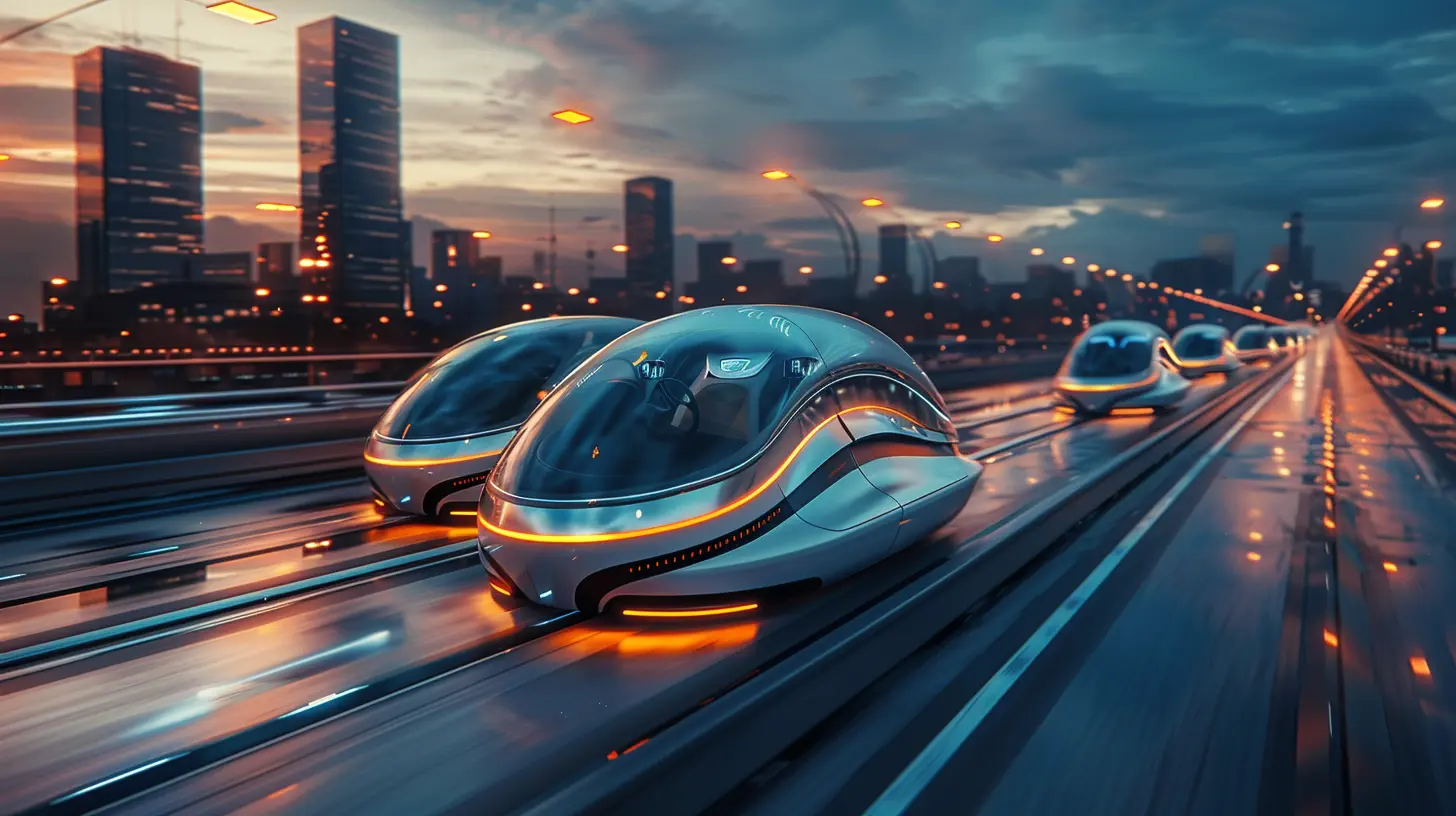
1. Autonomous Vehicle Tech – The Brain Behind Self-Driving Cars
Self-driving cars are no longer just a sci-fi fantasy; they’re already on the roads in some parts of the world. But what makes them tick?LiDAR Sensors – The Eyes of the Car
LiDAR (Light Detection and Ranging) sensors are incredibly crucial for autonomous vehicles. They work by sending out laser pulses that bounce off objects, helping the car "see" its surroundings. These real-time 3D maps help self-driving cars avoid collisions and navigate smoothly.AI-Powered Driving Assistants
Artificial intelligence is playing a huge role in making autonomous vehicles smarter. Advanced driver-assistance systems (ADAS) use AI to analyze road conditions, predict human behavior, and make split-second decisions.Think of it as your car having a brain that never gets distracted by texts or snacks!
V2X Communication – Cars Talking to Each Other
Vehicle-to-everything (V2X) communication allows cars to exchange information with road infrastructure, pedestrians, and other vehicles. Imagine a world where your car knows about traffic congestion or an accident ahead before you even see it!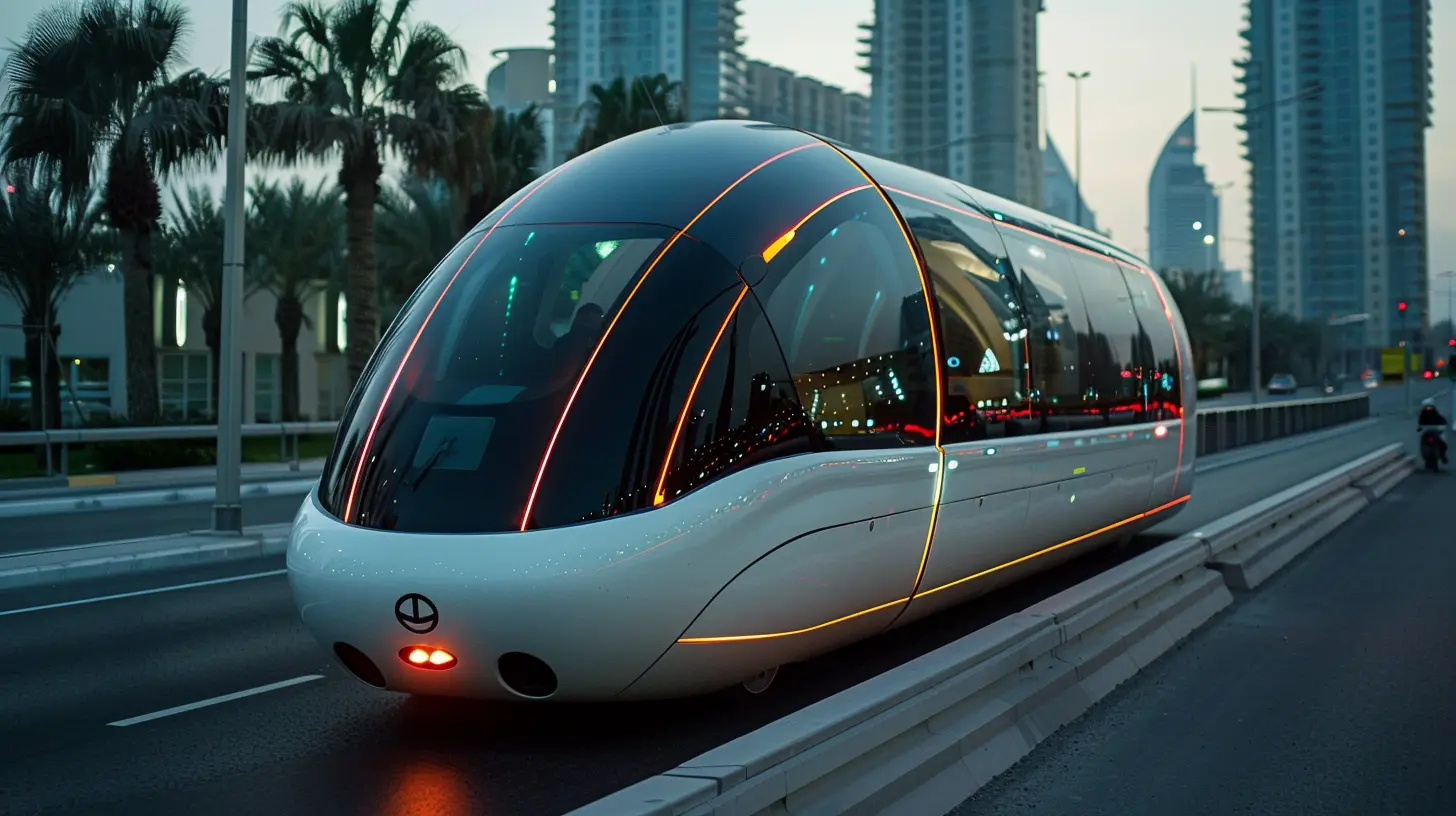
2. Hyperloop – The Future of High-Speed Travel
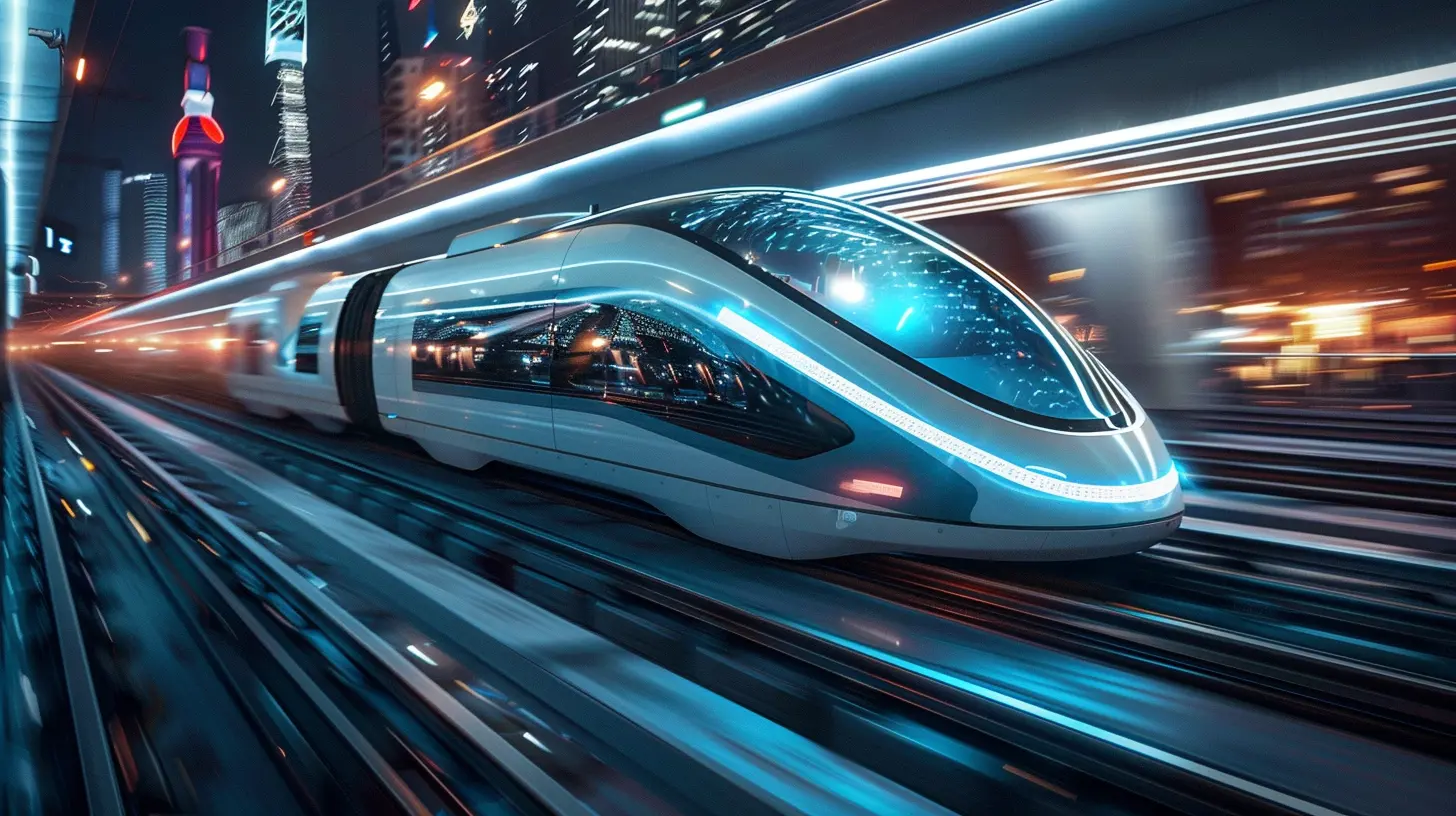
Elon Musk’s Hyperloop concept is no longer just an idea—it’s becoming a reality. This high-speed transportation system uses a vacuum tube to propel passenger pods at speeds of up to 700 mph. But how is this even possible?Magnetic Levitation (Maglev) Tech
Maglev technology eliminates friction by levitating the pods using powerful electromagnets. No wheels, no resistance—just pure speed!Vacuum-Sealed Tubes
By removing almost all the air inside the tubes, Hyperloop pods can travel faster with minimal drag. It's like comparing a smooth ice-skating experience to running in deep sand—less resistance means more speed.If this becomes mainstream, long road trips could be a thing of the past. Imagine traveling between cities in minutes instead of hours!
3. Smart Helmets – Next-Level Safety for Riders
Motorcyclists and cyclists are getting a major tech upgrade with smart helmets. These aren’t your average head protectors.Augmented Reality (AR) Displays
Smart helmets now come with built-in AR displays that show speed, navigation, and even hazard alerts—all without the rider taking their eyes off the road.Bone-Conduction Audio
Instead of traditional speakers, some helmets use bone-conduction technology to transmit sound through vibrations in your skull. This means riders can listen to navigation cues while still being fully aware of their surroundings.Crash Detection & Emergency Calls
If a smart helmet detects a crash, it can automatically send an SOS message with GPS coordinates to emergency services. A true lifesaver, literally!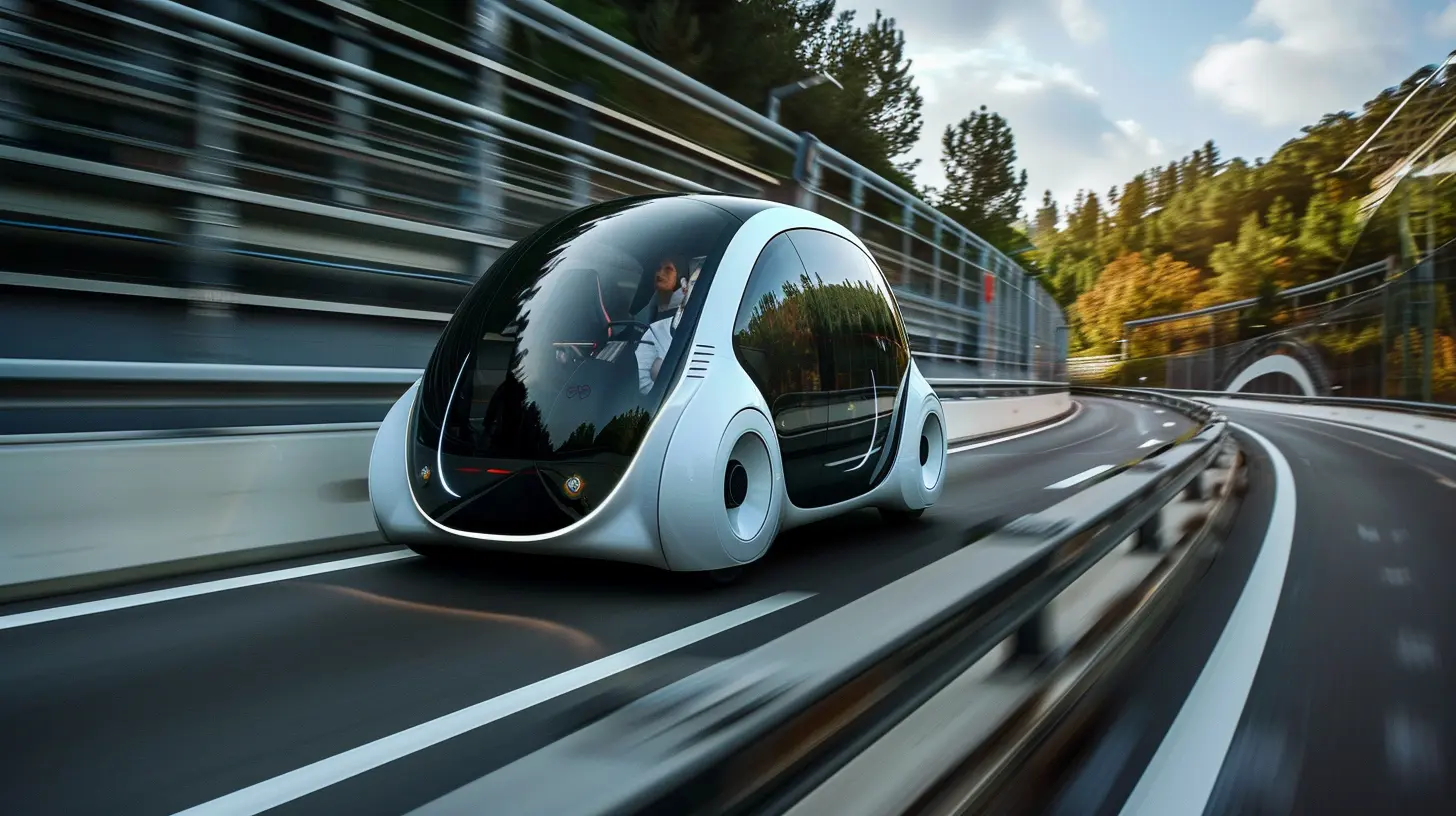
4. Urban Air Mobility – The Era of Flying Cars and Air Taxis
Flying cars have been a dream for decades, but thanks to advancements in electric vertical takeoff and landing (eVTOL) technology, that dream is turning into reality.Electric eVTOL Vehicles
These battery-powered aircraft take off and land vertically, eliminating the need for runways. Companies like Joby Aviation and Volocopter are already testing prototypes that could soon make short aerial commutes a part of daily life.Autonomous Air Taxis
Imagine ordering an air taxi through an app, hopping in, and flying over traffic jams. Companies like AeroMobil and Uber Elevate are working on making this happen.AI-Powered Air Traffic Systems
With flying vehicles comes the need for smart air traffic control. AI systems are being developed to safely manage air mobility, ensuring drones, delivery bots, and eVTOLs don’t collide mid-air.5. Smart Traffic Systems – Reducing Congestion with AI
Traffic congestion is one of the biggest headaches of city life. But AI-powered smart traffic systems are stepping up to the challenge.AI-Driven Traffic Lights
Smart traffic lights use real-time data and AI to adjust signal timings dynamically. This reduces unnecessary waiting times and eases congestion.Connected Road Infrastructure
Smart roads embedded with sensors can communicate with traffic systems, detecting accidents or icy conditions and alerting drivers instantly.Drone-Based Traffic Monitoring
Drones are being used to monitor traffic patterns from the sky, providing authorities with real-time updates to manage congestion better.
6. Smart Electric Scooters & E-Bikes – The Last-Mile Mobility Gamechangers
Electric scooters and e-bikes are changing how people commute in cities. They're lightweight, eco-friendly, and super convenient.IoT Connectivity
Modern e-scooters come equipped with GPS tracking, anti-theft alarms, and even remote diagnostics via smartphone apps.Regenerative Braking
Some advanced e-bikes and scooters now feature regenerative braking, which converts braking energy into a charge for the battery—extra power without plugging in!Self-Balancing Technology
Worried about falling off? Some high-tech e-scooters now come with self-balancing gyroscopes, making rides smoother and safer.7. Solar-Powered Vehicles – Harnessing the Sun for Travel
While electric cars are becoming more common, solar-powered vehicles are taking things up a notch.Solar Panels on Cars
Brands like Aptera and Lightyear are integrating solar panels directly into car bodies, allowing vehicles to charge themselves while on the go.Extended Driving Range
Solar vehicles can significantly extend the range of electric cars, making them more sustainable and reducing reliance on charging stations.Self-Sustaining Transportation
Imagine never having to charge your car again—it just powers itself with sunlight. That’s the future solar vehicles are promising!
8. Smart Wearables for Drivers – Enhancing Focus and Safety
Gadgets aren’t just for vehicles; they’re also helping drivers stay safe and focused.Fatigue-Detection Wearables
Smartwatches and headbands can now track signs of driver fatigue and issue alerts when it's time to take a break.Smart Glasses with Navigation
AR-powered smart glasses can project real-time navigation prompts right in front of your eyes, reducing the need to glance at a phone or GPS screen.Heart Rate & Stress Monitoring
Some wearables constantly monitor a driver's heart rate and stress levels, helping prevent medical emergencies while on the road.Final Thoughts
Transportation is evolving rapidly, and the integration of smart gadgets is making it safer, smarter, and more efficient. Whether it’s self-driving technology, high-speed transit, or flying taxis, the future of mobility is packed with innovation.So, next time you hop in your car or ride your bike, just remember—you're witnessing the early days of a transportation revolution. Who knows? In a few years, your daily commute might look completely different!
all images in this post were generated using AI tools
Category:
Latest GadgetsAuthor:

Marcus Gray
Discussion
rate this article
1 comments
Avery McKnight
Great insights on innovative gadgets! Excited to see how they transform our travel experience.
June 10, 2026 at 3:40 AM
Marcus Gray
Thanks for your enthusiasm! It's an exciting time for travel innovations.