SRT Solved The Hurricane Engine's Turbo Lag Issue With A New Technology
August 7, 2026 - 03:49
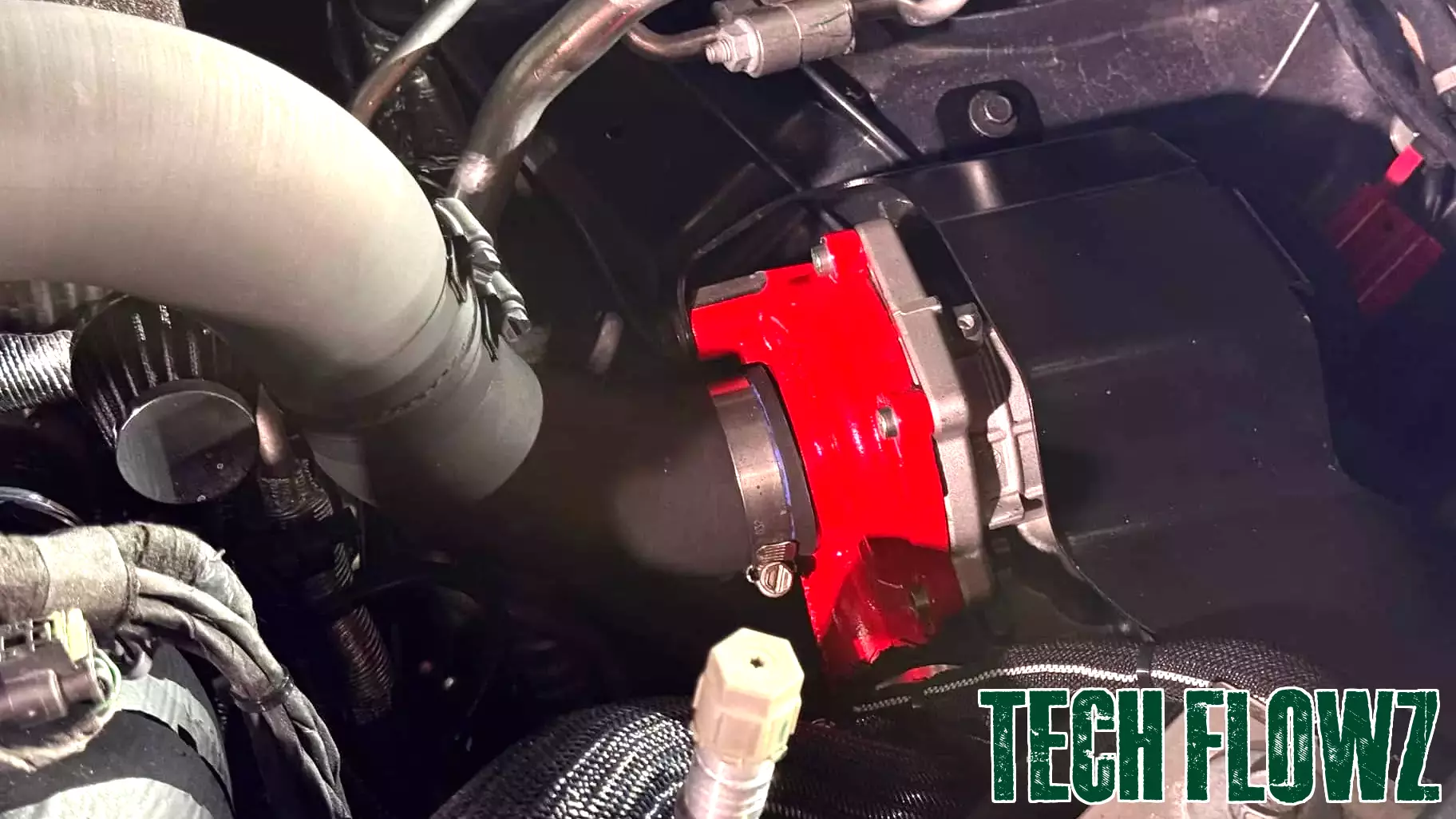
Fiat Chrysler's performance arm, SRT, has been working on a solution to one of the most persistent complaints about big-displacement turbocharged engines: the dreaded lag. The result is a new concept called the eBoost Air system, an electrically driven air compressor that is designed to spool up boost almost instantly, long before the exhaust gases can get the main turbo spinning.
The idea is not entirely new, as some luxury automakers have used electric superchargers to fill the gap at low RPM. But SRT's approach is different. Instead of adding a heavy electric motor and a large battery pack, the eBoost Air uses a compact, high-speed compressor that draws power from the vehicle's existing 48-volt electrical architecture. The system can generate meaningful boost pressure in under 300 milliseconds, which is roughly the time it takes to blink. That means when a driver mashes the throttle from a standstill or while rolling at low speed, the engine responds immediately, with no waiting for the exhaust flow to catch up.
The key advantage is that the eBoost Air is not a replacement for the turbocharger. It is a supplement. The main turbo still does the heavy lifting at higher RPM, but the electric compressor handles the low-end response. This allows engineers to use larger, more efficient turbos without sacrificing drivability. In a typical setup, a big turbo that makes strong top-end power will feel lazy off the line. With eBoost Air, that compromise disappears.
SRT has not announced any production timeline, and the system is still a concept. But the engineering team has been testing it on a V-8 test mule, and the results reportedly show a significant reduction in the time it takes to reach peak torque. The system also helps with throttle response during gear changes, where boost can drop off momentarily.
There are still questions about packaging, cost, and long-term reliability. Adding an electric compressor means more components under the hood, and it requires careful thermal management. But for a brand known for building high-horsepower muscle cars and SUVs, the ability to eliminate turbo lag without adding a heavy hybrid system could be a major selling point. If the technology proves out, it could appear on future SRT models, possibly as part of a performance hybrid package or as a standalone feature. For now, it remains a promising glimpse at how the next generation of performance engines might keep the internal combustion engine relevant in an increasingly electrified world.
MORE NEWS

August 6, 2026 - 00:42
Diabetes Technology Innovations Special Report 2026The diabetes technology sector is moving faster than ever, and a new ranking of the world`s biggest players in the field shows just how crowded and competitive the space has become. The list, which...

August 5, 2026 - 05:18
Could tech replace firefighters in the battle against wildfires?New tools are changing how we spot and track wildfires, but the dirty, dangerous work of putting them out still falls to humans. Drones, satellites, and AI-powered cameras now scan forests around...
August 4, 2026 - 23:53
UCLA-Led Team Selected for National Science Foundation Quantum Technology AwardA multidisciplinary team from UCLA, bringing together physicists, engineers, and computer scientists, has secured a significant financial boost from the U.S. National Science Foundation. The group...

August 4, 2026 - 06:42
IEEE Broadcast Technology Society Honors Charles EinolfCharles Einolf has been named the recipient of the Jules Cohen Award, the highest distinction given out by the IEEE Broadcast Technology Society. The award recognizes his long-standing...