AI Model Prices Are Falling At The Worst Moment For The U.S. Frontier Labs
July 18, 2026 - 03:44
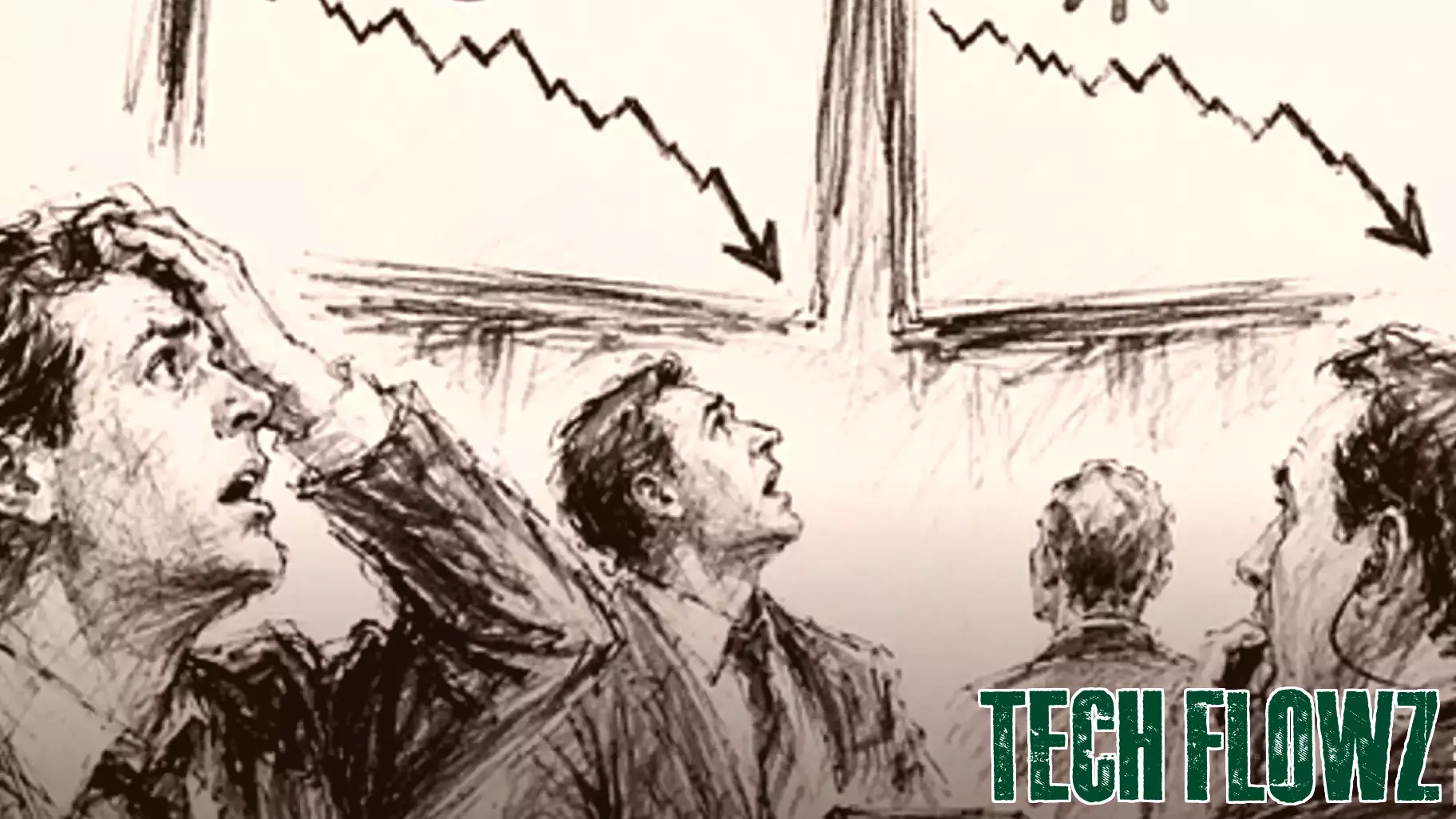
Anthropic and OpenAI have spent years raising and burning through enormous sums of money to build the most powerful AI models in the world. Their bet was simple: own the frontier of artificial intelligence, and the returns would follow. But just as these companies are eyeing public offerings and trying to prove their long-term value, a wave of cheaper competitors is crashing into the market.
In the last eight days alone, Meta, SpaceX, and the Chinese firm Moonshot have all released new models at price points that suggest frontier intelligence is becoming a commodity, not a premium asset. Meta's Muse Spark 1.1 matches Anthropic's Opus 4.8 on several benchmarks but costs a fraction of the price. SpaceX's Grok 4.5 is less than half the cost of Opus 4.8 and holds its own on coding tests. Moonshot's Kimi K3, a massive 2.8-trillion-parameter model, is expected to go open-weight, which could further erode the pricing power of U.S. labs.
Gavin Baker, managing partner at Atreides Management, said on Friday that a world with only two or three dominant labs enjoying 90 percent inference margins is great for those labs but bad for everyone else. He argued that anything that lowers margins and increases competition at the model layer benefits the rest of the AI ecosystem, including power, semiconductors, hyperscalers, and software.
It now looks like there could be six or more frontier AI developers instead of two or three. That would slash model margins dramatically. The real value in AI, then, will come from building the best products that sit on top of those models.
The good news for Anthropic and OpenAI is that they are already building some of the best AI products in the world, alongside their top-tier models. A year ago, Anthropic's business was mostly API sales. Now it has a strong mix of API and its own products. Boris Cherny, head of Claude Code at Anthropic, said in a May interview that products play a much bigger role for the company than they did a year ago.
The bad news is that instead of competing with a small group of companies to develop top-tier models and profit from them, these labs will now have to compete with everyone on the product front. That is a daunting prospect as they continue to lose money developing models and watch their margins shrink.
There is a certain irony to all of this. For a long time, people wondered whether any product built on top of an AI model could be valuable, or if it would just be a wrapper that the model itself would eventually swallow. Now it turns out the wrapper may be where the real value lies.
MORE NEWS

July 17, 2026 - 21:29
Does AI Success Depend on Leadership As Much as Technology?As artificial intelligence reshapes industries, a growing number of experts argue that the technology itself is only half the equation. The real differentiator, they say, is leadership. Without a...

July 17, 2026 - 09:39
Baylor professors win Hollywood award for technology that could change how the world sees colorYour computer screen is only showing you about 45 percent of the color your eyes can actually see. That gap might soon close, thanks to a breakthrough from two Baylor University professors who just...

July 16, 2026 - 17:52
US Tech Modernization Fund Calls for Proposals on Permitting Tech and AI ProjectsThe federal government`s Technology Modernization Fund, or TMF, has issued a new request for project proposals focused on accelerating permitting technology and artificial intelligence adoption...

July 16, 2026 - 01:43
Inside the lab shaping hospitality’s technology-driven futureThe hospitality industry is advancing faster than most people realize, and much of that evolution is happening inside a single research facility. This lab, tucked away from the public eye, is where...