Advancing Hearing Technology Through Smarter Sensors and High-Efficiency Processing
June 17, 2026 - 08:41
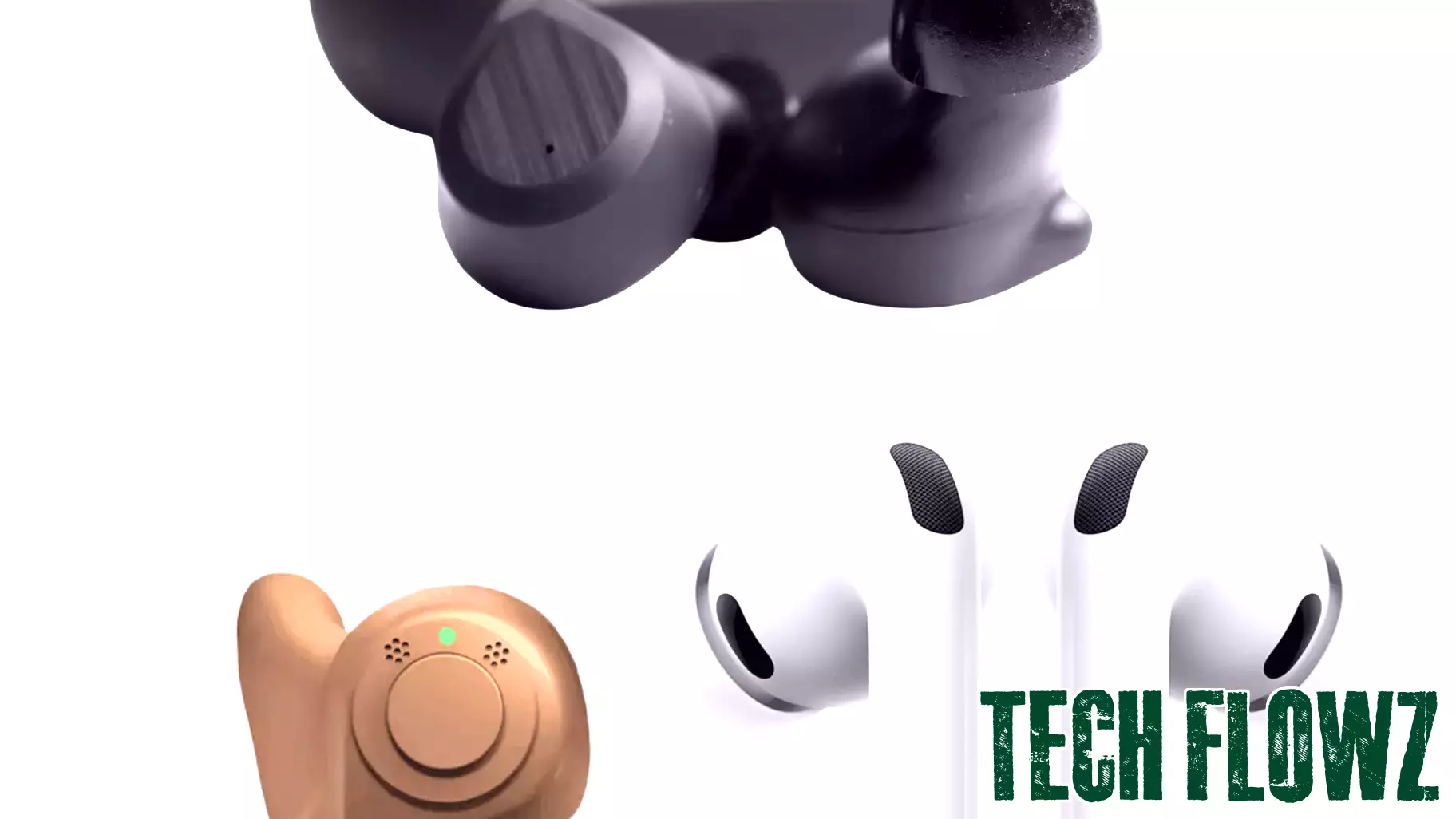
The next wave of hearing aid innovation is being driven by a quiet revolution in on-device sensing and processing. Instead of relying on bulky external processors or cloud-based systems, manufacturers are packing smarter microphones and low-power chips directly into the earpiece. This shift promises to solve three long-standing problems: battery drain, sound delay, and background noise.
Traditional hearing aids often struggle to filter out competing sounds like wind, traffic, or chatter in a crowded room. New sensor arrays can now detect the direction and type of sound in real time, then adjust amplification instantly. This is paired with high-efficiency processors that run complex noise-reduction algorithms without draining the battery. The result is a device that can separate a conversation from a blender or a passing train, all while using less power than a standard Bluetooth earbud.
Latency has also been a major hurdle. Even a tiny delay between a sound hitting the microphone and reaching the speaker can make speech feel unnatural or disorienting. By processing everything on the device itself, engineers have cut that lag to nearly zero. Users report a more natural listening experience, with no echo or robotic quality.
These advances are not just about better hearing. They also open the door to longer battery life, smaller form factors, and more comfortable all-day wear. As sensor technology continues to shrink and processors become more efficient, the gap between hearing aids and natural hearing is closing faster than ever. For the millions who rely on these devices, that means less noise, less effort, and more clarity in everyday life.
MORE NEWS

August 1, 2026 - 00:58
Lancaster County Career & Technology Center-Willow Street graduates and award winnersThe Lancaster County Career and Technology Center - Willow Street campus held its annual certificate ceremony on May 26 at Calvary Church, recognizing the achievements of its graduating class....

July 31, 2026 - 02:06
U.S. investigating if Iran was behind cyberattack on Minnesota water systemsFederal investigators are now looking into whether Iranian state-backed hackers are responsible for a cyberattack that disrupted technology at more than 30 community water systems in Minnesota this...
July 30, 2026 - 23:01
$1B from Technology Modernization Fund Has Produced under $14M in Savings, GAO SaysA new report from the Government Accountability Office reveals that the Technology Modernization Fund, which has allocated $1.03 billion to 68 federal IT upgrade projects since its launch in 2018,...

July 30, 2026 - 00:01
Google brings its age-assurance technology to Android developers worldwideGoogle is rolling out its Play Age Signals API to Android developers around the world, offering a new method for apps to estimate user age without collecting sensitive personal data. The technology...