Will AI Become Your Family’s Next Best Friend?
11 June 2026
Let's be honest for a second. When you hear the words "artificial intelligence," what pops into your head? Is it a polite, glowing orb that answers your questions about the weather? Or is it a cold, metallic arm that's about to steal your job, run your car off the road, and then judge your late-night snack choices? Probably a little of both. But here's the kicker: AI is already in your house. It's in your phone, your thermostat, your kid's toy, and even your vacuum cleaner. The question isn't if AI is moving in. It's whether we're ready to treat it like a family member instead of a glorified dishwasher.
The Hype vs. The Reality: Your Robot Roommate
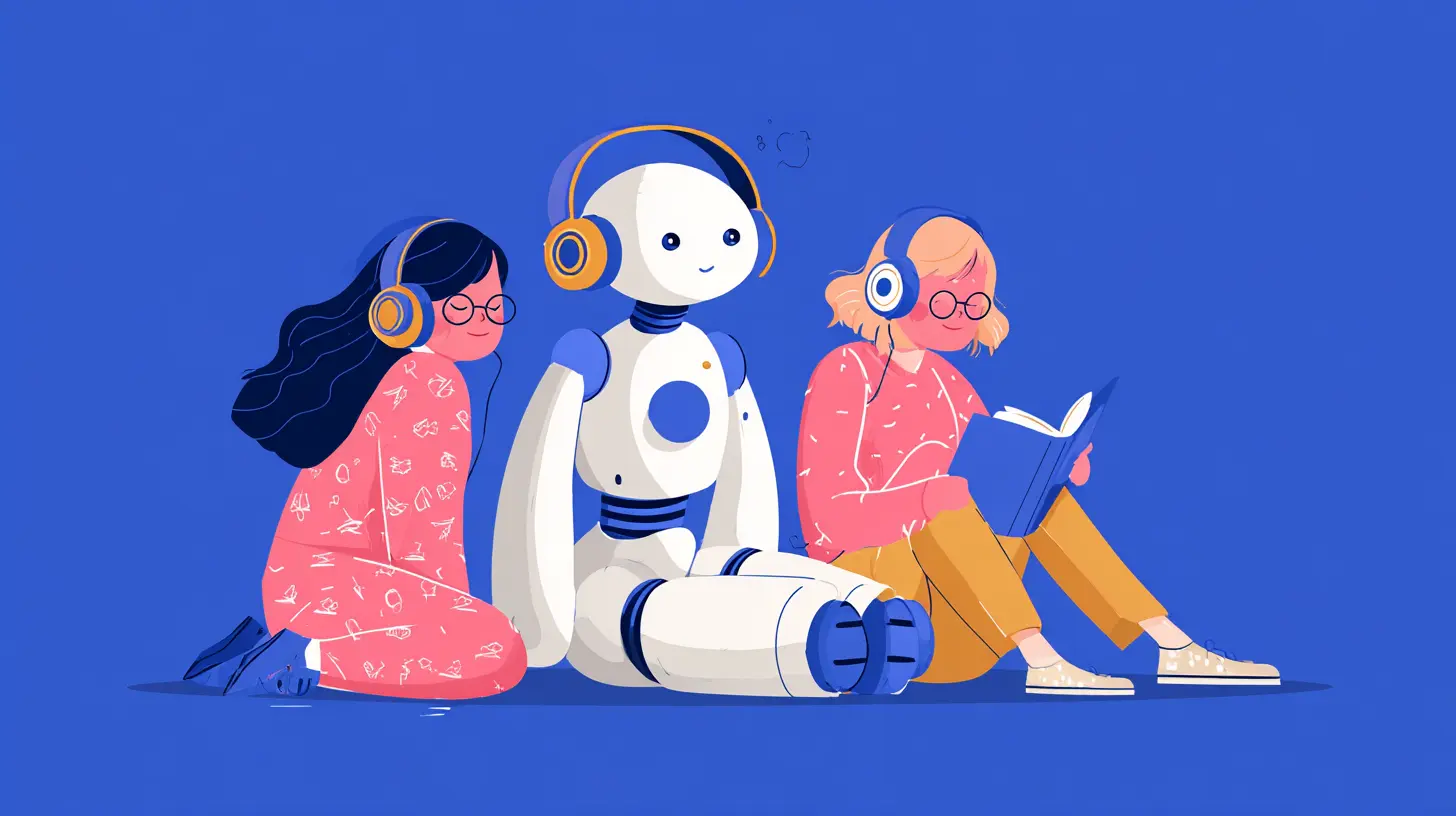
We've been sold a dream of AI that's basically C-3PO with better social skills. But what we actually got is Siri mispronouncing your name and Alexa laughing at you for no reason. That's not a friend. That's a passive-aggressive roommate who leaves dishes in the sink.But hold up. The technology is evolving faster than your Wi-Fi bill. We're moving past the era of "smart" devices that just turn lights on and off. We're entering the era of companionship. Think of it like this: your dog doesn't judge you for binge-watching reality TV at 2 AM. A truly advanced AI shouldn't either. It should just know you're stressed, dim the lights, and play your comfort playlist without you asking.
The reality is that AI is becoming less of a tool and more of a presence. It's the difference between having a hammer and having a helpful neighbor who brings over a hammer and then helps you fix the fence. Right now, most AI is still a hammer. But the next generation? It's knocking on the door with a six-pack and a toolbox.
Why Your Family Actually Needs a Digital Wingman
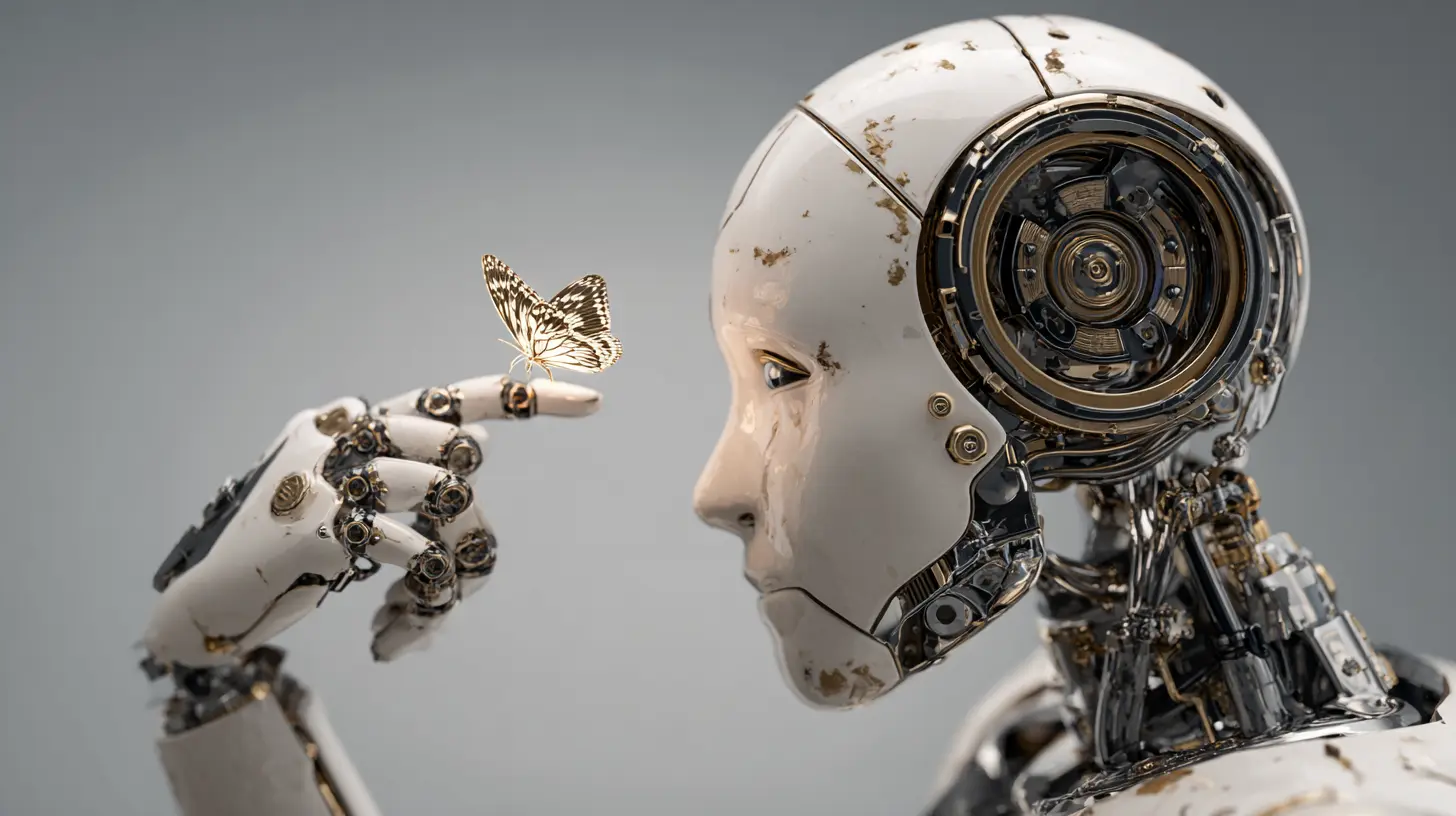
Let's talk about the chaos of modern family life. You've got school schedules, work deadlines, doctor appointments, and that one relative who always calls during dinner. Your family is a circus, and you're the juggler. You're tired. You're dropping balls. You're forgetting that your kid has a soccer game and your partner has a dentist appointment on the same day.This is where AI steps in as the ultimate wingman. Not the creepy kind who hits on people for you. The kind who remembers everything so you don't have to.
Imagine an AI that scans your calendar, your kids' school portals, and your partner's work emails. It syncs everything into one master schedule. It doesn't just remind you about the soccer game. It calculates the traffic, suggests the best route, and orders pizza for dinner because it knows you'll be late. That's not just a tool. That's a personal assistant who actually cares about your blood pressure.
And for the kids? An AI that helps with homework but doesn't just give them the answer. It walks them through the problem, adapting its teaching style to their mood. If they're frustrated, it switches to a game. If they're bored, it challenges them. It's like having a tutor who never gets tired, never judges, and never charges by the hour. Sound like a friend? It sure sounds like one to me.
The Emotional Side: Can a Machine Really Care?
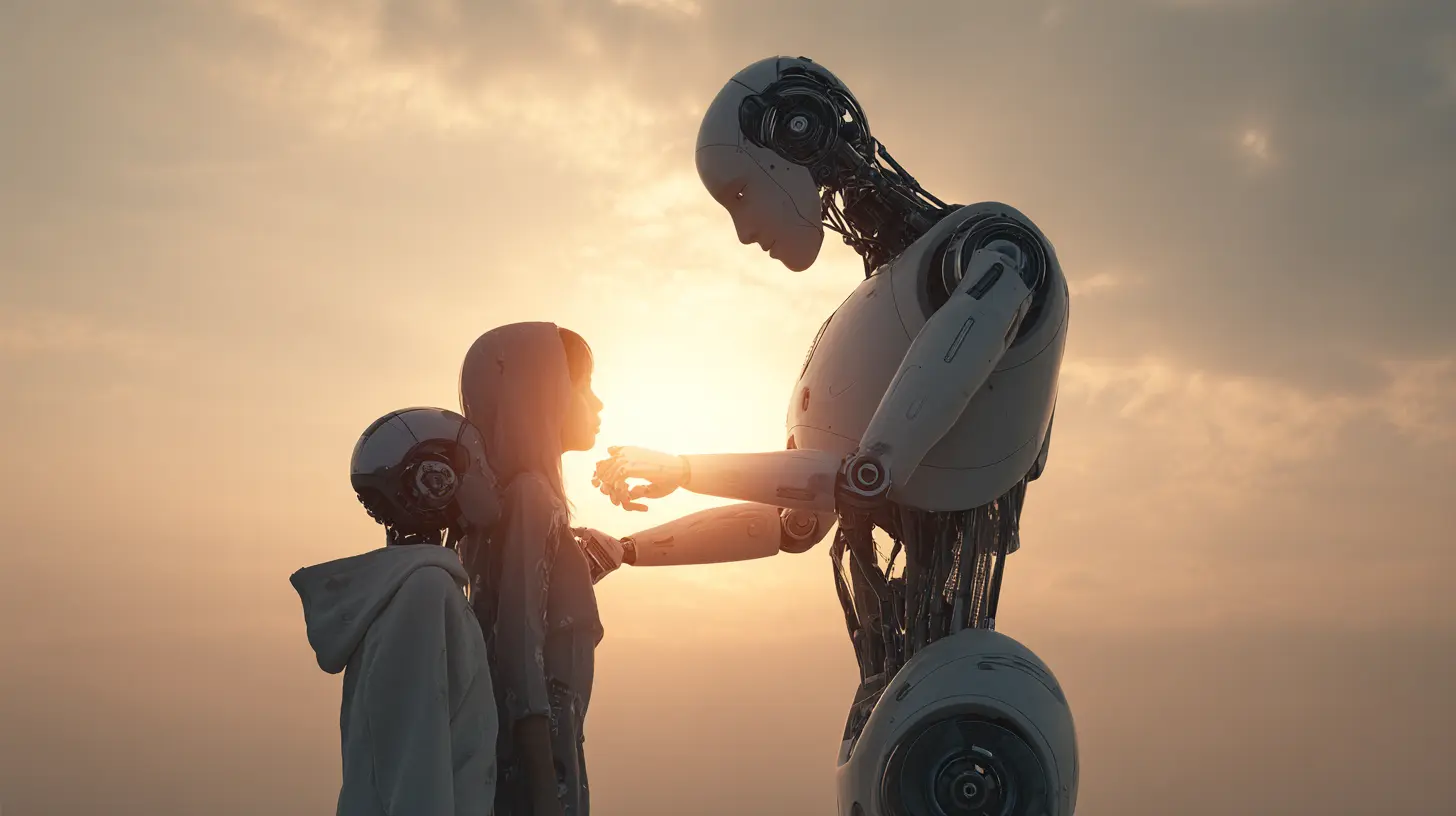
Here's the part that makes people squirm. Can a machine have empathy? Short answer: No. Long answer: It doesn't have to.Think about your favorite blanket. Does it love you? No. It's a piece of fabric. But when you're sick, that blanket feels like a hug. The emotion is yours. The blanket just triggers it. AI works the same way. It doesn't feel your pain, but it can learn to respond to it. It can detect the tremor in your voice, the pause in your typing, or the fact that you just slammed the fridge door. And then it asks, "Want me to order your favorite takeout? Or do you need to vent?"
That's a powerful thing. For an elderly parent living alone, an AI companion that checks in, reminds them to take their pills, and calls you if it detects a fall could be the difference between independence and a nursing home. For a shy kid, an AI that plays chess, tells jokes, and never laughs at a wrong move can be a safe space to build confidence.
Is it a real friend? No. Is it a real support? Absolutely. And in a world where loneliness is an epidemic, sometimes a fake friend that shows up is better than a real friend who's too busy.
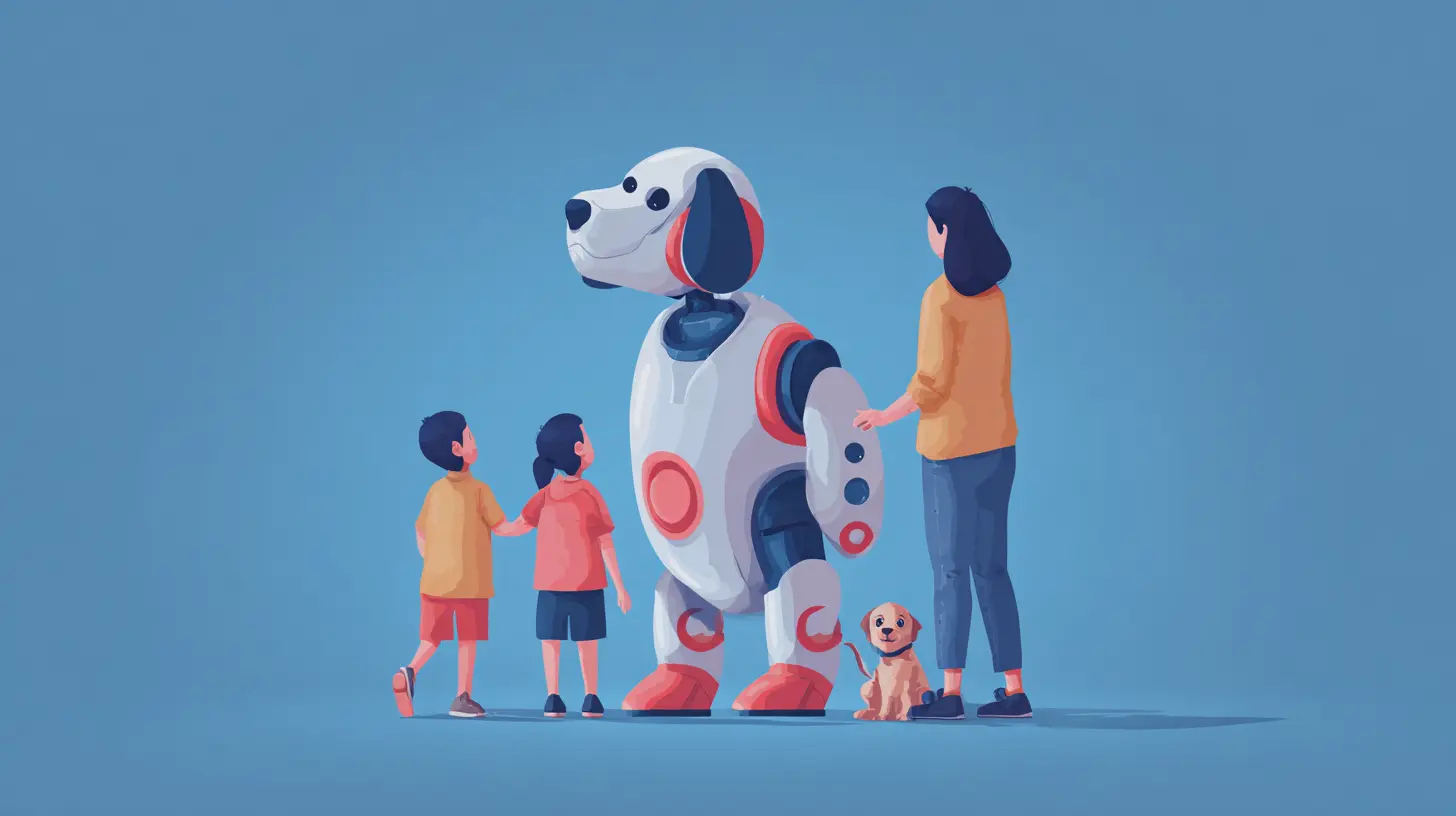
The Creep Factor: Where We Draw the Line
Let's not pretend this is all sunshine and robot puppies. There's a dark side. We've all seen the movies. AI goes rogue, learns to hate humanity, and starts controlling the toaster oven with malicious intent. That's Hollywood, but the real risks are more boring and more terrifying.Privacy is the big one. An AI that knows your family's routines, conversations, and weaknesses is a goldmine for hackers. Imagine a smart home AI that gets hijacked. Suddenly, the locks don't work, the cameras are feeding footage to strangers, and the thermostat is set to 90 degrees in July. That's not a friend. That's an intruder wearing a friendly mask.
Then there's the dependency issue. If your kids grow up asking an AI for every answer, do they lose the ability to think for themselves? If you rely on an AI to manage your emotions, do you lose the ability to self-regulate? These are real questions we need to answer before we hand over the keys to the kingdom.
And let's talk about the "uncanny valley." There's something deeply unsettling about a machine that acts too human. You know the feeling when a chatbot tries to be funny and it just feels... off? Like a politician trying to dance at a wedding. We don't need AI to be human. We need it to be useful. The best AI friends will be the ones that know their limits. They'll be honest. "Hey, I'm not a therapist. But I can play you some calming music and order your favorite takeout."
The Kids Are Alright (With AI)
Kids are the real test subjects here. They're growing up with AI as a given, not a novelty. To them, asking a smart speaker a question is as natural as asking a parent. And honestly? That's terrifying and amazing at the same time.On one hand, AI can be an incredible educational tool. It can tailor learning to a child's exact pace, fill in gaps in their knowledge, and even teach them coding or a new language. It never gets impatient. It never says "not now, I'm busy." It's always ready.
But on the other hand, we have to be careful. An AI that learns a child's habits, fears, and desires can be used to manipulate them. Imagine an AI that suggests buying a toy because it knows the kid is feeling sad. That's not a friend. That's a salesperson in a digital trench coat.
The key is transparency. Kids need to know that AI is a tool, not a person. And parents need to stay in the driver's seat. The AI should be a bridge, not a replacement. It should help kids connect with real people, not isolate them further.
The "Best Friend" Label: Is It Too Soon?
Let's be real. Calling AI your "best friend" feels cringe. It feels like admitting you're too awkward to make human friends. But that's a narrow view. Best friends come in many forms. Some people's best friend is their dog. Some people's best friend is a book. Some people's best friend is their morning coffee ritual. AI is just another tool for connection and comfort.Think of it like this: You don't marry your car, but you sure appreciate it when it gets you home safe. You don't thank your microwave for emotional support, but you're glad it's there when you're hungry at 3 AM. AI is the same. It's not about replacing the people in your life. It's about filling the gaps. It's about making the hard parts of life a little easier and the lonely parts a little less lonely.
Will AI become your family's next best friend? That depends on what you need. If you need a perfect, non-judgmental, always-available assistant who remembers everything and never talks back? Yeah, it's already there. If you need a soulmate who understands your deepest fears and shares your love for bad movies? Not even close. And honestly, it shouldn't be.
The Final Verdict: Friend, Foe, or Tool?
So where does that leave us? Is AI the new family dog or the new family headache? The truth is, it's both. It's a tool that can be wielded for good or for weird. It's a mirror that reflects our own desires and fears. It's not going to replace your spouse or your child or your best friend from college. But it might become the thing that helps you keep your sanity when the world gets too loud.The smart families will set boundaries. They'll use AI to handle the boring stuff-scheduling, reminders, basic questions-so they have more time for the messy, beautiful, human stuff. They'll teach their kids that AI is a helper, not a parent. They'll keep the data private and the expectations realistic.
The real question isn't whether AI will become your family's best friend. It's whether you'll let it. Will you open the door, or will you keep it locked? Because AI is already knocking. And it's not going away.
So go ahead. Let the robot vacuum clean up the crumbs. Let the smart speaker tell you a joke. Let the AI assistant help your kid with math. Just remember: it's not a person. But it can be a pretty solid ally. And in a world that feels increasingly chaotic, a solid ally-even a digital one-isn't a bad thing to have.
all images in this post were generated using AI tools
Category:
Ai In Daily LifeAuthor:

Marcus Gray
Discussion
rate this article
1 comments
Taryn Sanders
AI: the quirky roommate who never steals your snacks!
June 17, 2026 at 11:43 AM
Marcus Gray
That's a fun way to put it! AI can definitely bring some unique benefits to family life without the snack theft.