What Biometric Authentication Means for App Security
25 July 2026
In an age where technology intertwines with every facet of our lives, securing our digital identities has never been more crucial. As threats evolve and data breaches become commonplace, traditional authentication methods like passwords are increasingly seen as insufficient. Enter biometric authentication, a powerful tool that leverages unique human traits to enhance app security. In this article, we will delve deep into what biometric authentication means for app security, examining its intricacies, benefits, challenges, and best practices.
Understanding Biometric Authentication
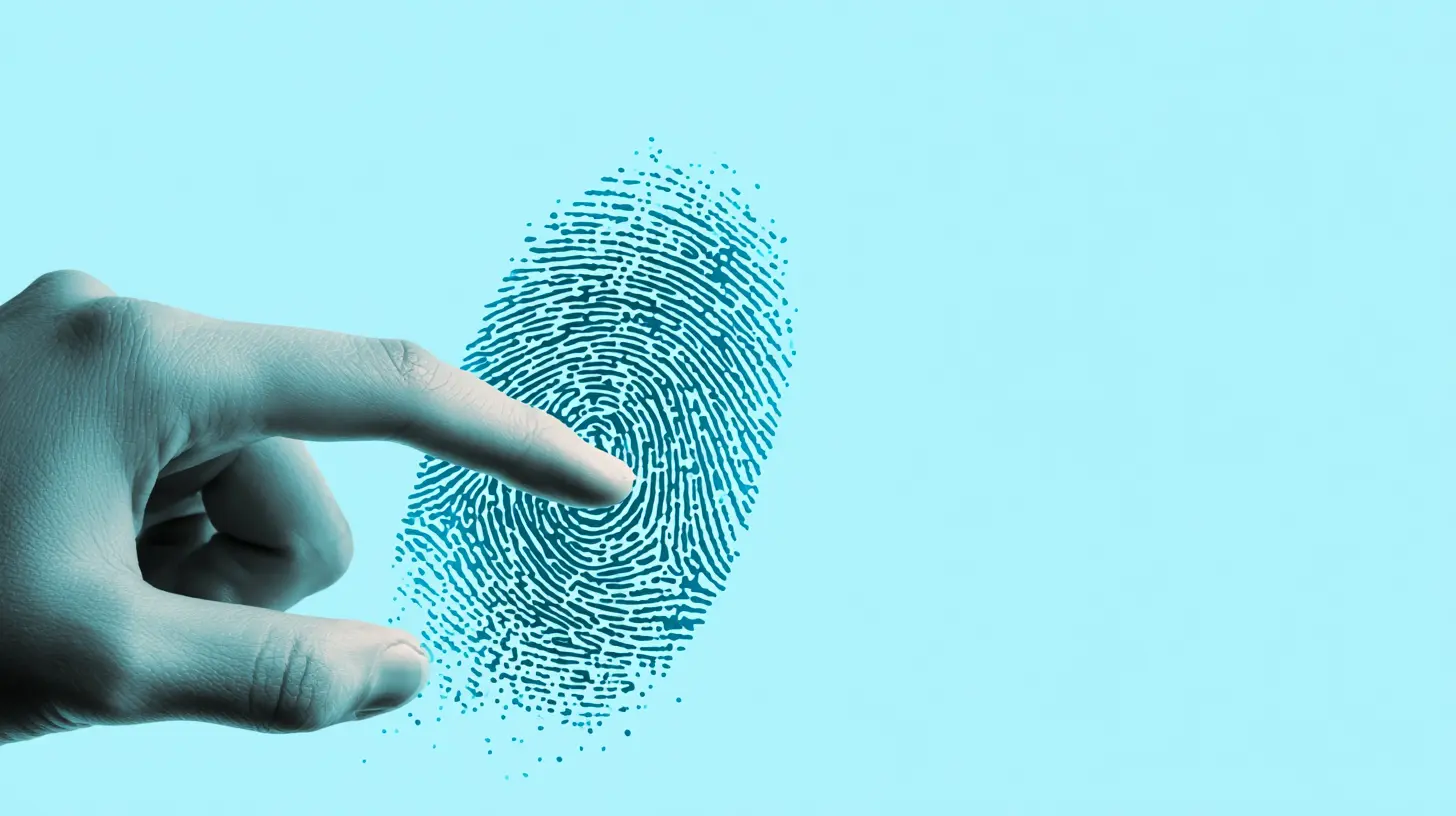
Biometric authentication refers to the verification of an individual's identity using their unique biological characteristics. These can include fingerprints, facial recognition, iris patterns, voice recognition, and even behavioral traits. This technology relies on the premise that everyone has distinct physical and behavioral traits that can be measured and analyzed.How Biometric Authentication Works
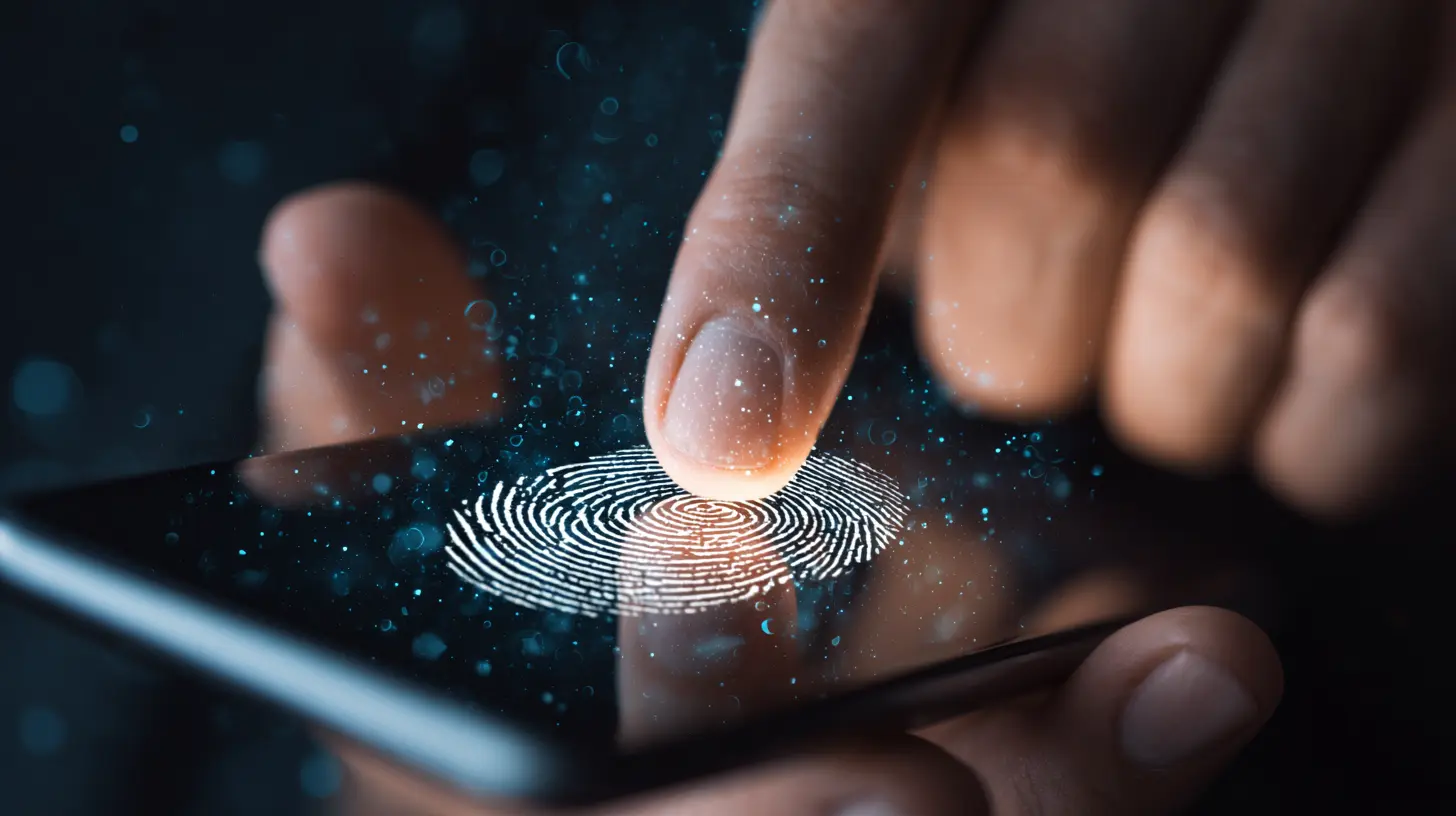
Biometric systems function through a multi-step process:1. Enrollment: The user provides their biometric data, which the system captures and converts into a digital template. For example, a fingerprint scanner scans the ridges and valleys of a finger to create a unique representation.
2. Storage: The biometric template is stored securely in a database or on the device. This data is typically encrypted to protect it from unauthorized access.
3. Verification: When the user tries to access an app, they provide their biometric data again. The system captures this new data and compares it to the stored template.
4. Matching: If the new data matches the stored template within a defined threshold, access is granted. If not, the system denies access.
This process occurs almost instantaneously, providing both security and convenience.
Benefits of Biometric Authentication
Enhanced Security
One of the primary advantages of biometric authentication is its robust security. Unlike passwords, which can be forgotten, stolen, or hacked, biometric traits are unique to each individual. This uniqueness makes it exceedingly difficult for unauthorized users to gain access. For example, the use of facial recognition technology has become common in smartphones, providing a secure method of unlocking devices without the need for a password.Convenience and User Experience
Biometric authentication simplifies the login process. Users no longer need to remember complex passwords or use password managers. Instead, a simple scan of a fingerprint or a glance at a camera can grant access. This not only enhances user experience but also encourages users to adopt more secure practices.Speed of Access
The speed at which biometric systems operate is another significant benefit. Traditional methods often require multiple steps, such as entering a username and password, which can be time-consuming. In contrast, biometric systems can grant access in milliseconds, making them ideal for environments where time is critical.
Challenges and Limitations
Privacy Concerns
Despite its advantages, biometric authentication raises several privacy concerns. Users may be wary of sharing their biometric data, fearing misuse or unauthorized access. For instance, high-profile cases of data breaches involving biometric databases can deter users from adopting this technology.False Positives and Negatives
No technology is infallible. Biometric systems can sometimes produce false positives (incorrectly recognizing an unauthorized user as legitimate) and false negatives (failing to recognize a legitimate user). Factors such as environmental conditions or physical changes in users can affect accuracy. For instance, a person with a cut on their finger may find it challenging to unlock their phone using a fingerprint scanner.Implementation Costs
Integrating biometric authentication into an existing app can involve significant costs. Businesses must invest in the necessary hardware and software, as well as ongoing maintenance and updates. For smaller companies, these costs can be a barrier to entry.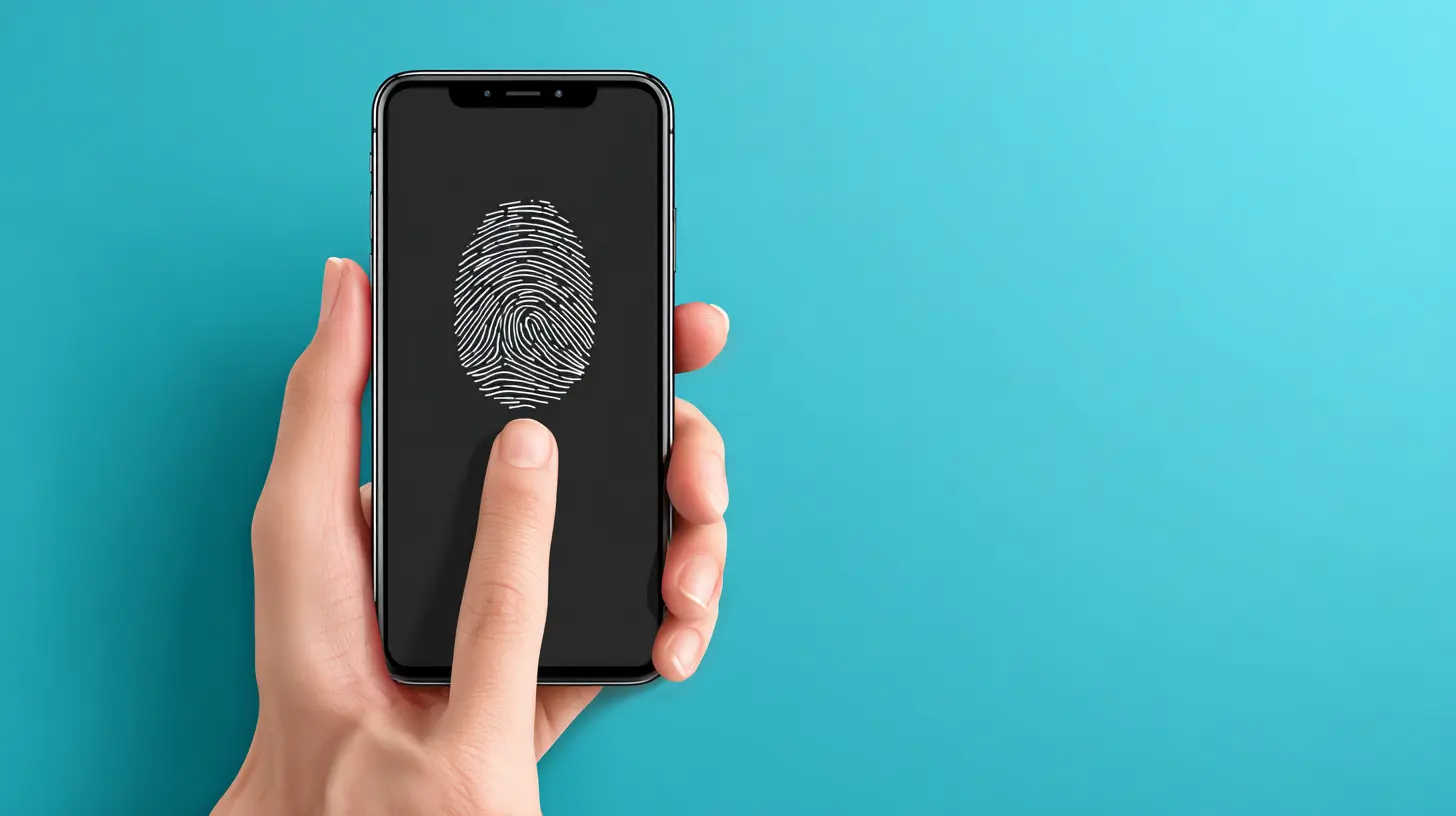
Common Misconceptions About Biometric Authentication
"Biometrics Are Foolproof"
While biometric systems offer enhanced security, they are not foolproof. Cybercriminals have developed techniques to spoof biometric systems, such as using high-resolution photographs to bypass facial recognition. Organizations must be aware of these vulnerabilities and continuously update their security measures."Biometric Data Is Always Secure"
Many users assume that biometric data is immune to breaches. However, if a database containing biometric information is hacked, the repercussions can be severe. Unlike passwords, which can be changed, biometric traits are permanent. This means that once compromised, a user's biometric data can potentially be used maliciously.Best Practices for Implementing Biometric Authentication
Assess the Risk
Before implementing biometric authentication, organizations should conduct a thorough risk assessment. Understand the specific security threats faced and determine whether biometric authentication is the right fit. Not all applications require the same level of security; for example, a banking app would necessitate more stringent measures than a social media platform.Combine Methods
For optimal security, consider combining biometric authentication with other methods, such as two-factor authentication (2FA). This layered approach enhances security by requiring users to provide two forms of verification, making it more difficult for unauthorized access.Keep Users Informed
Transparency is vital when it comes to user trust in biometric authentication. Clearly communicate how biometric data will be used, stored, and protected. Users should feel empowered to make informed decisions about sharing their data.Regularly Update Security Protocols
As technology advances, so do the skills of cybercriminals. Regularly updating security protocols and biometric systems can help mitigate risks. Conduct routine security audits and stay informed about the latest threats and vulnerabilities.
Real-World Examples of Biometric Authentication
Apple Face ID
Apple's Face ID technology has revolutionized how users unlock their devices and authenticate transactions. Using advanced facial recognition algorithms, Face ID analyzes more than 30,000 invisible dots projected onto a user's face. This technology not only offers security but also provides a seamless user experience.Fingerprint Scanners in Banking
Many banking apps now utilize fingerprint authentication as a means of securing sensitive financial information. This method prevents unauthorized access while allowing users to quickly and easily log in to their accounts. The implementation of biometric authentication in banking illustrates how security and convenience can coexist.Voice Recognition in Customer Service
Voice recognition technology is increasingly being used in customer service applications. Companies like Amazon and Google employ voice recognition to authenticate users and provide personalized experiences. This approach highlights the versatility of biometric authentication across different sectors.The Future of Biometric Authentication
As technology continues to evolve, so too will biometric authentication. Innovations such as behavioral biometrics-analyzing patterns in user behavior like typing speed or mouse movement-are on the rise. This form of authentication can provide an additional layer of security by monitoring user behavior in real time.Ethical Considerations
With the rise of biometric authentication comes the need for ethical considerations. Issues of consent, data ownership, and privacy will play a crucial role in shaping the future of biometric technologies. Organizations must prioritize ethical practices to build trust with users and ensure compliance with regulations.The Role of AI and Machine Learning
Artificial intelligence and machine learning will play an essential role in the future of biometric authentication. These technologies can enhance accuracy and efficiency, reducing false positives and negatives. By continuously learning from user data, AI can adapt to changes in biometric traits and improve overall security.
Conclusion
Biometric authentication is more than just a trend; it represents a significant shift in how we approach app security. By leveraging unique human traits, organizations can enhance security while providing a seamless user experience. However, with these advantages come challenges that must be navigated carefully. By understanding the benefits and limitations, conducting thorough risk assessments, and staying informed about advancements, organizations can make informed decisions about implementing biometric authentication.The future is bright for biometric authentication, with innovations on the horizon that promise to change the landscape of digital security. As we embrace this technology, it is essential to remain vigilant, ethical, and transparent, ensuring that users' trust is upheld in this new era of security.
all images in this post were generated using AI tools
Category:
Mobile ApplicationsAuthor:

Marcus Gray