Voice Assistants and IoT: Creating a Seamless Connected Experience
9 February 2026
The world is getting smarter every day, isn’t it? From turning off lights with just your voice to adjusting your thermostat while lying in bed, technology is making life effortless. At the heart of this transformation are voice assistants and the Internet of Things (IoT)—two powerful forces that are revolutionizing how we interact with the digital world. But how exactly do they work together, and what does the future hold? Let’s dive into this fascinating tech duo!

What Are Voice Assistants?
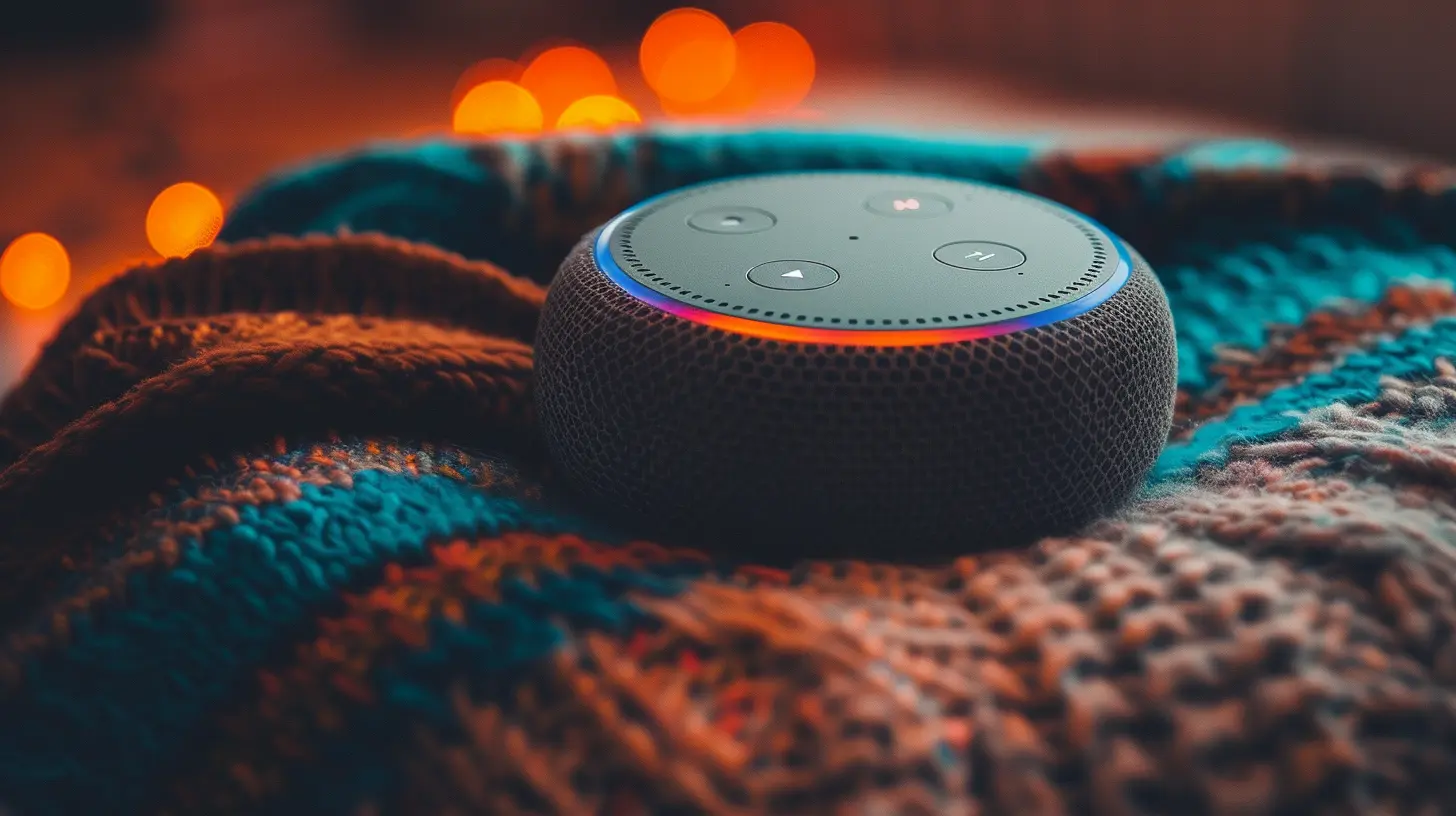
Simply put, voice assistants are AI-powered programs designed to understand spoken commands and execute tasks. Think of them as your digital butlers—always ready to help. Some of the most popular voice assistants include:- Amazon Alexa
- Google Assistant
- Apple Siri
- Microsoft Cortana
These assistants can set reminders, play music, control smart home devices, and even order groceries—all through voice commands.
Breaking Down the Internet of Things (IoT)
Before we talk about their amazing combination, let's first understand IoT. The Internet of Things (IoT) refers to a vast network of interconnected smart devices that communicate with each other to automate and simplify daily tasks. From smart thermostats and security cameras to connected refrigerators and cars, IoT is everywhere.Imagine waking up in the morning and your smart coffee maker already brewing your morning cup because your alarm clock told it to—that’s IoT in action!

The Perfect Duo: How Voice Assistants and IoT Work Together
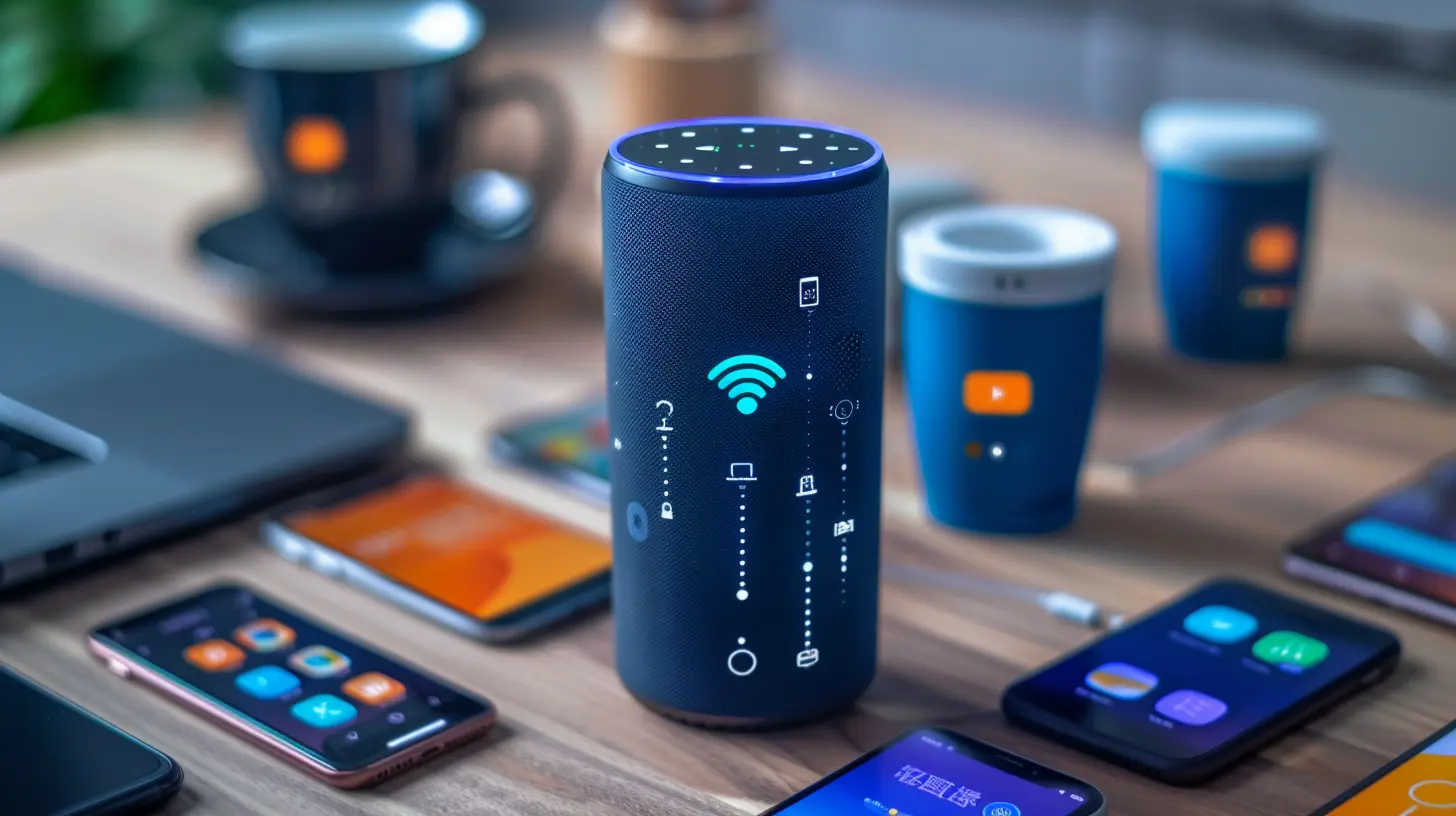
Now, here’s where things get exciting. Voice assistants act as the bridge between humans and IoT devices. Your smart speaker listens to your command, communicates with your smart gadgets, and voila—they respond accordingly.1. Home Automation at Its Best
With voice assistants and IoT, controlling your home is as easy as saying a few words.- Want to dim the lights? Just ask Alexa.
- Need to adjust the room temperature? Google Assistant has got you.
- Forgot to lock the doors? Siri can do it for you.
This hands-free convenience makes life smoother, especially for the elderly and disabled individuals who might struggle with physical controls.
2. Enhancing Security & Safety
Security is a major concern, and this duo is here to help. Smart cameras, doorbells, and locks connected to voice assistants allow you to:- Monitor your home in real-time
- Lock/unlock doors remotely
- Get instant alerts if any unusual activity is detected
Picture this: You’re at work, and your smart doorbell detects movement outside the house. Instead of panicking, you simply ask your voice assistant to show you the live feed on your phone or smart display. That’s peace of mind at its finest!
3. Energy Efficiency & Cost Saving
Smart homes don’t just make life easier—they also save money! IoT-enabled smart thermostats and lights, when paired with voice assistants, help reduce energy wastage.- No one’s in the living room? Command your assistant to turn off the lights.
- Heading out? A simple “Turn off all devices” command can power down unnecessary appliances.
Over time, this kind of automation leads to lower electricity bills and a more eco-friendly home.
4. Smarter Entertainment
Entertainment has never been more intuitive. With a simple voice command, you can:- Play your favorite songs
- Control streaming services like Netflix or YouTube
- Adjust volume without reaching for the remote
Imagine you’re cooking and your hands are messy. Instead of touching your phone, you can just say, “Hey Google, play my cooking playlist.” That’s the kind of ease we’re talking about!
5. Hands-Free Shopping & Task Management
Running out of milk? Just ask Alexa to add it to your shopping list!With IoT-enabled smart fridges, the assistant can even notify you when you’re out of essentials. Some can even place an order for groceries automatically. It’s like having a super-efficient personal assistant who never forgets!
Challenges in Voice Assistants & IoT Integration
While this tech combination is undeniably amazing, it isn't without its challenges.1. Privacy & Security Risks
Since voice assistants are always listening, there’s a concern about potential eavesdropping and unauthorized data access. Hackers targeting IoT devices could cause serious breaches, making security a top priority for manufacturers and users alike.2. Compatibility Issues
Not all smart devices play nice with each other. For example, some IoT gadgets work with Alexa but not Siri, or with Google Assistant but not Alexa. This fragmentation makes it frustrating for consumers who want a universal smart home ecosystem.3. Accuracy & Misinterpretation
Sometimes, voice assistants misinterpret commands, leading to funny or even frustrating situations. Imagine asking your assistant to turn off the TV, and it starts playing heavy metal at full volume instead—not exactly what you wanted!The Future of Voice Assistants and IoT
With constant advancements in AI and machine learning, the future looks incredibly promising. Here’s what we can expect:1. Improved AI Understanding
Voice assistants will become smarter and more intuitive, understanding natural language better and responding with improved accuracy.2. Enhanced Security Features
Better encryption, voice recognition authentication, and AI-driven threat detection will make smart homes safer than ever.3. More IoT Devices & Wider Compatibility
Tech giants are working towards better smart device interoperability to eliminate compatibility issues and make smart ecosystems more seamless.4. Hyper-Personalized Experiences
Imagine waking up, and your smart assistant gently adjusts the lighting, plays your favorite morning podcast, and brews your perfectly customized cup of coffee—all without you lifting a finger. That’s the end goal!
Final Thoughts
Voice assistants and IoT are no longer futuristic concepts—they’re here, transforming our daily lives effortlessly. As technology continues to evolve, these innovations will become even more advanced, creating a truly seamless connected experience.So, whether you’re a tech enthusiast or just someone looking to make life easier, investing in a smart home setup with a voice assistant might just be the best decision you ever make. The future is talking—are you listening?
all images in this post were generated using AI tools
Category:
Voice AssistantsAuthor:

Marcus Gray
Discussion
rate this article
2 comments
Ember Navarro
Exciting advancements in voice technology enhance IoT, transforming everyday experiences into seamless interactions.
February 16, 2026 at 12:59 PM
Marcus Gray
Thank you! It's fascinating to see how voice technology continues to bridge the gap between devices, making our daily lives more intuitive and interconnected.
Miriam McMahan
Voice assistants redefine interaction, but true connectivity hinges on privacy and user trust.
February 15, 2026 at 7:27 PM
Marcus Gray
Absolutely, privacy and user trust are essential for realizing the full potential of voice assistants and IoT to enhance our connected experiences.