Trends in Sentiment Analysis That Will Shape Online Marketing
23 June 2026
You know that feeling when you post something online and wait for the reaction? It's like throwing a pebble into a pond and watching the ripples. But what if you could read every single ripple before it even spread? That's what sentiment analysis is doing for online marketing right now. It's not just about counting likes or comments anymore. It's about understanding the mood behind every click, every share, every sigh of frustration or burst of joy.
Let's be real for a second. Marketing has always been a guessing game wrapped in data. You run a campaign, you cross your fingers, and you hope people feel something. But sentiment analysis is changing that. It's giving us a window into the collective emotional state of our audience. And the trends coming down the pipe? They're going to flip the whole game on its head.
Real-Time Emotion Tracking Is No Longer a Gimmick
Remember when real-time analytics felt like a party trick? "Look, we can see people tweeting about our product right now!" It was cool, but shallow. Now, real-time sentiment tracking has matured into something far more powerful. Tools are capturing not just the volume of mentions, but the emotional weight behind them, as they happen.Imagine you launch a new feature, and within five minutes, you see a spike in negative sentiment. Not just complaints, but actual anger or confusion. Instead of waiting for a weekly report, you can jump in immediately. You can clarify, apologize, or even pull the feature if it's a disaster. It's like having a stethoscope on your brand's heartbeat. And in 2024 and beyond, this speed will separate the brands that survive from the ones that get roasted alive on social media.
The trick here is moving from reactive to proactive. Real-time sentiment isn't just about putting out fires. It's about spotting tiny shifts in mood before they become trends. If people start using a certain word to describe your brand in a slightly negative way, you can adjust your messaging before it becomes a meme.
Multilingual Sentiment Analysis Breaks Down Walls
Here's a hard truth: most sentiment analysis tools still suck at anything that isn't English. They can handle Spanish and French okay, but try reading the emotional nuance of a Korean tweet or a sarcastic Italian comment. It's like trying to understand a joke in a language you barely speak.But that's changing fast. The next big trend is multilingual sentiment analysis that actually gets context. Not just translation, but cultural understanding. A thumbs-up emoji means something different in Japan than it does in Brazil. A sarcastic remark in German might sound angry to an English-speaking algorithm.
For online marketers, this is huge. If you're selling globally, you can't afford to miss the emotional signals from your biggest markets. Imagine running a campaign in Indonesia and completely missing the fact that your ad is accidentally offensive because the sentiment tool couldn't parse local slang. The brands that invest in proper multilingual sentiment will build trust faster. They'll see the warning signs that their competitors miss.
Sentiment Analysis Meets Predictive Behavior
This is where things get spooky, but also incredibly useful. Right now, most sentiment analysis tells you how people feel now. The next wave is about using that emotional data to predict what they'll do next.Think of it like weather forecasting for emotions. If you see a pattern of frustration around a specific product category, you can predict that people are about to churn. You can offer them a discount or a solution before they even open their email to unsubscribe. Or if you see growing excitement around a certain topic, you can launch a targeted campaign before your competitors even notice the shift.
The math is simple: emotions drive actions. Anger leads to refund requests. Joy leads to shares. Confusion leads to support tickets. By mapping sentiment to behavior, you're no longer just tracking feelings. You're predicting purchasing decisions, loyalty shifts, and even viral moments. That's not marketing intuition anymore. That's a superpower.
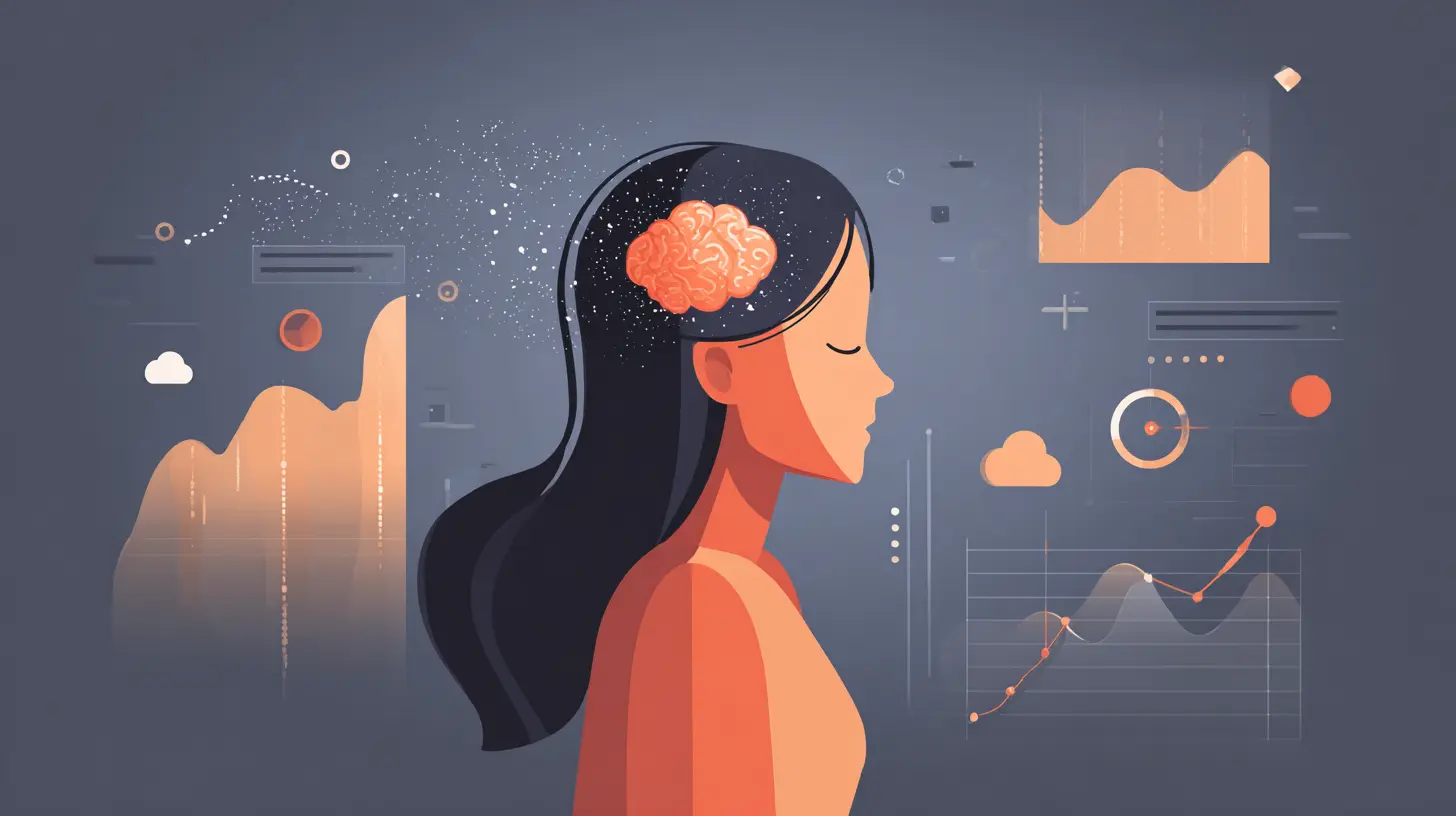
Voice and Video Sentiment Are Finally Getting Good
We've been stuck on text for way too long. Tweets, reviews, comments. But most human emotion comes through tone of voice and facial expressions. The good news? Voice and video sentiment analysis is finally leaving the lab and entering the real world.Imagine analyzing a customer service call not just for keywords, but for the actual frustration in someone's voice. Or scanning a user-generated video review and detecting genuine enthusiasm versus fake positivity. This is already happening, and it's going to reshape how we understand customer feedback.
For online marketing, this means you can test your video ads with real audiences and get emotional feedback without relying on focus groups. You can see exactly which part of your commercial makes people smile and which part makes them cringe. It's like having X-ray vision for your creative work. And the brands that start experimenting with this now will have a massive advantage when it becomes the standard.
Hyper-Personalization Through Emotional Segmentation
We've all seen the "personalized" emails that just slap your name into the subject line. That's not personalization. That's a cheap trick. The real deal is emotional segmentation. Instead of grouping people by age or location, you group them by how they feel about your brand, your competitors, or even the weather.Here's how it works: sentiment data builds a profile of each customer's emotional journey. Some people are always happy with your product. Some are skeptical but loyal. Some are one bad experience away from leaving forever. Instead of sending the same newsletter to everyone, you tailor your messaging to each emotional segment.
The skeptical ones get case studies and proof. The happy ones get referral incentives. The angry ones get apology codes. It's not creepy if you do it right. It's just... thoughtful. And in a world where everyone is shouting for attention, being thoughtful is the loudest thing you can be.
The Rise of Synthetic Sentiment Data
Okay, this one sounds like science fiction, but it's very real. Sometimes you don't have enough real customer data to train your sentiment models. Maybe you're launching a new product, or you're entering a niche market. That's where synthetic sentiment data comes in.AI generates fake but realistic emotional responses based on patterns from similar products or audiences. You can test how people might feel about a new ad before you spend a dime on production. It's like a simulation for your marketing strategy.
Now, is this as good as real data? Not yet. But it's getting scarily close. And for small businesses that can't afford massive A/B testing budgets, synthetic sentiment is a game changer. It lets you fail fast and cheap, without hurting your actual brand reputation.
Sentiment Analysis for SEO Content Creation
Here's a trend that hits close to home for anyone writing for the web. Sentiment analysis is starting to influence how we write SEO content. Not just what keywords we use, but the emotional tone of the entire article.Google's algorithms are getting better at understanding whether a piece of content is helpful, angry, joyful, or just generic. If your article about "budget travel tips" sounds frustrated and stressed, it might rank lower than a cheerful, encouraging version. The search engines are literally reading your emotional vibe.
So what does this mean for you? It means you need to check the sentiment of your content before you hit publish. Are you accidentally writing in a way that feels negative or condescending? Does your tone match the emotional needs of someone searching for that topic? If someone is looking for "how to fix a broken phone," they're probably frustrated. Your content should be calm, reassuring, and solution-focused. If you sound panicked, you'll lose them.
This is where the human touch matters more than ever. AI can write content, but it often misses the emotional nuance. A real writer can adjust the sentiment to match the reader's state of mind. That's not just good writing. That's good SEO.
Ethical Concerns and the Privacy Tightrope
Let's not pretend this is all sunshine and rainbows. Sentiment analysis is powerful, and power comes with responsibility. The more we track emotions, the more we risk crossing lines. Nobody wants to feel like their feelings are being mined for profit without their consent.The trend here is not about avoiding sentiment analysis, but about doing it ethically. Transparent data collection, clear opt-ins, and avoiding manipulation. The brands that win in the long run will be the ones that use sentiment data to serve their customers better, not to trick them.
Think of it like a bartender who remembers your favorite drink. It's nice. But if they start analyzing your mood to upsell you expensive whiskey when you're sad, that's gross. The line is thin, but it's real. Smart marketers will walk it carefully.
Wrapping It Up: The Emotional Future of Marketing
So where does this leave us? Sentiment analysis is no longer a nice-to-have. It's becoming the backbone of how we understand our audience. The trends we talked about, real-time tracking, multilingual capabilities, predictive behavior, voice and video analysis, emotional segmentation, synthetic data, and ethical practices, are all pointing in one direction.Marketing is becoming less about shouting and more about listening. But not just listening to words. Listening to the sigh, the laugh, the hesitation, the excitement. The brands that master this will feel less like companies and more like friends who actually get you.
And isn't that what we all want? To be understood? To feel like someone out there knows what we're going through? That's the power of sentiment analysis. It's not about algorithms or data points. It's about connection. And in a noisy world, connection is the only thing that cuts through.
So go ahead. Start paying attention to the mood behind the metrics. Your customers are telling you how they feel, every single day. Are you ready to listen?
all images in this post were generated using AI tools
Category:
Natural Language ProcessingAuthor:

Marcus Gray
Discussion
rate this article
1 comments
Benjamin Hudson
Understanding sentiment analysis can transform online marketing strategies, helping brands connect more authentically with their audiences and meet evolving expectations.
June 25, 2026 at 10:27 AM
Marcus Gray
Absolutely. Sentiment analysis is key for brands to engage genuinely and adapt to audience needs. Exciting times ahead!