The Role of Gamification in Next-Generation Team Platforms
24 June 2026
Let's be honest for a second. When you hear the word "gamification," what pops into your head? Probably those clunky, old-school sales leaderboards from ten years ago, or maybe a half-baked app that gives you a pointless badge for logging in three days in a row. It feels forced, like a corporate version of a carnival game where the prize is a pat on the back and a pizza party.
But we are not talking about that kind of gamification. That stuff is dead. What we are talking about is the quiet, almost invisible layer of game thinking that is now powering the next generation of team platforms. These are not just tools for managing tasks anymore. They are becoming living ecosystems where work feels less like a slog and more like a collaborative mission.
Think about it. The old way of managing teams was built on spreadsheets, emails, and a lot of nagging. You told people what to do, they did it (or they didn't), and you checked a box. It was a linear, boring, and often demoralizing process. Next-gen platforms are flipping that script. They are using the core principles of game design -- progression, feedback loops, autonomy, and mastery -- to make teamwork actually feel good. Not just efficient. Good.
So, how is this actually playing out? And more importantly, is it just another management fad, or is it the real deal?
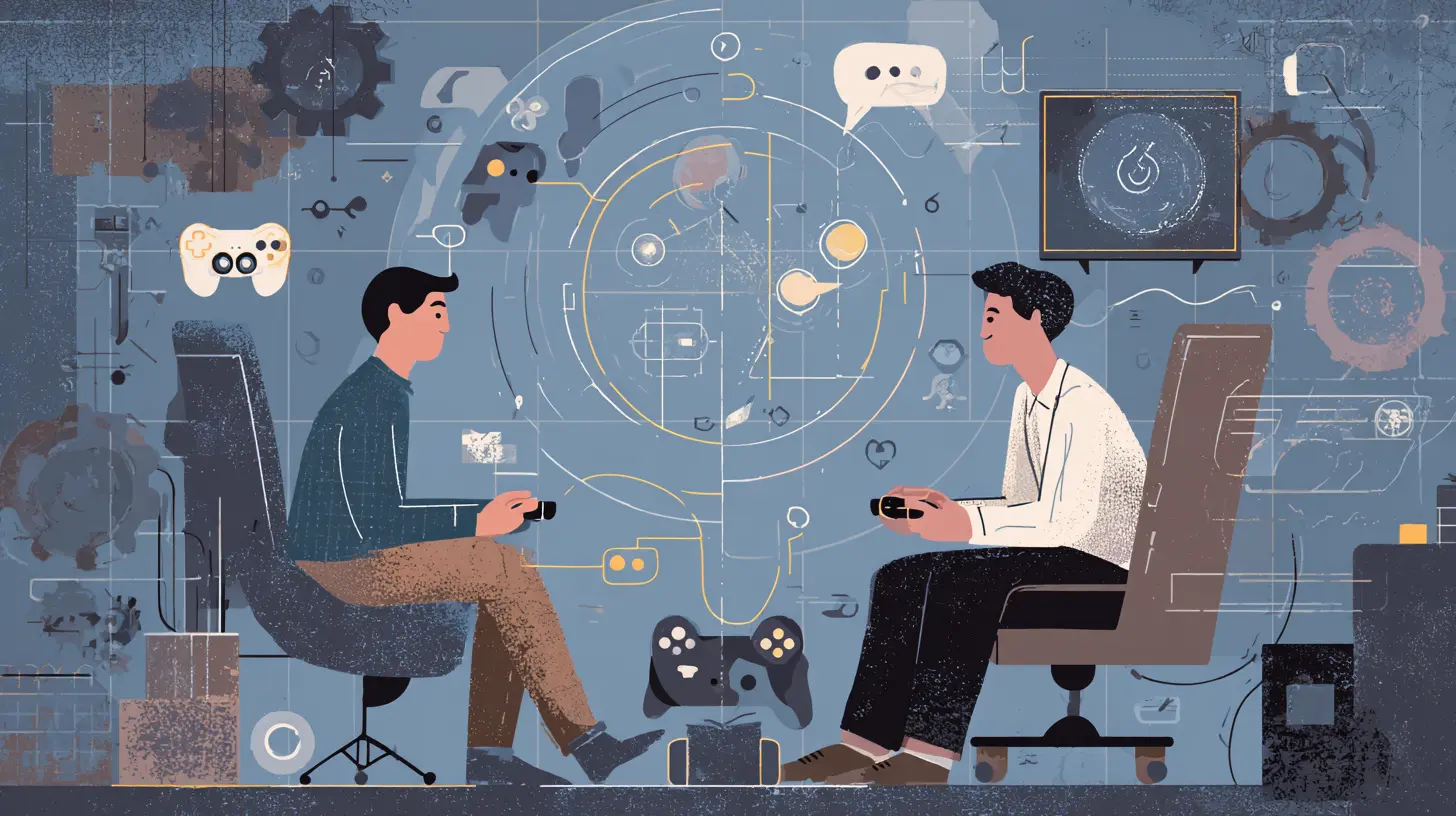
The Shift from "Command and Control" to "Quest and Reward"
Remember playing video games as a kid? You never had a boss standing over your shoulder telling you to "finish the level by 5 PM." You just played because the game itself was designed to pull you forward. You saw a quest, you knew the reward, you understood the rules, and you had the autonomy to figure out how to get there. The best team platforms are now borrowing this exact architecture.Instead of a manager assigning a task (command), the platform presents a "quest" or a "mission" (reward). The difference is subtle but massive. A task feels like a chore. A quest feels like a challenge. When a team member completes a complex piece of work, the platform doesn't just mark it "done." It triggers a visual celebration, updates a skill tree, or unlocks a new capability for the team. It creates a dopamine hit tied directly to accomplishment.
This is not about turning grown adults into lab rats chasing virtual cheese. It's about satisfying a basic human need: the need for progress. When you see your contribution move a "project health bar" from 60% to 80%, you feel a sense of momentum. You feel like you are part of something bigger than a to-do list. Next-gen platforms understand that motivation is not a switch you flip; it is a muscle you exercise. And games are the best exercise equipment ever invented.
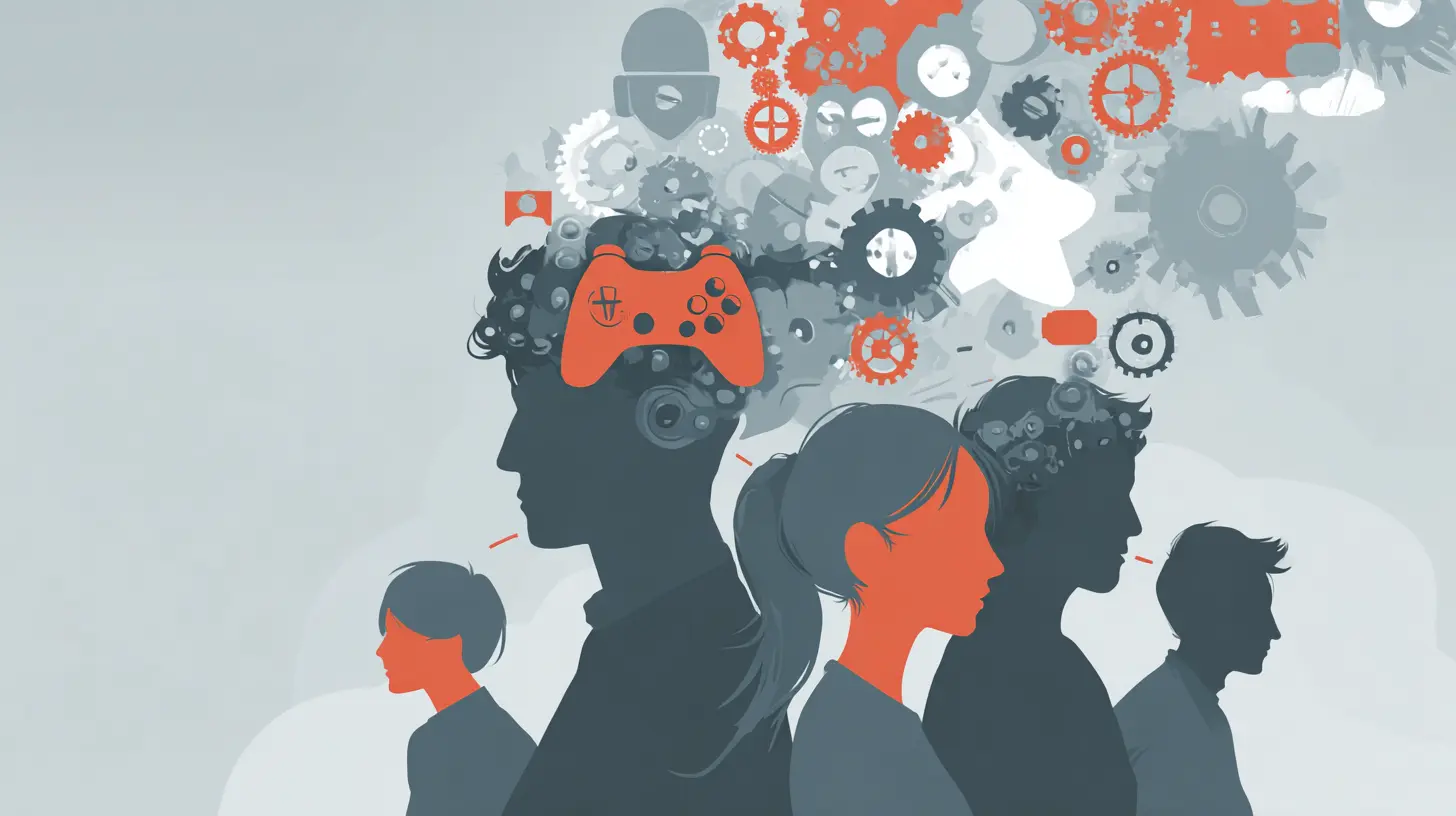
The Feedback Loop: Why "Leveling Up" Beats Annual Reviews
One of the biggest lies in corporate life is the annual performance review. You spend eleven months working in the dark, and then someone shines a spotlight on you for an hour and tells you how you did. That is terrible game design. Imagine playing a video game where you only found out your score at the very end. You would throw the controller out the window.Next-generation team platforms are obsessed with tight feedback loops. They give you real-time data on your performance. Not in a creepy, "big brother is watching" way, but in a "here is your personal dashboard" way. You can see your velocity, your collaboration score (how often you help others), and your skill progression.
This is where the "leveling up" metaphor gets real. Instead of waiting for a promotion that might never come, you can see your own skill bar filling up. You learn a new tool? Your "tool proficiency" bar goes up. You mentor a junior colleague? You earn "leadership XP." This creates a sense of agency. You are not waiting for someone to deem you worthy. You are actively building your own character.
And here is the kicker: this data is not just for the individual. It feeds the team. If the platform sees that the team is low on "energy" (a metric for burnout risk) or that the "collaboration score" is dropping, it can suggest a break, a team-building exercise, or a rebalancing of workload. It becomes a living, breathing organism that cares about the health of the group, not just the output.
The Social Layer: Competition, Cooperation, and the "Boss Battle"
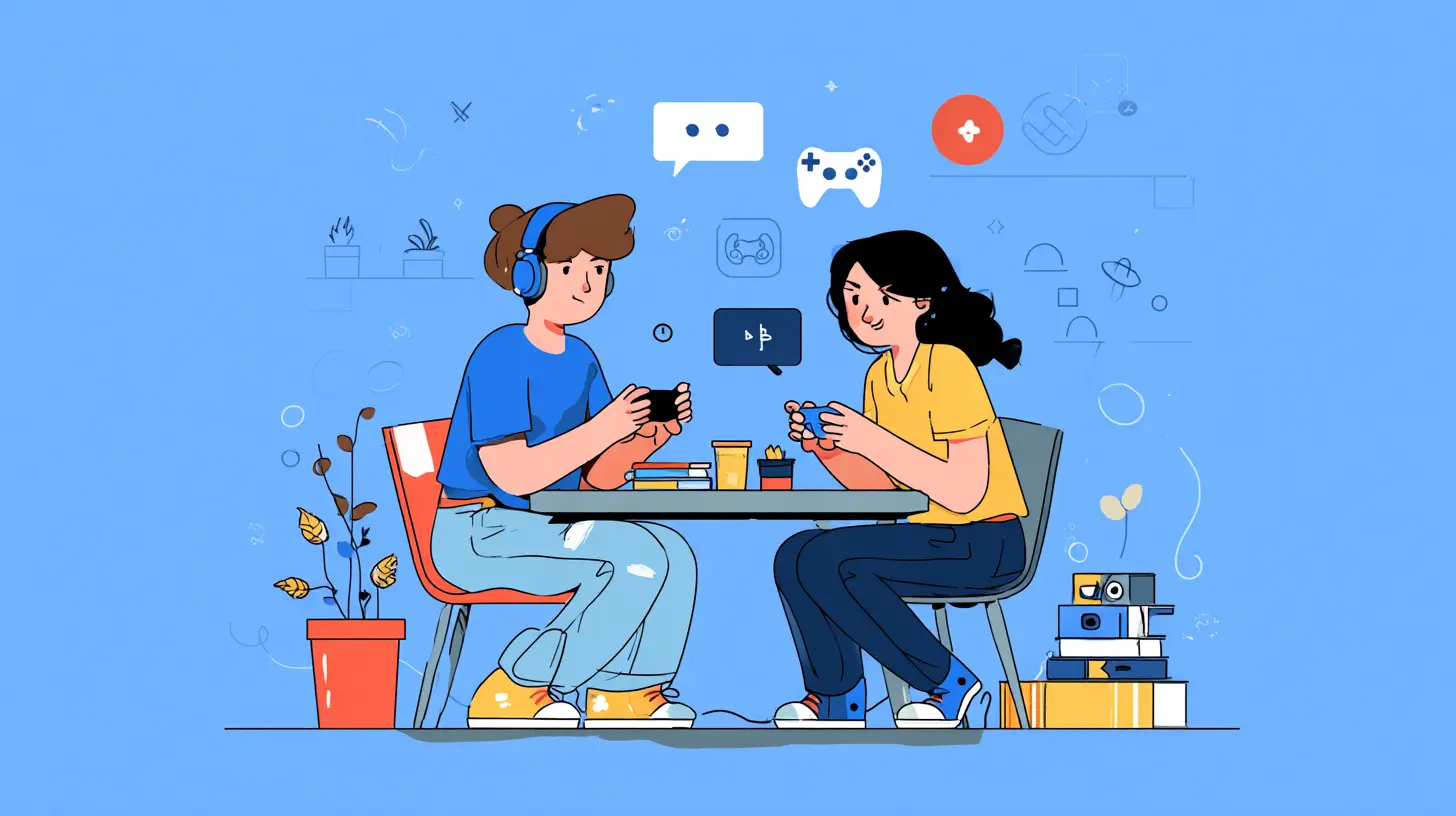
Let's talk about the social side. Work is inherently social, but most platforms treat it as a solo activity with a chat window attached. Gamification changes this by introducing structured social dynamics.First, there is healthy competition. Not the toxic kind where one person wins and everyone else feels like a loser. I am talking about team-based leaderboards that measure progress against a shared goal. Think of it like a relay race. You are not competing against your teammate; you are competing with them against the clock. Platforms now use "team health" metrics and "sprint velocity" as a shared score. When the team hits a target, everyone gets a "buff" (a bonus) for the next sprint.
Then there is the "boss battle." This is my favorite metaphor. A big, scary project -- like a major product launch or a critical system migration -- is the boss. The team has to work together, combining their "spells" (skills) to defeat it. The platform tracks the boss's health bar. Every completed task chips away at it. Every bug squashed adds a point of damage. The tension builds. The stakes are clear. And when the boss finally falls, the celebration is collective. You don't just get an email saying "project closed." You get a screen full of confetti, a shared "achievement unlocked" badge, and a feeling of camaraderie that no spreadsheet can replicate.
The Danger Zone: When Gamification Goes Wrong
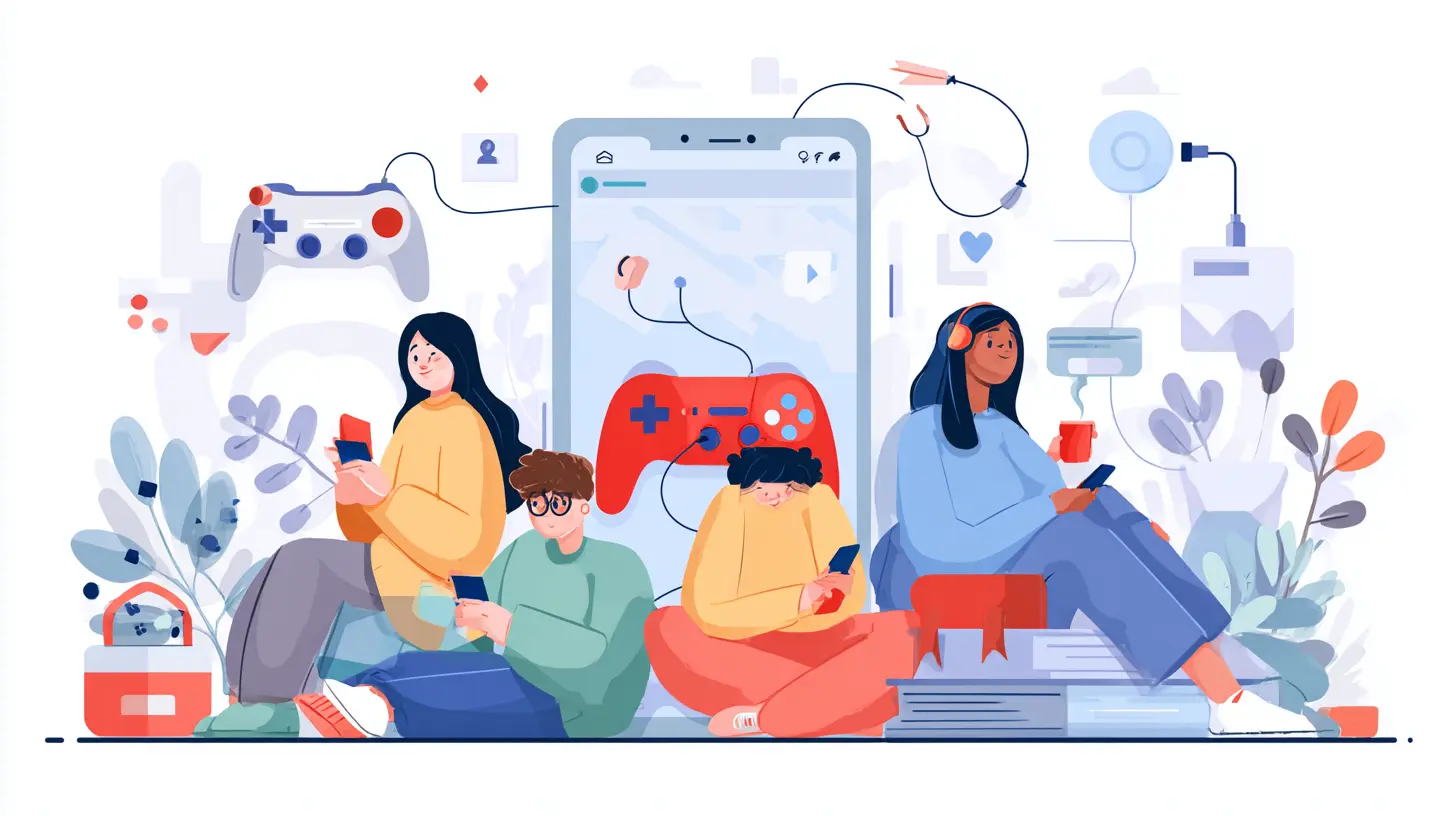
I would be lying if I said this was all sunshine and rainbows. There is a dark side. The biggest risk is turning work into a Skinner box -- a system designed purely to manipulate behavior for the company's benefit. If you slap badges on meaningless tasks or force people to compete for resources, you create anxiety, not motivation.The worst examples come from companies that use gamification to track "butts in seats" or "lines of code written." That is not gamification. That is surveillance with a smiley face. It backfires because it destroys intrinsic motivation. People start gaming the system instead of doing good work. They write bad code just to hit a "lines of code" target. They stay online late just to earn a "night owl" badge.
The difference between good gamification and bad gamification is simple: agency. Good gamification gives the player (the employee) control. They choose their quests. They choose their skill path. They opt into the game. Bad gamification forces the game on them and uses it as a whip.
Next-gen platforms are learning this lesson. The best ones are designed with "opt-in" mechanics. You can choose to see your leaderboard or hide it. You can choose to participate in team challenges or work in "stealth mode." The goal is to amplify human motivation, not replace it.
The "Flow State" Machine
Let's get a little nerdy for a second. Psychologists talk about "flow" -- that magical state where you are completely absorbed in a task, time disappears, and you are performing at your peak. Games are masters at creating flow. They adjust the difficulty to match your skill level. Too easy? You get bored. Too hard? You get frustrated.Next-gen team platforms are starting to do the same thing. They use data to understand your workload and your capacity. If you are overloaded, the platform might suggest breaking a task down into smaller "micro-quests" or delegating part of it. If you are underutilized, it might suggest a "side quest" (a stretch project) that matches your interests.
Imagine a platform that knows you are a great writer but hate data entry. Instead of assigning you data entry tasks, it routes them to someone who enjoys that kind of work, and gives you a writing task that puts you in your flow state. That is the ultimate goal. The platform becomes a conductor, orchestrating work so that everyone is playing their instrument at the right time, in the right key. Gamification is the sheet music that makes it all make sense.
Real-World Examples: Beyond the Buzzwords
You might be thinking, "This sounds great, but does it actually work?" Yes, but not in the way you might expect. It's not about making work "fun" in a childish sense. It's about making work meaningful.Take a software development team using a next-gen platform. Instead of a boring Jira board with tickets, they see a "world map." Each feature is a territory to conquer. Each bug is a monster to defeat. The sprint is a "season." At the end of the season, the team gets a "season reward" -- not money, but a shared experience, like a team outing or a day to work on personal projects. The platform tracks the team's "legend" status. The longer they work together, the more "legendary" they become, unlocking special perks.
Or consider a customer support team. Instead of tracking "calls per hour" (a terrible metric), the platform tracks "customer happiness points" and "knowledge base contributions." When a support agent writes a helpful article that gets used by other agents, they earn "mentor XP." When the team solves a major outage, they get a "rescue" badge. The focus shifts from quantity to quality, from competition to collaboration.
The Future: Your Work is Your Game
Here is where I get a bit philosophical. The line between "work" and "play" has always been artificial. Kids don't separate the two. They learn through play. They build through play. As adults, we decided that work must be serious, boring, and painful to be "real work." That is a lie.Next-generation team platforms, powered by thoughtful gamification, are helping us rediscover the joy of creation. They are not turning work into a game. They are recognizing that work is a game. It has rules. It has goals. It has obstacles. It has teammates. And it has a score.
The best platforms of the future will not be task managers. They will be "world builders." They will allow teams to create their own culture, their own rituals, and their own rewards. The gamification layer will be the operating system for human collaboration. It will be the thing that makes you look forward to Monday morning, not because you have to, but because you want to see how your team levels up this week.
So, is gamification just a fad? Only if we treat it like a gimmick. But if we treat it as a deep understanding of human psychology -- our need for progress, mastery, autonomy, and belonging -- then it is the single most important design principle for the future of work.
The question is not whether your team platform should be gamified. The question is: are you ready to play?
all images in this post were generated using AI tools
Category:
Collaborative SoftwareAuthor:
Marcus Gray
Discussion
rate this article
1 comments
Trixie Chavez
Gamification in team platforms is fascinating. How do game elements enhance collaboration and productivity? I'm curious about examples of successful implementations and the psychology behind why these features motivate teams. Can we expect to see more personalized experiences as technology evolves? This could change how we work together.
June 27, 2026 at 10:47 AM