The Rise of AI Personal Shoppers: What to Expect by 2027
14 April 2026
Picture this: You're sitting in your favorite cozy chair, a steaming cup of coffee in hand, and instead of scrolling endlessly through a sea of online shops, a friendly AI personal shopper is doing all the heavy lifting for you. Intrigued? You should be! The rise of AI personal shoppers is not just a fleeting trend; it’s a revolution that’s set to redefine how we shop by the year 2027. So, what’s the scoop? Let’s dive into this exciting world of tech, convenience, and a sprinkle of mystery.

What Exactly Is an AI Personal Shopper?
Alright, let’s start with the basics. What is this AI personal shopper, and why should you care? Imagine having a digital assistant that knows your style, your preferences, and even your budget. It’s like having a personal stylist and a savvy shopper rolled into one. This isn’t just some fancy chatbot; these AI systems are powered by advanced algorithms that learn from your behavior, preferences, and past purchases. They can recommend products, find the best deals, and even predict trends.The Power of Personalization
Remember the last time you shopped online and felt overwhelmed by the sheer amount of choices? Well, AI personal shoppers are here to cut through the clutter. They sift through countless options and curate selections tailored just for you. It’s like having a friend who knows exactly what you like, only this friend never gets tired and is always up-to-date with the latest trends.How It Works
So, how does this magic happen? At the core of AI personal shoppers is machine learning, a type of artificial intelligence that enables computers to learn from data. When you interact with these digital shoppers, they analyze your feedback, shopping habits, and even social media activity. Over time, they refine their suggestions, making them eerily accurate. It’s almost like they can read your mind—creepy, right?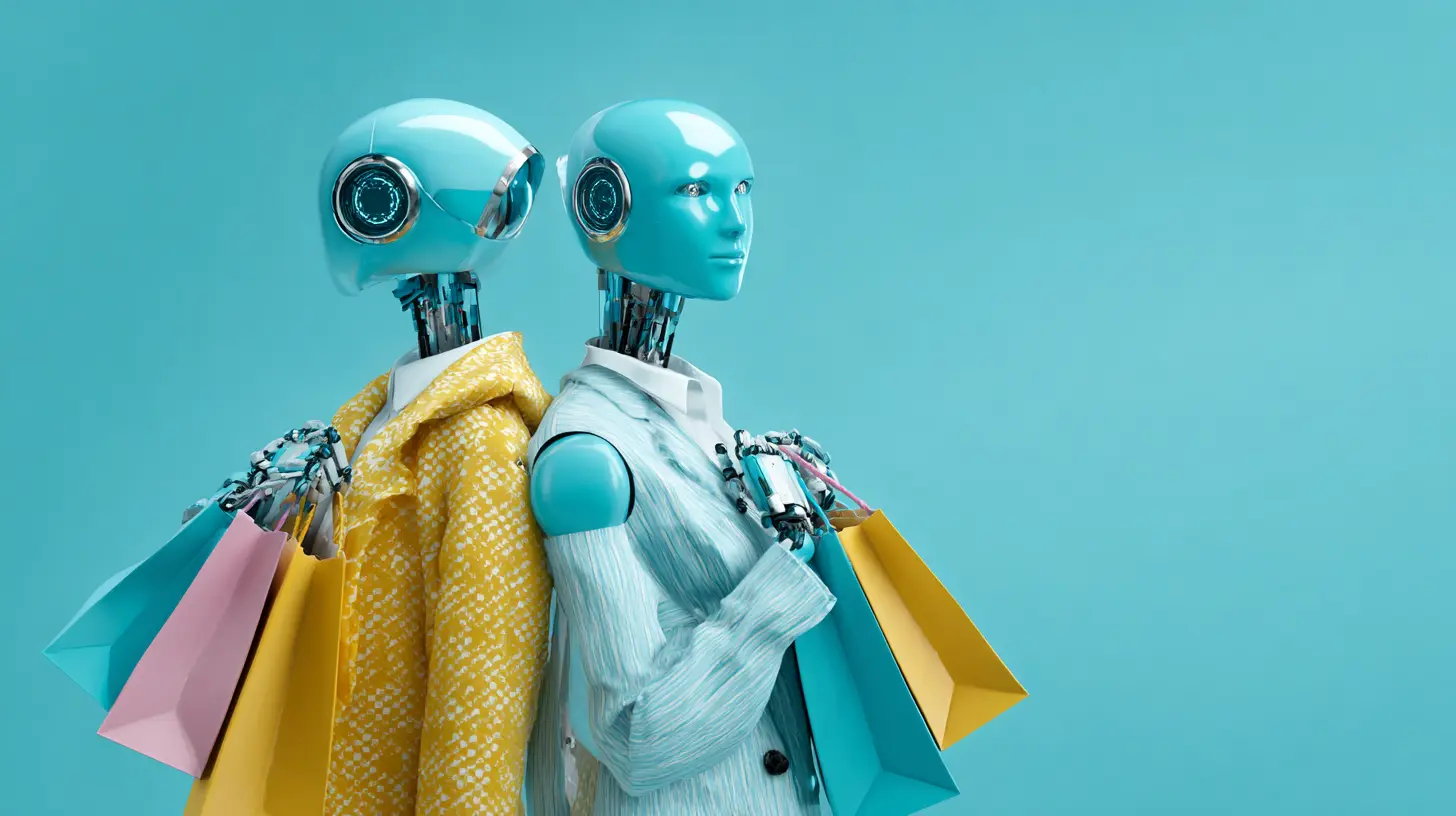
The Current Landscape
As of now, AI personal shoppers are already making waves in the retail sector. Companies like Amazon and Walmart are investing heavily in AI technology to enhance the shopping experience. You might have already encountered some form of AI assistance, like chatbots or product recommendation engines, while shopping online. But these are just the tip of the iceberg.The Growing Acceptance of AI
Despite some skepticism about AI, consumers are becoming increasingly comfortable with this technology. In fact, a recent survey suggests that over 60% of shoppers would welcome an AI personal shopper. This growing acceptance is fueled by the convenience and efficiency AI brings to the table. Who wouldn’t want to save time and energy while shopping?The Role of Data
Data is the lifeblood of AI. The more data these personal shoppers can access, the better they become at serving you. Retailers are leveraging vast amounts of customer data to train their AI systems. From browsing history to purchase patterns, this information helps shape the recommendations you receive, making your shopping experience more enjoyable.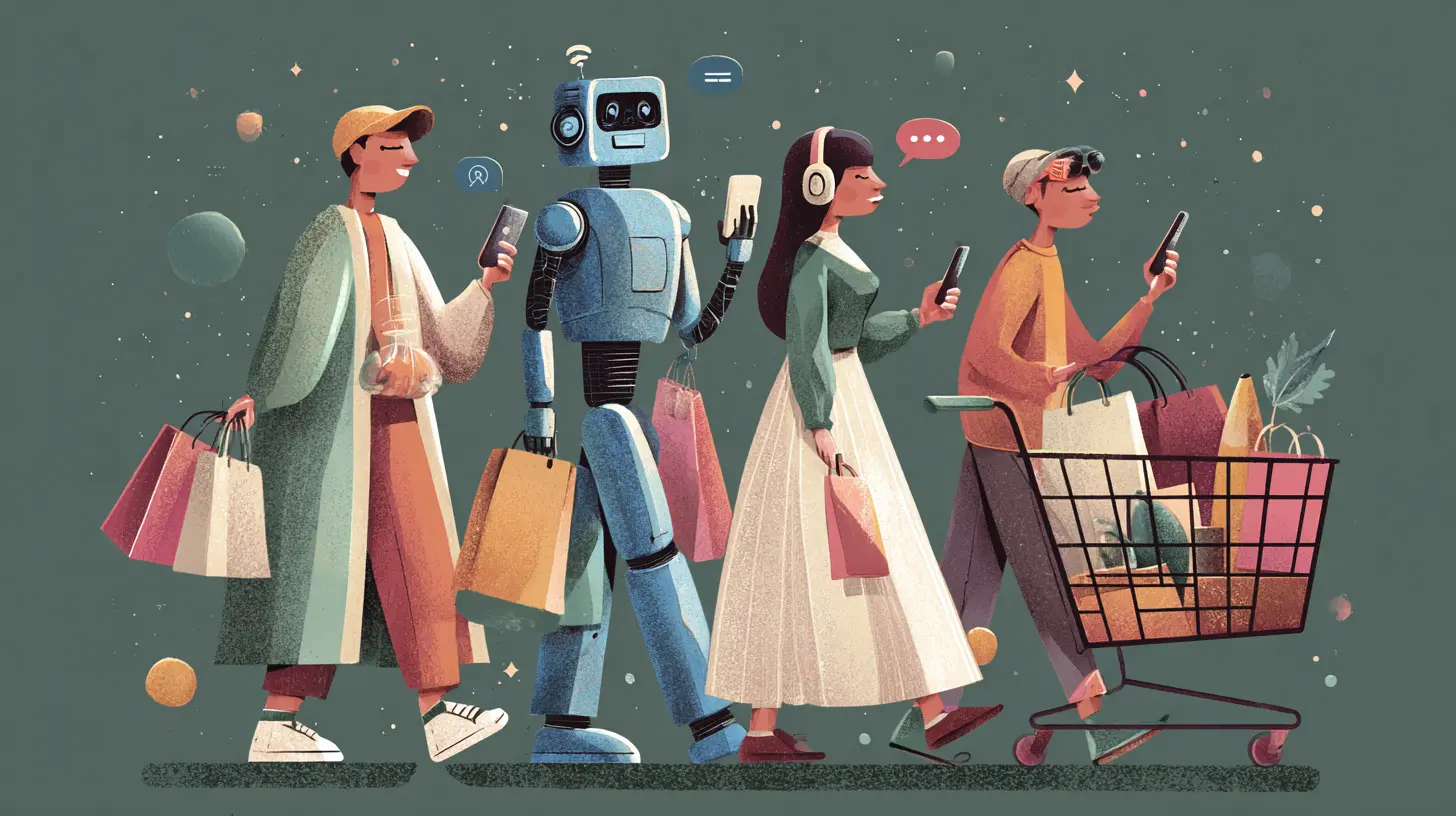
What’s on the Horizon?
Now, let’s fast forward to 2027. What can we expect from AI personal shoppers in the near future? Buckle up; it’s going to be a wild ride!Enhanced Emotional Intelligence
One of the most exciting developments on the horizon is the enhancement of emotional intelligence in AI. Imagine an AI that can not only understand your shopping preferences but also your mood. Feeling a bit down? Your AI personal shopper might suggest a splurge on that gorgeous dress you’ve been eyeing or a new gadget to lift your spirits. It’s like having a shopping therapist who knows just how to cheer you up!Virtual Reality Shopping
By 2027, we might see a blend of AI personal shopping with virtual reality (VR). Picture this: you put on your VR headset and enter a virtual shopping mall, guided by your AI personal shopper. You could walk through digital aisles, try on clothes virtually, and even see how a piece of furniture would look in your living room—all while your AI assistant provides personalized recommendations. It’s shopping like you’ve never experienced before.Seamless Integration with Social Media
Social media is already a massive influence on shopping trends, and AI personal shoppers will capitalize on this. Imagine scrolling through Instagram and receiving instant recommendations based on the outfits your favorite influencers are wearing. Your AI could analyze trends in real-time and suggest similar items available for purchase. It’s like having a fashion-forward friend who always knows what’s in style.
The Ethical Dilemma
As we embrace the rise of AI personal shoppers, it’s essential to address the ethical implications. With great power comes great responsibility, right? The use of personal data raises questions about privacy and consent. Are we comfortable with AI analyzing our behavior to make recommendations? It’s a double-edged sword; on one hand, the convenience is undeniable, but on the other, we need to protect our personal information.Data Privacy Concerns
As AI personal shoppers become more sophisticated, the amount of data they collect will only increase. Consumers will need to be educated about how their data is being used and protected. Transparency will be key. Companies that prioritize data privacy and ethical AI practices will likely gain consumers’ trust, while those that don’t may face backlash.The Human Touch
Despite the advancements in AI, there will always be a place for the human touch in shopping. While AI can analyze and recommend, it lacks the emotional understanding that comes naturally to humans. Therefore, a balance between AI efficiency and human empathy will be crucial. Imagine a scenario where your AI personal shopper collaborates with a human stylist to curate the perfect wardrobe for you. Now that’s a winning combination!The Future of Retail
The rise of AI personal shoppers is set to transform the retail landscape. Traditional shopping methods may become relics of the past, with consumers opting for personalized, efficient experiences. Retailers will need to adapt to this change or risk being left behind.Shifts in Consumer Behavior
By 2027, we will likely see a shift in consumer behavior toward more informed purchasing decisions, driven by AI insights. Shoppers will be more knowledgeable about products and brands than ever before, thanks to their AI personal shoppers. This could lead to a more competitive marketplace, where only the best products and services thrive.The Rise of Subscription Services
Subscription services are already gaining popularity, and AI personal shoppers could take this concept to the next level. Imagine a service where your AI personal shopper curates a monthly box of goodies tailored just for you. From skincare products to fashion items, you’ll receive a delightful surprise every month, with the assurance that each item has been handpicked to match your preferences. Talk about a treat!
Preparing for the Change
As we march toward 2027, both consumers and retailers need to prepare for the rise of AI personal shoppers. Here are a few tips for consumers to get ready:Embrace the Technology
Get comfortable with using AI tools. Whether it’s through shopping apps, chatbots, or virtual assistants, the more you engage with these technologies, the better they’ll understand your preferences.Stay Informed
Keep yourself informed about the latest AI advancements and how they impact shopping. Knowledge is power, and being aware of your rights regarding data privacy will help you navigate this new landscape.Provide Feedback
As you interact with your AI personal shopper, don’t hesitate to provide feedback. The more you communicate your likes and dislikes, the better your AI will become at serving you.Conclusion
The rise of AI personal shoppers is not just a passing fad; it’s a glimpse into the future of retail. By 2027, we can expect a shopping experience that is not only personalized but also intuitive and emotional. As we stand on the brink of this exciting transformation, it’s crucial to maintain a balance between technology and humanity.So, what do you think? Are you ready to embrace your AI personal shopper, or do you prefer the thrill of discovering products on your own? Whichever side you’re on, one thing is for sure: the future of shopping is bright, mysterious, and full of endless possibilities.
all images in this post were generated using AI tools
Category:
Ai In Daily LifeAuthor:

Marcus Gray
Discussion
rate this article
2 comments
Matilda McGowan
Fascinating topic! I wonder how AI personal shoppers will balance personalization with privacy. Will they truly understand our preferences, or just serve up what algorithms predict? Exciting times ahead!
April 18, 2026 at 3:35 AM
Marcus Gray
Thanks for your thoughts! Balancing personalization and privacy will definitely be a key challenge. It's an evolving landscape, and how well these systems understand us will shape their effectiveness. Exciting times indeed!
Kristina Miller
The future of AI personal shopping is promising. By 2027, expect unparalleled personalization and efficiency, redefining the retail landscape forever. Embrace the change!
April 15, 2026 at 12:07 PM
Marcus Gray
I appreciate your enthusiasm! The potential for AI in personal shopping is indeed exciting, and it will be fascinating to see how it transforms the retail experience.