The Future of Natural Language Understanding in 2026
15 April 2026
Remember the last time you yelled at a smart speaker because it played a polka playlist instead of turning off the living room lights? Or when a customer service chatbot sent you into a digital labyrinth of pre-programmed responses, utterly missing the point of your frustration? We’ve all been there. Our machines can process petabytes of data in a blink, but truly understanding the nuance, emotion, and intent behind our words? That’s been the final frontier.
But what if I told you that by 2026, this frontier is set to be crossed in ways that will fundamentally reshape our relationship with technology? We’re not just talking about incremental upgrades. We’re standing at the precipice of a revolution in Natural Language Understanding (NLU), where the line between human and machine communication will blur into near invisibility. Let’s pull back the curtain and see what’s coming.
From Pattern Recognition to Genuine Comprehension: The Core Shift
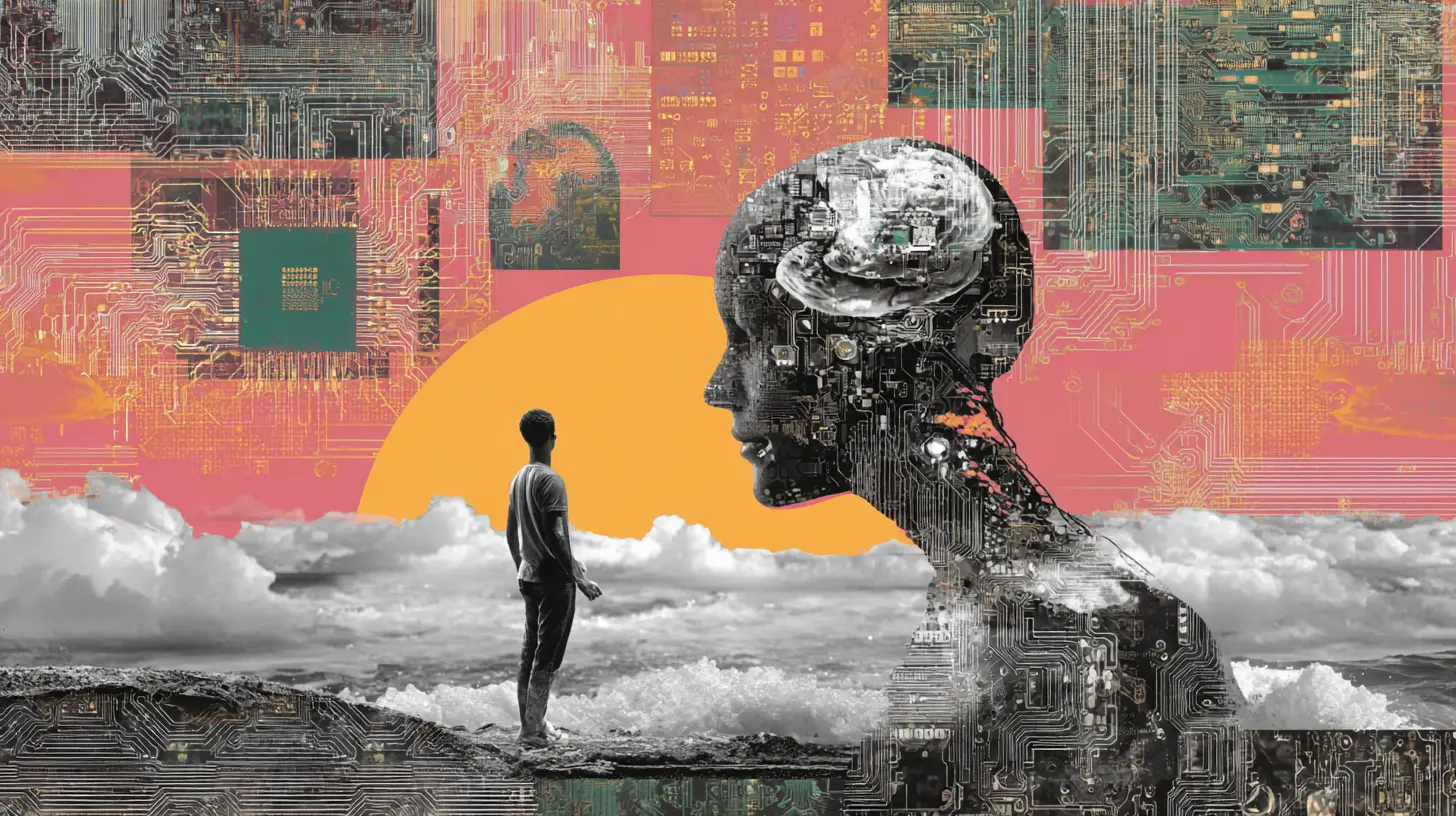
Today’s most advanced language models are, at their heart, incredibly sophisticated pattern predictors. They’ve read a significant chunk of the internet, learned statistical relationships between words, and can generate text that’s often startlingly coherent. But do they understand? It’s a philosophical debate, but the practical answer is: not like we do.By 2026, the goalposts will have moved. The focus will shift from merely generating the next plausible word to building a contextual and embodied understanding. Think of the difference between a tourist memorizing phrasebook sentences and a local who understands the culture, the slang, the unspoken rules, and the history behind the words. That’s the journey NLU is on.
The Rise of Multimodal Mastery
True understanding isn’t just about text. It’s about tone, facial expression, gesture, and even the environment. In 2026, NLU systems won’t just read your chat message; they’ll be inherently multimodal. Your AI assistant, through your device’s sensors, might detect stress in your voice as you say “I’m fine,” see your furrowed brow on a video call, and respond not just to the words but to your emotional state. It could cross-reference your calendar (you’re late for a meeting), your location (stuck in traffic), and your biometrics (elevated heart rate) to understand the full picture: “You’re not ‘fine,’ you’re stressed and running late. I’ve notified the meeting attendees and found a quicker alternate route.”This isn’t about being creepy; it’s about being contextually aware in the way a perceptive human friend would be. The model won’t just process language—it will process the world that language describes.
The Silent Revolution: NLU in the Background of Everything
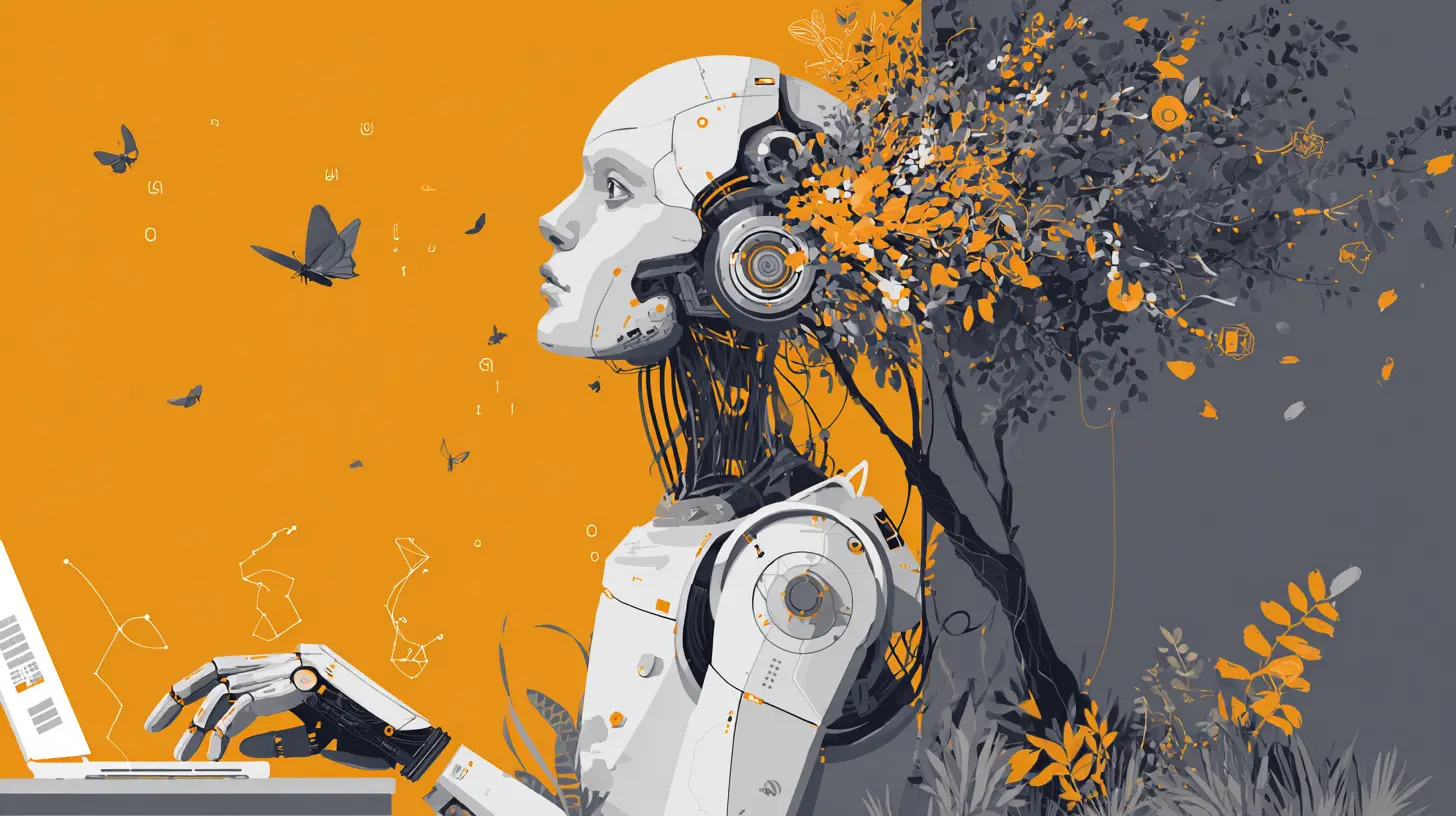
In 2026, the most powerful NLU won’t always be a chatbox you interact with. It will be the invisible engine powering everything. We’re moving from “NLU as a feature” to “NLU as the foundation.”Hyper-Personalized Digital Ecosystems
Imagine your entire digital environment—operating system, apps, services—continuously adapting to your implicit needs through language. You might muse aloud to your car, “Hmm, I wonder how the project budget is looking after that last shipment.” Your car’s NLU system, understanding your intent, your role (Project Manager), and the context (you’re driving to work), could then have a summarized financial update, pulled from secure enterprise databases and formatted for audio, ready for you when you park. The interface disappears; the understanding is seamless.Proactive and Predictive Assistance
Reactive assistants ask, “How can I help?” Proactive ones already know. NLU in 2026 will analyze patterns in your communications, work documents, and even emails you’ve put off answering. It might draft a meeting agenda based on the scattered points you jotted down in a note-taking app and a follow-up email you received. It could flag a potential contractual risk in a clause of a document you’re skimming, not by keyword matching, but by understanding the legal semantics and your company’s history with similar vendors. It’s less about commanding a tool and more about being partnered with a co-pilot who’s reading the same map.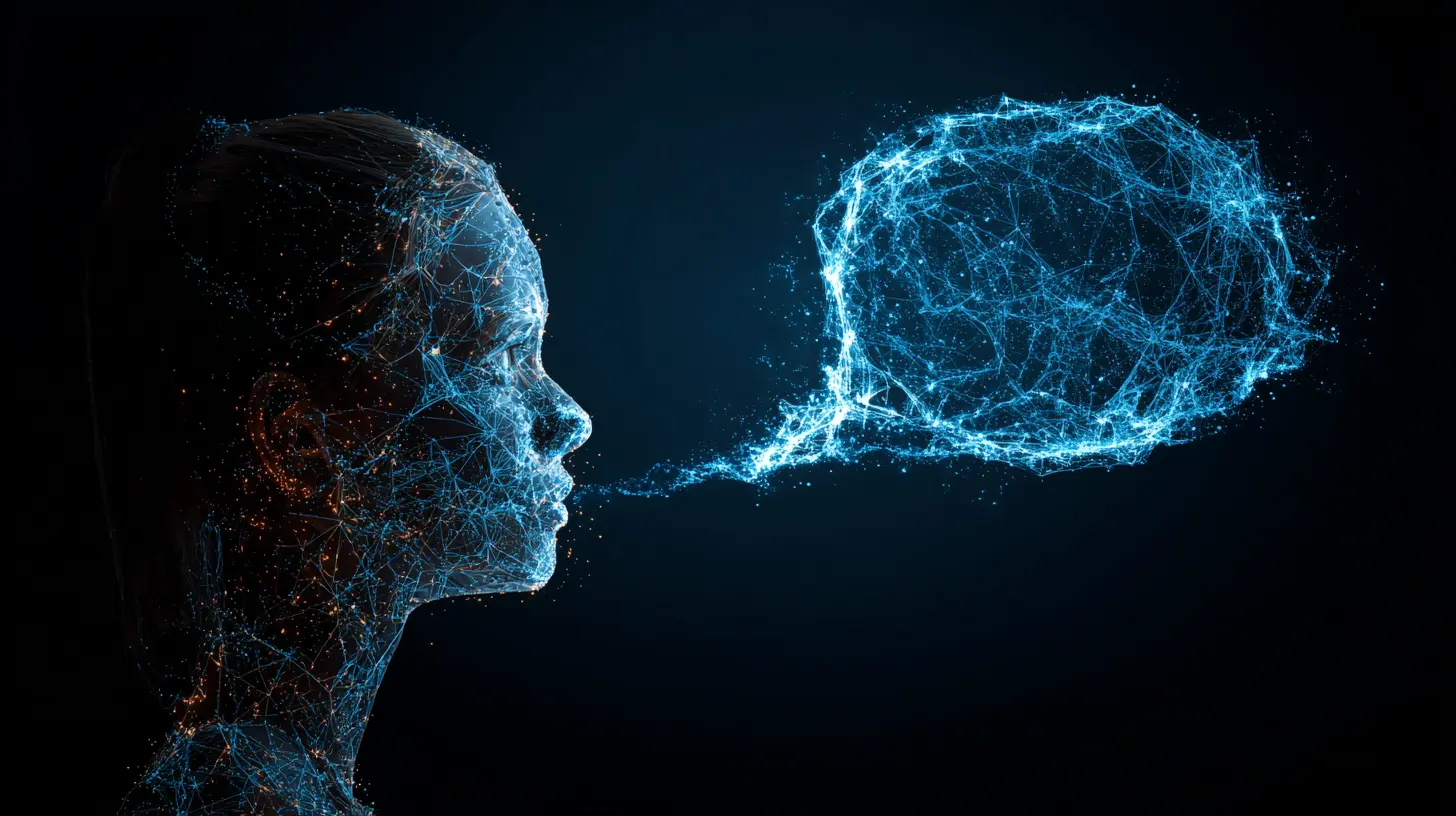
Breaking the Language Barrier: A Truly Global Conversation
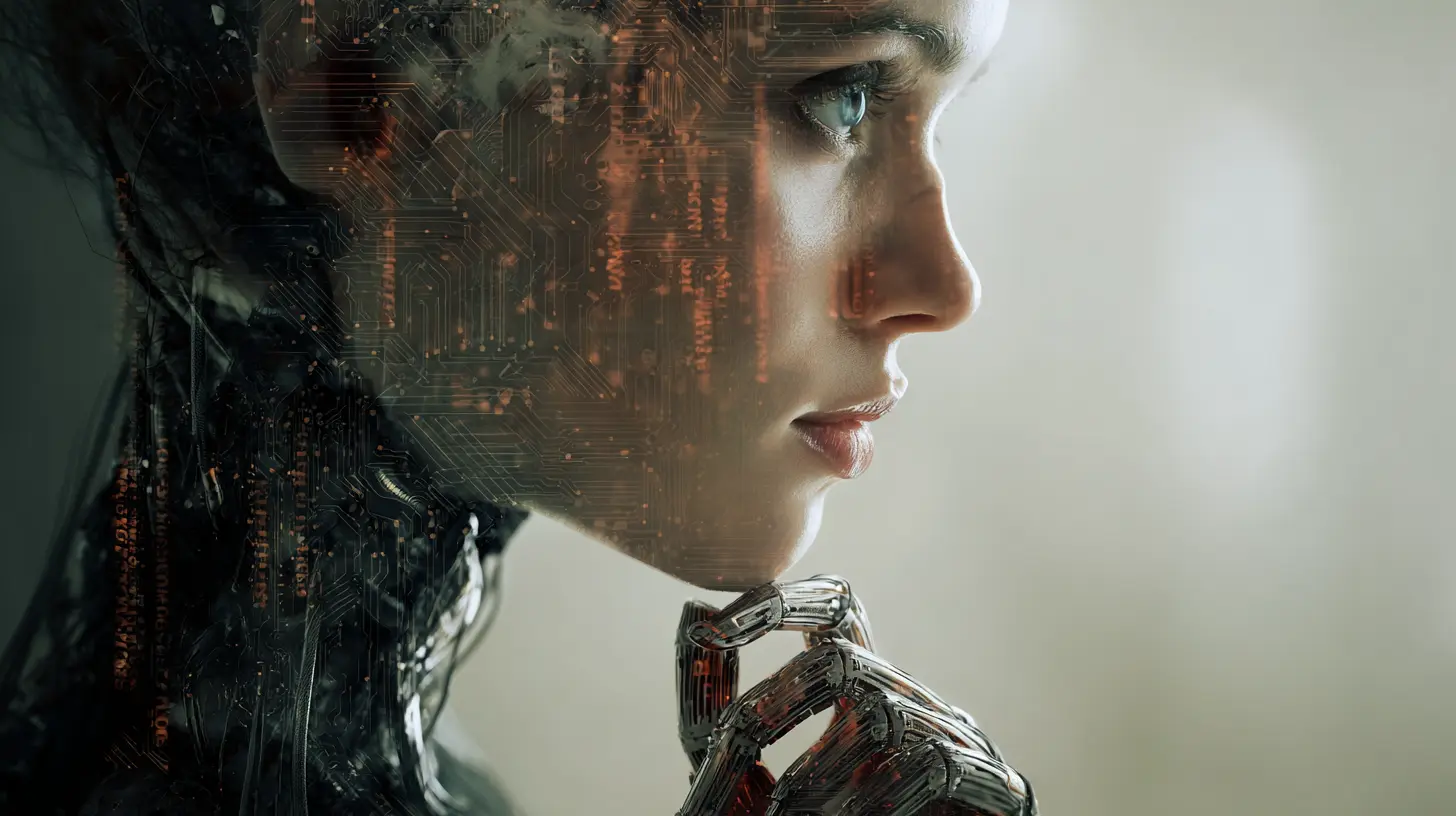
While real-time translation is already impressive, 2026’s NLU will deliver true cultural translation. It won’t just convert Japanese to English; it will understand that a Japanese speaker’s indirect, humble phrasing carries the same intent as a more direct American statement. It will preserve nuance, humor, and etiquette.This will democratize creativity, education, and business on an unprecedented scale. A programmer in Buenos Aires could seamlessly collaborate on code with a designer in Seoul, with NLU handling not just language, but clarifying technical jargon and project management terminology in real-time. The “global village” will finally have a true common tongue, powered not by a single language, but by universal understanding.
The Specialists: Domain-Specific NLU Experts
The era of the one-size-fits-all language model is waning. By 2026, we’ll see a proliferation of fine-tuned, domain-specific NLU agents. These won’t be generalists trying to be doctors or lawyers; they will be deeply trained specialists.* Your Medical Co-Pilot: An NLU system trained on medical journals, anonymized patient records, and drug interaction databases could help doctors by parsing a patient’s spoken description of symptoms (“It’s a throbbing pain that comes and goes, right here…”), cross-referencing it with history, and suggesting potential differential diagnoses for the doctor to consider. It could then generate a perfectly formatted clinical note from the conversation.
* Your Legal Research Partner: Imagine summarizing a 100-page legal discovery document by simply asking your NLU, “What are the three biggest potential liabilities for our client here?” The system would understand legal concepts, precedent, and the specific context of the case to provide a concise, sourced answer.
* The Creative Collaborator: Writers and marketers will use NLU tools that deeply understand brand voice, campaign goals, and audience demographics. Instead of generating generic content, they’ll produce first drafts that are 90% on-brand, allowing humans to focus on the spark of genius—the final 10%.
Navigating the Tightrope: Ethics, Privacy, and the "Black Box"
This powerful future isn’t without its shadows. As NLU becomes more pervasive and personal, the challenges will magnify.* Bias and Fairness: If an NLU system is trained on data that contains human biases (and they all do), it will perpetuate and potentially amplify them. By 2026, a major industry focus will be on bias detection and mitigation as a core part of the NLU development cycle, not an afterthought. We’ll need transparent audits of these systems.
* The Privacy Paradox: For an AI to understand you deeply, it needs to know you deeply. Where does that data live? Who controls it? The next two years will be critical in establishing new paradigms for sovereign and federated learning, where your personal NLU agent learns from your data without ever exposing the raw data itself to a central server.
* Explainability: When an NLU system makes a crucial recommendation—in healthcare, finance, or justice—we can’t just accept a “black box” answer. The field of Explainable AI (XAI) for NLU will boom, developing ways for systems to show their work: “I suggested this diagnosis because the patient’s description matched symptoms A, B, and C, which are linked to condition Y in these three studies, and their history ruled out condition Z.”
The Human in the Loop: Symbiosis, Not Replacement
This is the most important point. The future of NLU in 2026 is not about replacing human judgment, creativity, or empathy. It’s about augmentation. It’s about offloading the cognitive grunt work—sifting through information, drafting routine communications, managing mundane tasks—so we can focus on what makes us uniquely human: strategic thinking, ethical deliberation, artistic innovation, and genuine emotional connection.The doctor uses the medical NLU to handle information retrieval, freeing her to spend more time looking the patient in the eye. The engineer uses the technical NLU to parse documentation, giving him more time for creative problem-solving. The writer uses the creative NLU to overcome writer’s block, preserving her energy for perfecting the narrative arc.
Conclusion: The Dawn of Intuitive Technology
By 2026, Natural Language Understanding will cease to be a technology we use and will become the medium through which we interact with the digital world. The stilted, literal commands of the past will give way to fluid, intuitive, and context-rich conversations. Technology will finally begin to understand not just our words, but our meaning, our context, and our unspoken needs.The keyboard and the touchscreen won’t disappear, but they will often feel like unnecessary intermediaries. We’ll be moving towards a world where our primary interface with technology is the most natural one we possess: our own language. The journey to get there will require navigating significant ethical and technical challenges, but the destination promises a more efficient, creative, and connected human experience. The machines are learning to listen. Truly listen. And that changes everything.
all images in this post were generated using AI tools
Category:
Natural Language ProcessingAuthor:

Marcus Gray
Discussion
rate this article
2 comments
Petra McManus
As we look towards 2026, advancements in natural language understanding promise more intuitive AI interactions, enhancing user experience across industries. Embracing these innovations will be crucial for staying competitive in a tech-driven world.
April 15, 2026 at 12:07 PM
Marcus Gray
Thank you for your insight! Embracing advancements in natural language understanding will indeed be key to enhancing user experiences and maintaining competitiveness across industries by 2026.
Patricia Ward
As we approach 2026, advancements in Natural Language Understanding (NLU) will dramatically enhance human-computer interaction. Innovations in deep learning and contextual awareness promise to refine communication, enabling applications from personalized digital assistants to advanced sentiment analysis, ultimately transforming industries and fostering more intuitive user experiences. Exciting times ahead!
April 15, 2026 at 2:44 AM
Marcus Gray
Thank you for your insightful comment! I completely agree—these advancements will revolutionize how we interact with technology and open up new possibilities across various sectors. Exciting times indeed!