The Future of AR and VR Gadgets Is Here
3 June 2026
Technology has this incredible way of making us feel like we’re living in a sci-fi movie. Remember when smartphones were mind-blowing? Now, they’re so common that we barely give them a second thought. Well, brace yourself because the next tech evolution is upon us. Augmented Reality (AR) and Virtual Reality (VR) gadgets are no longer just futuristic concepts; they’re here, and they're about to change the way we experience the world.
In this article, we’re going to dive deep into the future of AR and VR gadgets. From the devices you'll wear on your head to the experiences they'll unlock, we’ll explore how these technologies are shaping everything from gaming and entertainment to education and healthcare. Get ready, because the future is about to get a lot more immersive!
What Are AR and VR?
Before we dive into the nitty-gritty of the future, let’s quickly get on the same page about what AR and VR actually are.AR (Augmented Reality)
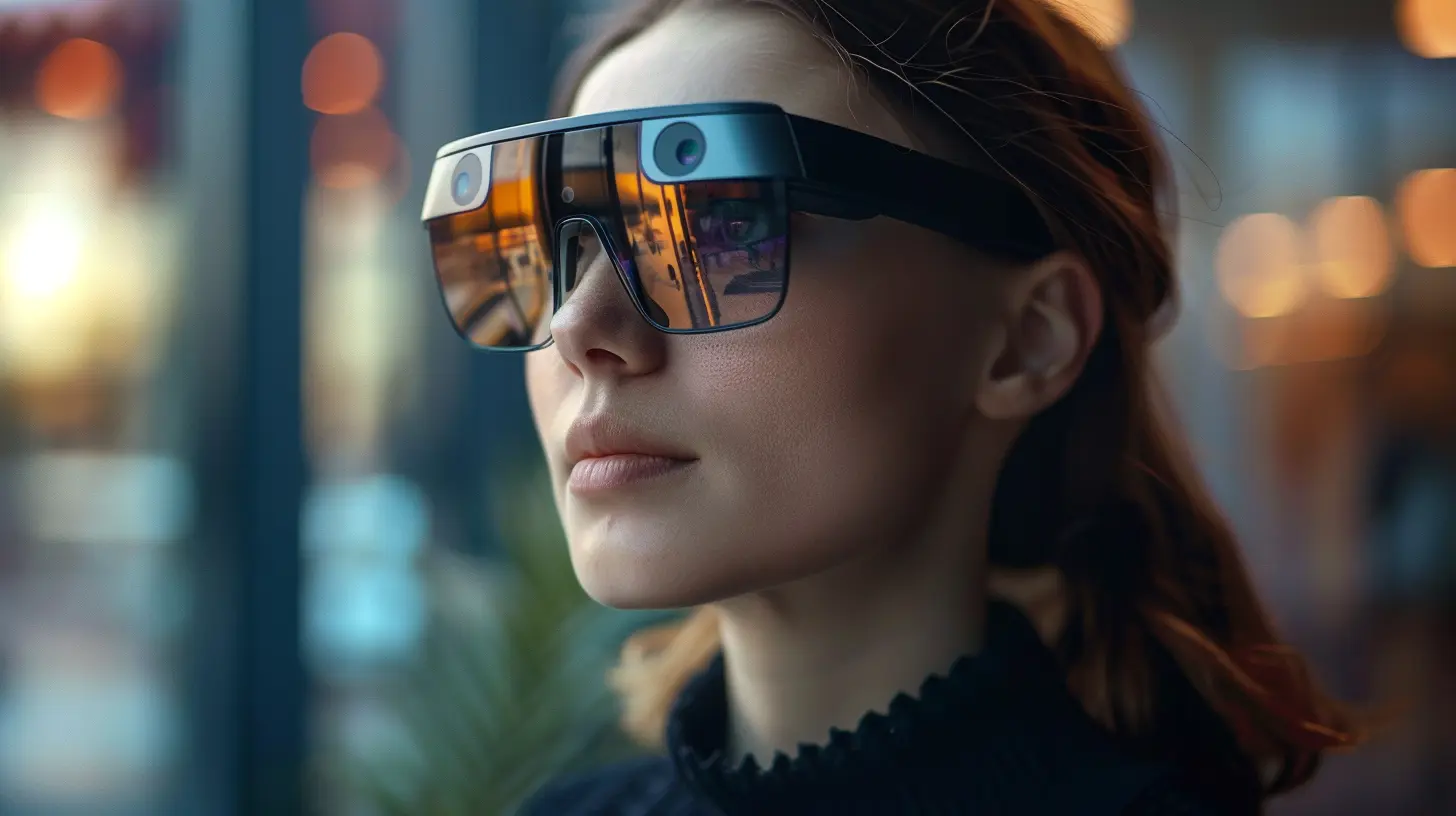
AR enhances the real world by overlaying digital information or graphics onto your surroundings. Imagine walking down the street, and your AR glasses pop up with directions or restaurant reviews in real time. You’re still in the real world, but it's been augmented with extra info.VR (Virtual Reality)
VR, on the other hand, takes you out of the real world completely and places you in a fully digital environment. With VR, you can find yourself on a battlefield, inside a digital workspace, or even exploring Mars—all without leaving your living room. You’re fully immersed in a new reality.Simple, right? Now, let's talk about how these technologies are set to blow our minds in the near future.
The Evolution of AR and VR Gadgets
AR and VR have come a long way since their inception. Remember the early days of clunky VR headsets where you needed a NASA-level computer just to run a basic simulation? Or the AR apps that barely recognized your living room floor? Fast forward to today, and we’ve got devices like the Oculus Quest 2 and Microsoft’s HoloLens that offer high-resolution, untethered experiences.But, we’re just scratching the surface. The future holds far more than what we’ve seen so far.
AR Glasses: The Next Big Thing
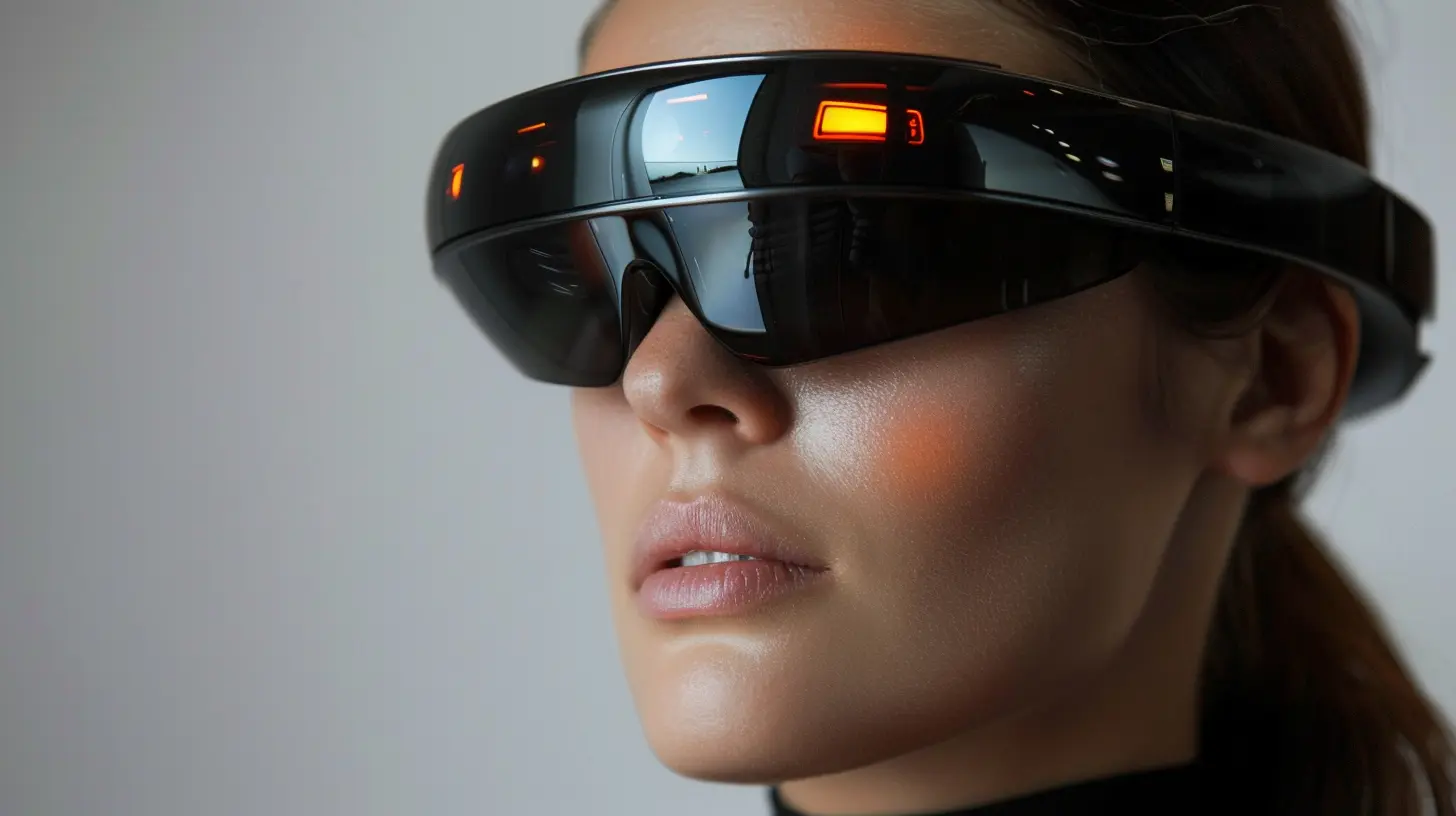
If you think AR is just for your smartphone, think again. Enter AR glasses—wearable technology that looks like regular glasses but allows you to interact with the digital world seamlessly. Companies like Apple, Google, and even Facebook (now Meta) are heavily invested in making AR glasses the next must-have gadget.What Can They Do?
Imagine walking through a grocery store, and your AR glasses highlight the items on your shopping list. Or, you’re sitting in a meeting, and your glasses display real-time subtitles for a multi-language discussion. You could even get personalized navigation while cycling through a busy city. The potential is endless.Not to mention, AR glasses could replace your smartphone altogether. Instead of pulling out your phone to check notifications, your glasses could subtly display them in your peripheral vision. It’s like living in the future without looking like a cyborg.
VR Headsets: Immersion Like Never Before
VR headsets are already pretty cool, but they’re about to get a whole lot cooler. Future VR headsets will be lighter, more comfortable, and feature even higher-resolution displays—making the experience indistinguishable from the real world.Wireless Freedom
One of the biggest advances in VR is going to be wireless technology. Current high-end VR headsets, like the HTC Vive Pro, still require cables and external sensors. But the next generation of VR headsets will be completely wireless, offering full freedom of movement without being tethered to a bulky computer.Haptic Feedback and Sensory Immersion
Imagine playing a VR game and actually feeling the vibrations when you get hit or touching virtual objects and feeling their texture. Haptic feedback technology is evolving fast, and soon you'll be able to experience VR not just visually, but physically. Gloves, bodysuits, and even shoes are in development to give users a fully immersive experience that engages multiple senses.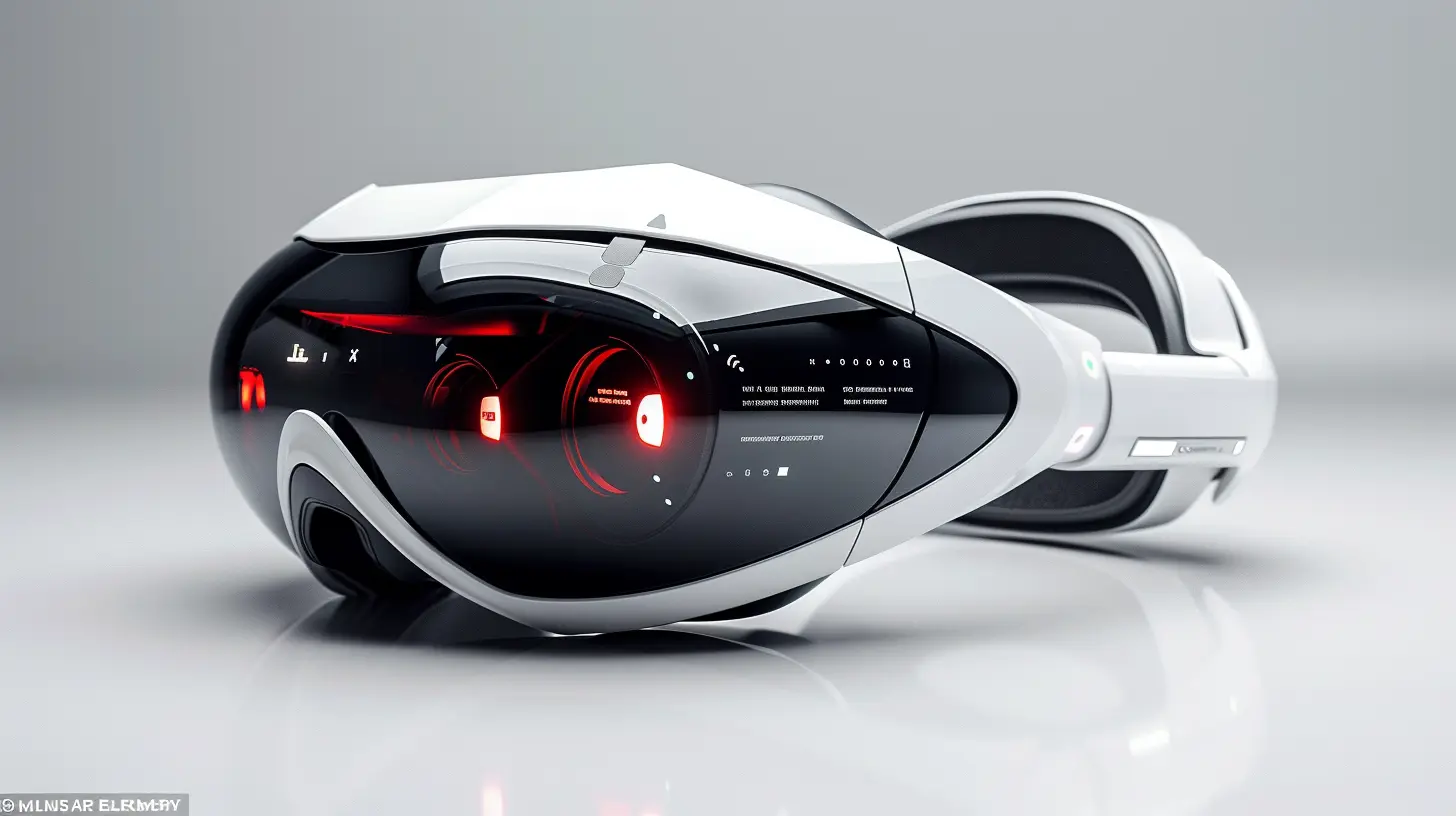
How AR and VR Are Shaping Industries
Now that we've got a handle on the gadgets of the future, let’s talk about how they’re going to impact different industries. Spoiler alert: It's going to be big.Gaming and Entertainment
This is the most obvious application of AR and VR, right? We’re already seeing how VR headsets are transforming gaming. But in the future, we could see whole new genres of games that fully take advantage of immersive environments.AR Gaming
Remember Pokémon Go? That was just the tip of the iceberg. Future AR games will allow you to interact with digital creatures, solve puzzles, and even engage in multiplayer battles—all in the real world. Imagine a game that turns your entire neighborhood into a battleground or a mystery-solving adventure where clues are hidden in real-world locations.VR Movies and Concerts
Why go to a concert when you could have the best seat in the house—virtually? VR is set to revolutionize the way we consume entertainment. Imagine watching a movie where you’re not just a viewer but part of the action. Or attending a live concert from the comfort of your couch, with a 360-degree view of the stage.Education and Training
AR and VR are not just for fun and games. These technologies have enormous potential in education and professional training.VR Classrooms
Imagine a history class where you’re not just reading about ancient Rome but actually walking through the streets of the city, interacting with historical figures. With VR, students can be transported to any place or time—making learning more engaging and interactive.AR for Skill Training
AR can also be incredibly useful for hands-on training. For example, medical students could use AR to practice surgeries, with real-time guidance from digital overlays. Mechanics could fix complex machinery while receiving step-by-step instructions via their AR glasses. The possibilities are endless.Healthcare
Speaking of medicine, AR and VR are already making waves in the healthcare industry, but we’re only seeing the beginning.VR Therapy
VR is being used to treat conditions like PTSD, anxiety, and phobias by exposing patients to controlled environments where they can confront their fears in a safe space. In the future, VR could play a major role in mental health treatment, offering personalized therapies and support.AR for Surgeons
Surgeons are already using AR to overlay 3D images of patients' internal organs during surgery, allowing for greater precision. This technology could significantly reduce the risk of errors and improve patient outcomes. In the future, AR could become a standard tool in operating rooms around the world.Retail and Shopping
Imagine trying on clothes without actually being in a store. That's what AR promises for the retail industry. With virtual try-ons, you could see how a piece of clothing looks on you without stepping foot in a changing room.Virtual Showrooms
VR could also allow you to browse entire stores from the comfort of your home. Big retailers like IKEA are already experimenting with virtual showrooms where customers can design their space and see how furniture would look in their homes before making a purchase.Social Interaction and Workspaces
As remote work continues to rise, AR and VR could offer new ways to connect with colleagues and friends.Virtual Workspaces
Imagine attending a work meeting in a virtual office where you can interact with 3D models and collaborate as if you were physically present. Companies like Meta are already working on virtual collaboration platforms that could replace traditional video conferencing.AR Social Media
Social media is going to get a whole lot more personal. With AR glasses, you could interact with your friends' digital avatars in real time, or even attend virtual meetups where everyone’s physically in different locations but digitally together.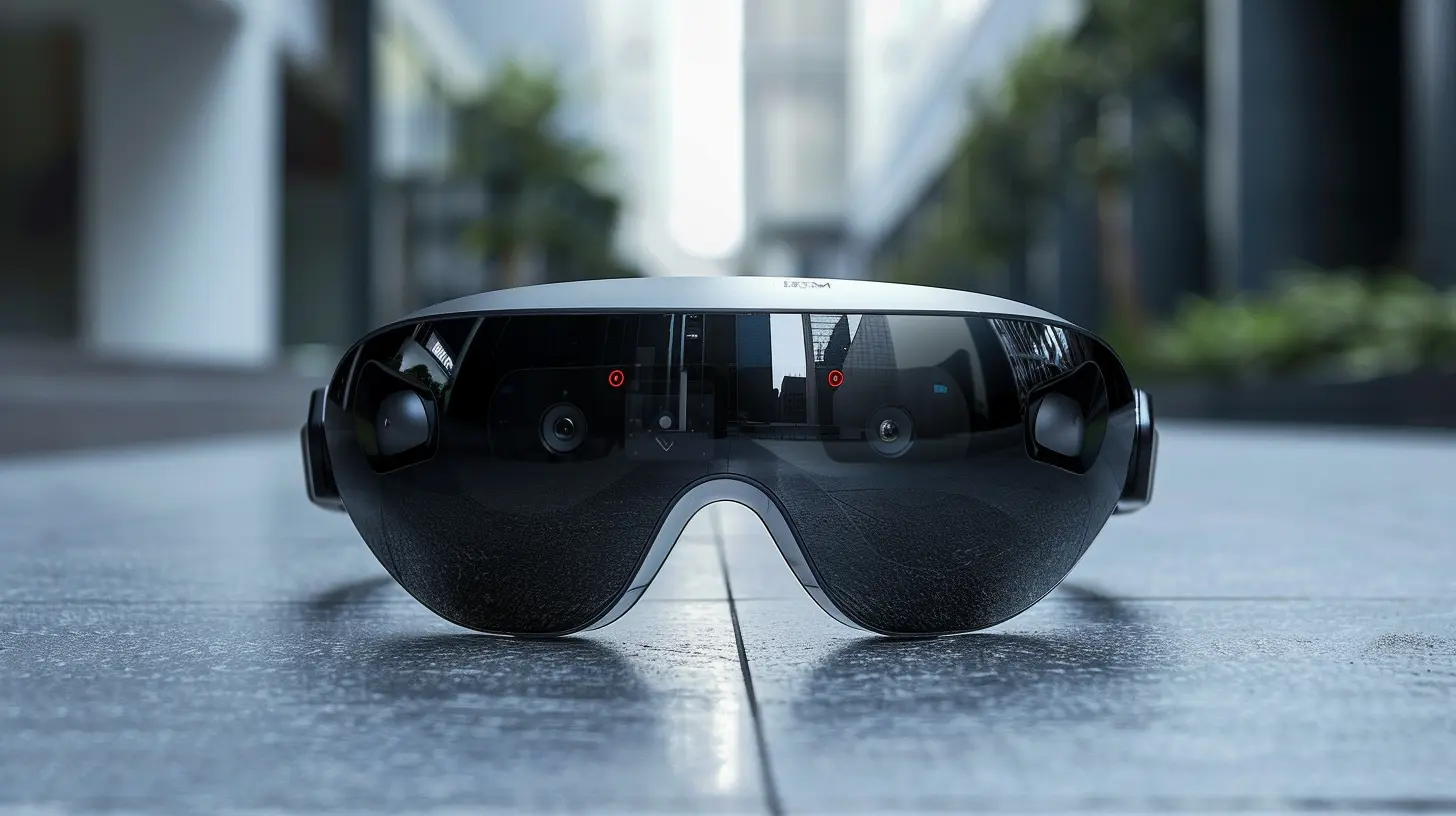
Challenges Ahead
Of course, no technology is without its challenges. AR and VR still face hurdles like battery life, high costs, and privacy concerns. And let’s not forget the potential for motion sickness in VR environments. But as technology continues to advance, these challenges will likely diminish, paving the way for widespread adoption.The Future Is Now
AR and VR are no longer just buzzwords. The future of these technologies is already unfolding, and it's more exciting than we ever imagined. From transforming how we play, learn, and work, to revolutionizing industries like healthcare and retail, AR and VR are set to change the world in ways we can't even fully comprehend yet.So, are you ready to strap on a headset or slip on a pair of AR glasses? The future is here, and it’s more immersive than ever!
all images in this post were generated using AI tools
Category:
Latest GadgetsAuthor:

Marcus Gray
Discussion
rate this article
1 comments
Bella Clarke
The future of AR and VR is not just on the horizon; it's unfolding now. These gadgets will redefine how we interact with the world, sparking creativity and innovation in ways we can't yet imagine.
June 5, 2026 at 3:22 AM
Marcus Gray
You're absolutely right! The potential of AR and VR is already transforming our experiences. Exciting times ahead!