The Evolution of Chatbots and Virtual Assistants Through NLP
10 June 2026
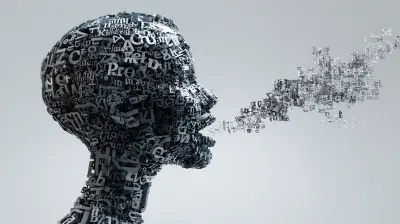
Remember the first time you tried talking to a computer? Maybe it was that clunky automated phone system that kept asking you to repeat your account number. Or perhaps it was an early chatbot that seemed to have the conversational range of a goldfish. We have come a long way from those days. The journey of chatbots and virtual assistants is really a story about how we taught machines to understand our messy, beautiful human language. And the engine behind that whole transformation is Natural Language Processing, or NLP.
NLP is not just a fancy acronym. It is the bridge between the cold logic of code and the warm chaos of how we actually talk. Without it, Siri would never know the difference between "call me a taxi" and "call me a cab." Without it, Alexa would be just another speaker gathering dust. So, let's pull back the curtain and look at how we got here, where we are now, and where this wild ride is taking us.
The Bot That Could Only Say "Hello"
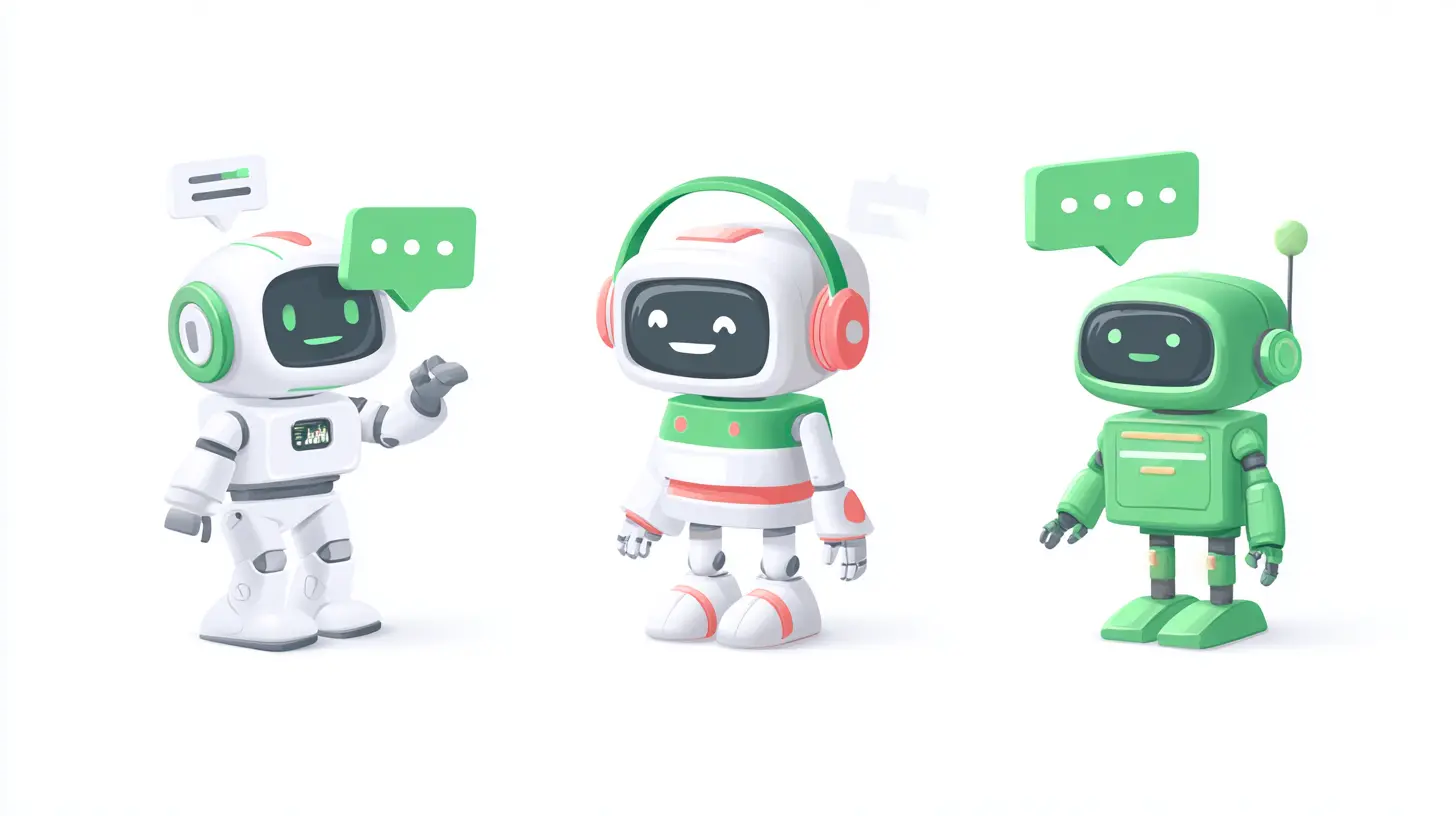
Let us rewind to the 1960s. Most people think AI is a modern invention, but the first chatbot, ELIZA, was created at MIT in 1966. ELIZA was a genius piece of work, but it was also a trick. It used simple pattern matching. If you said "I am sad," it would flip your words and ask, "Why are you sad?" It felt like therapy, but it was just a mirror. ELIZA had zero understanding of your actual feelings. It was a parrot, not a person.For decades, that was the state of the art. Bots followed scripts. They were decision trees. You said "1" for billing, "2" for support. It was efficient for companies, but it felt like talking to a vending machine. The problem was that early computers could not handle ambiguity. Human language is full of it. If I say "I am dying to see that movie," a 1980s bot would have called an ambulance. NLP back then was just a set of rigid rules. You had to teach the computer every single grammar rule, every exception, every idiom. It was like trying to build a sandcastle with tweezers. It took forever, and it always fell apart when faced with real-world slang.
The Shift From Rules to Statistics
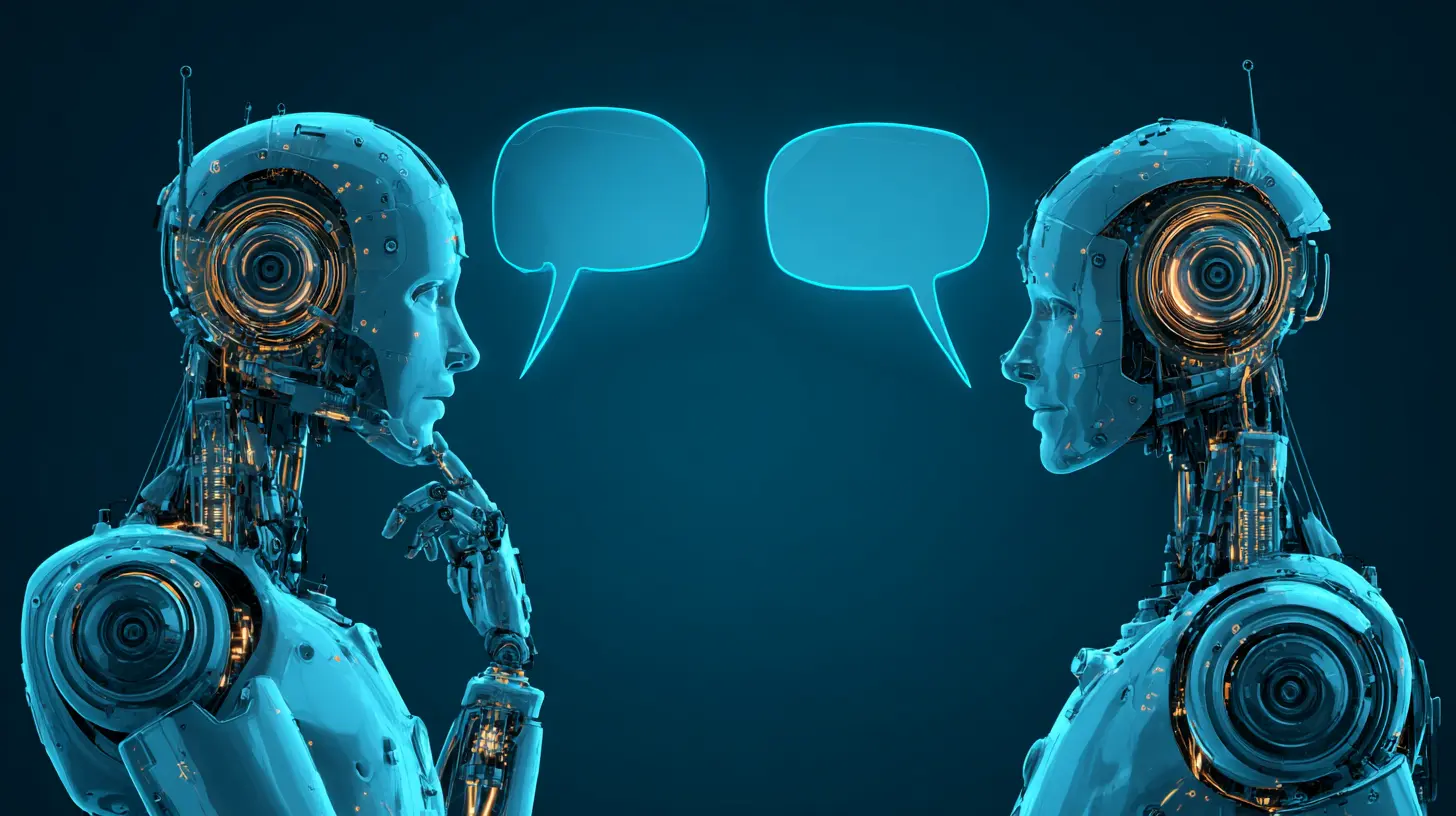
The real game-changer happened in the 1990s and early 2000s. Researchers realized that instead of teaching computers the rules of language, they could just feed them massive amounts of text and let them figure out the patterns. This was the shift from rule-based NLP to statistical NLP. Think of it like learning a language by reading a million books versus studying a grammar textbook. The statistical approach was messy, but it was powerful.Suddenly, chatbots got a little smarter. They could guess what you meant even if you did not type perfectly. Spell checkers got better. Search engines started understanding the intent behind your query. But these systems were still clunky. They relied on probability. They could tell you that "bank" often appears near "money" and "river," but they did not know which meaning you wanted. It was a step up from ELIZA, but it was still like talking to a very well-read toddler. They had the vocabulary, but not the context.
The Deep Learning Revolution
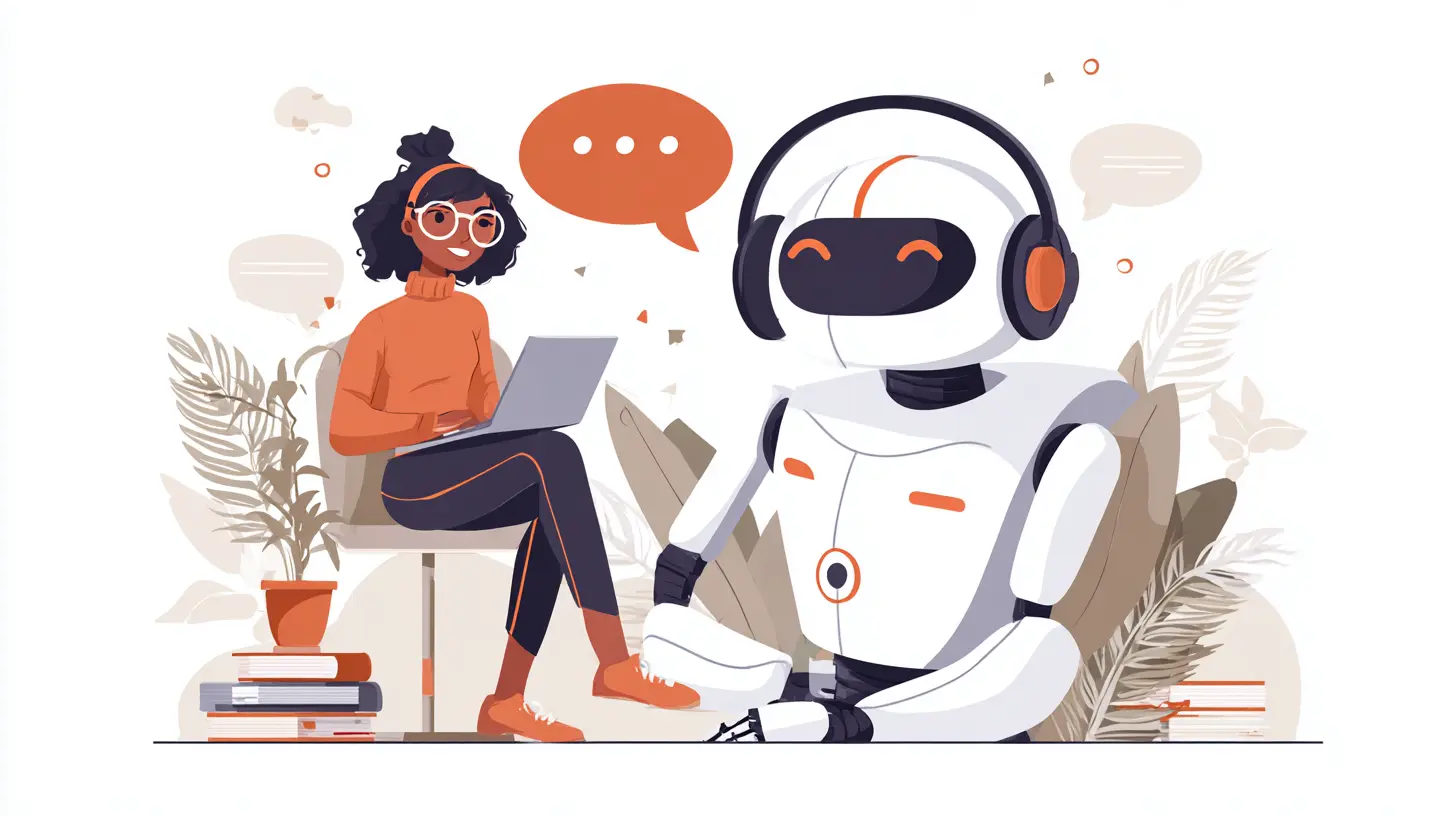
Then came the deep learning wave. Around 2013, neural networks started taking over NLP. This is where things got really interesting. Instead of just counting word frequencies, deep learning models learned to represent words as vectors in a high-dimensional space. It is a fancy way of saying they learned the relationships between words. The model understood that "king" is to "queen" as "man" is to "woman." That is a huge leap.This is when virtual assistants like Siri, Alexa, and Google Assistant went from novelties to household names. But let us be honest. Early versions were still frustrating. You had to speak to them in a very specific way. "Set a timer for 10 minutes." If you said "Hey, can you give me a hand and set a timer for a few minutes?" they would often fail. They were still brittle. They understood the words, but they did not understand the intention behind the sentence. They lacked what linguists call pragmatics.
The Transformer Architecture and BERT
The absolute turning point came in 2017 with a paper titled "Attention Is All You Need." That paper introduced the Transformer architecture. Do not let the name fool you. It was not a robot that turned into a truck. It was a new way for models to process language. The key was "attention." Instead of reading a sentence word by word, the Transformer looked at the entire sentence at once and figured out which words were most important to each other.Think of it like reading a sentence. When you read "The cat, which was very fluffy and had been sleeping on the mat, jumped," your brain automatically connects "cat" to "jumped" even though there are a bunch of words in between. The Transformer did that. It created context. This led to models like BERT from Google and GPT from OpenAI. Suddenly, NLP got a brain transplant.
BERT could understand that "I need to deposit a check" and "I need to cash a check" are different, but "I need to take a check to the bank" could mean either. It was a massive leap in comprehension. Chatbots started to feel less like robots and more like assistants. They could handle follow-up questions. They could remember what you said two sentences ago. That is something humans take for granted, but it was a nightmare for old-school bots.
The Birth of the Conversational Assistant
With these smarter models, virtual assistants became proactive. They started to anticipate needs. Google Assistant could book a restaurant table for you without you having to spell out every detail. Alexa could understand a command like "Turn off the lights in the living room and set the thermostat to 68." That is a compound sentence with two actions. A few years earlier, that would have broken the system.But here is the tricky part. As these assistants got better, our expectations skyrocketed. We stopped being impressed that they could play a song. We started getting annoyed if they could not understand a sarcastic remark. "Oh, great, another rainy day." A human hears that and knows you are being grumpy. A virtual assistant, even with the latest NLP, might reply, "Yes, the forecast shows rain." It misses the tone. That is the next frontier.
The Rise of Large Language Models
We are now in the era of Large Language Models, or LLMs. Think of ChatGPT, Claude, and Gemini. These are not just chatbots. They are reasoning engines wrapped in a conversational interface. They have been trained on the entire internet. They can write poetry, code a website, and argue about philosophy. But how does this change the evolution of virtual assistants?It changes everything. The old assistants were narrow. They had a list of skills. "Weather, timer, music, lights." The new assistants are broad. They can handle "I need a workout plan for someone who hates running but loves swimming, and I have a bad knee." That is a complex, multi-variable request. An older NLP system would have choked. An LLM-based assistant can parse that, generate a plan, and even explain why it chose certain exercises.
This is the point where chatbots stop being tools and start becoming collaborators. But it also introduces new problems. LLMs hallucinate. They make up facts. They can be confidently wrong. If you ask a virtual assistant about a medical condition, it might give you advice that sounds correct but is actually dangerous. So the evolution is not just about making them smarter. It is about making them trustworthy.
Context and Memory: The Holy Grail
One of the biggest challenges in NLP for assistants is memory. A great conversation requires context. When you talk to a friend, they remember your last conversation. They know your preferences. They know you are allergic to peanuts. Most virtual assistants today have the memory of a goldfish. They treat every conversation as a blank slate.But that is changing. New NLP models are being designed with persistent memory. Imagine a virtual assistant that knows you have a meeting every Tuesday at 10 AM, and when you say "I am running late," it automatically reschedules your meeting and texts your colleague. That is the power of context. It requires the NLP model to not just understand the words, but to understand the user's history, habits, and even emotional state.
This is where the concept of "stateful" NLP comes in. The model keeps a running summary of the interaction. It is like taking notes during a conversation. This allows for much deeper, more human interactions. You can interrupt yourself. You can change the subject. The assistant can follow along. That is the kind of fluidity we are starting to see in the newest generation of assistants.
The Problem of Intent and Emotion
Let us get philosophical for a moment. Can a machine ever truly understand what you mean? NLP is great at pattern matching. It can detect that the words "I feel terrible" often correlate with a request for help. But does it feel anything? No. And that is a limitation.Virtual assistants are getting better at emotional intelligence, but it is still a simulation. They can detect anger in your tone of voice or in your word choice. They can respond with empathy. "I am sorry to hear you are frustrated. Let me help you fix that." But it is a script. The assistant does not actually care. For many practical tasks, that is fine. But for deep, meaningful conversations, it falls flat.
The evolution of NLP is now focusing on affective computing. That is the art of reading human emotion. Some systems use sentiment analysis to gauge whether you are happy, angry, or neutral. Others use tone of voice. The next step is to combine all these signals into a single, coherent understanding of the user's state. Imagine a virtual assistant that notices you sound stressed and offers to play calming music without you asking. That is the dream.
The Future: Multimodal and Autonomous
Where are we headed? The future of chatbots and virtual assistants is multimodal. That means they will not just understand text or voice. They will understand images, video, and gestures. You will be able to point your phone camera at a plant, say "What is wrong with this leaf?" and the assistant will diagnose the disease. That is NLP combined with computer vision.We are also moving toward autonomous agents. These are assistants that do not just answer questions. They take actions on your behalf. You tell your assistant "Book me a flight to Tokyo next week, but only if the price is under $800, and send the itinerary to my wife." The assistant will search, compare, decide, and execute. That requires NLP to understand complex instructions, negotiation, and even a bit of common sense.
But with great power comes great responsibility. These autonomous agents will have access to your email, your calendar, your bank account. The NLP models that power them must be secure and private. We are already seeing a push for on-device NLP, where your data never leaves your phone. Apple and Google are investing heavily in this. The assistant gets smarter, but your privacy stays intact.
The Human Element
At the end of the day, the evolution of chatbots and virtual assistants is a mirror of our own desire to be understood. We want technology that listens. We want it to get us. NLP is the tool that makes that possible. But it is still a tool. It is not magic. It is math and statistics and a lot of data.The best assistants are the ones that know their limits. They know when to say "I do not know" instead of guessing. They know when to hand you off to a human. That is the ultimate test of NLP. It is not about being perfect. It is about being helpful. And as the technology continues to evolve, the line between talking to a machine and talking to a person will keep blurring.
So the next time you ask your phone a question, take a moment to appreciate the journey. From a simple script that could barely say hello to a neural network that can write a poem about your cat, it has been a wild ride. And we are only at the beginning.
all images in this post were generated using AI tools
Category:
Natural Language ProcessingAuthor:

Marcus Gray
Discussion
rate this article
1 comments
Ursula Frye
The growth of chatbots highlights both technological advances and the ongoing challenge of creating truly human-like interactions. It's fascinating.
June 22, 2026 at 3:29 AM
Marcus Gray
Absolutely, the balance between tech advancements and genuine interactions is a key focus as we continue to evolve these tools. It is indeed fascinating!