Smart Speakers for Kids: Educating and Entertaining the Next Generation
21 February 2026
Let’s face it—kids today are growing up in a completely different world than we did. From touchscreens to AI-powered toys, the tech revolution has fully seeped into childhood. One of the quiet (pun intended) stars of this tech movement is the smart speaker. You know, those voice-activated gadgets like the Amazon Echo or Google Nest that make your home feel like part of a futuristic movie? Yep, those.
Only now, these devices are being specially adapted for our little ones. Think of smart speakers for kids as friendly robots with a personality—one part educator, one part entertainer, and a full-time companion.
In this post, we’ll dive deep into how smart speakers are transforming early education, keeping kids entertained in positive ways, and even giving busy parents a little help. So grab a cup of coffee (or juice box if you're reading with your kid), and let’s chat about why smart speakers could be the perfect new addition to your child’s life.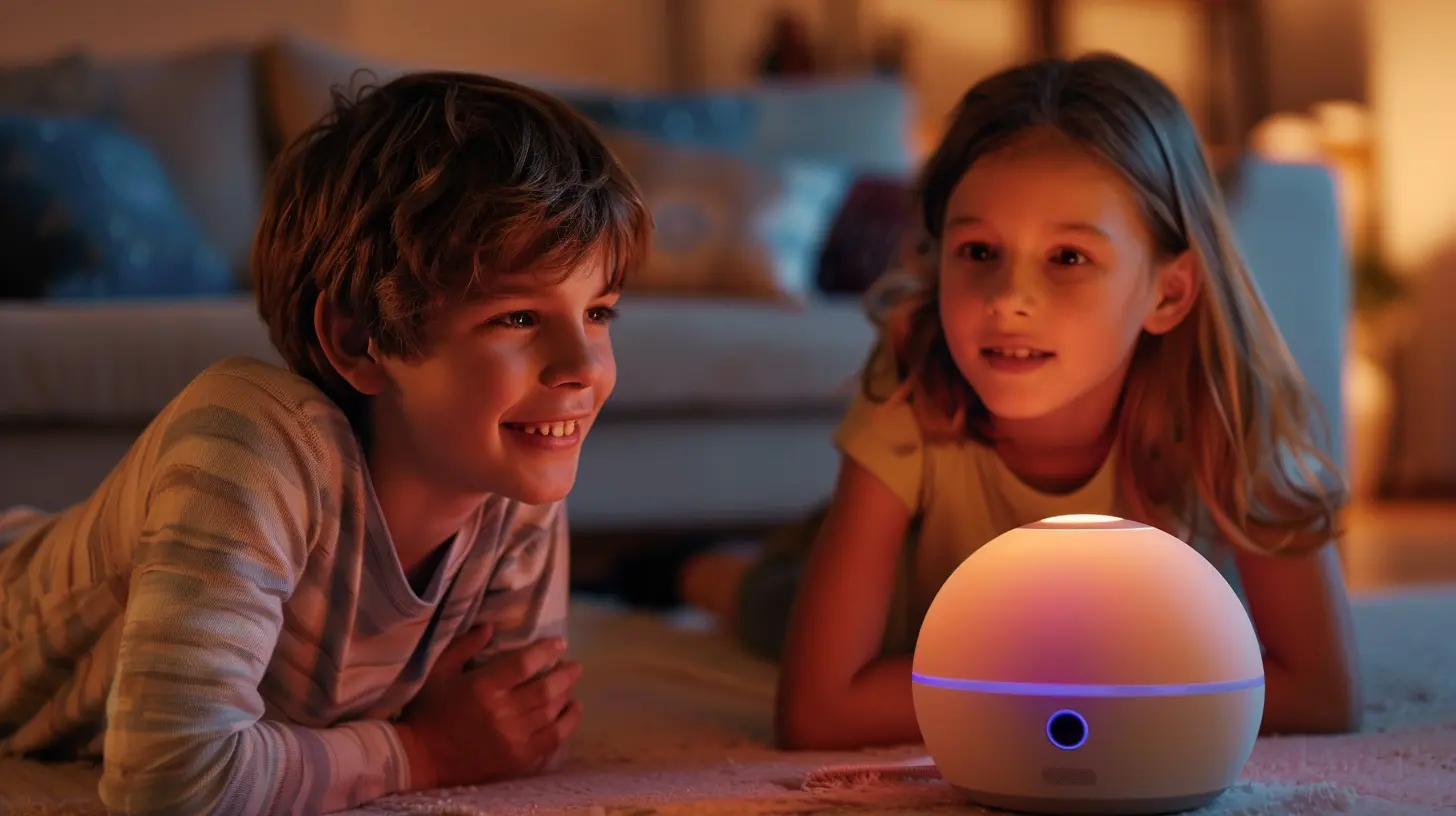
What Exactly Are Smart Speakers for Kids?
Okay, so regular smart speakers are already pretty cool. They can play music, answer trivia questions, control your smart lights—you name it! But when you hear the phrase "smart speakers for kids," we’re not just talking about a smaller version of that with a quirky design.Smart speakers made for kids are designed with a younger audience in mind. That means:
- Kid-friendly content (think bedtime stories, nursery rhymes, or homework help)
- Voice-recognition tuned for younger voices
- Parental controls so you're not worried about them stumbling upon, well… anything you'd rather they didn't
- Durable builds that can handle a bit of roughhousing (you know it’s gonna happen)
They often come with colorful designs and even built-in educational games. Essentially, they’re tailored to be safe, fun, and super engaging for children.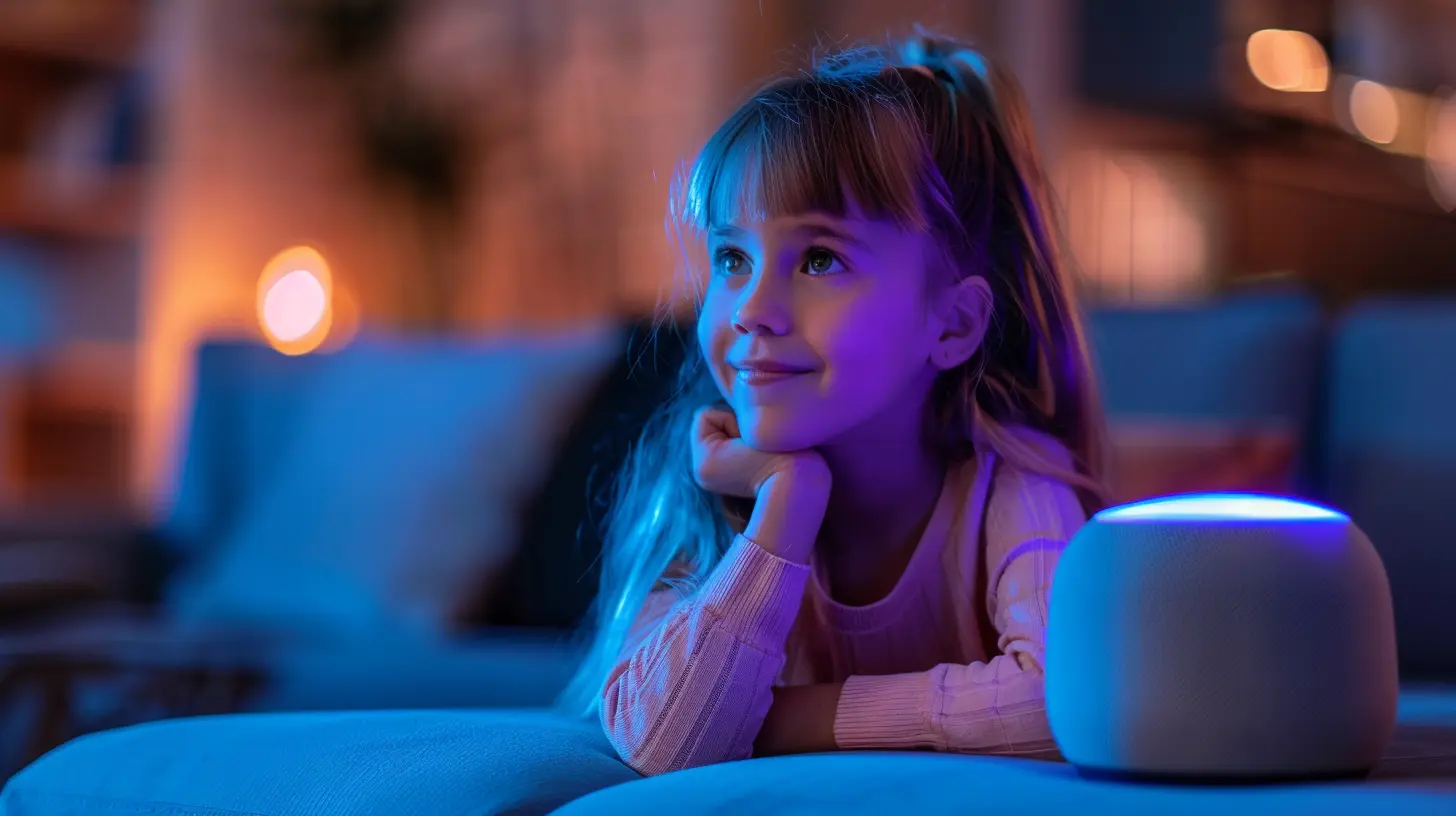
Why Are Smart Speakers Gaining Popularity Among Kids and Parents?
We get it—any new tech aimed at children raises a few eyebrows. But smart speakers? They’re winning hearts because they strike that beautiful balance between fun and function. Here’s why more households are jumping on this trend:1. They Make Learning Fun and Interactive
Let’s be honest, kids don’t always love sitting down with a textbook. But turn that info into a spoken riddle or a jungle-themed spelling game? Suddenly, they’re all ears.Smart speakers can:
- Help with spelling and vocabulary
- Offer math challenges and quizzes
- Introduce foreign languages in playful ways
- Recite science facts like a mini classroom
And because it’s all hands-free, it feels like talking to a buddy rather than slogging through a worksheet.
2. They Encourage Curiosity
Got a curious kid who constantly asks, “Why is the sky blue?” or “How do rockets fly?” That’s awesome! A smart speaker can answer those questions instantly—no need for you to Google every random fact.Even better? These kids start to develop great research habits early on. They learn to ask questions and explore new information independently (well, semi-independently, but you know what we mean).
3. Limitless Entertainment Without Screen Time
Here’s the golden nugget: no screen time required.Smart speakers can:
- Tell stories
- Play music or podcasts
- Offer guided meditation for kids (yes, that's totally a thing)
- Provide sound effects for interactive play
So your kids stay entertained without being glued to a tablet or TV. It’s like magic that doesn’t wreck their eyesight.
4. Great for Routines and Time Management
Ever struggle with getting your child to stick to a routine? Morning chaos and bedtime battles can become smoother with a little help from a voice assistant.You can set up:
- Timers for brushing teeth
- Alarms for snacks or nap time
- Gentle bedtime reminders
- Morning greetings with the weather and fun facts
Suddenly, getting ready feels more like a game and less like a daily battle of wills.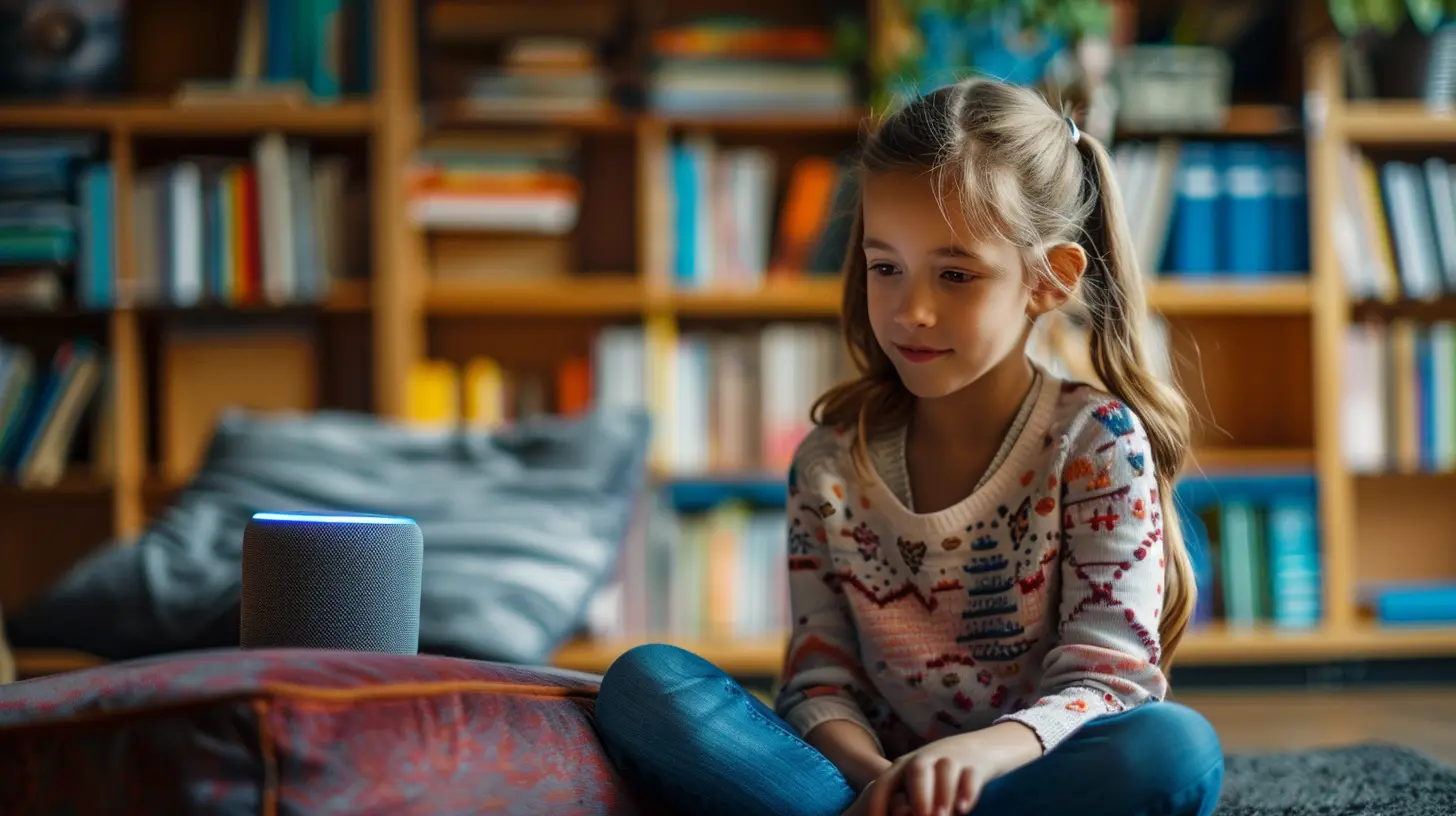
Smart Speaker Features That Make a Difference for Kids
Let’s break down some of the coolest features that turn these devices into mini-superheroes for young users.🎧 Voice Interaction
Voice command is the heart of any smart speaker. For kids, this means talking to their device like a friend. No complicated remotes or controls—just talk, listen, and enjoy.📚 Educational Games and Apps
Think of the smart speaker as a mini teacher that never gets tired. With skills/apps specifically built for kids, your child can engage in trivia, spelling bees, history adventures, and even basic coding concepts.Popular games include:
- 20 Questions
- Animal Sounds Guessing Game
- Spelling Challenges
- Math Quizzes
🎶 Music and Podcast Streaming
From lullabies to pop songs and educational podcasts, smart speakers offer age-appropriate music and content. Just ask, and the music starts. Great for playtime, dance-offs, or just winding down.🛡️ Parental Controls and Privacy Settings
Of course, no parent wants unfiltered AI babysitting their child. Fortunately, most kid-friendly smart speakers come with robust controls:- Block explicit content
- Set usage limits
- Filter skills/apps by age
- Mute microphones when not in use
Peace of mind? Check.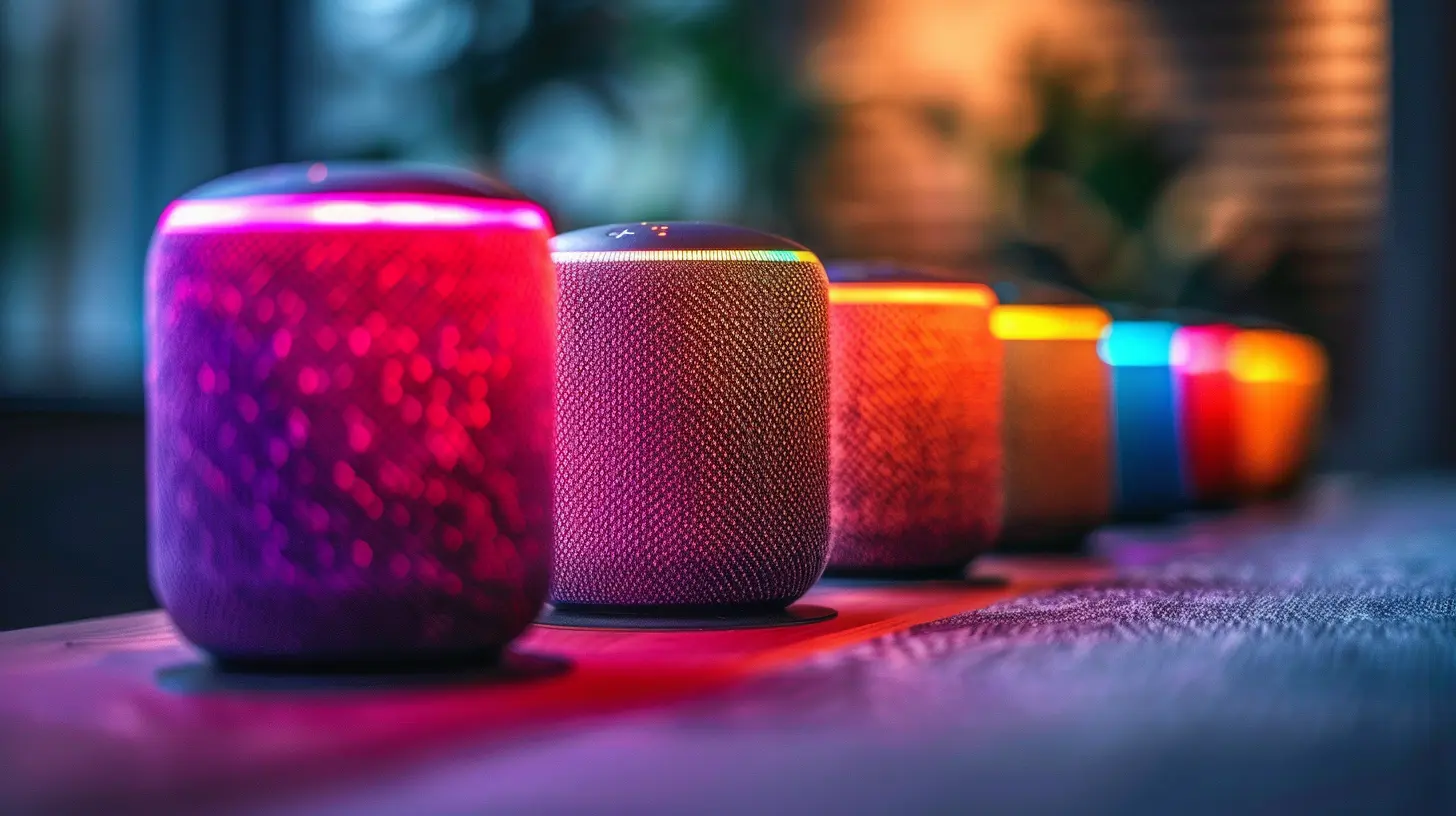
Top Smart Speakers for Kids: Our Picks
Not all smart speakers are created equal, especially for kids. Here are a few that stand out:1. Amazon Echo Dot Kids Edition
This one is a favorite—and for good reason.- Cute, colorful designs (panda and tiger themes!)
- Comes with a year of Amazon Kids+ (access to thousands of games, stories, and educational content)
- Excellent parental controls
- Can call approved contacts
2. Google Nest Mini + Family Link
While Google doesn’t have a ‘kids-only’ speaker, pairing the Nest Mini with Family Link gives you strong control and access to kid-safe content.- Google Assistant answers questions in simple terms
- Plays bedtime stories via audiobook apps
- Syncs with Google Calendar for routines
3. Yoto Mini or Yoto Player
Now, this one’s quite different. No screens, no ads, and entirely designed for children.- Uses physical content cards for stories/music
- Extremely durable and kid-safe
- Parental app for managing content
It’s like a high-tech cassette player for the modern era.
Are Smart Speakers Safe for Kids?
Safety is always the number one concern—and rightly so. Here's the good news: smart speakers for kids are generally safe when used properly and with the right settings.A few things to remember:
- Stick to kid-friendly versions with built-in safety features
- Review and monitor what your child accesses
- Teach your child not to share personal info with the speaker
- Regularly update the device’s software for security patches
Think of these speakers as tools. With the right guardrails, they’re more helpful than harmful—and way more inspiring than you'd expect from a tiny voice-activated gadget.
Real-Life Benefits: What Parents Are Saying
Let’s bring in some everyday truth. Parents who use smart speakers with their kids often say things like:- “My child finally enjoys learning math!”
- “She listens to stories on her speaker instead of watching shows before bed.”
- “We’ve made a nightly schedule that Alexa reminds us about—and it actually works!”
- “He's learning words in Spanish just by asking!”
So yeah, they’re genuinely helpful. And not just for kids. Many parents love the break from screen time drama and appreciate the structure smart speakers help create.
Things to Watch Out For
No gadget is perfect, right? Here are a few cons to keep in mind:- Overdependence – You don’t want your child relying fully on tech for entertainment or education.
- Privacy – Even kid speakers collect data, so review privacy policies.
- Limited conversation quality – These aren’t human tutors. Sometimes, answers are too simple or misleading.
Basically, smart speakers should be a supplement to your child’s learning and play—not a replacement for human interaction or critical thinking.
Final Thoughts: A Smart Move for Smart Kids?
At the end of the day, smart speakers for kids are like that friendly neighbor who always has the best stories and never runs out of fun facts. They’re a versatile tool that can teach, entertain, organize, and yes—even babysit in a pinch.But remember, the magic lies in balance. Paired with parental guidance and good ol’ fashioned playtime, smart speakers can absolutely nurture a curious, engaged, and digitally-equipped next generation.
So if you’ve been on the fence about bringing one into your home, now might be the perfect time to let your child say, “Hey smart speaker, tell me a story.
all images in this post were generated using AI tools
Category:
Smart SpeakersAuthor:

Marcus Gray
Discussion
rate this article
2 comments
Tatianna Soto
Smart speakers empower kids with knowledge and fun—embrace technology, it's the future of learning!
March 17, 2026 at 12:31 PM
Marcus Gray
Thank you for your thoughtful comment! I completely agree—smart speakers can truly enhance learning and make education more engaging for kids. Embracing technology is key to preparing them for the future!
Mariana Spencer
This article piques my curiosity! How do smart speakers balance educational content with entertainment for kids? Are there specific features that enhance learning while keeping them engaged? I’d love to learn more about potential benefits and any concerns parents should consider regarding screen time and privacy!
March 1, 2026 at 12:39 PM
Marcus Gray
Smart speakers balance education and entertainment by offering interactive stories, quizzes, and games that engage kids while teaching valuable skills. Features like voice recognition and customized content enhance learning. Parents should consider screen time limits and privacy settings to ensure a safe and enriching experience.