PCIe 5.0 Explained: What It Means for the Future of Storage and GPUs
6 December 2025
Technology never stands still, and neither should our connectivity standards. Just when you thought PCIe 4.0 was the peak of performance, along comes PCIe 5.0, waving its ultra-fast speeds and jaw-dropping capabilities. But what exactly does PCIe 5.0 bring to the table? And more importantly, how will it shape the future of storage and GPUs?
Let’s break it down in an easy, fun, and engaging way—because no one wants a tech article that reads like a dry instruction manual! 
What Is PCIe 5.0?
PCIe (Peripheral Component Interconnect Express) is the high-speed interface that connects components like graphics cards, SSDs, and network adapters to your computer’s motherboard. It’s basically the digital expressway that keeps your system running smoothly.With each new generation, PCIe doubles its bandwidth, making data transfer faster and more efficient. Think of it like upgrading from a two-lane road to a six-lane highway—more lanes mean less traffic and higher speeds!
A Quick Comparison of PCIe Generations
To truly appreciate PCIe 5.0, let’s do a quick comparison of previous generations:| PCIe Version | Bandwidth Per Lane | Total Bandwidth (x16 Slot) |
|-------------|------------------|-----------------------|
| PCIe 3.0 | 1 GB/s | 16 GB/s |
| PCIe 4.0 | 2 GB/s | 32 GB/s |
| PCIe 5.0 | 4 GB/s | 64 GB/s |
Yes, you read that right—PCIe 5.0 doubles the speed of PCIe 4.0. That’s a massive improvement! But what does this actually mean in terms of real-world applications? 
PCIe 5.0 and Storage: Blazing-Fast SSDs
Remember the first time you switched from an old-school hard drive to an SSD? It felt like teleporting compared to those slow spinning disks. Well, PCIe 5.0 takes that same concept and cranks it up to 11!What It Means for NVMe SSDs
With PCIe 5.0, NVMe SSDs can now reach speeds of up to 14,000 MB/s (or even more in some cases). That’s insanely fast! To put it in perspective:- A PCIe 3.0 SSD might have read speeds around 3,500 MB/s.
- A PCIe 4.0 SSD commonly reaches 7,000 MB/s.
- A PCIe 5.0 SSD? You're looking at 14,000 MB/s or beyond!
This means nearly instant load times, lightning-fast file transfers, and an overall snappier computing experience. If you’re working with massive video files, high-resolution textures, or large databases, PCIe 5.0 SSDs will make your workflow ridiculously fast.
The End of Load Times in Gaming?
Gamers, rejoice! Faster SSDs mean almost no loading screens. With technologies like DirectStorage in Windows, combined with PCIe 5.0, games can pull data from storage almost instantly. No more staring at loading bars—just jump straight into the action!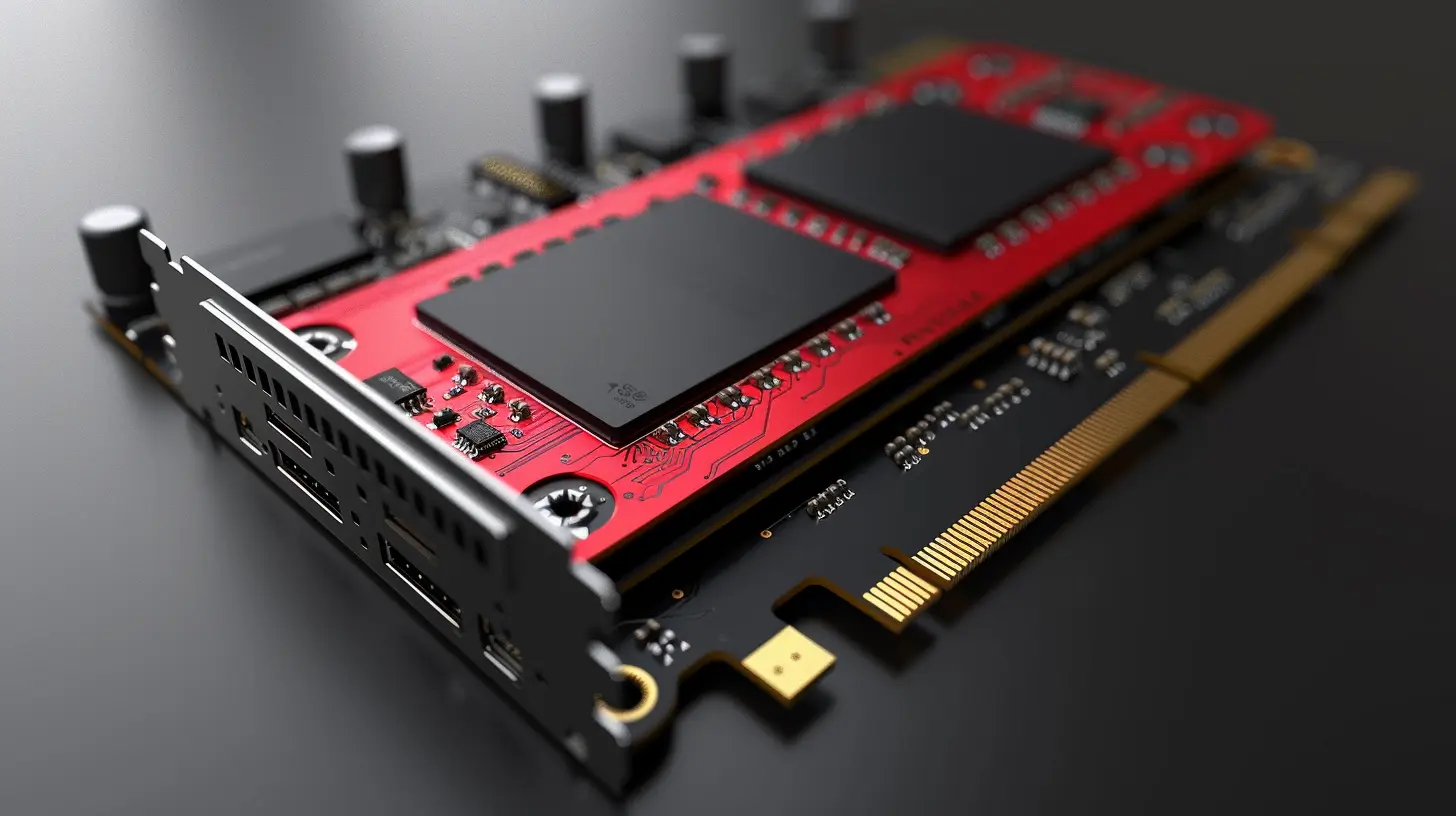
PCIe 5.0 and GPUs: A Game Changer?
Now, let’s talk about GPUs. Graphics cards are power-hungry beasts that crave bandwidth, and PCIe 5.0 delivers just that.Will PCIe 5.0 Make Your GPU Faster?
Here’s the thing: Most modern GPUs don’t even max out PCIe 4.0 yet. However, as games and applications become more demanding, and as AI workloads keep growing, PCIe 5.0's extra bandwidth will be a lifesaver.Better Performance for AI and Workstations
While PCIe 5.0 may not significantly impact gaming yet, it’s a huge deal for AI research, 3D rendering, and scientific computing. Workstations running GPUs for deep learning will see reduced latency and improved data transfer speeds, making AI model training faster than ever.Multi-GPU Setups Get a Boost
For enthusiasts running multi-GPU configurations (think NVIDIA NVLink or AMD CrossFire), PCIe 5.0 ensures that each GPU gets ample bandwidth to communicate efficiently. This could result in smoother frame rates and reduced bottlenecks in certain applications.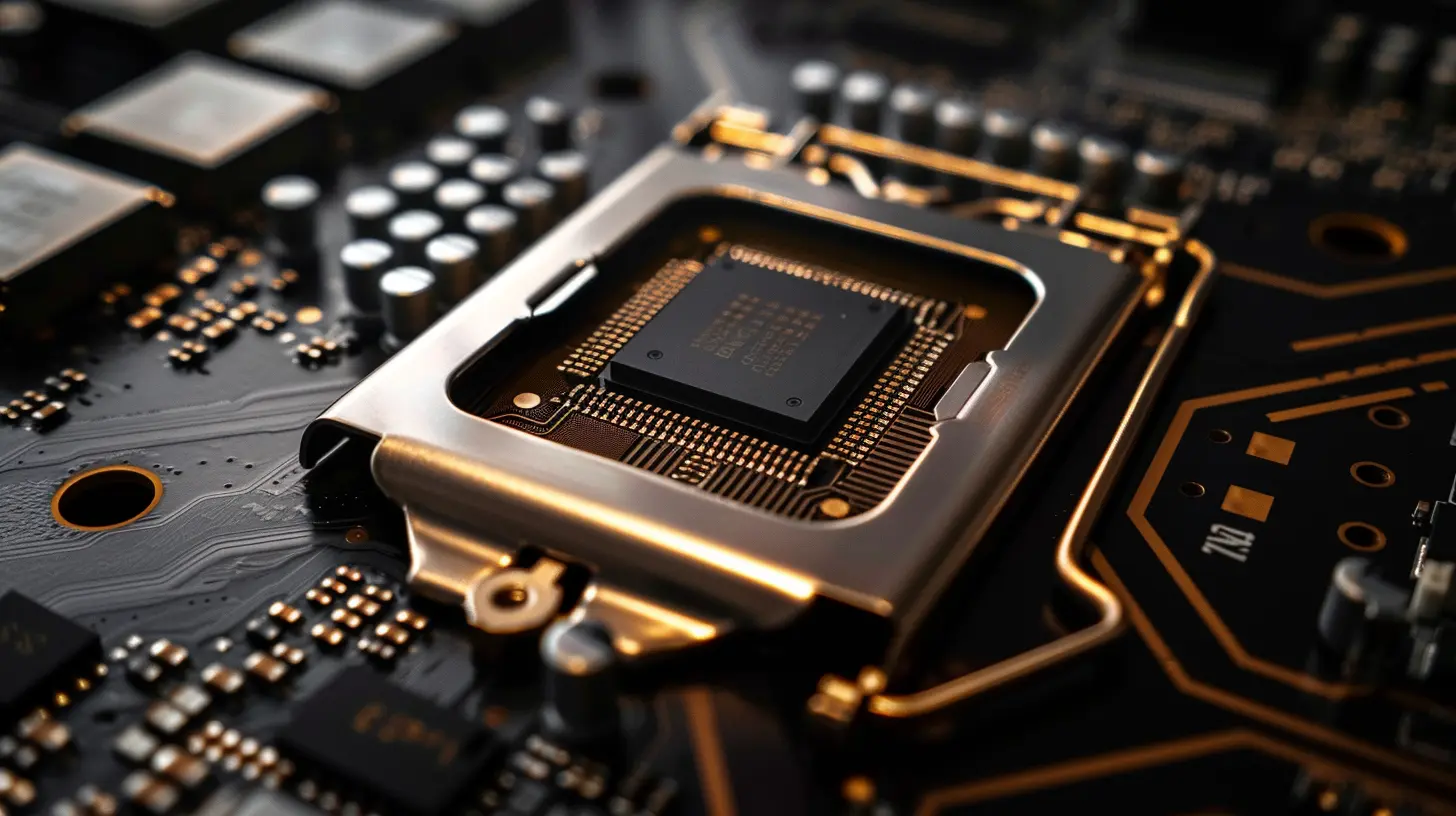
What About Compatibility?
Okay, PCIe 5.0 sounds amazing—but do you need a whole new PC to enjoy it?Fortunately, PCIe is backward compatible, meaning you can run a PCIe 3.0 or 4.0 device on a PCIe 5.0 slot without issues. However, to fully utilize PCIe 5.0 speeds, you’ll need:
✅ A motherboard with PCIe 5.0 support (currently found on newer Intel and AMD chipsets).
✅ A PCIe 5.0-compatible SSD or GPU.
✅ A power supply that can handle high-performance components.
If you're building a PC today, investing in PCIe 5.0 ensures your rig is future-proof for years to come.
Potential Downsides of PCIe 5.0
Of course, nothing is perfect. Here are a few challenges with PCIe 5.0:Higher Power Consumption
More speed often means higher power draw—both from GPUs and SSDs utilizing PCIe 5.0. This could result in increased heat output, requiring better cooling solutions.Increased Cost
Early adoption always comes at a premium. PCIe 5.0 SSDs and motherboards are currently more expensive than their PCIe 4.0 counterparts, though prices will likely drop over time.Diminishing Returns for Gamers (For Now)
Unless you're using your PC for heavy workloads, you may not notice huge gains in gaming performance right away. PCIe 4.0 is still more than enough for today's GPUs, which means you might not need to rush into upgrading just yet.The Future of PCIe: What’s Next?
Believe it or not, PCIe 6.0 is already in the works! Expected to double the bandwidth of PCIe 5.0, this next-gen standard could push speeds well beyond 128 GB/s in a full x16 slot.But for now, PCIe 5.0 is the sweet spot for future-proofing, offering blazing-fast storage, AI acceleration, and robust bandwidth for next-gen GPUs.
So, should you upgrade? If you’re building a high-performance PC or workstation, absolutely. Otherwise, PCIe 4.0 still holds up pretty well, and you can wait until PCIe 5.0 hardware becomes more affordable.
Final Thoughts
PCIe 5.0 is a game-changer, no doubt about it. With double the bandwidth, it paves the way for ultra-fast SSDs, next-gen GPUs, and seamless computing experiences. Whether you’re a gamer, a content creator, or an AI enthusiast, this new standard promises faster performance and better efficiency.While the upgrade might not be necessary for everyone right now, it's clear that PCIe 5.0 is shaping the future of technology. So, get ready—because things are about to get really, really fast!
all images in this post were generated using AI tools
Category:
Computer HardwareAuthor:

Marcus Gray
Discussion
rate this article
2 comments
Lucy Gutierrez
PCIe 5.0 marks a significant leap in data transfer speeds, doubling PCIe 4.0’s bandwidth. This advancement promises to unlock new potentials for storage solutions and GPUs, enhancing performance, reducing bottlenecks, and paving the way for next-gen applications and technologies.
December 19, 2025 at 12:23 PM
Marcus Gray
Thank you for highlighting the potential of PCIe 5.0! Its increased bandwidth indeed sets the stage for remarkable advancements in storage and GPU performance.
Willow McPhail
This article provides an insightful overview of PCIe 5.0, highlighting its transformative impact on storage and GPU performance. The increased bandwidth and lower latency will significantly enhance data transfer rates, enabling faster gaming, improved rendering, and more efficient workflows. Exciting times ahead for tech enthusiasts and professionals alike!
December 6, 2025 at 3:21 AM
Marcus Gray
Thank you for your thoughtful comment! I'm glad you found the article insightful and exciting—PCIe 5.0 indeed represents a significant leap forward for both storage and GPU performance.