Is AI the Future of Personal Stylists?
27 June 2026
Remember that feeling? You're staring into a closet full of clothes, yet you have absolutely nothing to wear. You try on three different shirts, two pairs of pants, and a jacket that doesn't match anything. You end up late, frustrated, and wearing the same black turtleneck you wore last Tuesday. We've all been there. It's a universal struggle. But what if I told you that the solution to this daily drama might not come from a human stylist, but from a machine? That's right, I'm talking about AI. The same technology that recommends your next Netflix binge and filters your spam emails is now coming for your wardrobe. But is that a good thing? Is AI really the future of personal stylists, or is it just another tech fad that will leave us looking like digital disasters?
Let's be honest for a second. The idea of an AI picking out your clothes sounds a little... cold. Styling is personal. It's about emotion, identity, and that gut feeling you get when a pair of jeans just fits right. How can a computer understand that? How can an algorithm know that you need a power outfit for a big meeting, or that you feel like wearing your lucky socks because you have a bad feeling about Tuesday? It feels like asking a calculator to write a love poem. But before you roll your eyes and close this tab, hear me out. The reality is more nuanced, and a lot more exciting, than you might think.
The Old Way: The Human Touch vs. The Harsh Reality
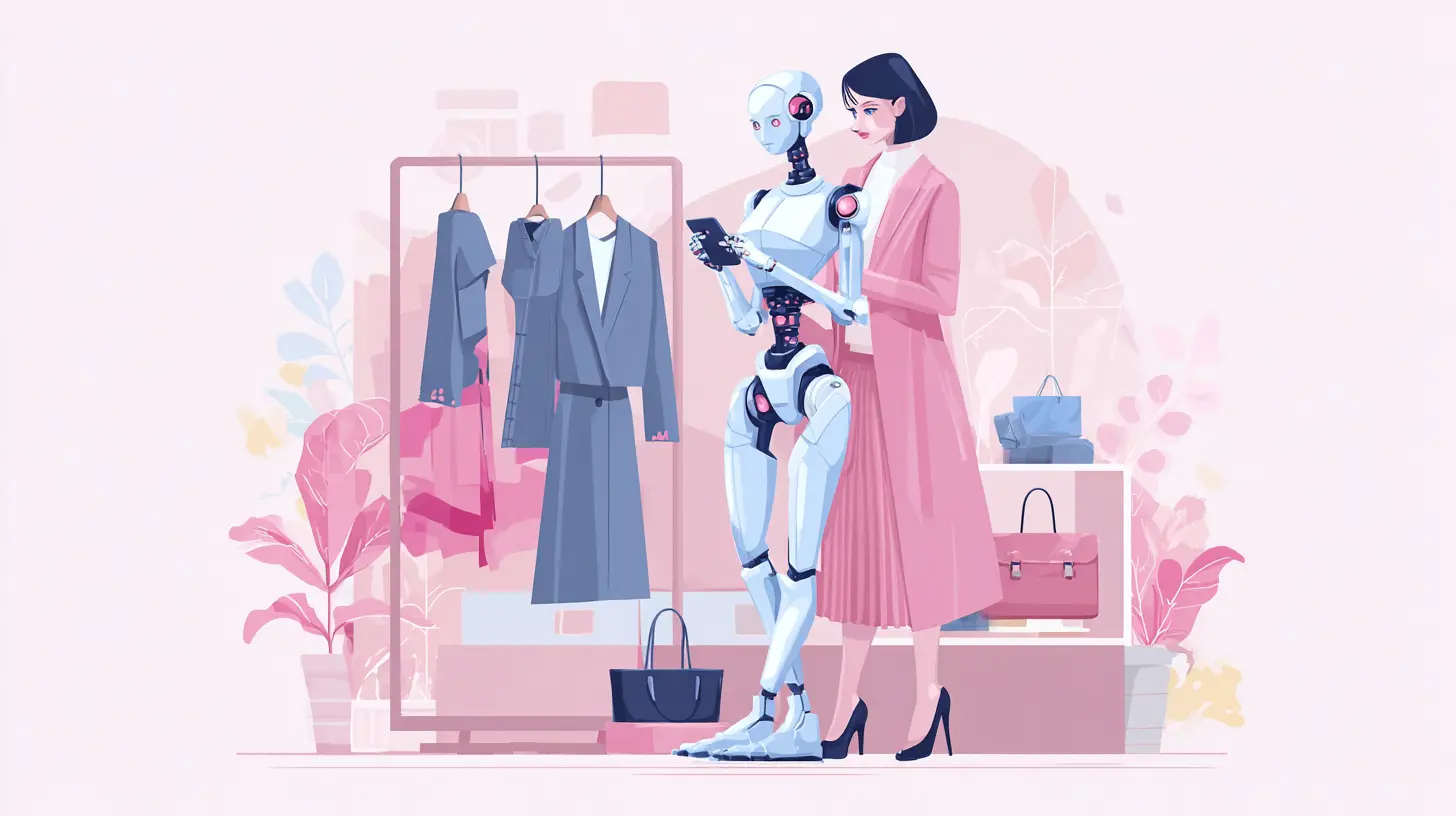
First, let's give credit where credit is due. Human personal stylists are incredible. They can look at you, read your body language, and instantly understand your vibe. They know which colors make your skin glow and which cuts flatter your shape. They have an eye for trends and an intuition for what makes you feel like a million bucks. A good stylist is part therapist, part artist, and part best friend.But here's the thing: most of us can't afford a personal stylist. They are a luxury, not a necessity. Even if you can afford one, you're limited by their schedule, their location, and their personal taste. You might love their work for a red carpet event, but do you want them picking out your Sunday morning loungewear? Probably not. The human stylist model is expensive, time-consuming, and not scalable. It's like having a private chef when you really just need a decent meal plan.
This is where AI steps in. It doesn't replace the human touch; it democratizes it. It takes the core principles of styling-color theory, body shape analysis, trend forecasting, and personal preference-and turns them into a service that fits in your pocket. Think of it as having a styling assistant that works 24/7, never gets tired, and remembers every single piece of clothing you've ever owned. That's a powerful tool.
How AI Actually "Sees" Your Style
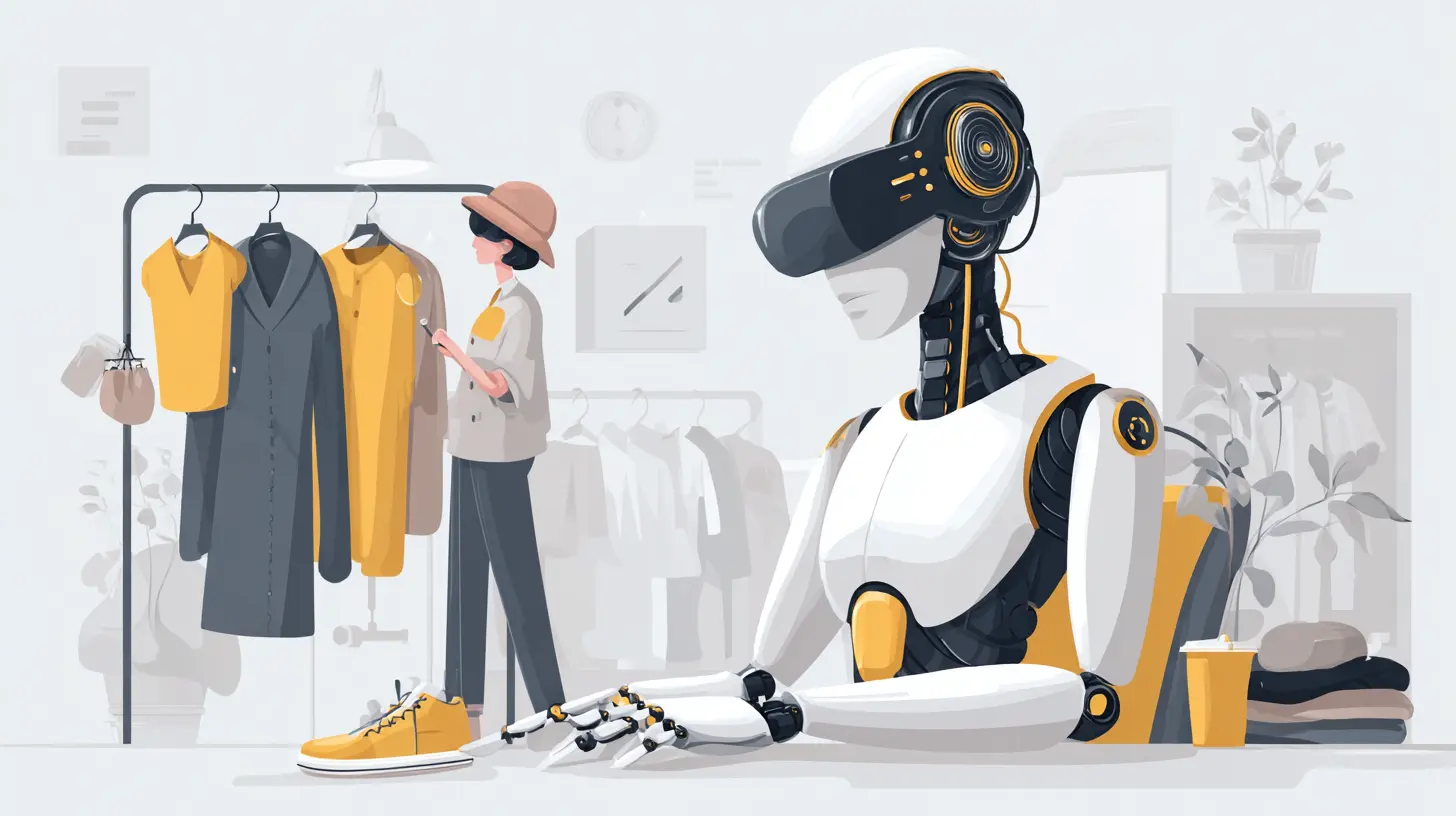
So, how does this magic work? It's not just a random generator. AI styling uses a combination of technologies that are surprisingly human-like. We're talking about computer vision, machine learning, and natural language processing.- Computer Vision: This is the AI's "eyes." You take a photo of your closet, or you upload a picture of a dress you love, and the AI can identify the color, pattern, fabric, and silhouette. It can tell the difference between a silk blouse and a cotton t-shirt. It can even spot subtle details like a ruffle or a specific neckline.
- Machine Learning: This is the AI's "brain." Over time, it learns your preferences. You rate outfits, you say "yes" to certain suggestions, and you ignore others. The AI starts to understand that you love high-waisted pants but hate turtlenecks. It learns that you prefer neutrals on weekdays and bold colors on weekends. It's like a friend who finally gets your taste after a few shopping trips together.
- Data Aggregation: This is where AI gets its superpowers. It can look at global trends, weather data, and even your calendar. If you have a meeting with a client, it knows to suggest something professional. If it's raining, it won't recommend suede shoes. If a particular color is trending on the runways, it might suggest you try it. It's not just looking at your closet; it's looking at the whole world to make you look good.
Take a service like Stitch Fix, for example. They start with a detailed style quiz. You tell them your sizes, your budget, and your vibe. Then, human stylists and AI work together. The AI crunches the data, identifies patterns, and suggests items. The human stylist then curates a final box based on that data. It's a partnership. Other apps, like Pureple or Stylebook, let you digitize your entire wardrobe. You can then use AI to generate outfit combinations, plan your travel wardrobe, and see what you're missing.
The Real Magic: Solving the "Nothing to Wear" Problem
Let's talk about the biggest win: the end of the "closet full of clothes, nothing to wear" syndrome. This isn't about buying new stuff. It's about using what you already own. AI can take a photo of your closet and instantly generate 50 different outfits from the same 20 pieces. It's like having a magic mirror that shows you how to remix your old favorites.Imagine this: You're packing for a weekend trip. You have a limited suitcase. You open the app, tell it you're going to a city for three days with a mix of casual and semi-formal events. The AI scans your wardrobe, accounts for the weather, and suggests five complete outfits that use the same pair of jeans, two tops, and a blazer. It even suggests accessories. You no longer overpack or forget a crucial piece. You pack smart.
It also helps with shopping. How many times have you bought a shirt because it looked great on the mannequin, only to get home and realize it clashes with everything you own? AI can prevent that. Before you buy, you can see how that new top fits into your existing wardrobe. The AI can tell you, "This top works with three of your skirts and two of your pants. It's a good buy." Or, "This top only matches one pair of jeans. Skip it." That's money saved and closet clutter avoided.
The Elephant in the Room: Can AI Be Creative?
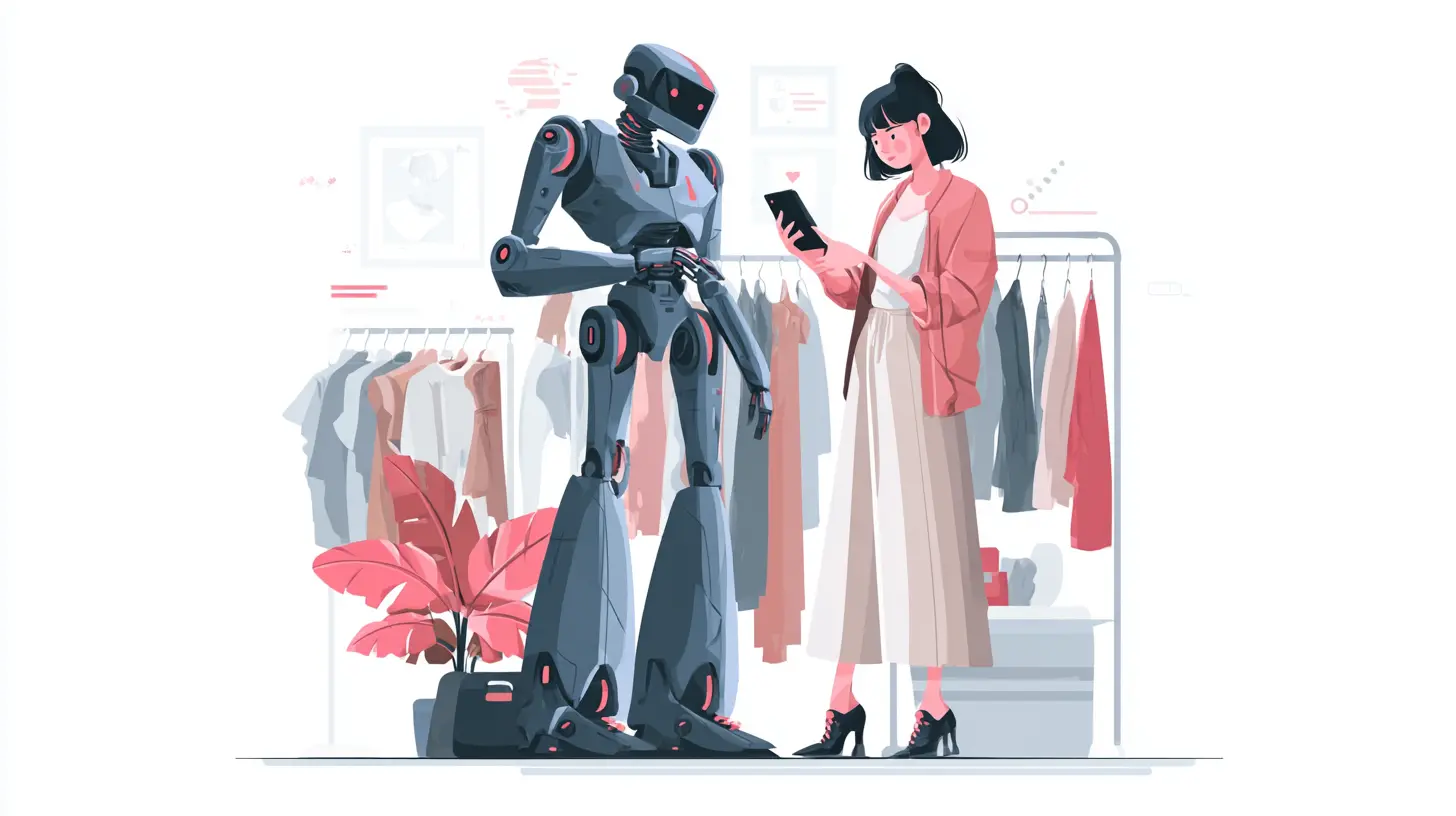
Here's where the skeptics have a point. Style is about expression. It's about breaking rules. Can an AI tell you to wear socks with sandals? Probably not. But that's not its job. AI is not a creative genius; it's a pattern matcher. It excels at creating coherent, flattering, and appropriate outfits. It can take the "safe" route and nail it every time.But here's the twist: AI can actually boost your creativity. Think of it as a collaborative partner, not a dictator. It gives you a solid foundation. It says, "Here are five outfits that work perfectly." You can then take one of those outfits and add your own twist. Maybe you swap the shoes for something wilder. Maybe you add a vintage scarf. You're not starting from scratch; you're starting from a great place. The AI handles the boring, technical parts (matching colors, balancing proportions), so you can focus on the fun, expressive parts.
It's like using a GPS. The GPS tells you the best route to get to the restaurant. But you can still choose to take a detour, stop at a cool shop, or roll down the windows and enjoy the breeze. The GPS doesn't ruin the road trip; it just makes sure you don't get lost. AI styling is the same. It prevents you from getting lost in your closet. It gives you a map. You still get to drive.
The Downsides: What AI Can't Do (Yet)
Let's not pretend AI is perfect. It has blind spots. For one, it can't feel the fabric. It can analyze a photo of a sweater, but it doesn't know if it's scratchy or soft. It doesn't know if those jeans are too tight in the waist or too loose in the thighs. It's working with visual data, not tactile data.It also struggles with context. It can't read the room. You might have a work event that's "business casual" but everyone is wearing suits. The AI might suggest a smart blazer, but a human stylist would tell you to wear a full suit because they understand the unspoken social rules. AI is getting better at this, but it's not there yet.
And then there's the "soul" factor. Some people have a very specific, eccentric style. They mix vintage with high fashion, or they wear bold prints that shouldn't work but somehow do. AI is trained on data, and data tends to favor the average. It might struggle to understand or replicate a truly unique aesthetic. If your style is "chaotic librarian meets cyberpunk," you might need a human who gets it.
The Future Is a Hybrid, Not a Takeover
So, is AI the future of personal stylists? The answer is a resounding "yes, but not alone." The future isn't a robot stylist replacing a human one. It's a hybrid model. It's AI and humans working together, each doing what they do best.Think of it like this: AI is the assistant, the data analyst, and the logistics manager. It handles the tedious work. It remembers everything. It crunches numbers. The human stylist is the artist, the therapist, and the visionary. They provide the intuition, the emotional connection, and the creative spark.
For the average person, AI will be their primary stylist. It will be the app they open every morning to get an outfit suggestion. It will help them shop smarter and waste less. It will give them confidence. For special occasions-a wedding, a major presentation, a photoshoot-they might still seek out a human stylist for that extra layer of expertise and personal touch.
This is not a scary, dystopian future where we all dress like clones. It's a future where we all dress better. It's a future where the barrier to looking good is lower than ever. It's a future where your morning routine is faster, your shopping is smarter, and your closet is finally organized.
A Call to Action: Give It a Try
I know it sounds weird to let a computer tell you what to wear. I felt the same way. But I tried it. I downloaded an app, took photos of my closet, and let it generate outfits. My first reaction was, "No way, that's too matchy-matchy." But then I tried one. And you know what? It looked good. I got compliments. I felt put-together without the usual morning panic.It's not about surrendering your style. It's about upgrading your system. It's about using a tool that makes your life easier and your look sharper. So, the next time you're staring at your closet, feeling that familiar frustration, ask yourself: "Am I going to fight this battle alone, or am I going to let a little AI help me out?" The choice is yours, but the future is already here. And it's wearing a really well-coordinated outfit.
all images in this post were generated using AI tools
Category:
Ai In Daily LifeAuthor:

Marcus Gray