How AI Will Streamline Grocery Shopping by 2027
29 April 2026
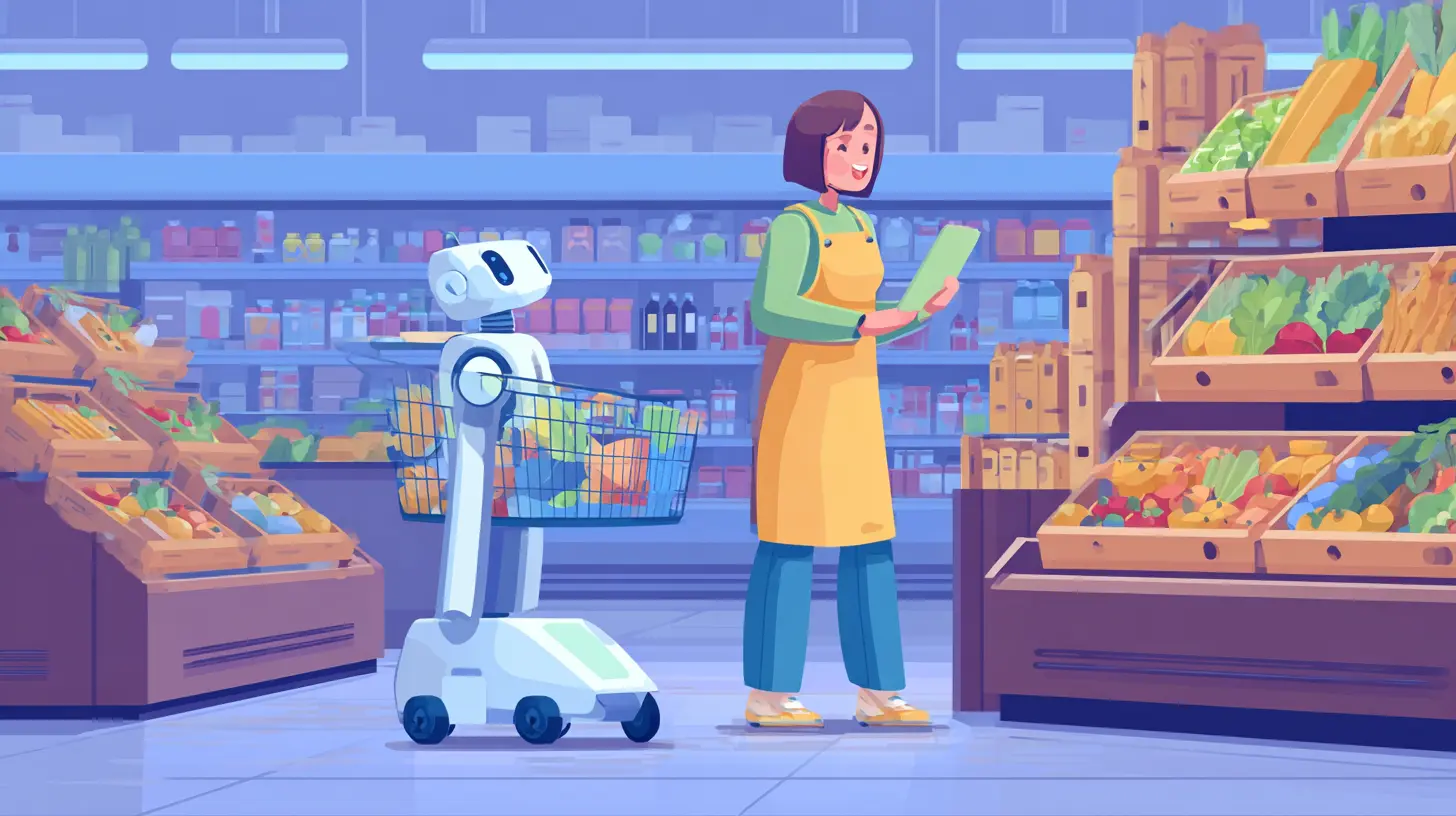
Let’s be honest: grocery shopping can feel like a chore that time forgot. You wander aisles, squint at expiration dates, wrestle with flimsy plastic bags, and somehow always end up buying that jar of pickles you swore you’d never touch again. But what if I told you that by 2027, artificial intelligence will turn this weekly grind into something almost magical—like having a personal sous-chef who also balances your checkbook? We’re not talking about flying carts or robot butlers (though those might show up too). We’re talking about AI weaving itself into every step of the grocery journey, from your fridge to the checkout line. Buckle up; the future of grocery shopping is about to get weird, wonderful, and wildly efficient.
The Fridge That Talks Back: AI-Powered Inventory Management
Picture this: You’re standing in your kitchen, staring into the abyss of your fridge, wondering if that leftover pasta is still safe to eat. By 2027, your fridge won’t just chill your milk—it’ll talk to you. Smart fridges equipped with computer vision and machine learning will scan your groceries as you put them in, track expiration dates, and even suggest recipes based on what’s about to go bad. Think of it as a digital pantry manager that never sleeps.Here’s how it works: Tiny cameras inside the fridge snap images every time you close the door. AI algorithms analyze the contents—yogurt, spinach, that half-eaten block of cheddar—and cross-reference them with your eating habits. Running low on eggs? The fridge sends a notification to your phone: “Hey, you’ve got two eggs left. Want me to add a dozen to your shopping list?” It’s like having a roommate who actually remembers to buy toilet paper.
But it gets smarter. By 2027, these fridges will connect to your calendar and dietary goals. If you’ve got a dinner party Friday, the AI might suggest you stock up on avocados and limes. If you’re trying to cut carbs, it’ll gently nudge you away from that bag of tortilla chips. The result? Less food waste, fewer last-minute runs to the store, and a fridge that feels less like a black hole and more like a helpful sidekick.
Personalized Shopping Lists: AI Knows You Better Than You Do
We’ve all been there: You make a list, walk into the store, and immediately forget why you’re there. By 2027, AI will craft shopping lists so tailored they’ll feel like mind-reading. Imagine an algorithm that learns your taste preferences, dietary restrictions, and even your mood. Had a rough day? Your list might include a block of dark chocolate and a bottle of red wine. Trying to eat clean? It’ll swap out the chips for kale chips (reluctantly, but still).This isn’t just about convenience—it’s about psychology. AI will analyze your purchase history, seasonal trends, and even local weather to predict what you’ll crave. A cold snap in November? The list automatically adds soup ingredients. A heatwave in July? Hello, watermelon and ice cream. The system learns from your feedback too: if you keep skipping the quinoa it suggests, the AI stops recommending it. It’s like having a personal shopper who never judges your late-night snack choices.
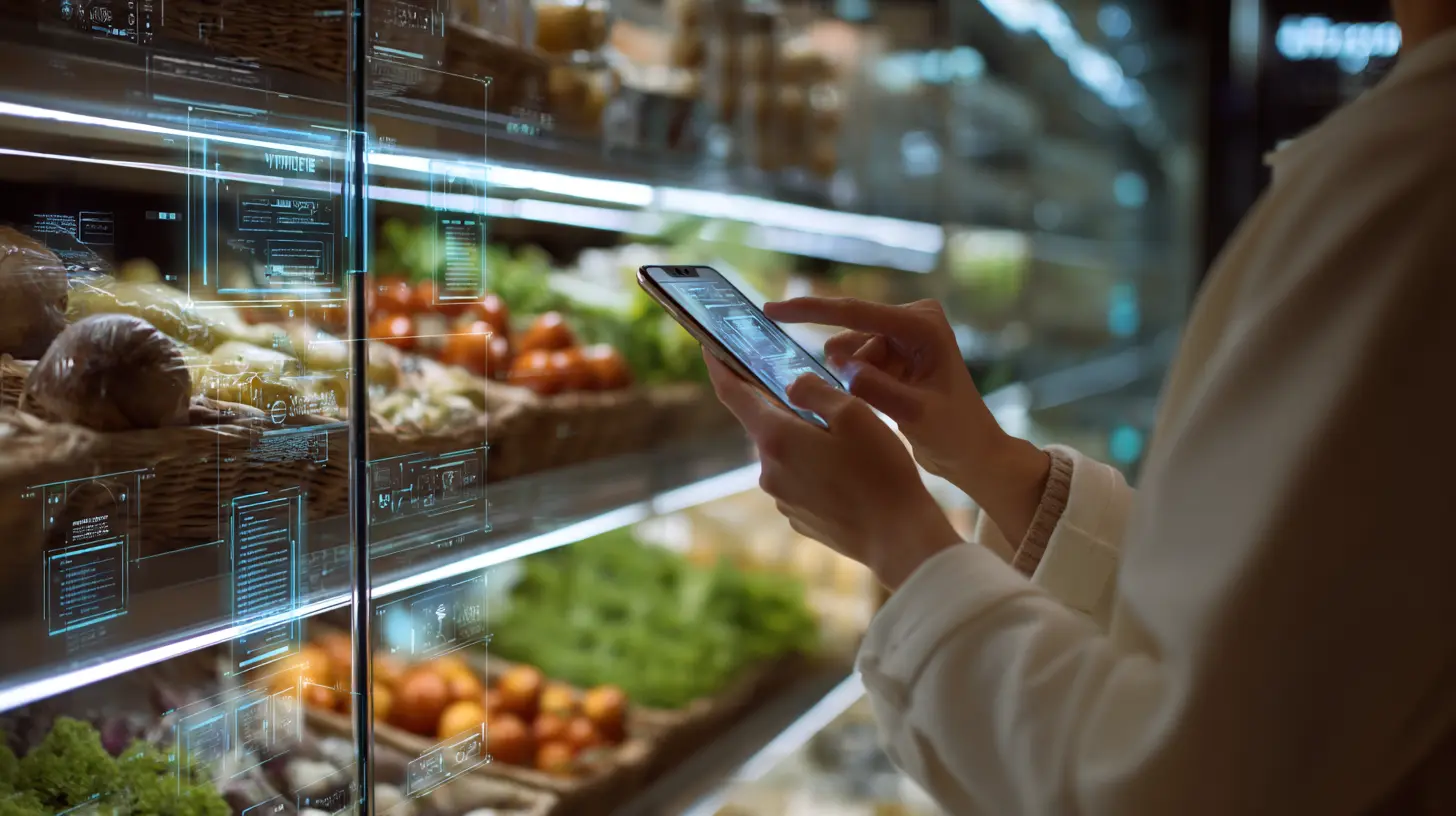
But here’s the kicker: These lists won’t just be text on a screen. By 2027, augmented reality (AR) glasses or your phone’s camera will overlay your list onto the store aisles as you walk. “Turn left for organic milk—it’s on sale today.” No more wandering aimlessly. The AI becomes your GPS for groceries.
The Autonomous Checkout: No Lines, No Waiting
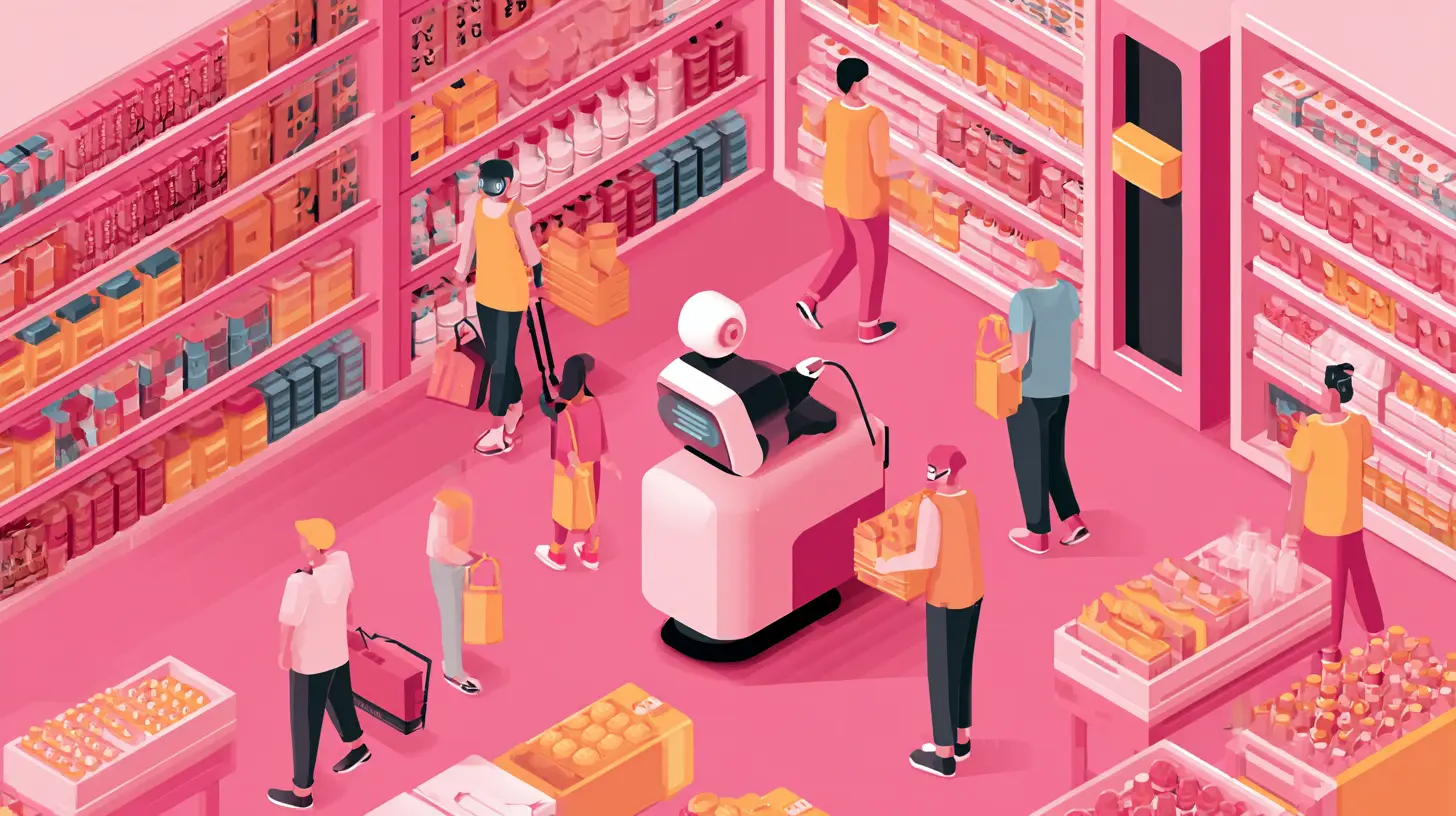
Let’s talk about the worst part of grocery shopping: the checkout line. You’ve got a cart full of stuff, the person ahead is writing a check (who even does that anymore?), and you’re contemplating abandoning the whole mission. By 2027, AI will kill the checkout line for good.We’re already seeing glimpses of this with Amazon Go stores, but by 2027, the technology will be mainstream. Computer vision cameras and sensor fusion will track every item you pick up and put down. When you walk out of the store, the AI calculates your total and charges your account automatically. No scanning, no bagging, no awkward small talk with the cashier. It’s like shoplifting, but legal—and way less stressful.
The magic is in the machine learning. The AI doesn’t just recognize items; it learns from your behavior. Did you swap a brand of peanut butter mid-aisle? The system updates in real time. Did you grab two avocados but put one back? No problem. The AI tracks it all with eerie accuracy. For stores, this means lower labor costs and fewer thefts. For you, it means walking out with your groceries in under 30 seconds. Imagine that: a grocery trip that feels faster than ordering pizza.
Dynamic Pricing and Smart Coupons: AI Saves You Money
Here’s a dirty little secret: grocery stores have been using AI for years to optimize pricing, but by 2027, the power will shift to you. Imagine an AI that scans your shopping list, compares prices across multiple stores, and tells you exactly where to buy each item to save the most money. It’s like having a coupon-clipping grandma who’s also a data scientist.But it gets better. AI will generate personalized coupons based on your purchase history. If you buy diapers every two weeks, the store’s AI might send you a discount on baby wipes. If you’re a loyal buyer of a certain brand of coffee, you’ll get a “thank you” offer before you even think of switching. The system learns your price sensitivity too—if you’re the type to buy organic no matter what, it won’t waste a coupon on you. If you’re a bargain hunter, it’ll flood your app with deals.
And don’t think dynamic pricing is just for airlines. By 2027, grocery prices might fluctuate based on demand, time of day, and even your personal shopping habits. Buy your milk at 7 AM? It’s cheaper. Wait until 6 PM? The price goes up because everyone else is buying dinner. It sounds dystopian, but it also means you can game the system. Your AI assistant will tell you: “Hey, if you buy this cereal tomorrow morning, you’ll save 15%.” It’s like a stock market for groceries—and you’re the savvy investor.
Predictive Delivery: Your Groceries Arrive Before You Need Them
We’ve all ordered groceries online and waited by the door like a puppy. By 2027, AI will make delivery feel like magic. Predictive algorithms will analyze your past orders, your calendar, and even your heart rate (via your smartwatch) to guess when you’ll run out of essentials. Running low on coffee? A delivery drone or autonomous vehicle will show up with a fresh bag before you even realize you’re out.This isn’t just about convenience—it’s about reducing waste. The AI will sync with your fridge’s inventory to avoid duplicates. If you’ve already got three cans of tomatoes, it won’t order another. And if you’re hosting a party, the system will suggest a bulk order of snacks and drinks, timed to arrive an hour before your guests show up. No more frantic trips to the store in your pajamas.
But here’s the cool part: By 2027, delivery will be hyper-local. AI will coordinate with neighborhood micro-fulfillment centers—small warehouses tucked into old storefronts or even shipping containers. Your groceries might travel just a few blocks, arriving in under 30 minutes. For perishables, the AI will optimize the route to keep items cold. For fragile items, it’ll ensure they’re packed with care. It’s like having a personal logistics team that works for free.
AI and Nutrition: Your Personal Dietician in the Aisle
Let’s be real: We all intend to eat healthy, but then the candy aisle calls our name. By 2027, AI will be your nutritional conscience without being annoying about it. Imagine scanning a product’s barcode with your phone, and the AI instantly tells you how it fits into your diet. “This granola bar has 12 grams of sugar—that’s 50% of your daily limit. Maybe try this one instead?”But it goes deeper. AI will analyze your biometric data—from your smartwatch, scale, or even a blood glucose monitor—and tailor recommendations. If your blood pressure is high, the AI will suggest low-sodium options. If you’re recovering from a workout, it’ll push protein-rich foods. It’s like having a nutritionist who lives in your pocket and never charges by the hour.
And for those with allergies or dietary restrictions, AI will be a lifesaver. The system will cross-reference your medical records (with your permission) with ingredient lists, flagging anything that could trigger a reaction. No more squinting at tiny labels for “may contain traces of nuts.” The AI does the heavy lifting, so you can shop with confidence.
The Human Touch: Why AI Won’t Replace the Grocery Experience Entirely
Now, before you think I’m painting a dystopian picture of robotic aisles and zero human interaction, let me pause. AI will streamline grocery shopping, but it won’t kill the human element. In fact, it might enhance it. By 2027, store employees will shift from cashiers to “experience guides”—people who help you find rare ingredients, offer cooking tips, or simply chat about the weather. AI handles the boring stuff; humans handle the warmth.Think of it like this: AI is the engine, but humans are the steering wheel. The technology takes care of the logistics—inventory, pricing, checkout—so you can focus on what matters: picking out a perfect avocado, discovering a new cheese, or bumping into a neighbor in the produce section. The grocery store of 2027 won’t be a cold, sterile warehouse. It’ll be a hybrid space where efficiency meets community.
What About Privacy? The Elephant in the Fridge
Let’s address the elephant in the room: all this AI power requires data. Your fridge knows what you eat. Your shopping list knows your cravings. Your wearable knows your health stats. By 2027, privacy concerns will be a major talking point, but the industry will adapt. Expect opt-in systems, transparent data policies, and encryption that makes your grocery history as secure as your bank account.The key is choice. You can let the AI work its magic, or you can keep shopping the old-fashioned way. But here’s the thing: once you experience a grocery trip that takes 10 minutes instead of an hour, you might be willing to trade a little data for a lot of convenience. It’s like giving up your location for a better map—you get more value than you lose.
The Bottom Line: Grocery Shopping Will Never Be the Same
By 2027, AI will transform grocery shopping from a tedious errand into a seamless, personalized experience. Your fridge will know you. Your list will anticipate you. The checkout will ignore you. And your wallet will thank you. It’s not about replacing the joy of food—it’s about removing the friction that makes us dread the trip.So, are you ready for the future? Because it’s coming faster than you think. And honestly, I can’t wait to never stand in a checkout line again. Can you?
all images in this post were generated using AI tools
Category:
Ai In Daily LifeAuthor:

Marcus Gray
Discussion
rate this article
2 comments
Ardent Wilkins
Exciting changes ahead for shoppers!
May 1, 2026 at 12:54 PM
Marcus Gray
Absolutely! The future of grocery shopping is looking brighter and more efficient. Can't wait to see it in action.
Monica Diaz
Finally, an AI that understands the struggle of forgetting the milk — I'm ready for 2027!
April 30, 2026 at 3:48 AM
Marcus Gray
Thanks for your enthusiasm! AI is definitely set to make shopping easier-no more forgotten milk.