How AI Will Revolutionize Mobile Apps by 2026
22 April 2026
In today’s fast-paced digital landscape, it’s hard to imagine life without mobile apps. From social networking to e-commerce, these little gems have become intertwined with our daily routines. But hold onto your hats, because by 2026, artificial intelligence (AI) is set to take mobile apps to a whole new level. Let’s dive into how AI is poised to revolutionize the app experience, making it smarter, more personalized, and incredibly efficient.
The AI Revolution: What’s the Big Deal?
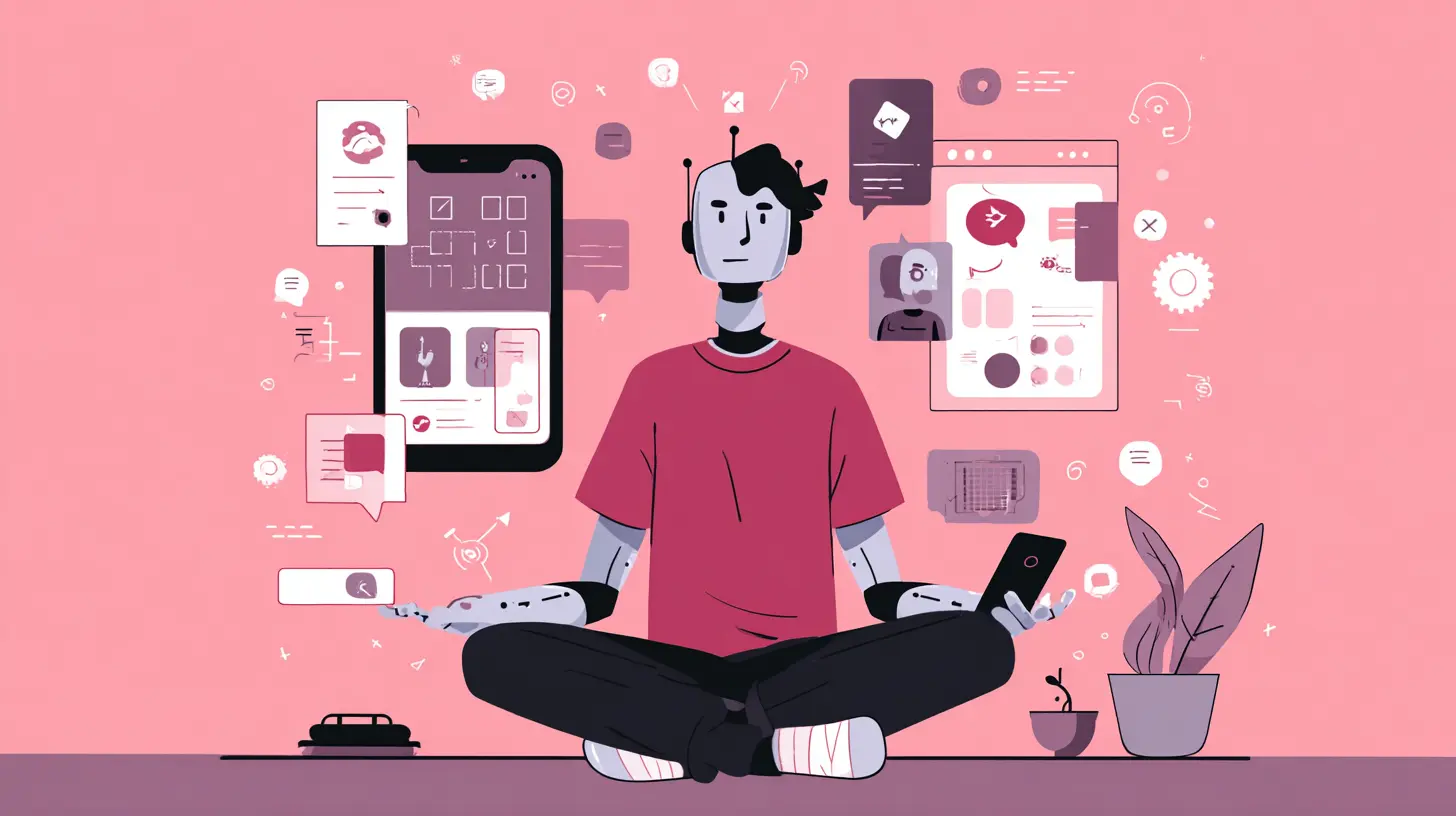
First off, what’s the fuss about AI? At its core, artificial intelligence encompasses a range of technologies that allow machines to think, learn, and adapt. Picture a brain in a robot, but instead of being confined to a body, this brain operates through software—like the apps we use every day. Just like how your smartphone has evolved from a simple communication tool to a mini-computer, AI is set to transform mobile apps into something extraordinary.The Role of Machine Learning
Machine learning, a subset of AI, is the absolute game-changer. It allows apps to learn from user interactions, improving their performance over time. Imagine an app that understands your preferences so well that it anticipates your needs before you even know them. This isn’t science fiction; it’s the future we’re heading toward. By 2026, apps will leverage machine learning to personalize user experiences in ways we can only dream of today.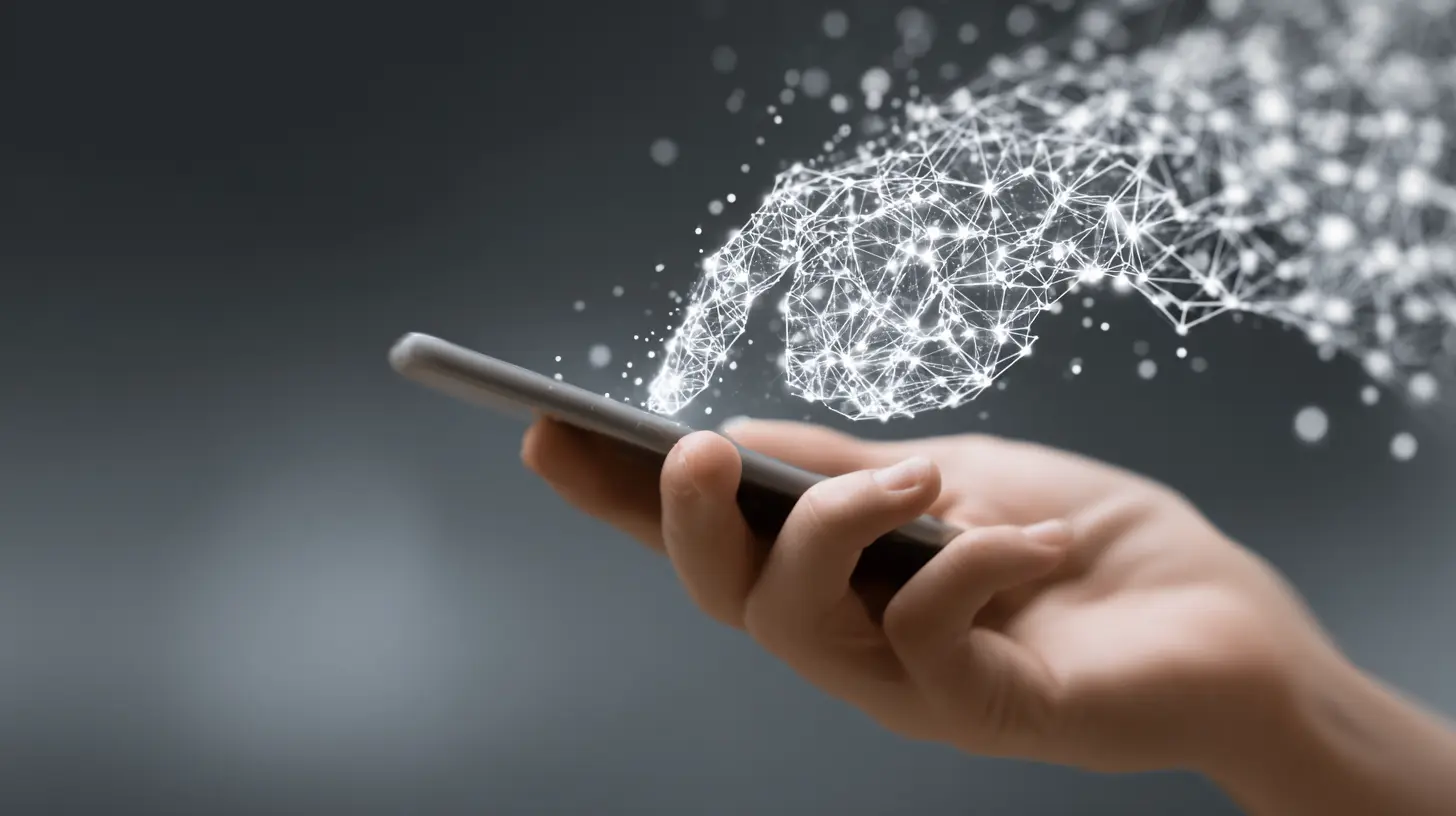
Personalized User Experiences: The New Norm
Hyper-Personalization
We’re already seeing glimpses of personalization in apps like Spotify and Netflix, where recommendations are based on your past behavior. By 2026, this will be taken to a new level. Imagine an app that tailors its interface and features based on your mood, location, or even the time of day. It’s like having a personal assistant who knows you better than your best friend.Contextual Awareness
With advancements in AI, mobile apps will become contextually aware. This means they’ll be able to adapt their functionalities based on your current situation. For instance, if you’re at a coffee shop, your food delivery app might suggest nearby cafes, while your music app could create a playlist based on the ambiance. This kind of contextual understanding is set to make apps incredibly intuitive and user-friendly.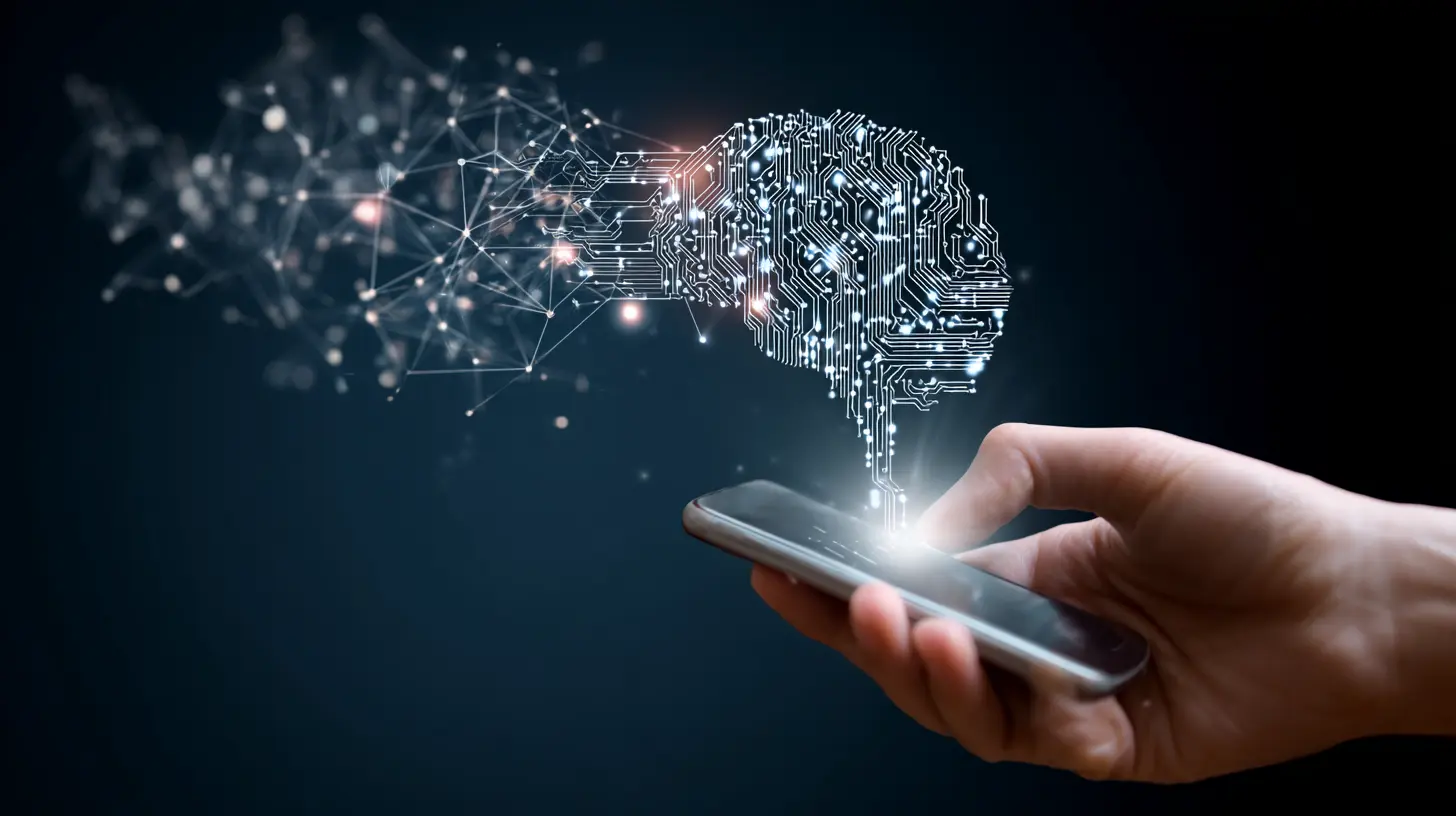
Enhanced User Interaction: The Era of Conversational AI
Voice Assistants
Voice-activated assistants like Siri and Google Assistant are just the tip of the iceberg. By 2026, we can expect conversational AI to dominate mobile apps. Imagine chatting with your app as easily as you would with a friend. Need to book a flight? Just ask your travel app, and it’ll handle the rest while keeping the conversation rolling.Chatbots that Truly Understand You
Chatbots are already prevalent, but they often feel robotic and limited. Thanks to AI, future chatbots will be able to engage in meaningful conversations, understanding nuances and emotional tones. They will help you troubleshoot issues, answer questions, and even provide support—all with a human-like touch.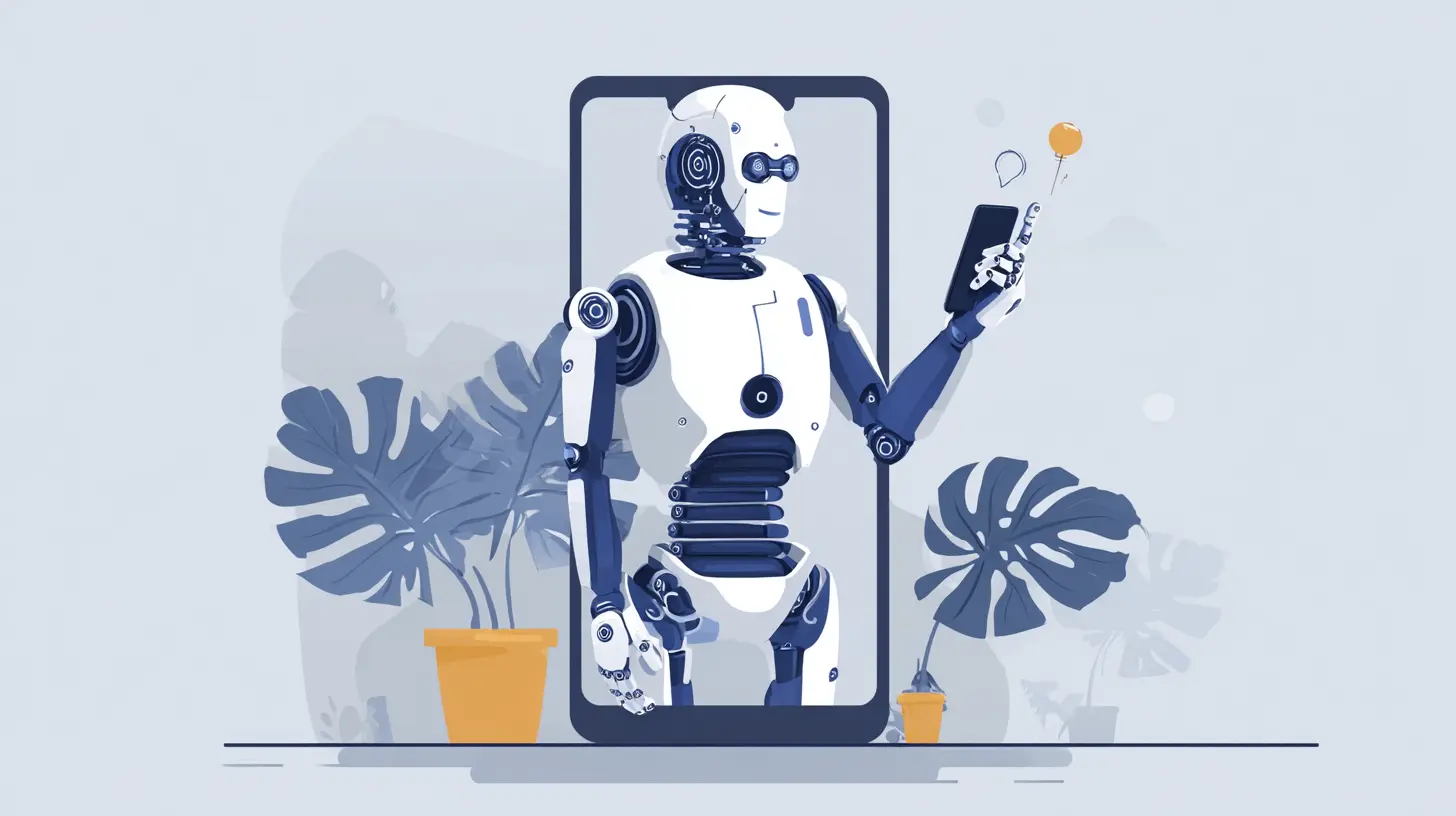
Smarter App Functionality: Automation at Its Best
Automated Insights and Analytics
Data is the new oil, and AI is the refinery. By 2026, apps will use AI to analyze user data in real-time, providing actionable insights without manual input. This will not only enhance user experiences but also allow developers to fine-tune app functionalities based on real-time feedback. Imagine an educational app that adjusts its teaching style based on how well you’re grasping concepts. Now that’s smart!Predictive Analytics
Ever wish you could predict future trends? Well, with AI, you might just be able to. By analyzing historical data, mobile apps will forecast user behavior and trends. This will help businesses to optimize their services, while users will enjoy a more seamless experience as the app caters to their needs before they even express them.Security and Privacy: The New Frontier
Enhanced Security Features
As apps become smarter, they’ll also need to be more secure. AI will play a crucial role in identifying and mitigating threats. By 2026, apps will utilize advanced algorithms to detect suspicious behavior and safeguard user data. This means fewer data breaches and a more secure app experience overall. Who wouldn’t want that?Ethical AI and Privacy Concerns
With great power comes great responsibility. As AI becomes more integrated into mobile apps, concerns about privacy and ethical use of data will grow. Developers will need to prioritize transparency, ensuring users are aware of how their data is being used. By 2026, we’ll likely see stringent regulations and guidelines governing AI in mobile apps, putting user privacy at the forefront.
The Future of App Development: A New Paradigm
Low-Code and No-Code Development
AI isn’t just changing the user experience; it’s also revolutionizing how apps are built. By 2026, low-code and no-code platforms will become mainstream, allowing even those with little to no programming skills to create powerful mobile applications. This democratization of app development will lead to an explosion of innovative ideas and solutions.AI-Powered Development Tools
Imagine having a development assistant that can suggest improvements to your code or even write entire sections for you. AI-powered development tools will enhance productivity, making the app development process faster and more efficient. This means quicker updates and a faster rollout of features, ultimately benefiting users.Industry-Specific Innovations: Tailored Solutions for Every Sector
Healthcare Apps
In healthcare, AI has the potential to revolutionize patient care. By 2026, mobile apps will utilize AI to monitor health metrics, provide real-time feedback, and even predict potential health issues before they arise. Imagine an app that could alert you to seek medical attention based on your symptoms or activity levels. The possibilities are endless.E-Commerce Apps
E-commerce is another sector ripe for AI disruption. Expect apps to utilize AI to enhance product recommendations, streamline the checkout process, and even offer personalized shopping experiences. Picture an app that not only knows your size but also suggests outfits based on your previous purchases and current trends.
Bridging the Gap: Accessibility and Inclusivity
Voice and Gesture Recognition
By 2026, AI will make mobile apps more accessible for individuals with disabilities. Advanced voice and gesture recognition technologies will allow users to navigate apps using voice commands or simple gestures. This means a more inclusive experience for everyone, regardless of their abilities.Language Translation and Localization
Language barriers will become a thing of the past. AI-powered translation tools will allow apps to provide real-time translations, enabling users from different linguistic backgrounds to enjoy the same functionalities. This will foster global connections and create a more inclusive app ecosystem.Conclusion: Embracing the AI-Driven Future
As we look ahead to 2026, it’s clear that AI will be at the heart of mobile app innovation. From personalized experiences to enhanced security, the potential is limitless. If you’re a developer, it’s time to start thinking about how you can integrate AI into your apps. And if you’re a user, get ready for a more intuitive, engaging, and secure app experience than ever before. Buckle up; the future of mobile apps is going to be one wild ride!all images in this post were generated using AI tools
Category:
Mobile ApplicationsAuthor:

Marcus Gray
Discussion
rate this article
2 comments
Wynter Kim
Exciting insights! Can't wait to see AI's impact.
July 1, 2026 at 3:17 AM
Marcus Gray
Thanks for the enthusiasm! The future of AI in mobile apps is definitely bright. Stay tuned!
Maddison Forbes
Oh great, by 2026 my phone will finally understand my mood swings. Can't wait for it to suggest snacks when I'm feeling sad...
May 10, 2026 at 12:45 PM