Console Exclusives: Are They Worth Switching Platforms?
20 December 2025
Let’s be real for a second—there’s nothing quite like that pang of jealousy when you hear your friends raving about a game you can’t play because it’s exclusive to a different console. Whether it's the cinematic storytelling of PlayStation's God of War or the chaotic fun of Nintendo's Mario Kart, exclusive titles have a way of tugging at our wallets and tempting us to jump ship. But are console exclusives really worth switching platforms for?
In this article, we’re diving headfirst into this heated debate. We'll weigh the pros and cons, consider cost, gaming libraries, online ecosystems, and yes—how those jaw-dropping exclusives actually stack up. So grab a controller and settle in, because this is about to get nerdy (in the best way possible).
What Are Console Exclusives, Anyway?
Before we start throwing money at new hardware, let’s break it down. Console exclusives are games that are available only on one specific gaming platform—at least for a while. For example, you won’t find The Legend of Zelda: Breath of the Wild on PlayStation or Xbox, just like you won’t see Spider-Man: Miles Morales make its way to a Nintendo Switch.Some exclusives are 100% locked down, meaning they’ll never leave their home console. Others are timed exclusives, making a surprise appearance on other platforms months (or years) later. So yeah, sometimes patience pays off.
The Power of Exclusives: Why They Matter
So why do console makers go out of their way to score these exclusives? Simple—it’s a strategy to hook gamers and boost hardware sales. If a must-have game only exists on one console, players are more likely to choose that platform.Think of it like streaming services: You subscribe to Netflix for Stranger Things, and maybe you need Disney+ for The Mandalorian. Now swap the platform and plug in games like Halo and God of War, and boom—you’ve got the same model.
These exclusives help define a console’s identity. Xbox is known for shooters, PlayStation for cinematic single-player adventures, and Nintendo for colorful, family-friendly fun.
Exclusive Titles That Made Gamers Switch
Let’s take a little stroll through memory lane. There have been plenty of games that made people bite the bullet and switch consoles.- God of War (PS4): When Sony rebooted this epic saga, it wasn't just a game—it was a storytelling masterpiece. Tons of Xbox players jumped ship just to get a taste.
- Halo Infinite (Xbox Series X|S): Even after a few stumbles, loyal fans came back for Master Chief. And some new ones joined the ranks.
- The Legend of Zelda: Tears of the Kingdom (Nintendo Switch): Nintendo’s magic formula of exploration and nostalgia is an evergreen magnet.
These aren’t just one-off hits; they’re cultural moments. But let’s not forget—they come with a price.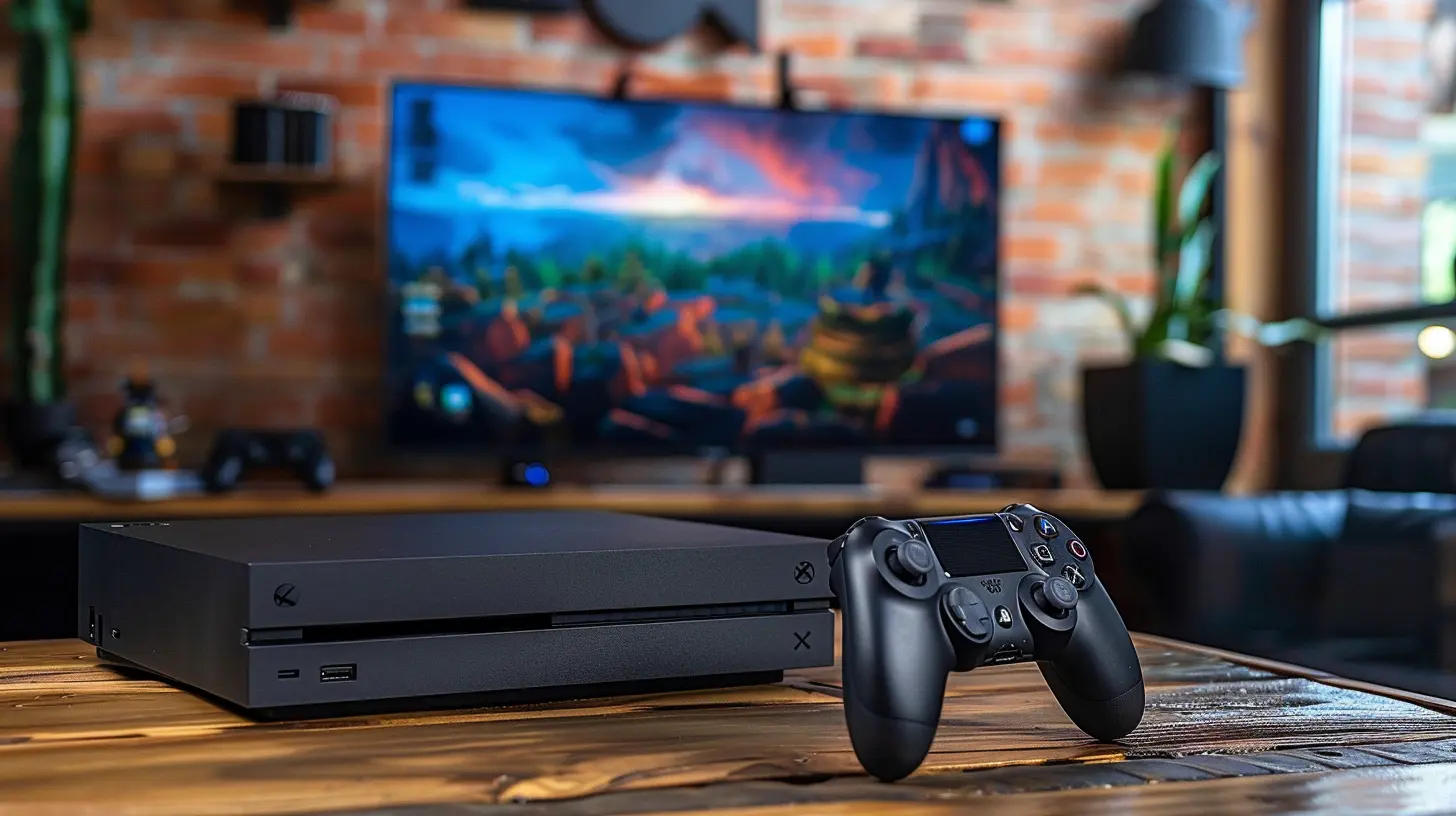
A Pricey Passion: The Costs of Switching
Now, let’s talk brass tacks. Switching consoles isn’t just pressing “buy” on a new game—it’s a full-on investment.Here’s what you’ll likely fork out:
- Console: $299–$499 depending on model and brand
- Games: $60–$70 each
- Online Subscriptions: $10–$17/month (PlayStation Plus, Xbox Game Pass, Nintendo Switch Online)
- Accessories: Extra controllers, maybe even a charging dock
Suddenly, that one exclusive game starts looking a lot more expensive.
And don’t forget the time cost. Learning a new interface, downloading updates, transferring save data—it's not exactly plug-and-play.
Is It Worth It for Just One Game?
You might be thinking, “Okay, but if one game is truly spectacular, doesn’t that justify the switch?” Well... yes and no.If you spend 100+ hours immersed in Elden Ring or exploring Hyrule, maybe it is. But if you’re chasing one short campaign or a single multiplayer hit, that return on investment gets blurry real quick.
And let’s be honest, sometimes the hype train doesn't deliver. Remember Cyberpunk 2077’s rocky launch? Sometimes waiting it out pays off — both in performance and price.
The Rise of Cross-Platform Gaming
Here’s a twist. The gaming world is changing, and the walls between platforms are starting to come down.Cross-play is now a thing across many major titles like:
- Fortnite
- Call of Duty: Warzone
- Rocket League
- Minecraft
Even big-name exclusives like Death Stranding and Horizon Zero Dawn eventually made their way to PC. So what does this mean? You might not need to jump ship—just wait it out.
Also, with cloud gaming and subscription services like Xbox Game Pass and PlayStation Plus Premium, some former exclusives are becoming more accessible than ever.
Exclusive FOMO vs. Long-Term Benefits
Let’s introduce a little concept we all know too well: FOMO (Fear of Missing Out). This is the psychological golden goose that exclusives feed on.Ever felt like the only one not catching ‘em all in Pokémon Scarlet/Violet? Or missing out on the watercooler chat about Final Fantasy XVI? That social pressure is real.
But here’s the kicker—most exclusives eventually run their course. After the initial hype, you’ve got to look at the long-term value:
- What’s the overall game library like?
- How good is the online experience?
- Do you prefer a chunky controller or something more compact?
- Are you more into indie games or AAA blockbusters?
These day-to-day experiences are the real backbone of your platform choice—not just the flavor-of-the-month exclusive.
Community, Ecosystem, and Features
It’s not just about the games—it’s about the ecosystem you’re buying into.Xbox
- Known for Game Pass, arguably the best deal in gaming- Backward compatibility is top-notch
- Strong multiplayer & cloud gaming support
PlayStation
- High-quality, polished single-player exclusives- Stunning visuals & DualSense controller innovation
- PS Plus Premium is growing, though still behind Game Pass
Nintendo
- Pure, whimsical fun with a nostalgic twist- Local multiplayer champs (Mario Kart anyone?)
- Portability with the Switch—perfect for travel
So ask yourself: What fits your lifestyle? If you game mostly on-the-go, a PlayStation 5 makes less sense than a Switch. If you’re obsessed with achievement hunting across hundreds of games, Xbox might be your jam.
Platform Loyalty vs. Flexibility
Some gamers are platform loyalists—like die-hard fans sticking by their favorite sports teams. Others are more like freelancers, jumping between consoles based on what’s hot.There’s no right or wrong here. But know this: flexibility pays off.
During console shortages (hello, 2020–2021), being open to multiple brands gave gamers way more options. Plus, some people simply buy multiple consoles to avoid choosing altogether. If you have the budget, that’s a win-win.
Final Verdict: Should You Switch for an Exclusive?
Alright, time for the million-dollar question: Is it worth it?🏆 Maybe—if:
- The exclusive is a game you’ve dreamed of playing for years.
- You’re ready for a fresh gaming experience.
- You plan to enjoy many other titles on the new console.
- You’ve weighed the costs and feel good about the investment.
🚫 Probably not—if:
- You’re only mildly curious about one game.
- Most of your gaming friends are on another platform.
- Your current console still offers plenty of games you love.
- You can wait and possibly catch the game on PC or streaming later.
Switching platforms for one game is like moving to a new city for a concert. It can be thrilling, but unless you've got more reasons to stay, you might not unpack your bags.
Conclusion
Console exclusives are the spice of the gaming world. They give each platform its unique identity and lure us in with promises of unforgettable adventures. But switching platforms isn’t a decision to make lightly. Think of it as a relationship—don’t ditch your steady partner just because someone new caught your eye.Take a pause, consider your habits, your needs, and your budget. Because at the end of the day, it’s not only about the game—it’s about where you feel most at home.
So, next time a shiny new exclusive drops, ask yourself: Is this just a crush, or am I really ready to commit?
all images in this post were generated using AI tools
Category:
Gaming ConsolesAuthor:

Marcus Gray
Discussion
rate this article
2 comments
Oberon McKinley
Exclusives: Great games or just great marketing? You decide.
January 16, 2026 at 5:42 AM
Marcus Gray
While exclusives can enhance a platform's appeal, their value often hinges on personal preferences and gaming priorities. Ultimately, it's about what resonates with each player.
Shannon Adams
Switching platforms for console exclusives is like trading a classic car for a flashy new model—tempting, but the real question is whether the new ride fits your lifestyle. Exclusives can dazzle, but true gamers know it's the whole experience that counts, not just the shiny titles.
December 23, 2025 at 12:14 PM
Marcus Gray
You make a great point! While exclusives can be enticing, the overall gaming experience and how it aligns with your preferences are what truly matter. Choosing the right platform should reflect your gaming lifestyle, not just the latest titles.