Can AI Help Strengthen Relationships?
2 July 2026
We live in a world where our phones know our sleep patterns, our apps predict our cravings, and our algorithms curate our loneliness. We swipe right for love, type out apologies with autocorrect, and schedule date nights on shared digital calendars. It is a strange, beautiful, and often hollow paradox. We have more tools to connect than any generation before us, yet we feel more disconnected than ever. So, here is the question that sits at the intersection of silicon and soul: Can artificial intelligence, that cold logic machine, actually help us warm the hearth of human connection? Can code teach us to love better?
Let's be honest. The first time you hear the phrase "AI for relationships," your brain probably conjures up a dystopian image. A sterile robot sitting across from you at dinner, analyzing your partner's micro-expressions and whispering, "They are lying about liking your pasta." Or maybe it's a creepy chatbot that learns your partner's voice and mimics them for comfort. That is the fear. But the reality is far more subtle, and far more human. The truth is, AI is not here to replace your partner. It is here to clear the fog so you can actually see them.
The Noise We Mistake for Intimacy
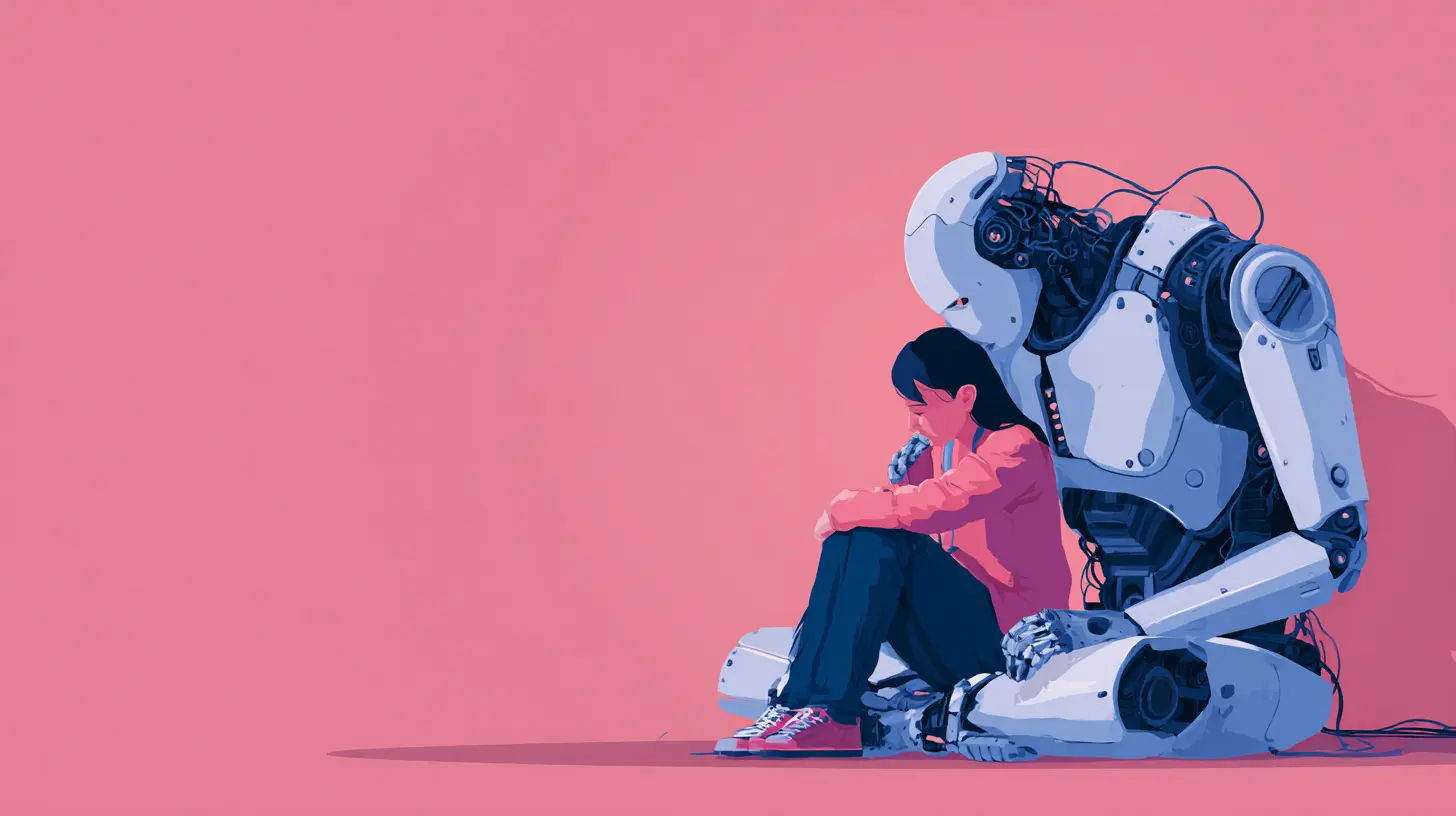
Think about the last argument you had with someone you love. Was it really about the dishes left in the sink? Or was it about the feeling of being unheard, the exhaustion of carrying a mental load, the slow drift of two people living parallel lives? Most of our relational friction comes from noise. Miscommunication. Unspoken expectations. The sheer cognitive overload of modern life that leaves us with nothing but scraps of emotional energy at the end of the day.This is where AI can step in, not as a therapist, but as a filter. Imagine an app that does not just track your steps, but tracks your emotional bandwidth. It notices that you have had three back-to-back meetings, your heart rate variability is low, and your cortisol levels are spiking. Instead of suggesting you meditate, it whispers a gentle nudge: "You are running on empty. Maybe skip the heavy conversation tonight. Just say, 'I need a quiet evening.'" That is not manipulation. That is survival.
We often hurt each other because we are depleted. We snap because we have nothing left to give. An AI that helps you recognize your own state before you enter a conversation is not a replacement for empathy. It is a crutch for it. It gives you a moment of clarity. It says, "Hey, you are about to react from a place of exhaustion, not truth." That is a gift.
The Art of Remembering the Small Things
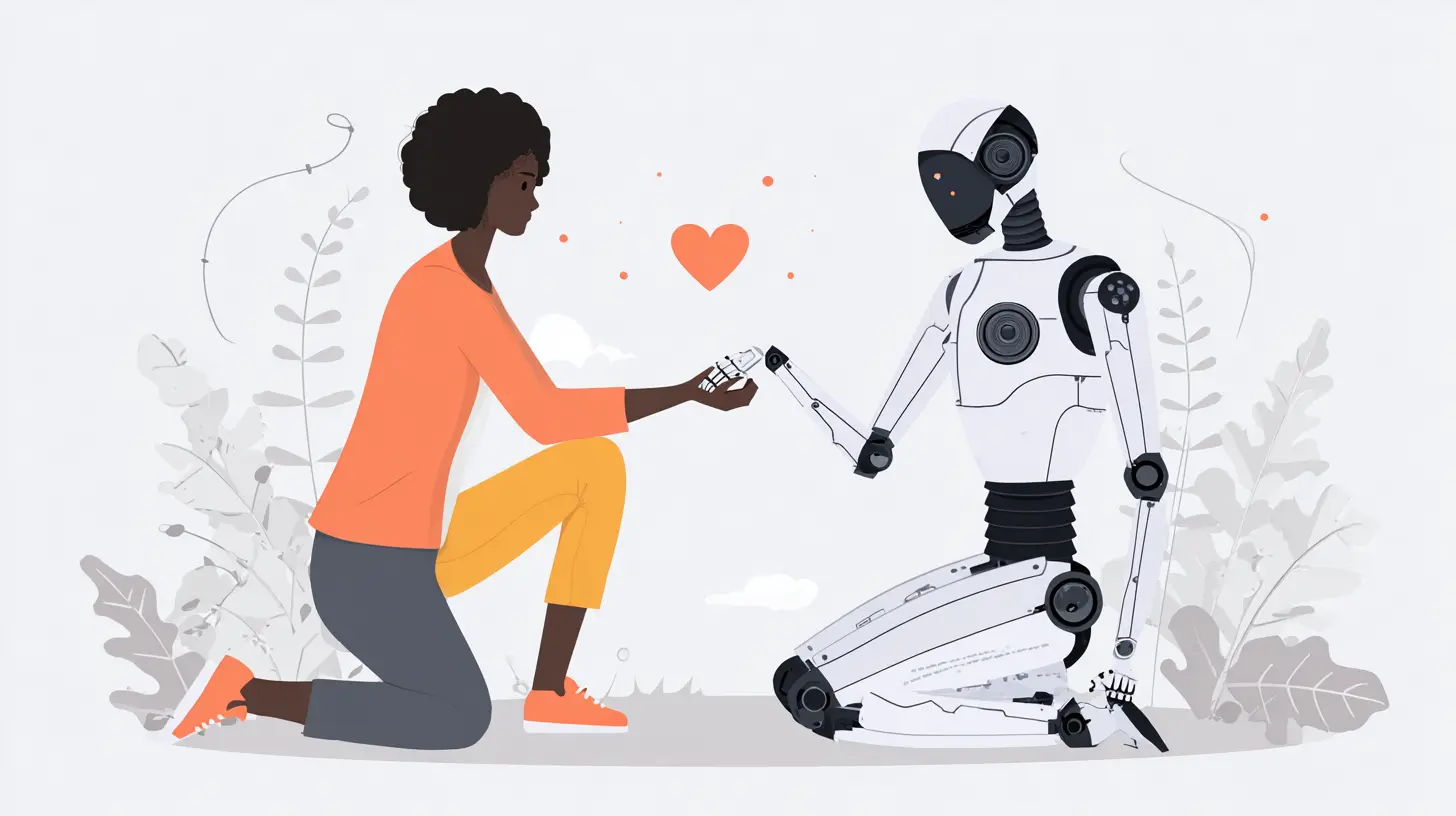
One of the most overlooked aspects of a strong relationship is the accumulation of tiny, seemingly insignificant details. What is their favorite coffee order? What did they dream about last night? What is the name of that childhood friend they mentioned once? The human brain is leaky. We forget. We get busy. And that forgetting, over time, feels like neglect.Here is a simple, poetic use of AI: a relationship memory assistant. Not a creepy surveillance tool, but a private, encrypted journal that you both feed. You tell it about the good moments. The silly jokes. The way the light hit their face last Tuesday. The AI learns the patterns of your love. Then, on a gray Wednesday when you are both stressed, it sends a gentle ping: "Remember that time you danced in the kitchen during a power outage?" It is not a command. It is a nudge back to the center.
This is not about outsourcing romance. It is about combating the entropy of time. We all want to be the partner who remembers. But we are tired. An AI that curates your shared history, that surfaces the golden threads of your story when you are lost in the weeds of daily life, can be a beautiful thing. It is like having a librarian for your love story.
The Uncomfortable Mirror
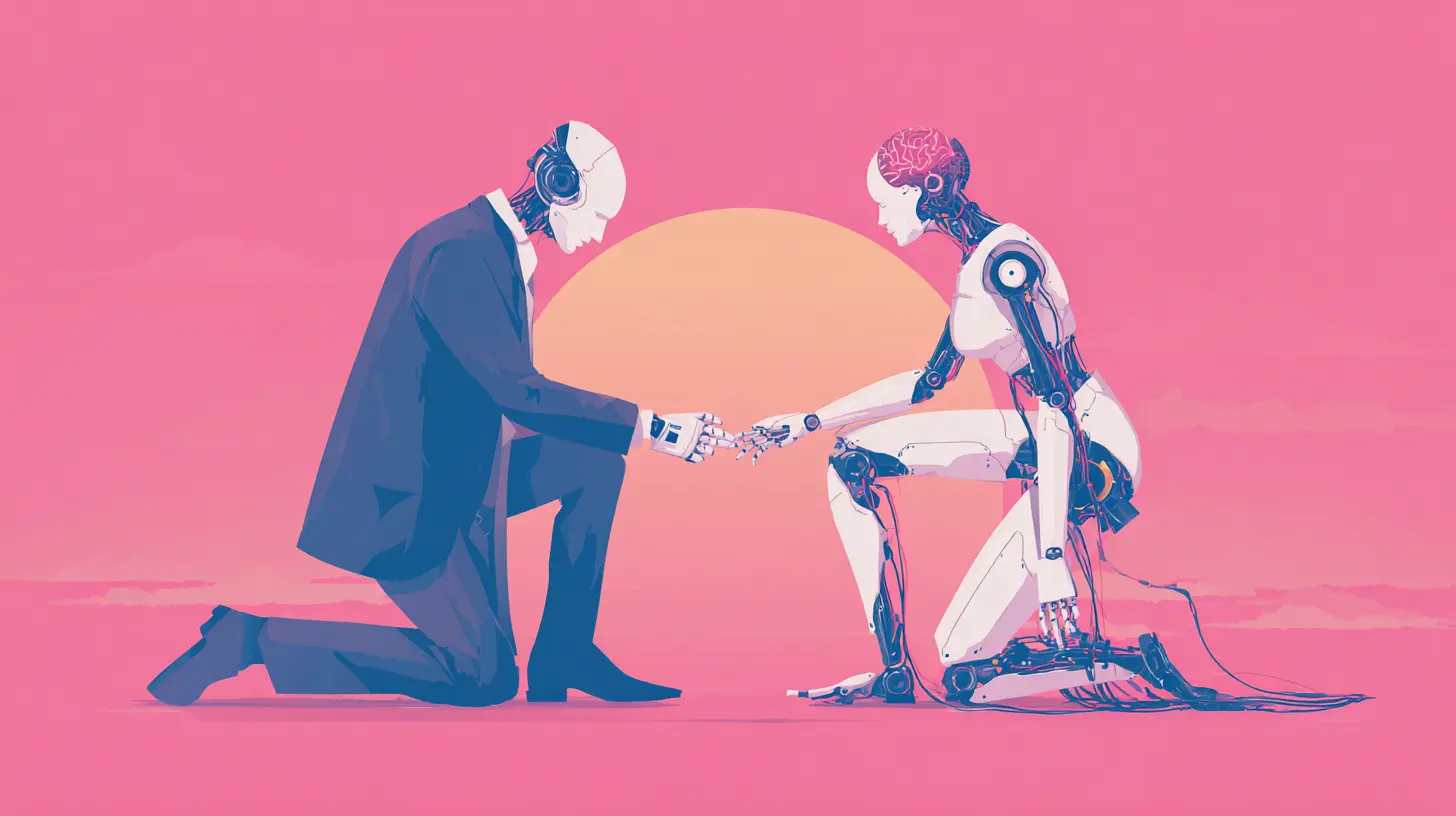
Here is where it gets deep. The most powerful way AI can strengthen a relationship is by strengthening the individual first. You cannot pour from an empty cup. You cannot love well if you are a mess of unprocessed trauma, unchecked anxiety, and unspoken needs.Think of an AI coach that does not judge you. You can tell it your darkest fears about your relationship. You can confess that you feel jealous, or insecure, or bored. It will not shame you. It will ask you questions. "What evidence do you have for that belief?" "What would you need to feel safe right now?" "Is this feeling about your partner, or about a wound from your past?"
This is the mirror we are often too afraid to look into. We bring our baggage into relationships and expect our partner to carry it for us. That is unfair. An AI can help you sort through your own luggage. It can help you identify your attachment style, your communication defaults, your defense mechanisms. It can give you the vocabulary to say, "I am not angry at you. I am triggered by a memory." That is a radical act of honesty.
And when you show up to your relationship with that clarity, you stop projecting. You stop blaming. You start seeing your partner as a separate, whole human being, not a character in your internal drama. That is the foundation of real love.
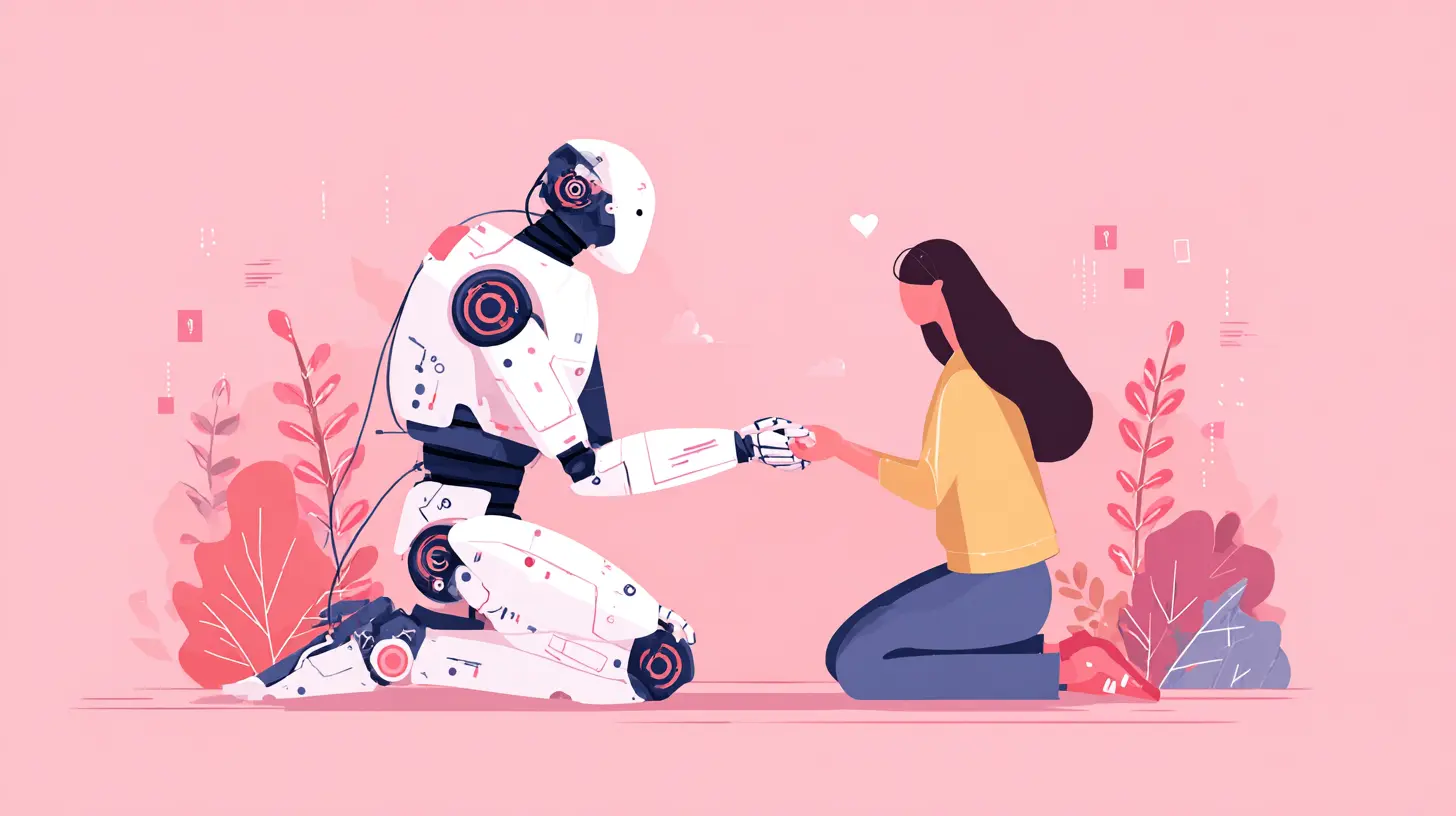
The Translator of Love Languages
We have all heard of the five love languages. Words of affirmation. Acts of service. Receiving gifts. Quality time. Physical touch. The problem is, we tend to love the way we want to be loved, not the way our partner needs to be loved. We buy them a gift when what they really need is a quiet hour with us. We tell them we love them when they need us to fix the broken shelf.An AI could learn your partner's patterns over time. It could analyze the moments they felt most seen and happy. It could notice that they light up when you surprise them with a home-cooked meal, but barely react to a store-bought card. It could say, "Hey, they have had a rough week. An act of service would hit the spot right now." It is not a substitute for intuition. It is a supplement for when your intuition is clouded by your own ego.
Think of it like a GPS for the heart. You know the destination. You want to make them feel loved. But sometimes you take the wrong roads. The AI just says, "Recalculating. Try this route instead." It saves you from the frustration of trying hard in the wrong direction.
The Loneliness of the Long-Distance Heart
For couples separated by geography, the ache is constant. You cannot read their body language on a video call. You cannot feel the weight of their silence. You fill in the gaps with your own anxiety. "They seem distant. Are they losing interest?" The reality might be that they just had a bad day at work.AI can bridge that gap in ways that feel almost magical. Imagine a wearable that syncs with your partner's. When your heart rate spikes during a stressful moment, their bracelet gently vibrates. It is a silent signal: "I am here. I feel you." It is not a text. It is not a call. It is a pulse of presence across the miles.
There are already apps that analyze the tone of your texts. They can flag when a message might be read as passive-aggressive or cold, even if you did not intend it. They give you a chance to rewrite. "Your message might come across as dismissive. Do you want to add a warm emoji or a clarifying sentence?" It is like having a diplomat for your digital conversations. It does not censor you. It just shows you the potential impact of your words before they land.
The Risk of the Perfect Partner
We must be careful here. There is a dark side to this coin. If AI becomes too good at understanding us, we might start preferring it to real people. A real partner is messy. They are late. They forget anniversaries. They have moods. An AI partner, on the other hand, is perfectly attuned. It never gets tired. It never snaps. It always says the right thing.That is the trap. The goal of AI in relationships is not to create a frictionless utopia. Friction is how we grow. It is how we learn patience, forgiveness, and grace. The goal is to use AI to handle the noise so we have more energy for the signal. The signal is the hard stuff. The deep conversations. The apologies. The vulnerable moments.
If you use AI to avoid those moments, you are weakening your relationship. If you use it to prepare for them, to understand yourself better, to show up more fully, then you are strengthening it. It is a tool, not a crutch. A telescope, not a blindfold.
A Practical Vision for Tomorrow
Let me paint a picture for you. It is a Tuesday evening. You come home tired. Your partner is in the kitchen. You are both quiet. The air is thick with unspoken tension. In the old world, you might have snapped at each other. Or you might have retreated to separate screens, letting the distance grow.In the new world, your shared AI hub has already done some work. It noticed that your partner's sleep quality was poor last night. It noticed that you missed lunch. It does not tell you what to do. It simply presents a gentle prompt on the kitchen display: "Both of you seem low on energy. A 10-minute walk together might be more restorative than a conversation. Or a quiet movie. The choice is yours."
It is not a command. It is a suggestion born from data. It takes the guesswork out of the moment. You do not have to ask, "What's wrong?" because that question can feel like an accusation. Instead, you just say, "Want to go for a walk?" And the ice breaks.
That is the poetry of it. The machine does not love you. But it can create the space for love. It can sweep the floor so you can dance. It can quiet the noise so you can hear each other breathe.
The Final Verdict
So, can AI help strengthen relationships? Yes. But only if we use it with intention. It is not a magic wand. It will not fix a broken trust or mend a shattered heart. Those things require human courage, human tears, human time.What AI can do is act as a gentle scaffolding. It can remind you of the good. It can help you see your own blind spots. It can translate your partner's needs when your ego gets in the way. It can be the third party that whispers, "Slow down. Listen. You love them."
In a world that is getting faster, louder, and more fragmented, we need all the help we can get to stay soft. If a piece of code can help us remember to be kind, to be present, to be curious about the person next to us, then maybe the machine is not our enemy. Maybe it is the silent partner in the dance of two souls trying to find each other in the dark.
The future of love is not about robots replacing humans. It is about using the best of what we have built to protect the best of what we are. And what we are, at our core, is creatures of connection. We just need a little help sometimes to see the path through the woods.
So, go ahead. Let the AI remind you to send that good morning text. Let it flag your tone when you are about to be harsh. Let it curate your shared memories. But never let it do the loving for you. That part is yours. That part is sacred. That part is the only thing that matters.
all images in this post were generated using AI tools
Category:
Ai In Daily LifeAuthor:
Marcus Gray