Can AI Ever Be Truly Fair? Exploring Algorithmic Justice
7 January 2026
Artificial intelligence (AI) is everywhere. From personalized shopping suggestions to job application screenings and even court sentencing recommendations, it’s slowly becoming a silent decision-maker in our daily lives. But with great power comes great responsibility, right?
As AI becomes more involved in decision-making processes that affect real people, a big question looms over us: Can AI ever be truly fair? Or are we handing over authority to systems that could unintentionally reinforce bias and injustice? Let’s roll up our sleeves and dig into the messy, fascinating world of algorithmic justice.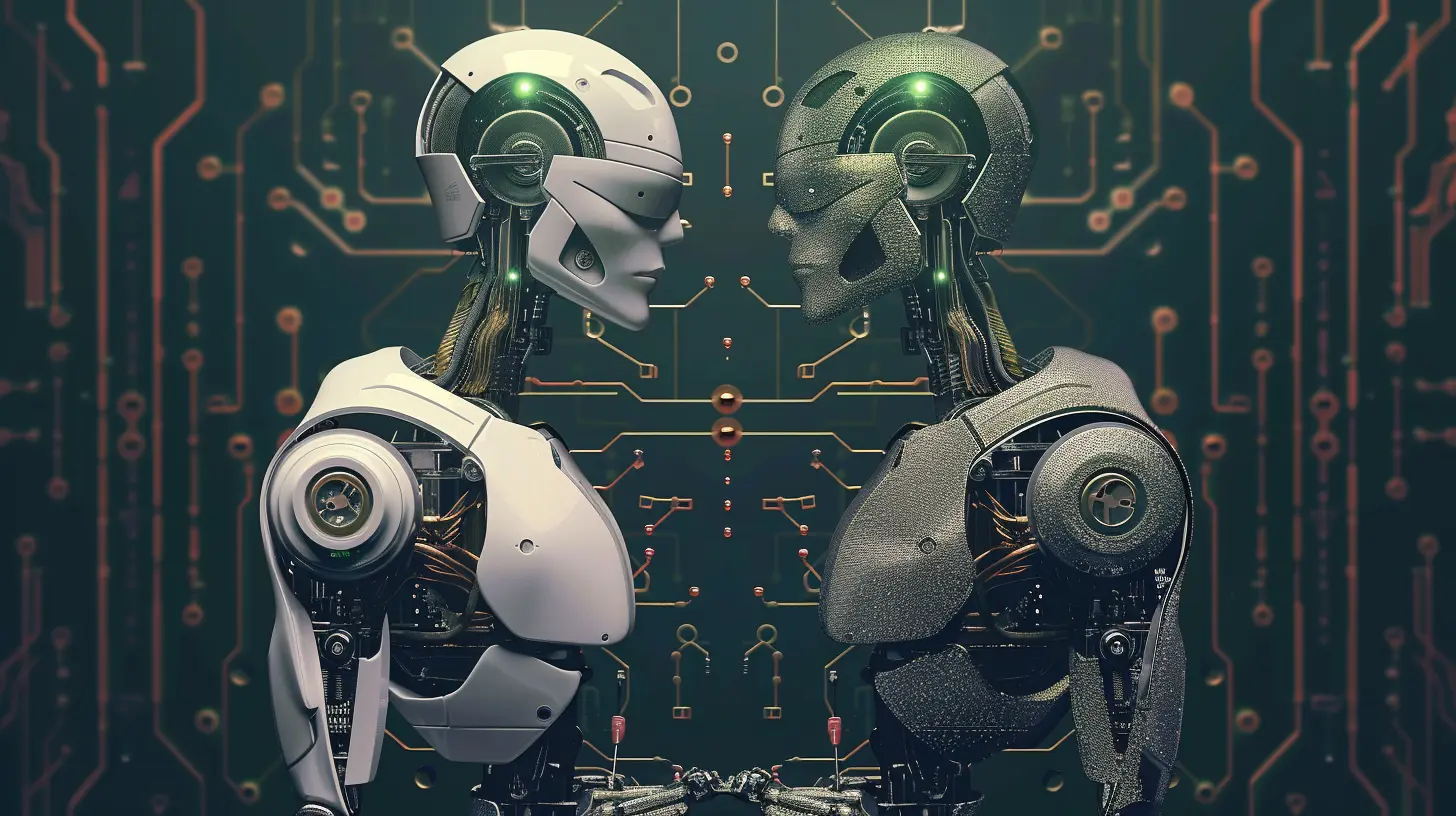
What Does "Fair" Really Mean in the Context of AI?
Fairness sounds simple until you try to define it—especially in technology. Ask five people what fairness means, and you’ll probably get five different answers.In the world of AI, fairness refers to an algorithm's ability to make decisions without favoritism or discrimination. But here’s the kicker: fairness is subjective. What one community considers fair might look completely unfair to another. That’s because fairness is rooted in social, historical, and cultural contexts.
So when we ask if AI can be "truly fair," we first have to ask: Fair by whose standards?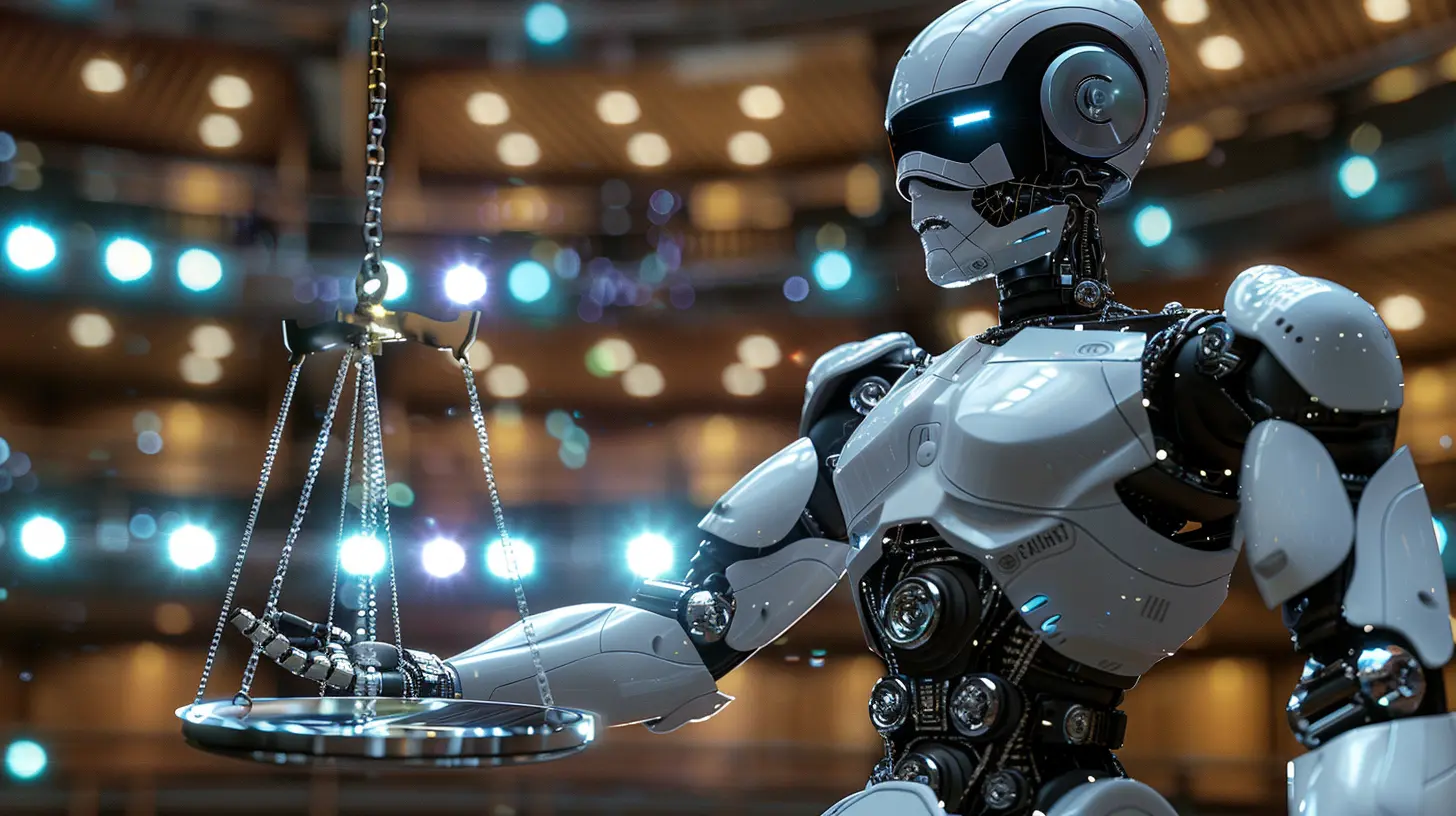
Algorithms Learn from Us—And That’s Not Always a Good Thing
At the heart of every AI system is data. Lots and lots of data. Algorithms learn patterns from this data to make decisions. The problem? That data reflects human behavior—and humans are imperfect.Let’s say a hiring algorithm is trained on résumés from the past ten years. If those past decisions show a bias toward hiring men for tech roles, the AI is likely to pick up on that and duplicate it. That’s not because the AI is "mean" or trying to be sexist. It simply sees a pattern and follows it.
Basically, AI is like a mirror. But instead of showing us who we are today, it shows us who we’ve been—and it doesn’t always like to change unless we force it to.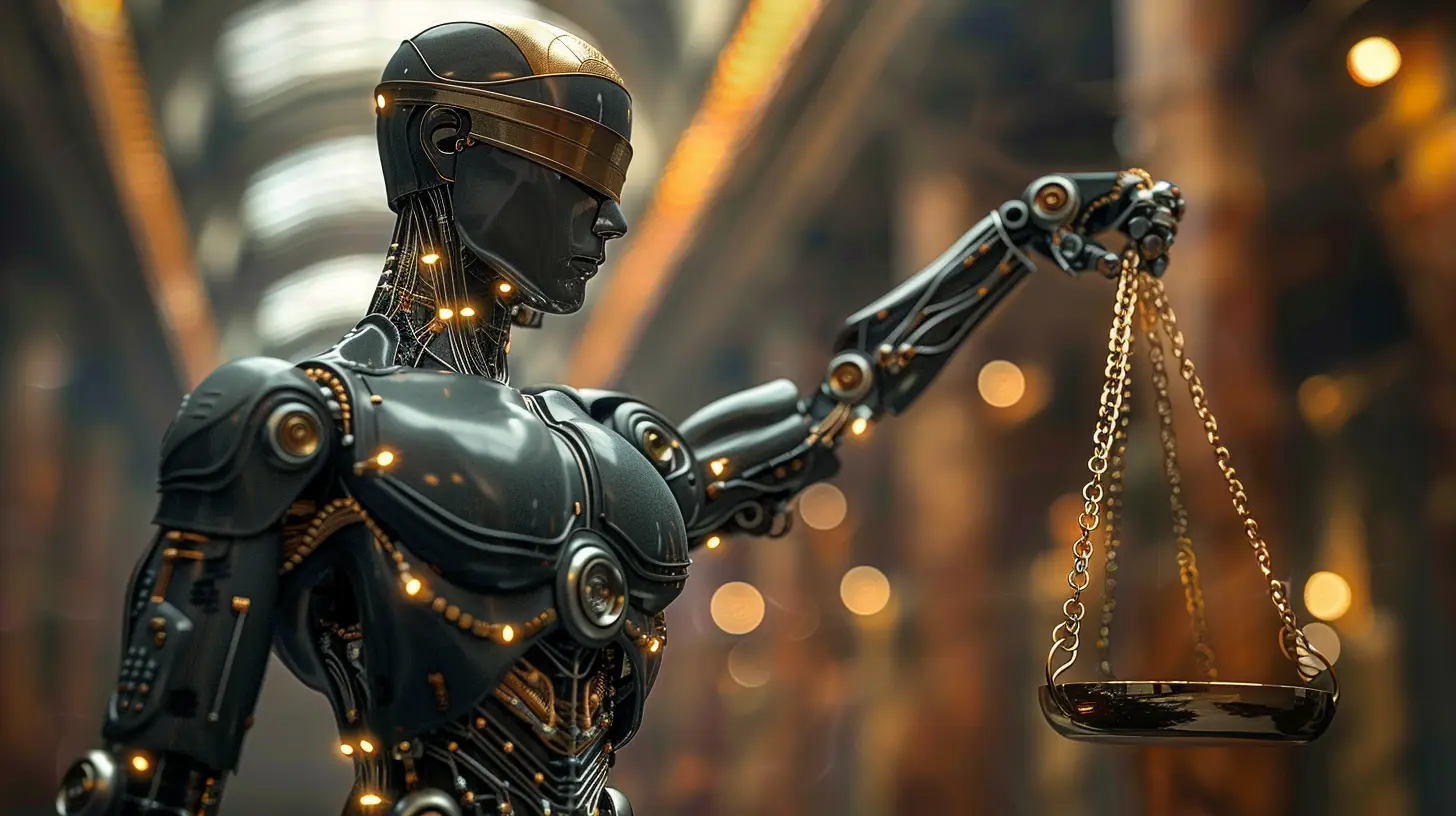
Real-World Fairness Failures in AI
AI bias isn’t just theoretical—it's happening right now. Let’s look at a few examples that show just how real and harmful unfair algorithms can be.1. Predictive Policing
Predictive policing tools use crime statistics and historical arrest data to predict where crimes are likely to occur. On paper, that sounds efficient. In reality? Not so much.These algorithms often over-police minority neighborhoods because they’re trained on data that already reflects decades of biased policing. So instead of reducing crime, they just reinforce existing racial disparities.
2. Facial Recognition Errors
Facial recognition technology has struggled with accuracy—especially when identifying people of color. Studies have shown that these systems are significantly more likely to misidentify Black and Asian faces than white ones.Imagine being wrongly identified by police because an algorithm made a mistake. That’s not just an inconvenience—it can mess up someone’s life.
3. Resume Screening Bias
Some companies have used AI to screen job applicants. One infamous example included a tool that downgraded resumes with the word "women's" in them (like "women’s chess club captain") because the training data favored male-dominated applicant histories.The result? Qualified candidates were filtered out before they even had a chance to interview.
Why Is Fair AI So Hard to Build?
Designing AI to be fair is like trying to paint a moving train while it's speeding down the tracks. Here’s why it’s so tricky:1. Biased Training Data
As we mentioned earlier, AI learns from us. If that data contains bias (and it almost always does), then the AI will inherit that bias. It's like teaching a child the wrong lesson—don't be surprised when they repeat it.2. Lack of Diverse Teams
The teams building AI systems aren’t always diverse. If people from only one background are designing the technology, they might not anticipate how it will affect folks from different walks of life.Think of it like designing a shoe without considering different foot sizes. It might fit some people perfectly, but others are going to end up with blisters.
3. Conflicting Definitions of Fairness
Believe it or not, there are multiple mathematical ways to define fairness in an algorithm—and they often clash. An AI might meet one fairness standard but violate another. For example, equal accuracy across groups might conflict with equal false positive rates.So even when engineers try to make AI fair, they often face trade-offs that make “perfect fairness” nearly impossible.
What Can Be Done to Improve Algorithmic Fairness?
Okay, we’ve covered the problems. Now let’s talk about solutions. Is it possible to build more equitable AI systems? Absolutely—but it’s going to take work.1. Audit and Test Regularly
Companies should audit their AI systems just like they’d audit their finances. These audits help detect bias and ensure that performance is consistent across demographic groups.It’s like going to the doctor for a check-up: catch the issues early before they grow into something worse.
2. Increase Data Diversity
Better data leads to better results. Including a more representative data set can help algorithms learn in a more balanced way. That means collecting data from all genders, races, ages, and backgrounds.But careful—more data can also mean more privacy concerns, so this needs to be done ethically and transparently.
3. Involve Diverse Teams in AI Development
You can’t understand everyone’s problems unless you include voices from all communities. More inclusive development teams can better anticipate how an AI might impact people differently.In short: more perspectives = fewer blind spots.
4. Push for Legal and Ethical Guidelines
Governments and regulatory bodies need to step in with clearer guidelines. Just like seatbelts in cars became mandatory to protect passengers, we might need mandatory fairness audits or AI certifications to keep users safe.Ethics can’t be an afterthought. It has to be baked into the system from the get-go.
Can We Ever Achieve "True" Fairness?
Let’s be honest: there may never be a moment when AI is perfectly fair. After all, humans aren’t perfectly fair either. But that doesn’t mean we throw up our hands and give up.Instead of chasing perfection, we should focus on continuous improvement. The goal shouldn't be flawless AI—it should be better AI. Smarter AI. Fairer AI.
Think of it like climbing a mountain. You don’t have to reach the summit immediately. But each step you take upward matters. And maybe, just maybe, with the right tools, people, and policies in place—we’ll get closer to that ideal.
Why This Matters More Than Ever
AI isn’t coming—it’s already here. Whether we like it or not, algorithms are becoming gatekeepers to opportunity. They determine who gets hired, who gets approved for a loan, and even who gets bail.If we don’t fix the fairness problem now, we risk building a future where inequality is automated and injustice is scaled.
So, can AI ever be truly fair?
Maybe not 100%. But with the right mindset and a whole lot of work, we can build systems that are fair enough to trust—and constantly pushing to get better.
Wrapping Up: What You Can Do
You don’t have to be a data scientist to care about algorithmic justice. In fact, the more everyday people get involved in conversations around technology and fairness, the more pressure there is for companies and governments to act responsibly.So ask questions. Demand transparency. Stay informed.
Because fair AI isn’t just a tech issue—it’s a human one.
all images in this post were generated using AI tools
Category:
Ai EthicsAuthor:
Marcus Gray
Discussion
rate this article
2 comments
Miranda Schultz
Great insights! While the quest for algorithmic justice is complex, our dedication to fairness in AI is a powerful step forward. Together, we can shape technologies that reflect our values and create a more equitable future. Let’s embrace the challenge and drive positive change!
January 31, 2026 at 5:03 AM
Marcus Gray
Thank you for your thoughtful comment! I completely agree that our commitment to fairness is essential for shaping a better future in AI. Let's keep pushing for progress together!
Elwynn Allen
Oh sure, let's just teach AI to be fair like it’s a toddler sharing candy! Because giving machines a moral compass is definitely easier than getting humans to stop arguing over the last slice of pizza.
January 8, 2026 at 4:11 AM
Marcus Gray
It's a complex challenge, but striving for fairness in AI can help us address biases and improve decision-making, even if it's tougher than resolving human conflicts.