Building Team Culture Through Digital Collaboration Tools
14 July 2026
The phrase "team culture" used to evoke images of ping-pong tables, Friday beer taps, and open-plan offices where people could tap each other on the shoulder. That world is gone for many organizations. Even before the pandemic shifted millions to remote work, distributed teams were becoming the norm. Now, the question is not whether you can build culture without physical proximity, but how well you can do it with digital tools.
I have spent over a decade advising technology companies on organizational design and collaboration strategy. I have seen teams thrive using nothing but a chat app and a shared document, and I have seen teams with fifty-thousand-dollar software stacks feel like ghost towns. The difference is not the tool. It is the intentionality behind how the tool is used. This article digs into the practical realities of building culture through digital collaboration, moving past the hype to what actually works, what does not, and why.
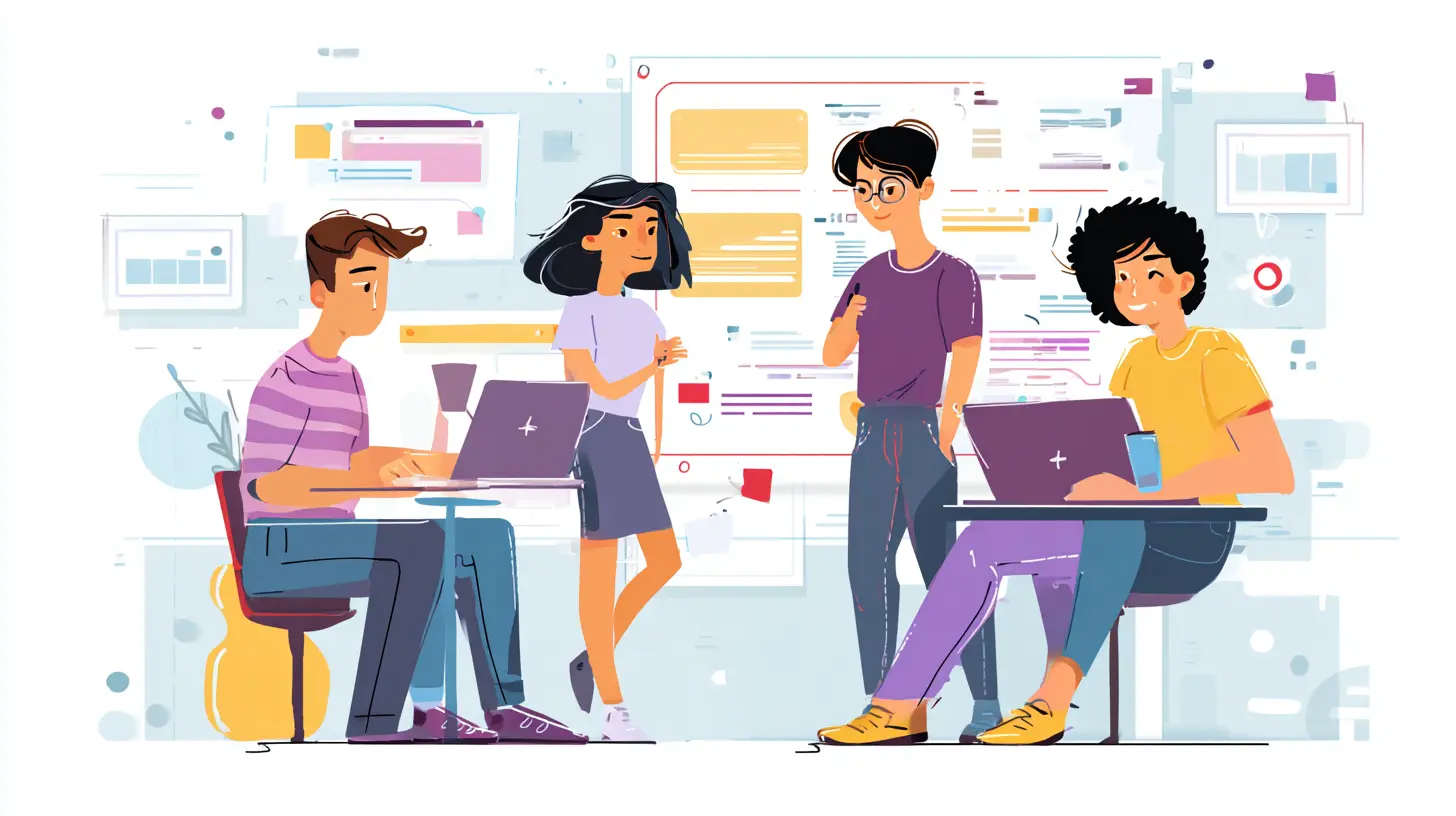
The Core Problem: Culture Is Not a Feature
Many leaders make the mistake of treating culture as something that can be installed. They buy a platform that promises to "connect the team" and expect engagement to follow. Culture is not a feature. It is a pattern of behaviors, shared norms, and unspoken expectations that emerge from how people interact day after day.Digital tools are the environment where those interactions happen. If the environment is designed poorly, the culture will suffer. If it is designed well, the environment can amplify positive behaviors. But the tool itself is neutral. Slack does not create transparency any more than a conference room creates collaboration. The key is understanding what each tool does to the rhythms of communication, decision-making, and social connection.
The Misconception of "All-in-One" Solutions
There is a persistent belief that one platform can handle everything: chat, video, project management, document sharing, and social recognition. In practice, all-in-one solutions often do many things adequately but nothing exceptionally well. The trade-off is convenience versus depth.For example, using a single platform for both formal project tracking and casual conversation can blur boundaries. People might hesitate to post a quick question in a channel that also contains official status reports. The culture becomes muddled. A better approach is to choose best-in-class tools for distinct purposes and integrate them loosely. This requires more setup but preserves the unique character of each interaction type.

Asynchronous Communication: The Foundation of Modern Culture
The single most important shift in digital collaboration is moving from synchronous to asynchronous communication. In an office, you can walk over to someone's desk and get an answer in thirty seconds. In a distributed environment, that same impulse creates interruptions, context switching, and burnout.Asynchronous communication means writing things down, using threads, and expecting responses within hours or a day rather than minutes. This is not just a workflow change. It is a cultural value. Teams that embrace async communication tend to be more inclusive, because people in different time zones are not penalized. They also tend to be more deliberate, because writing forces clarity.
Choosing the Right Async Tools
Not all chat platforms are equal for async work. A tool that defaults to real-time notifications will train your team to respond immediately, defeating the purpose. Look for platforms that emphasize threads, searchability, and the ability to mark messages as "low priority" or "no reply needed."Documentation tools are equally important. A culture of async communication requires a single source of truth for decisions, processes, and project status. The best practice is to have a wiki or knowledge base that is treated as the canonical reference, not a collection of outdated notes. Every meeting agenda, decision log, and project update should live there, not in chat history.
The Trade-Off: Slower Decisions vs. Better Decisions
Async communication is slower. That is a feature, not a bug. When decisions are made in a rapid-fire chat thread, people often agree without fully understanding the implications. Writing a proposal, waiting for feedback, and iterating over a day or two leads to higher quality outcomes.However, there are situations where speed matters more than depth. A production outage or a customer emergency requires synchronous communication. The cultural skill is knowing when to switch modes. Teams that default to async but can escalate to a video call or phone call when needed strike the right balance.
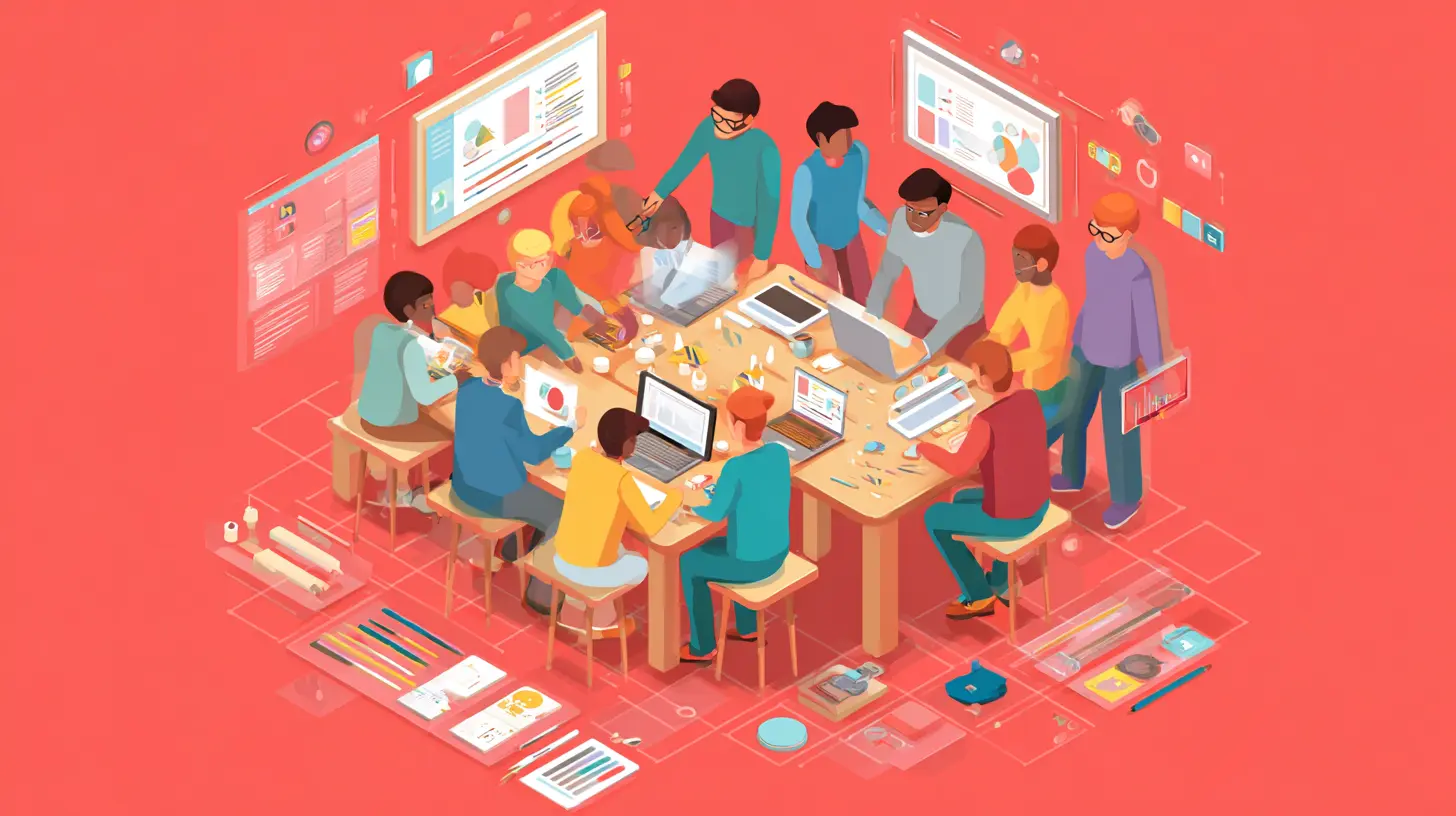
Video Conferencing: More Than Just Meetings
Video calls are the closest thing to physical presence in a digital environment, but they are overused and often misused. The common mistake is to schedule a video call for every discussion, regardless of complexity. This creates meeting fatigue and undermines the benefits of async work.When Video Adds Value
Video is best for three specific situations: high-stakes conversations, relationship building, and brainstorming. High-stakes conversations include performance reviews, conflict resolution, and major strategic decisions. These require the nuance of tone, facial expression, and immediate back-and-forth that text cannot provide.Relationship building is often neglected. A weekly fifteen-minute one-on-one video call between a manager and a direct report, with no agenda other than catching up, builds trust that async tools cannot replicate. Similarly, team-wide social calls where people share non-work updates create a sense of belonging.
Brainstorming benefits from video because it allows rapid iteration and visual thinking. A whiteboard tool combined with video is far more effective than a text thread for generating ideas.
The Pitfalls of Always-On Video
Some companies encourage cameras on at all times to "feel connected." This is a mistake. It creates pressure to appear attentive, leads to background anxiety, and can be exhausting. A healthier culture respects that people have different comfort levels. Cameras on for structured meetings is reasonable. Cameras on all day is not.The Silent Killer: Meeting Recordings
Recording meetings can be useful for absent team members, but it can also inhibit honest conversation. When people know they are being recorded, they may self-censor. A better practice is to take detailed notes and share them, rather than relying on recordings. This forces the note-taker to synthesize key points, which is more valuable than a raw video file.
Project Management Tools: Building Transparency and Accountability
Project management software is often seen as a tracking mechanism, but its real value is cultural. The way you structure tasks, assign work, and communicate progress shapes how your team views ownership and collaboration.Transparency as a Cultural Value
When tasks, deadlines, and status are visible to everyone, you reduce the need for status update meetings. This is a cultural shift away from "need to know" toward "transparent by default." It builds trust because people can see what others are working on and how it connects to the bigger picture.The downside is that transparency can feel like surveillance. If a tool is used to micromanage, it destroys culture. The difference is intent. When transparency is used to help people coordinate and offer help, it is positive. When it is used to track every minute of someone's day, it is toxic.
Choosing a Level of Detail
Not every task needs to be tracked. A common mistake is to break down work into such small pieces that the tool becomes a burden. This leads to people neglecting updates or gaming the system. A better approach is to track only what matters for coordination: major milestones, dependencies, and blockers. Let individuals manage their own micro-tasks.The Role of Kanban vs. Scrum
Kanban boards are great for continuous workflow and visibility. They are less intrusive and work well for teams that have a steady stream of incoming work. Scrum, with its sprints and ceremonies, provides structure and rhythm but can feel rigid. The choice depends on your team's work style. A creative team might prefer Kanban's flexibility. A product development team might need Scrum's discipline.Social Connection: The Part Most Tools Get Wrong
Digital collaboration tools are designed for productivity, not for social bonding. Yet culture depends on informal connections. The water cooler conversation, the shared joke, the spontaneous coffee break all build the social fabric of a team.Deliberate Social Spaces
Some teams create dedicated Slack channels for non-work topics: pets, cooking, music, or random memes. These channels work, but they require active participation. If people feel awkward posting, they will not use them. A better approach is to seed them with prompts or have a rotating "social host" who starts conversations.Virtual Coffee Chats and Pairing
Random coffee chats, where two team members are paired for a fifteen-minute video call, can break silos. But they need to be opt-in and not forced. Some people find small talk with strangers draining. Offering an alternative, like a shared document where people can write about their interests, respects different communication styles.The Danger of Over-Engineering Fun
I have seen companies try to recreate office parties online with elaborate games, scheduled happy hours, and mandatory team-building exercises. These often feel hollow. The best social connections happen organically, around shared work or genuine interests. Instead of forcing fun, create space for it. Allow people to linger on a video call after a meeting ends, or start a channel for a shared hobby that actually has active members.
Common Mistakes That Undermine Culture
Even with the right tools, culture can be damaged by poor practices. Here are the most frequent mistakes I observe.Mistake 1: Tool Proliferation
Adding a new tool for every problem creates fragmentation. People cannot remember where to find information, so they stop looking. The result is a culture of confusion and duplicated effort. Before adding a tool, ask whether an existing one can be adapted. If you must add a new one, sunset an old one.Mistake 2: Ignoring Onboarding
New hires in a digital environment often feel lost. Without physical cues, they do not know who to ask for help, what channels are for, or how decisions are made. A proper digital onboarding process should include a map of tools, norms for communication, and a buddy system. This is not just about productivity. It is about making people feel welcome.Mistake 3: Assuming Everyone Is Comfortable
Not everyone is comfortable with written communication, public feedback, or video calls. Cultural norms that work for extroverted, native-English-speaking employees may alienate others. A strong culture accommodates different styles. Allow people to contribute via text, voice, or video. Offer private feedback channels. Recognize that silence in a chat does not mean agreement.Mistake 4: Treating Tools as a Substitute for Leadership
No tool can replace a manager who sets clear expectations, provides regular feedback, and shows empathy. If leadership is absent or inconsistent, no amount of collaboration software will fix it. Tools amplify good leadership and expose bad leadership. Invest in your managers first.Best Practices for Sustainable Digital Culture
Based on what I have seen work across dozens of teams, here are the practices that consistently produce strong culture.Define Communication Norms Explicitly
Write down how your team uses each tool. For example: Slack is for quick questions and social chat. Email is for external communication and formal approvals. The wiki is for permanent records. Video calls are for complex discussions and one-on-ones. Publish these norms and revisit them quarterly.Default to Public Channels
Whenever possible, communicate in public channels rather than direct messages. This reduces information silos and allows others to learn from the conversation. It also reduces the burden on individuals to answer the same question multiple times. The exception is sensitive topics like performance or personal matters.Create a Rhythm of Check-Ins
Daily stand-ups, weekly team meetings, and monthly retrospectives provide a predictable structure. These rituals create a sense of continuity. Keep them short and focused. A daily stand-up should be fifteen minutes or less. A retrospective should have a clear facilitator and produce actionable improvements.Invest in Documentation as a First-Class Activity
Writing things down is not overhead. It is the primary way knowledge is shared in a digital environment. Treat documentation as part of the work, not an afterthought. Reward people who write clear, useful documents. Make it easy to find information by using consistent naming conventions and tags.Measure Culture, Not Just Productivity
Track engagement, not just output. Use anonymous pulse surveys to ask about belonging, trust, and clarity. If scores drop, investigate the tool or practice that might be causing friction. Culture is not a binary state. It requires ongoing attention.
The Future: What Comes Next
Digital collaboration tools are evolving rapidly. AI assistants that summarize conversations, automate routine tasks, and provide real-time translation are already changing how teams interact. The challenge will be to use these advances without losing the human element.One trend I am watching is the rise of "digital headquarters" platforms that combine asynchronous and synchronous features in a single spatial interface. These promise to recreate the serendipity of an office by allowing people to bump into each other virtually. The risk is that they also recreate the distractions and hierarchies of physical space.
Another trend is the move toward more intentional tool selection. Teams are realizing that fewer tools, used well, are better than many tools used poorly. The best teams I work with have three or four core tools and use them with discipline.
Conclusion
Building team culture through digital collaboration tools is not about finding the perfect app. It is about understanding what culture you want and designing your digital environment to support it. That means choosing tools that align with your values, setting clear norms, and continuously adjusting based on feedback.The tools are the stage. The culture is the play. The actors are your people. Give them a good stage, clear direction, and the freedom to improvise, and they will build something worth watching.
all images in this post were generated using AI tools
Category:
Collaborative SoftwareAuthor:

Marcus Gray