AI and the Ethics of Predictive Policing: Are We Automating Bias?
9 December 2025
Okay, so picture this: You're binge-watching a futuristic crime drama, and some sleek AI system accurately predicts who’s going to commit a crime next. The robot cops swoop in. Boom! Crime stopped before it even happens. Feels like sci-fi magic, right?
Well, not anymore. That future is kind of already here—which sounds awesome until we start peeling the layers. That’s where things get a little... ethically crunchy. Welcome to the wild world of predictive policing, where artificial intelligence teams up with law enforcement to try and stop crimes before they happen. Yeah, like in Minority Report, but with fewer hovercars and more spreadsheets.
So, let’s get into the nitty-gritty of predictive policing, the potential pitfalls, and the million-dollar question: Are we baking bias into the algorithmic cake?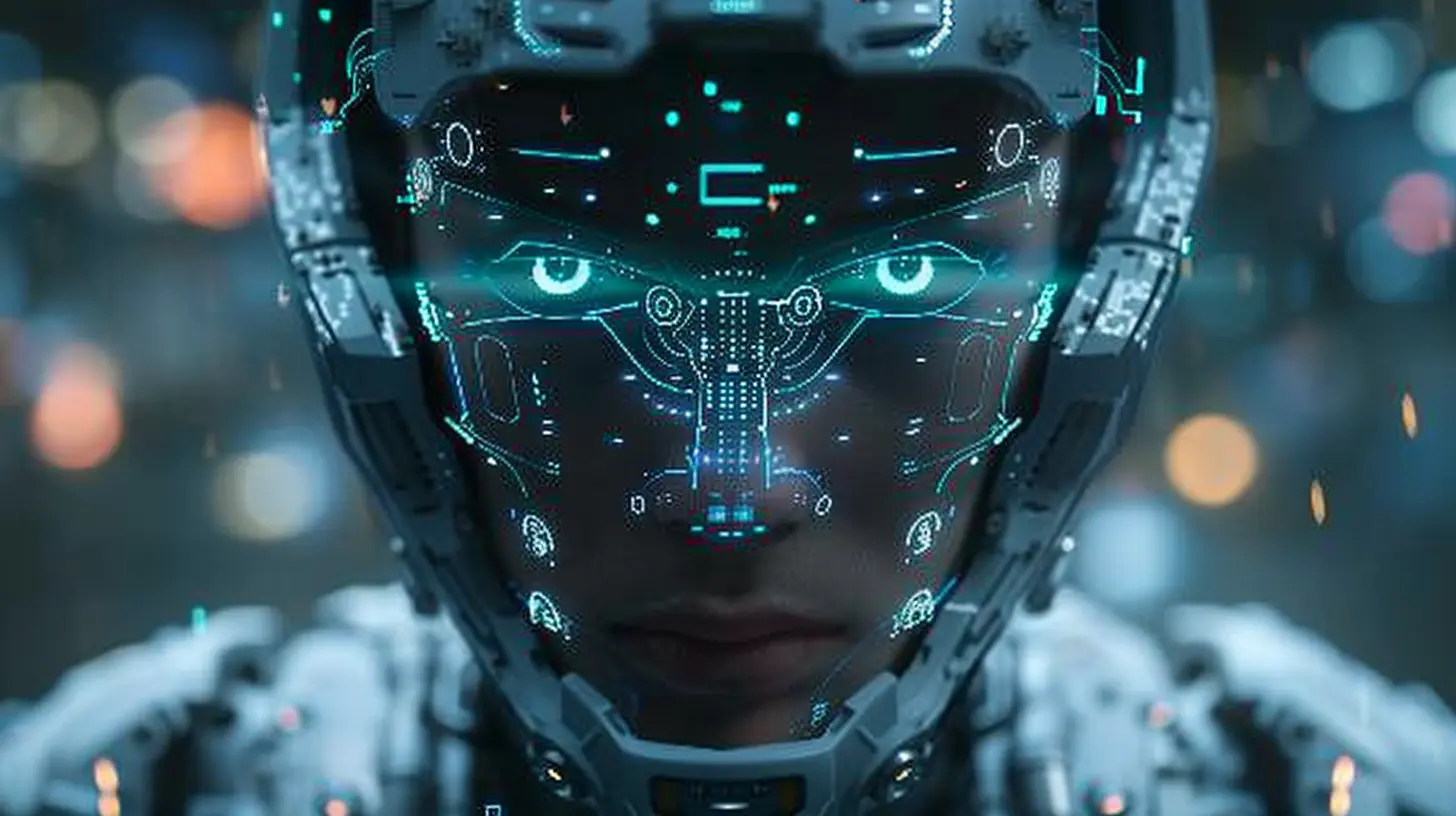
What the Heck is Predictive Policing?
If you're imagining a crystal-ball-wielding machine whispering who’s going to rob a convenience store at 2 p.m. next Thursday—well, you're not far off.Predictive policing uses data, machine learning, and past crime records to forecast where crimes are likely to happen and, sometimes, who might commit them. Think Google Maps, but instead of routing you around traffic, it's routing cops to hot spots.
Programs like PredPol (Predictive Policing) analyze historical crime data and pump out predictions like, “Hey, there’s been a bunch of bike thefts on 5th Avenue—better send patrol there.” Makes sense, right?
Well… yes and no. Hold that thought.
The Tech Behind the Curtain 🎩
Let’s dissect the AI magic a bit, with as few brain-straining equations as possible (we promise). At its core, predictive policing relies on input data—things like:- Historical crime records
- Arrest reports
- Calls for service
- Locations and time of incidents
That data gets juiced through machine learning algorithms, which look for patterns. These patterns help the system “learn” and make predictions about where crimes might cluster.
But here’s the catch: The quality of the output heavily depends on the quality of the input. And spoiler alert—our data? Not exactly squeaky clean.
Garbage In, Garbage Policeman Out 🗑️🚓
Let’s be real for a second. If you train AI on flawed, biased data, you're going to get flawed, biased predictions. It’s like feeding a dog chocolate and hoping for a healthy pup. Bad idea.Historically, some neighborhoods (often communities of color) have been over-policed. That means more police presence, more arrests, more crime reports—whether or not more crimes were actually happening.
Feed that into an algorithm? It’s going to say, “Yep, that area’s a crime hub. Again. Keep sending patrols there.” Round and round we go. It's a feedback loop that practically screams, “Let’s make inequality more efficient!”
Surprise! AI Inherits Our Biases 🤷
People think AI is neutral because, well, it’s a machine. But the truth is, it learns from us—the messy, biased humans.Imagine trying to teach a robot how to dance by showing it 10 awkward TikToks of Uncle Bob at a wedding. Poor robot doesn’t stand a chance.
Same goes for predictive policing. When biased policing patterns are baked into the historical data, the AI doesn’t question it. It just assumes that’s how the world works. Then it acts on it with the cold, clinical precision of a Roomba with a vendetta.
Minority Report... Or Majority Discrimination?
Let’s talk practical impact.Predictive policing systems have tended to target marginalized communities disproportionately. Why? Because they’ve been historically over-surveilled. It's like telling someone they're bad at cleaning because you only look at one messy room in their house and ignore the rest.
So, even if two neighborhoods have similar crime rates, the neighborhood that has had more police presence in the past is more likely to be flagged for future crime. It’s profiling with extra steps.
And it’s not just a glitch—it’s a systemic issue that can lead to:
- Over-policing
- Unjust targeting of minority groups
- Erosion of community trust
- Civil liberties nightmare fuel
Big yikes.
Can AI Be Trained to Be "Woke"?
Okay, before we write off all AI as evil crime-oracles, let’s pump the breaks. AI itself isn’t the bad guy here. It’s a tool. Like a hammer—it can build a house or smash your thumb.The good news? We can teach AI better. By carefully curating data and adding checks and balances, we can reduce bias. Here’s how:
- Transparency: Open up the black box. Let’s see exactly how the algorithm makes decisions.
- Auditability: Regular third-party audits to sniff out bias like a bloodhound.
- Inclusive Data: Use diverse datasets that don’t just reflect injustice.
- Human Oversight: Let humans make tough calls, not leave everything to the bots.
It’s not easy. It’s not sexy. But it’s necessary.
But Wait, Isn’t Crime Prediction Helpful?
Absolutely. The concept itself isn’t evil. In fact, predictive analytics can help allocate resources, de-escalate danger zones, and—if used ethically—save lives.Imagine a tool that helps prevent domestic violence by recognizing early warning signs. Or assists in deploying emergency services more efficiently. That’s a win.
But that’s not what we’re always getting. Instead, we sometimes end up automating flawed systems and calling it “progress.” Slap an AI sticker on it, and suddenly it’s innovation—even if it’s just the same old problems in digital drag.
The Legal and Ethical Quicksand
Now we’re diving deeper into the muck. Predictive policing raises a ton of legal and ethical concerns.- Due Process: If someone is targeted because a computer said so, where’s their chance to defend themselves?
- Accountability: If the AI makes a bad call, who’s liable? The developers? The police? Skynet?
- Privacy: Are we okay with machines harvesting our data to make assumptions about our behavior?
You can’t cross-examine an algorithm in court (yet)! And that’s a huge red flag when it comes to justice.
Real-World Examples (That Probably Didn’t End Well)
Let’s talk receipts.- Chicago’s Strategic Subject List: This system assigned a risk score to people and flagged them as potential shooters or victims. It was eventually shut down amidst criticism that it was basically just high-tech racial profiling.
- LA’s PredPol: Deployed in several areas, it increased patrols in already over-policed neighborhoods. Surprise, surprise—it led to more arrests... but not necessarily less crime.
These experiments show that even well-intentioned tech can go sideways fast if ethics aren't the priority.
The Slippery Slope to Robo-Cop Dystopia
Now, we’re not saying robots are going to take over and enforce martial law (although that’d make a solid Netflix series). But predictive policing, if left unchecked, could gradually shift the balance of power in unsettling ways.Imagine:
- Every movement tracked
- Every social media post analyzed
- Being “pre-judged” by an invisible algorithm
It’s not just creepy. It’s a fundamental shift in how justice works. And once that genie’s out of the bottle, good luck stuffing it back in.
So... Are We Automating Bias?
Drumroll, please... The answer is: Most likely, yes. Unless we actively and aggressively work against it.Automating anything that’s based on flawed human data—without fixing the root issues—inevitably means automating those same flaws. And when it comes to policing, that’s a really big deal.
Bias isn’t some bug in the system. It’s the foundation of many of these datasets. So unless we rebuild the foundation with fairness and transparency in mind, the house will always lean crooked.
The Road Forward (No, Not Into Cyberpunk Dystopia)
So where does that leave us?We can’t just toss AI in the garbage (although sometimes it feels tempting). Instead, here are a few closing thoughts that don’t end in existential dread:
- Use predictive policing tools only with rigorous oversight.
- Make algorithms auditable and transparent.
- Involve communities in designing tech that affects them.
- Train police and technologists around bias and ethics.
- Remember that AI is a tool—not a judge, jury, or fortune teller.
The tech isn’t the villain. The villain is using it irresponsibly.
Final Thought: AI, Ethics, and a Little Common Sense
Look, we love AI. (We're a tech blog, after all!) It’s helping doctors diagnose diseases, helping us write ahem brilliant blog posts, and letting us talk to our fridges. But when it comes to predicting who might commit a crime... maybe we need to slow our roll.Just because we can predict something doesn’t always mean we should. And if the AI’s answer depends on biased data, we’re not improving society—we’re just dressing up discrimination with fancy code.
So the next time someone says AI is the answer to crime, maybe ask: “Whose question is it answering?
all images in this post were generated using AI tools
Category:
Ai EthicsAuthor:
Marcus Gray
Discussion
rate this article
2 comments
Orionyx McQuade
This article highlights a crucial issue: while predictive policing tools aim to enhance law enforcement efficiency, they risk perpetuating existing biases. It's essential that developers prioritize transparency and accountability to ensure these technologies serve justice, not reinforce systemic inequalities. Ethical AI requires constant vigilance and rigorous oversight.
December 20, 2025 at 5:56 AM
Marcus Gray
Thank you for your insightful comment! You’re absolutely right—transparency and accountability are crucial in developing ethical AI for predictive policing to prevent bias and ensure justice.
Eli Heath
This article sheds light on a critical issue. Addressing the intersection of AI and ethics in policing is essential. We must ensure technology serves justice, not perpetuates bias. Thank you for this important discussion!
December 11, 2025 at 5:59 AM
Marcus Gray
Thank you for your thoughtful comment! I completely agree that addressing AI and ethics in policing is vital to ensuring justice and fairness.