A Look Inside the Tech: How Do Smart Speakers Actually Work?
8 March 2026
Alright, let’s be honest for a second. You’ve probably barked commands at your little round speaker—“Play some jazz,” “What’s the weather?” or even “Can you beatbox?”—and it’s responded with eerie precision. But have you ever paused mid-command and thought, “Wait… how the heck does this thing actually work?”
If you have, don’t worry—you’re not alone. These unassuming, voice-powered cylinders might look simple (like modern-day magic eight balls), but inside? Oh, baby. It's a whole cocktail of cutting-edge tech, artificial intelligence, and a dash of data sorcery.
So, grab your favorite snack, and let’s crack open the shell of your smart speaker to see what’s really going on under that minimalist design.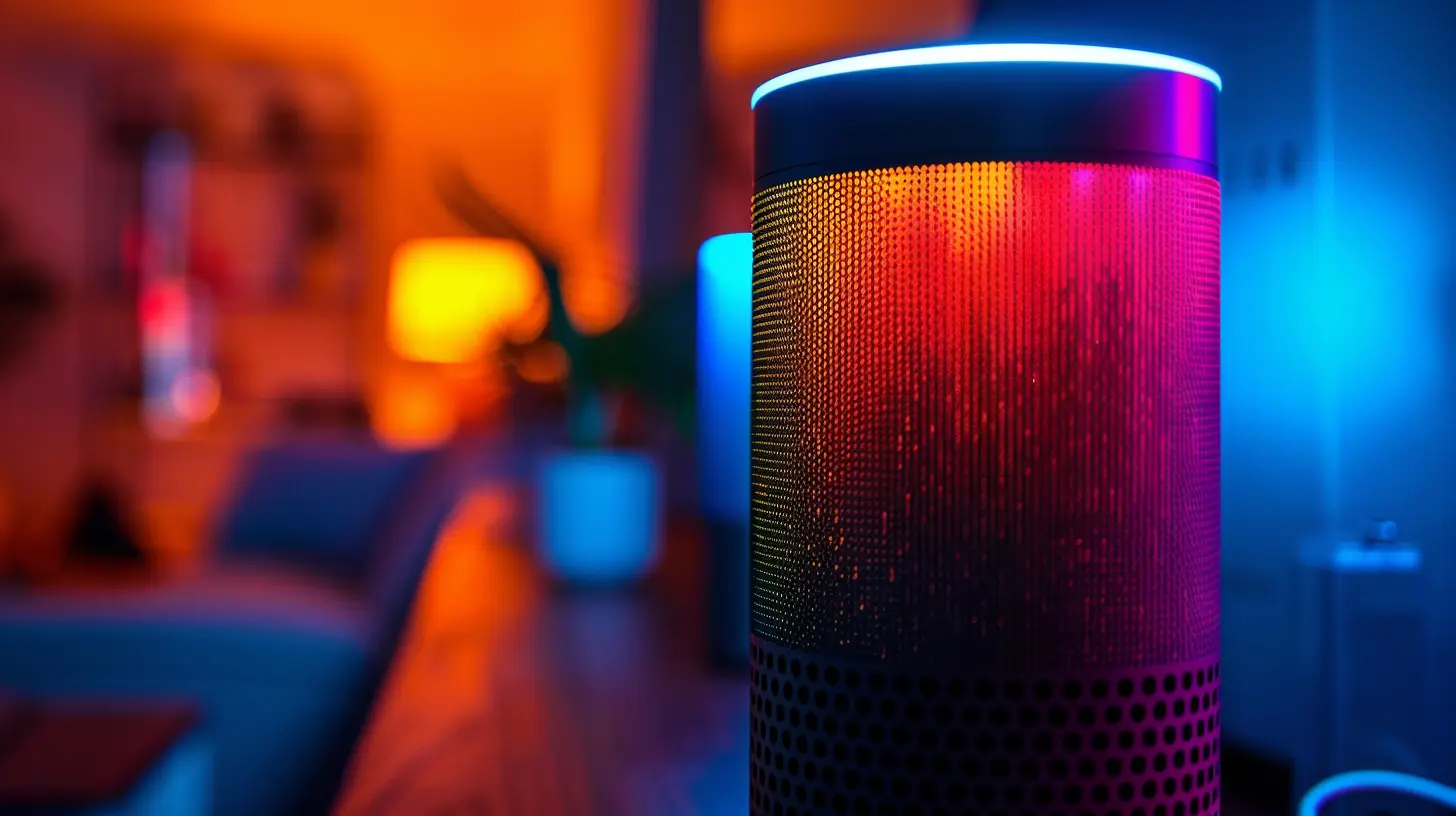
What Exactly Is a Smart Speaker?
Before we dive into the techy rabbit hole, let’s define this little gizmo.A smart speaker is a voice-activated device that uses built-in virtual assistants (like Amazon’s Alexa, Google Assistant, or Apple’s Siri) to help you perform tasks—think setting timers, controlling your smart home devices, or playing music. But unlike your old-school Bluetooth speakers, these babies have ears—well, microphones—and a brain to listen, interpret, and act.
We're talking high-tech butlers—and they don’t even need a cup of tea.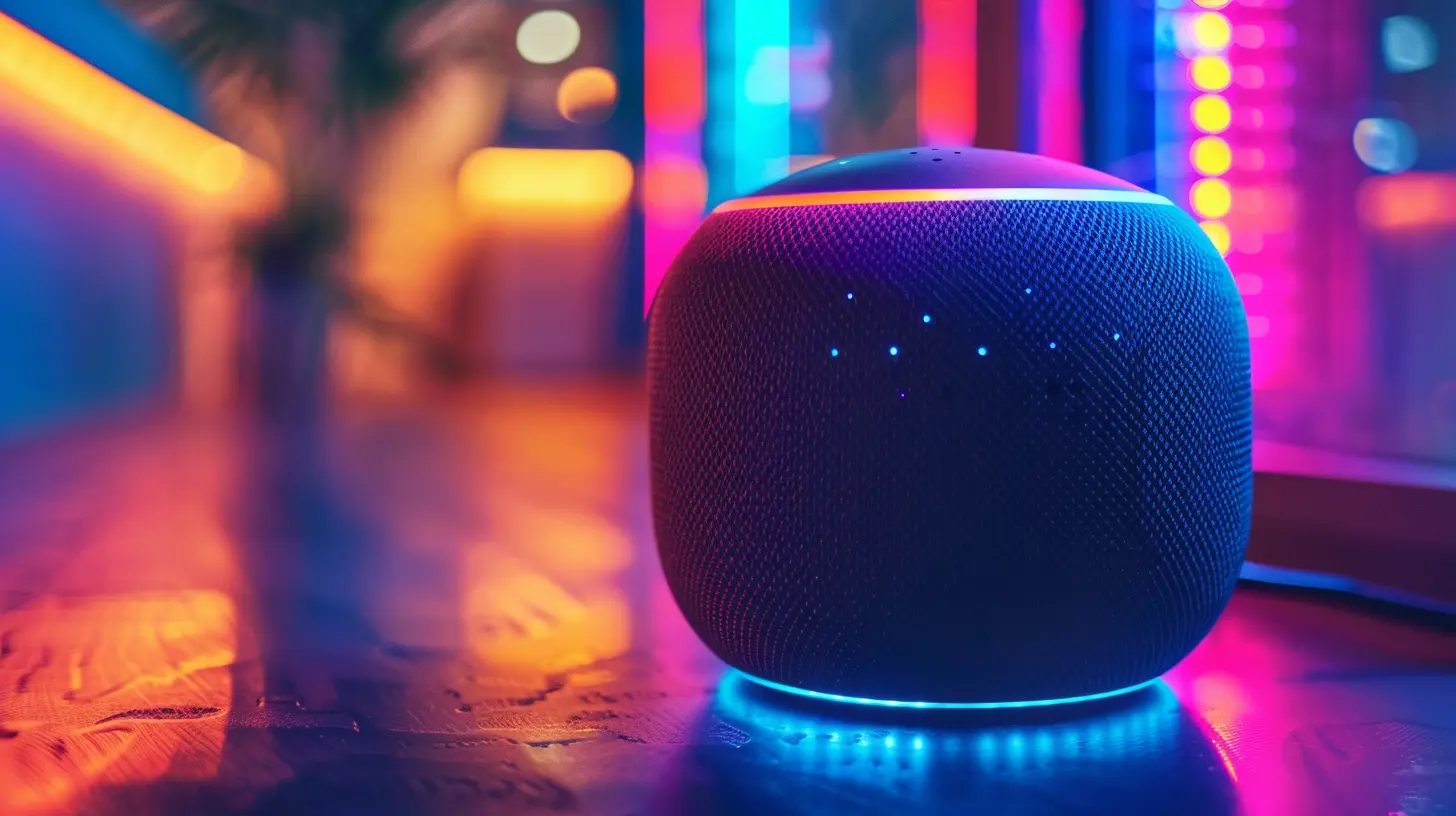
The Tech Magic Starts with Far-Field Microphones
Ever noticed how your smart speaker hears you whisper from across the room over blasting music? That’s no accident—it’s thanks to what tech folks call far-field microphones.These mics are super-sensitive and arranged in an array (that’s right, not just one lonely mic doing all the work). They’re designed to pick up voice commands even with background noise, overlapping conversations, or your dog barking at the mailman.
Beamforming – The Secret Listener
Here’s where it gets space-age: smart speakers use something called beamforming. Imagine a cone of attention that focuses on your voice and filters out everything else. It’s like the speaker's way of saying, “Shhh... I'm trying to hear this human.”So next time it responds to your question while your TV's blasting, throw it some respect—it’s working overtime.
Speech Recognition: Turning Sound Into Meaning
Okay, so you’ve spoken. The smart speaker caught your voice. Now what?Here’s where Automatic Speech Recognition (ASR) kicks in. ASR is like the smart speaker’s ear-to-brain connection. It takes your voice (which is just sound waves), converts it into digital signals, and then transcribes those into text.
Think of it like a translator who hears your murmurs and scribbles them down perfectly in real-time.
But the speaker’s not just a good listener—it’s a pro at figuring out what you mean.
Natural Language Processing (NLP): Making Sense of It All
This is where your smart speaker starts flexing its AI muscles. Using Natural Language Processing, it takes the transcribed words and tries to figure out what you’re asking it to do.Let’s say you say, “Turn on the kitchen lights.” Through NLP, the system identifies:
- Intent: You want to turn something on.
- Entity: The object is “kitchen lights.”
Seems simple, right? But your smart speaker had to decode your sentence like a puzzle, especially if you used slang or switched up your phrasing like, “Hey, can you light up the kitchen?”
It has to understand all the quirks of human language—including your weird way of asking things before your morning coffee.
The Cloud: Your Smart Speaker’s Brain in the Sky
Here’s the wild bit—most of the heavy lifting isn’t even done inside your device. When you speak, your request is sent to the cloud (aka massive servers operated by Amazon, Google, or Apple).This is where the "thinking" happens.
The cloud analyzes your voice, processes the commands using AI models (trained on absurd amounts of data), and sends the response back to your smart speaker in milliseconds.
It’s kind of like your speaker is phoning a genius friend really fast:
> “Hey, someone said something weird, what do you think it means?”
> “Oh, easy. They want to order pizza. Tell them it’s on its way.”
Wake Words and Hotword Detection
Ever wonder how your smart speaker knows when you’re talking to it and not just having a heated conversation with your cat?It’s all thanks to wake words—phrases like “Hey Siri,” “Alexa,” or “Okay Google.” These words are always being listened for (in a minimal, low-power way) by the smart speaker’s processor.
Once it hears that magic phrase, the device wakes up and starts recording your voice command to process it.
But don’t worry—it’s not recording your whole life 24/7. That tin foil hat can stay off… for now.
Real-World Integration: How Smart Speakers Control Stuff
This is where the fun begins. Once your command is understood, the speaker can control:- Smart lights
- Thermostats
- Security cameras
- TVs
- Coffee machines (yes, that’s real)
It sends signals via Wi-Fi, Bluetooth, or smart home protocols like Zigbee and Z-Wave. It’s like your speaker is the boss, calling the shots to its squad of gadgets.
So, when you say, “Set the mood,” and the lights dim, the jazz kicks in, and your diffuser activates—that’s your speaker orchestrating a mini symphony of commands behind the scenes.
Music to Your Ears: Audio Capabilities
Let’s not forget—underneath all the AI wizardry, your smart speaker is still a speaker. The sound quality has come a long way from the tinny voice assistants of yesteryear.Modern smart speakers use:
- 360-degree sound
- Multi-room syncing
- Bass boosting algorithms
- Acoustic tuning based on room shape
Basically, they’re designed to sound good and be smart. Like the overachiever in your high school class, they just do it all.
AI and Machine Learning: The More You Talk, The Smarter It Gets
Here’s where things get kinda mind-blowing: your smart speaker learns from you.Yes, it notices when you ask it to play “Lo-fi beats” every night at 10 PM. It starts to recommend playlists you’ll like or automates your routine with a simple trigger.
Behind this voodoo is machine learning algorithms. The more you interact with the device, the more fine-tuned it becomes to your habits, your voice, and your preferences.
Creepy? Maybe.
Convenient? Definitely.
Helpful when you have two screaming toddlers and need the lights dimmed immediately? Absolutely.
Privacy Concerns: The Elephant in the Room
Let’s not ignore what everyone’s secretly thinking—“Is this thing spying on me?”Valid question.
Smart speakers are designed to only actively record after the wake word is detected. Also, most brands offer:
- Options to mute the mic
- Access to voice history
- Manual deletion of past commands
- Visual indicators when recording
Still, it’s worth being aware of what data is collected and how it’s used. Like any tech, smart speakers come with trade-offs between convenience and privacy. Read those privacy settings, folks!
Why Do Smart Speakers Sometimes Get It Wrong?
Ever asked your speaker for “ABBA” and it played “Adele”? Yeah… it happens.Smart speakers rely on:
- Accents
- Background noise
- Speech clarity
- Connectivity
Even though they’re getting better by the minute, they’re not perfect. It’s like having a super-efficient intern who occasionally brings you black coffee instead of your oat milk latte.
What’s Next for Smart Speakers?
With AI getting supercharged, here’s what we can expect on the horizon:- Smarter context recognition: Like knowing when you say “Turn it off,” you mean the TV, not the lights.
- Emotional detection: Figuring out your mood from voice tone? Yeah, it's coming.
- Improved multilingual support: Switch from English to Spanish without missing a beat.
- Household recognition: Knowing who’s speaking and tailoring the response.
It’s not just about being responsive—it’s about becoming proactive. Imagine your smart speaker reminding you to take your umbrella because rain’s forecasted—before you even ask.
So, Are Smart Speakers Worth It?
If you enjoy hands-free control, music on demand, and feeling like you live in the future... yeah, they're worth it.They’re not perfect, and they’re definitely not “thinking” like humans (despite how much it feels like it). But as far as tech goes, smart speakers are one of the most seamless, helpful gadgets in today's digital jungle.
They listen, process, respond, and improve—all while sitting quietly on your kitchen counter.
Final Thoughts: The Little Brains Behind the Big Hype
From far-field mics to AI-driven smarts, natural language processing to cloud computing, smart speakers are tiny powerhouses. They're proof that the future is not coming—it's already here, casually playing your ‘90s throwback playlist and dimming the lights while you're cooking dinner.So go ahead, ask your smart speaker something weird. It's listening (for the wake word), it's learning, and it’s ready to serve—without ever needing a tip.
all images in this post were generated using AI tools
Category:
Smart SpeakersAuthor:

Marcus Gray
Discussion
rate this article
2 comments
Oscar McGivern
Fascinating insights! I'm really intrigued by the technology behind smart speakers. It’s amazing how voice recognition and AI come together to create such seamless user experiences. I can’t wait to learn more about their evolving capabilities!
March 16, 2026 at 4:55 AM
Marcus Gray
Thank you! I'm glad you found it intriguing. The technology is indeed evolving rapidly, and there's much more to explore in the world of smart speakers. Stay tuned for more insights!
Fern Duke
Empowering innovation at home—smart speakers enhance our lives!
March 14, 2026 at 12:43 PM
Marcus Gray
Thank you for your comment! Smart speakers truly transform our daily routines by utilizing voice recognition and AI to make tasks easier and more efficient.